A 43-day plan is a targeted, medium-term execution framework designed to bridge the gap between short weekly sprints and long-term quarterly goals. By focusing intense effort across six full weeks plus one strategic buffer day, this structured timeframe leverages proven habit-formation principles to drive measurable progress in personal productivity, fitness, academic prep, or professional projects.
What Is a 43 Day Plan and Why Does It Work?
A 43-day plan is a structured productivity and goal-attainment strategy built around a specific 6-week calendar cycle plus one introductory calibration day. While traditional goal-setting frameworks often rely on 30-day challenges or 90-day quarterly objectives, the 43-day structure addresses psychological and operational gaps inherent in those standard durations.
Thirty days is frequently too brief to cement complex behavioral shifts, as cognitive research indicates that automatic habit formation typically requires several weeks of uninterrupted repetition. Conversely, a 90-day horizon can induce goal fatigue, detachment, or procrastination due to a perceived abundance of time—a manifestation of Parkinson’s Law.
The 43-day timeline strikes a balance by dividing effort into six cohesive seven-day work blocks (42 days total) preceded by a dedicated Day 1 focus on baseline calibration, environment preparation, and metric establishment. This precise duration aligns closely with psychological findings on behavioral conditioning. By extending effort beyond the common month-long plateau, participants push through the critical resistance phase where initial enthusiasm wanes and true habit consolidation begins.
Beyond personal development, variations of the 43-day timeframe appear across several specialized domains:
- Professional Sprint Planning: Project managers utilize six-week execution blocks followed by transition buffers to launch features or restructure operations.
- Health and Metabolic Protocols: Specialized wellness regimes—such as structured elimination diets or core phases of medical weight management protocols (including historic Simeons-style metabolic resets)—frequently mandate 43 days to achieve physiological stabilization.
- Academic Preparation: Candidates preparing for high-stakes certification examinations use 43-day countdowns to systematically review intensive syllabi.
Core Architecture of a 43-Day Execution Model
Executing a 43-day plan effectively requires dividing the timeframe into distinct functional phases. Rather than maintaining a uniform intensity that leads to burnout, high performers structure their energy across three intentional stages following an initial setup day.
- Day 1: Setup & Calibration
- Days 2–15: Phase 1 - Acclimation & Resistance
- Days 16–29: Phase 2 - Momentum & Optimization
- Days 30–43: Phase 3 - Consolidation & Final Push
Day 1: Baseline Calibration and Environmental Setup
The first day of the plan is explicitly reserved for preparation rather than heavy execution. Attempting to start a rigorous routine without setting up necessary logistics introduces unnecessary friction. On Day 1, individuals define success metrics, purge environmental distractions, set up tracking mechanisms, and clear schedule conflicts. Establishing baseline data on this day provides an accurate reference point for tracking growth.
Days 2–15 (Phase 1): Acclimation and Overcoming Resistance
The first two operational weeks represent the friction phase. During this period, reliance on motivation is high, but cognitive resistance is at its peak. The objective of Phase 1 is not maximal output, but 100% adherence to daily non-negotiable actions. Establishing environmental cues and minimizing decision fatigue are the primary goals during these initial 14 operational days.
Days 16–29 (Phase 2): Momentum and Systems Optimization
By the third week, initial physical or mental soreness yields to routine. Phase 2 shifts focus from mere compliance to efficiency and skill refinement. During these middle weeks, progress often slows visually, giving rise to the "mid-point plateau." Optimizing workflows, increasing resistance or work volume, and tightening time-management boundaries ensure that momentum continues through the middle of the sprint.
Days 30–43 (Phase 3): Consolidation, Peak Effort, and Transition
The final two weeks focus on compounding results and sealing behavioral changes into long-term habits. Participants push for peak performance goals while preparing an off-boarding strategy. Day 43 acts as the final review date, dedicated to auditing outcomes, analyzing key performance indicators (KPIs), and deciding whether to maintain, scale back, or transition the established habits into a passive maintenance protocol.
Comparing 43-Day Plan Applications Across Key Disciplines
Because the 43-day structure is adaptable, its operational setup depends heavily on the underlying goal. The table below outlines how to customize the sprint across four common implementation areas:
| Implementation Domain | Primary Objective | Key Daily/Weekly Metrics | Phase 1 Focus (Days 2–15) | Common Failure Points |
|---|---|---|---|---|
| Personal Productivity | Launch a business module or finish a manuscript draft | Deep work hours, completed outputs, word count | Eliminate low-value tasks; enforce 2-hour daily focus windows | Scope creep; failing to protect focus blocks from schedule interruptions |
| Fitness & Conditioning | Reconstruct body composition or build baseline strength | Workout completion rate, daily active recovery, sleep hours | Establish strict exercise scheduling; prioritize form and routine | Overtraining too early; poor recovery protocol leading to injury or burnout |
| Academic & Exam Prep | Master standardized syllabus or complete certification prep | Practice questions completed, topic mastery ratings | Complete fundamental readings; establish flashcard review routines | Passive review instead of active recall; skipping mock testing under timed conditions |
| Metabolic / Dietary Reset | Break nutritional stagnation or execute structured elimination protocol | Adherence to meal composition, hydration volume, sleep quality | Remove trigger foods; meal prep setup; manage metabolic adaptation | Unplanned cheat meals during Phase 2 plateau; lack of post-protocol transition plan |
Step-by-Step Guide to Designing Your 43-Day Sprint
Building a customized 43-day plan requires a structured approach to prevent overcommitment. Follow these sequential steps to design an actionable program tailored to your primary objective.
- Step 1: Define One Outcome
- Step 2: Establish Daily Inputs
- Step 3: Select Tracking Tools
- Step 4: Write Friction Rules
Step 1: Define a Single High-Impact Objective
The most frequent cause of failure in medium-term planning is attempting to overhaul every area of life simultaneously. Choose one primary focal point for the 43 days. Whether your goal is drafting a book, preparing for an exam, or pursuing a targeted physical milestone, concentrating energy on a single objective increases the likelihood of completion. Ensure the objective is measurable by defining an exact quantitative outcome for Day 43.
Step 2: Establish Non-Negotiable Daily Inputs
Outcome goals (e.g., "lose 10 pounds" or "write 30,000 words") are largely outside of direct minute-by-minute control. Convert your primary objective into process-oriented daily inputs. For example:
- Outcome Goal: Write a 30,000-word initial draft.
- Daily Input: Write for 75 minutes every morning before opening email, aiming for a minimum of 750 words.
Limit your core protocol to no more than 3 to 4 non-negotiable daily habits to preserve focus and willpower.
Step 3: Implement Low-Friction Tracking Mechanisms
Tracking progress must not become a burden itself. Choose a tracking method that takes less than two minutes daily to update. Options include:
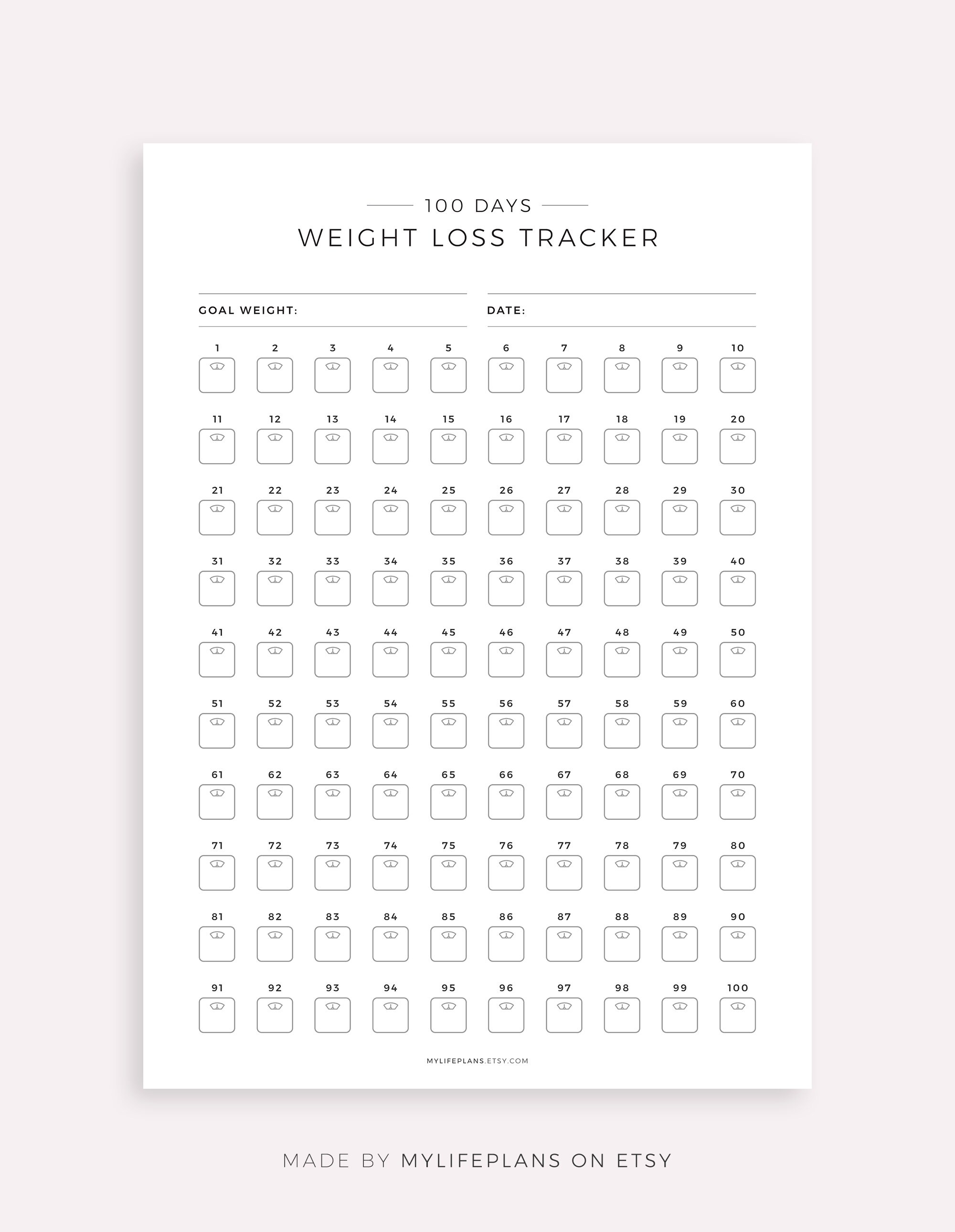
- Analog Tracking: A dedicated physical calendar where each successful day receives a mark, creating a visible streak.
- Digital Dashboards: Simple spreadsheets or habit-tracking apps configured with binary (Yes/No) daily fields.
Ensure your tracking system measures both adherence (did you complete the habit?) and quality (what was the output volume or score?).
Step 4: Formulate "If-Then" Contingency Protocols
Disruptions are inevitable over a six-week period. Unexpected work travel, minor illnesses, or family emergencies will occur. Pre-script your responses using "If-Then" logic to prevent single-day missteps from derailing the entire sprint:
- If work forces an unexpected late night and prevents an evening study block, then execute an abbreviated 20-minute active recall session before sleep.
- If a missed day occurs, then resume the exact schedule the next day without trying to "double up" work, which frequently leads to secondary failure.
Overcoming Mid-Sprint Fatigue and Common Pitfalls
Understanding common psychological hurdles helps you navigate them when they arise.
The Week 3 Friction Point
Around Days 18 to 22, initial enthusiasm naturally fades, while the end date remains far enough away that psychological fatigue sets in. This period is where most unguided attempts fail. To navigate this window:
- Shift focus away from the overall outcome and focus strictly on executing the current day.
- Reduce daily volume slightly while keeping habit completion intact if severe exhaustion occurs. Maintaining consistency without breaking the cycle is key.
Guarding Against Scope Creep
As progress becomes evident around Day 25, there is a natural temptation to stack additional secondary goals onto the sprint. Adding new habits mid-way dilutes cognitive resources and jeopardizes the core objective. Document new ideas in an backlog file to be tackled in your next 43-day cycle, keeping your current focus unchanged.
Managing Health and Safety Limits
For physical fitness or intense dietary protocols, monitor objective health metrics closely. Rapid physical changes can introduce physiological stress. If executing a strict nutritional or athletic plan, consult a licensed healthcare professional or registered dietitian to ensure your target caloric intake, macro distribution, and training volume remain safe throughout the 43 days.
Frequently Asked Questions
Why use 43 days instead of a standard 30-day or 90-day plan?
A 43-day plan offers a practical balance between duration and intensity. Thirty days is often too brief to lock in complex habits or complete substantial projects, while 90 days can make goals feel distant, leading to mid-quarter slump. Forty-three days provides six full execution weeks plus a dedicated setup day, creating enough time for meaningful progress while maintaining urgency.
What should I do if I break my routine during the 43 days?
If you miss a day, activate your pre-planned contingency protocol immediately and resume your routine on the next scheduled block. Avoid the temptation to double your workload the following day to catch up, as this often causes extra stress and leads to a second missed day. Focus on preventing two consecutive missed days.
Can a 43-day plan be used for academic exam preparation?
Yes. A 43-day timeline fits standard six-week exam preparation schedules. Phase 1 (Days 2–15) focuses on foundational reading and core concepts; Phase 2 (Days 16–29) emphasizes targeted practice questions and weak-area remediation; Phase 3 (Days 30–43) centers on full-length timed practice exams and final review.
How does a 43-day plan apply to nutritional or weight loss regimens?
In health and dietary contexts, 43 days is a common framework for metabolic resets or elimination protocols, such as classic 6-week dietary phases. This duration allows the digestive system and metabolic pathways to adapt to dietary changes. Always consult a qualified physician or registered dietitian before beginning any intensive dietary protocol.
How should I transition after completing day 43?
Use Day 43 to review performance metrics, evaluate lessons learned, and audit your output. Following completion, schedule a 3- to 5-day active recovery phase with reduced intensity. This buffer allows for rest before deciding whether to enter a maintenance phase or start a new 43-day sprint focused on a new objective.
Structuring Your First 43-Day Execution Sprint
To launch a 43-day plan effectively, follow this immediate operational roadmap:
- Select Your Start Date: Pick an upcoming date—ideally a Sunday or Monday—to serve as your official Day 1. Mark Day 43 on your calendar to define the sprint boundary.
- Complete the Day 1 Audit: Use Day 1 exclusively to configure your environment, purchase necessary supplies, install tracking tools, and establish baseline metrics. Do not start work on daily habits until Day 2.
- Execute Phase 1 with Strict Boundaries: Focus exclusively on daily task completion during Days 2–15. Treat habit execution as non-negotiable, emphasizing consistency over high volume.
- Conduct Mid-Point Reviews: On Day 22, run a quick 15-minute mid-sprint review. Assess habit adherence rates, adjust your workload if necessary to avoid burnout, and re-commit to the final 21 days.
By breaking medium-term ambitions down into clear daily actions across six structured weeks, the 43-day plan transforms large goals into a manageable, repeatable execution routine.