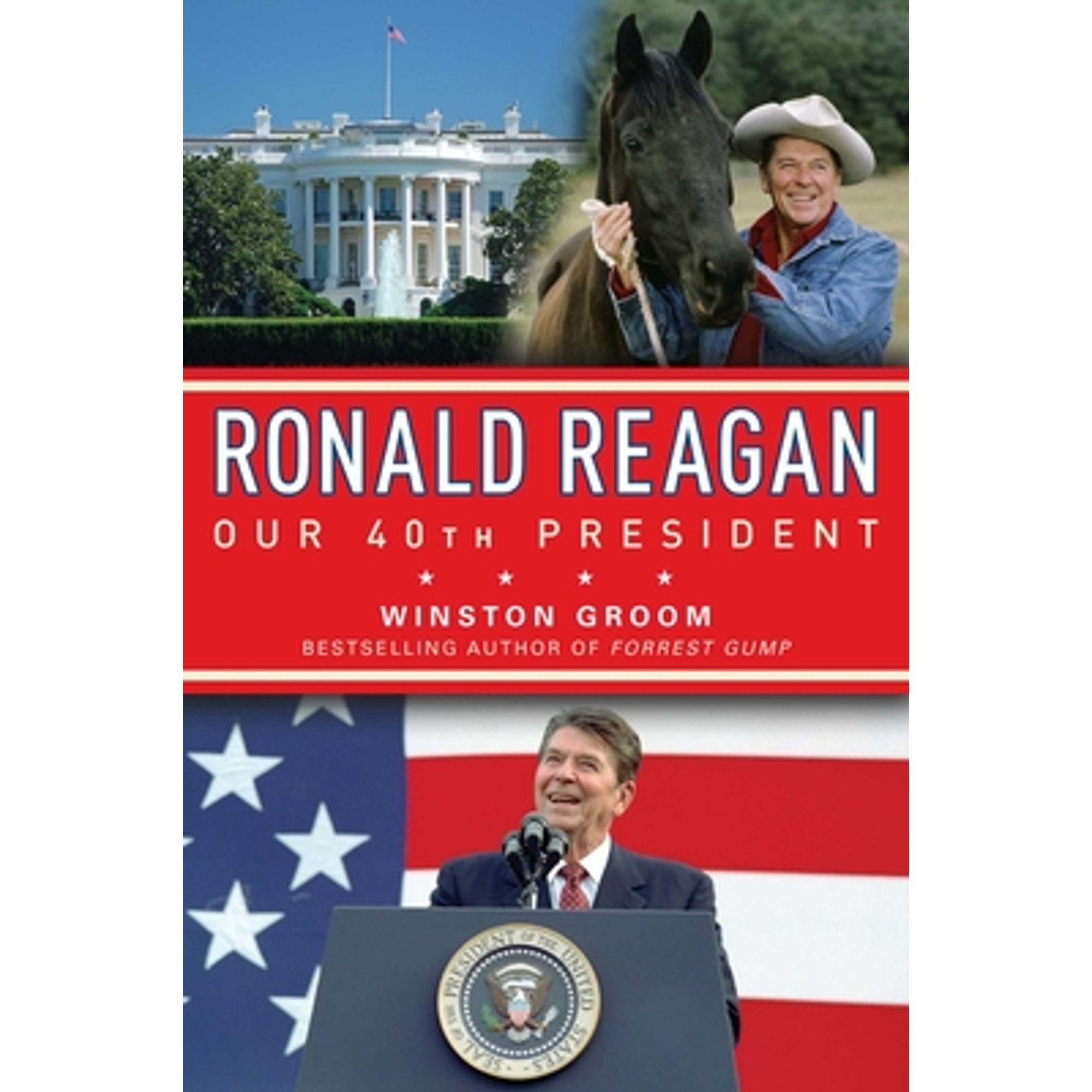
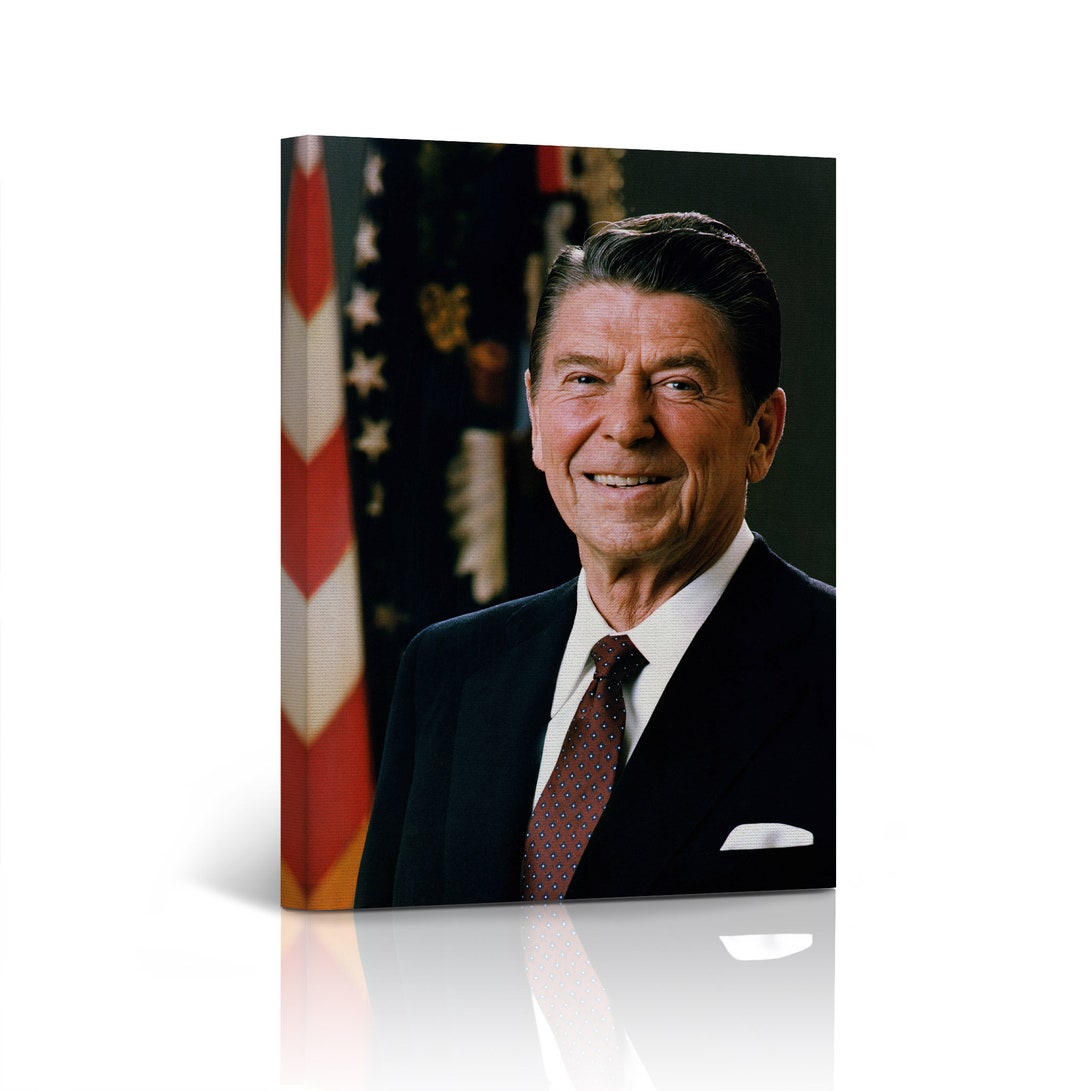
Ronald Reagan served as the 40th president of the United States from 1981 to 1989, a period marked by a fundamental shift in American politics toward conservatism. A former actor and Governor of California, Reagan implemented "Reaganomics" to combat stagflation and pursued a "peace through strength" foreign policy that significantly contributed to the conclusion of the Cold War.
The Path to the Presidency and the 1980 Election
Before entering the political arena, Ronald Reagan was a well-known Hollywood actor and the president of the Screen Actors Guild. His transition from the entertainment industry to the political sphere began in earnest during the 1950s as he became a corporate spokesperson for General Electric, where he honed his skills as a communicator. His 1964 televised speech, "A Time for Choosing," delivered on behalf of Barry Goldwater, established him as a leading voice for the conservative movement. This momentum eventually propelled him to the governorship of California in 1966, a position he held for two terms, providing him with the executive experience necessary for a national campaign.
By the time the 1980 presidential election arrived, the United States was grappling with a sense of national malaise. The country faced a combination of high inflation and stagnant economic growth—known as stagflation—and was reeling from the Iranian Hostage Crisis. Reagan campaigned on a platform of optimism, promising to "make America great again" by reducing the size of the federal government, cutting taxes, and rebuilding the military. He defeated the incumbent, Jimmy Carter, in a landslide victory, winning 44 states and signaling a major realignment in the American electorate that favored the Republican Party for much of the subsequent decade.
Reaganomics: Supply-Side Economics in Practice
The hallmark of Reagan’s domestic policy was a set of economic theories that came to be known as Reaganomics, or supply-side economics. The central premise was that by reducing taxes on the wealthy and corporations, the government could stimulate investment, which would lead to job creation and general economic prosperity that would "trickle down" to the rest of the population. This was a direct challenge to the Keynesian economic theories that had dominated American policy since the New Deal.
Reagan’s economic program consisted of four main pillars: widespread tax cuts, deregulation of private industry, reduced government spending on social programs, and a tight monetary policy to control inflation. The Economic Recovery Tax Act of 1981 represented one of the largest tax cuts in U.S. history, slashing the top marginal tax rate significantly. While these policies were credited by supporters for ending the 1982 recession and sparking a period of sustained GDP growth, critics pointed to the dramatic increase in the national debt and the widening gap between the rich and the poor. Furthermore, while inflation did drop sharply, this was also largely due to the aggressive interest rate hikes implemented by Federal Reserve Chairman Paul Volcker, whom Reagan supported despite the political risks of a short-term recession.
Foreign Policy and the "Peace Through Strength" Doctrine
On the global stage, Reagan was an uncompromising anti-communist who rejected the previous policy of détente. He famously referred to the Soviet Union as the "Evil Empire" and increased defense spending to record levels. This "peace through strength" approach was designed to pressure the Soviet Union economically and technologically. One of the most controversial aspects of this build-up was the Strategic Defense Initiative (SDI), popularly known as "Star Wars," a proposed space-based missile defense system. Although SDI was never fully realized, the prospect of an expensive arms race in space placed immense pressure on the Soviet leadership.
The mid-1980s saw a shift in Reagan’s approach following the ascension of Mikhail Gorbachev as the General Secretary of the Communist Party of the Soviet Union. Reagan and Gorbachev engaged in a series of high-stakes summits, most notably in Reykjavik and Washington, D.C. These negotiations led to the signing of the Intermediate-Range Nuclear Forces (INF) Treaty in 1987, the first treaty to actually reduce nuclear arsenals rather than merely limiting their growth. Reagan’s 1987 speech at the Berlin Wall, where he challenged Gorbachev to "tear down this wall," remains one of the most iconic moments of the late 20th century, symbolizing the beginning of the end of the Cold War.
The Iran-Contra Affair and Administrative Challenges
The 40th president's second term was nearly derailed by the Iran-Contra affair, a complex political scandal that emerged in 1986. It was revealed that senior administration officials had secretly facilitated the sale of arms to Iran—which was under an arms embargo—in hopes of securing the release of American hostages held in Lebanon. The proceeds from these sales were then illegally diverted to fund the Contras, a rebel group in Nicaragua, despite a Congressional ban (the Boland Amendment) on such funding.
The scandal led to numerous investigations, including the Tower Commission and televised Congressional hearings. While Reagan claimed he was unaware of the diversion of funds, the investigations criticized his "hands-off" management style, which allowed subordinates to operate without proper oversight. Several high-ranking officials, including John Poindexter and Oliver North, were convicted of various charges, though many convictions were later vacated on appeal. Despite the severity of the crisis, Reagan managed to recover much of his public approval before leaving office, earning him the nickname "The Teflon President" because scandals never seemed to "stick" to him personally.
Judicial Appointments and Social Policy
Reagan’s presidency had a profound and lasting impact on the American judiciary. He sought to populate the federal courts with "originalist" judges who believed in a strict interpretation of the Constitution. His most notable appointment was Sandra Day O'Connor, the first woman to serve on the Supreme Court, in 1981. He also elevated William Rehnquist to Chief Justice and appointed Antonin Scalia and Anthony Kennedy to the high court. These appointments shifted the court in a more conservative direction for decades, influencing rulings on federalism, executive power, and individual rights.
In terms of social policy, Reagan’s administration oversaw the escalation of the "War on Drugs," which included the passage of the Anti-Drug Abuse Act of 1986. This legislation introduced mandatory minimum sentences for drug offenses, which critics argue led to a massive increase in the U.S. prison population and disproportionately affected minority communities. Additionally, the administration faced significant criticism for its perceived slow response to the HIV/AIDS epidemic, which began to take hold in the early 1980s. It was not until late in his second term that Reagan spoke publicly and extensively about the crisis, a delay that many public health advocates believe hindered the early containment of the virus.
Key Economic and Political Indicators (1981–1989)
To understand the scope of the 40th president's tenure, it is helpful to look at the statistical shifts that occurred during his eight years in office. The following table highlights several key metrics that defined the era.
| Metric | 1981 (Start of Term) | 1989 (End of Term) |
|---|---|---|
| Inflation Rate (CPI) | ~13.5% | ~4.1% |
| Unemployment Rate | ~7.5% | ~5.4% |
| Top Individual Income Tax Rate | 70% | 28% |
| National Debt (Billions) | ~$997 Billion | ~$2.8 Trillion |
| Federal Deficit as % of GDP | ~2.5% | ~2.8% |
| Real GDP Growth (Annualized) | -0.3% (1981) | 3.7% (1988) |
Data sourced from official White House Archives and the Bureau of Labor Statistics.
Frequently Asked Questions
Who was the 40th president of the United States?
Ronald Reagan was the 40th president of the United States. He served two full terms from January 20, 1981, to January 20, 1989. Before his presidency, he was the Governor of California and a prominent Hollywood actor.
What were the main goals of "Reaganomics"?
The primary goals were to stimulate economic growth through supply-side policies. This involved cutting taxes for individuals and corporations, reducing government regulation, and curbing the growth of government spending. The objective was to increase production and investment, thereby lowering inflation and unemployment.
How did Ronald Reagan handle the Cold War?
Reagan initially took a hardline stance, increasing military spending and deploying rhetoric that challenged the legitimacy of the Soviet Union. However, in his second term, he transitioned to diplomacy, working closely with Soviet leader Mikhail Gorbachev to sign the INF Treaty, which was a landmark agreement in reducing nuclear weapons.
What was the Iran-Contra affair?
It was a political scandal where the Reagan administration secretly sold weapons to Iran to help free American hostages. The money from these sales was then illegally used to fund anti-communist rebels (Contras) in Nicaragua. It was a major controversy during Reagan's second term because it bypassed Congressional authority.
Who served as Vice President under Ronald Reagan?
George H.W. Bush served as the Vice President for both of Reagan's terms. He later succeeded Reagan as the 41st president of the United States after winning the 1988 election.
Analyzing the Lasting Influence of the 40th President
As we evaluate the Reagan presidency from the perspective of 2026, his influence remains a cornerstone of modern conservative thought. His ability to communicate complex ideas through simple, relatable anecdotes—a skill developed during his years in Hollywood—transformed the way presidents interact with the public. Reagan is often credited with restoring American self-confidence after the difficulties of the 1970s, and his "Big Tent" approach to the Republican Party brought together fiscal conservatives, social conservatives, and "Reagan Democrats" who were attracted to his patriotic message.
For those interested in a deeper historical analysis, the Ronald Reagan Presidential Library and Museum offers an extensive archive of his speeches, personal diaries, and official records. Scholars and students of political science should examine the Miller Center's presidential profiles for a non-partisan breakdown of his administrative successes and failures. Understanding the 40th president is essential for anyone seeking to comprehend the trajectory of American politics in the 21st century, as many current debates over taxation, federalism, and foreign intervention find their roots in the policies established during the 1980s.