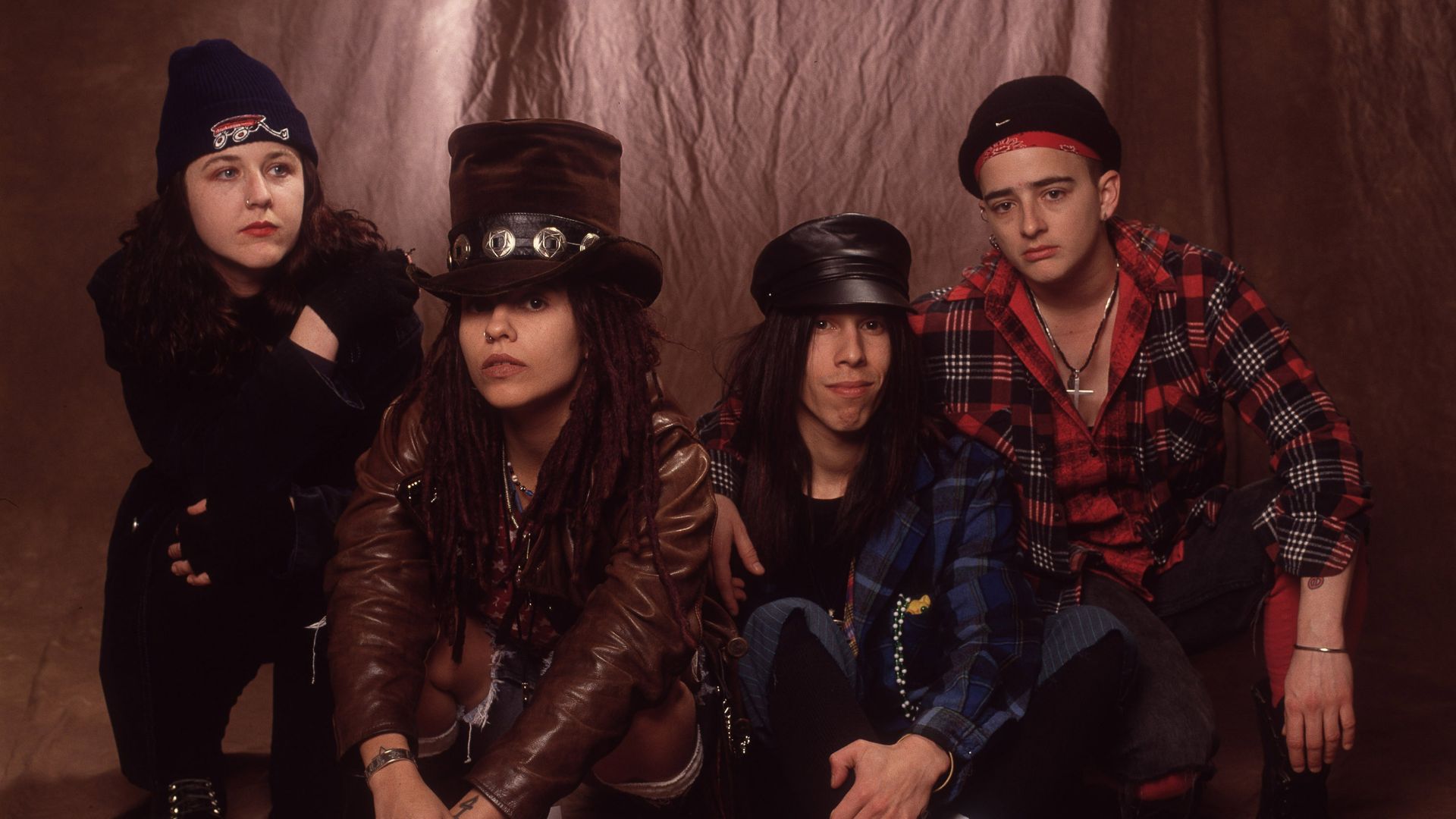
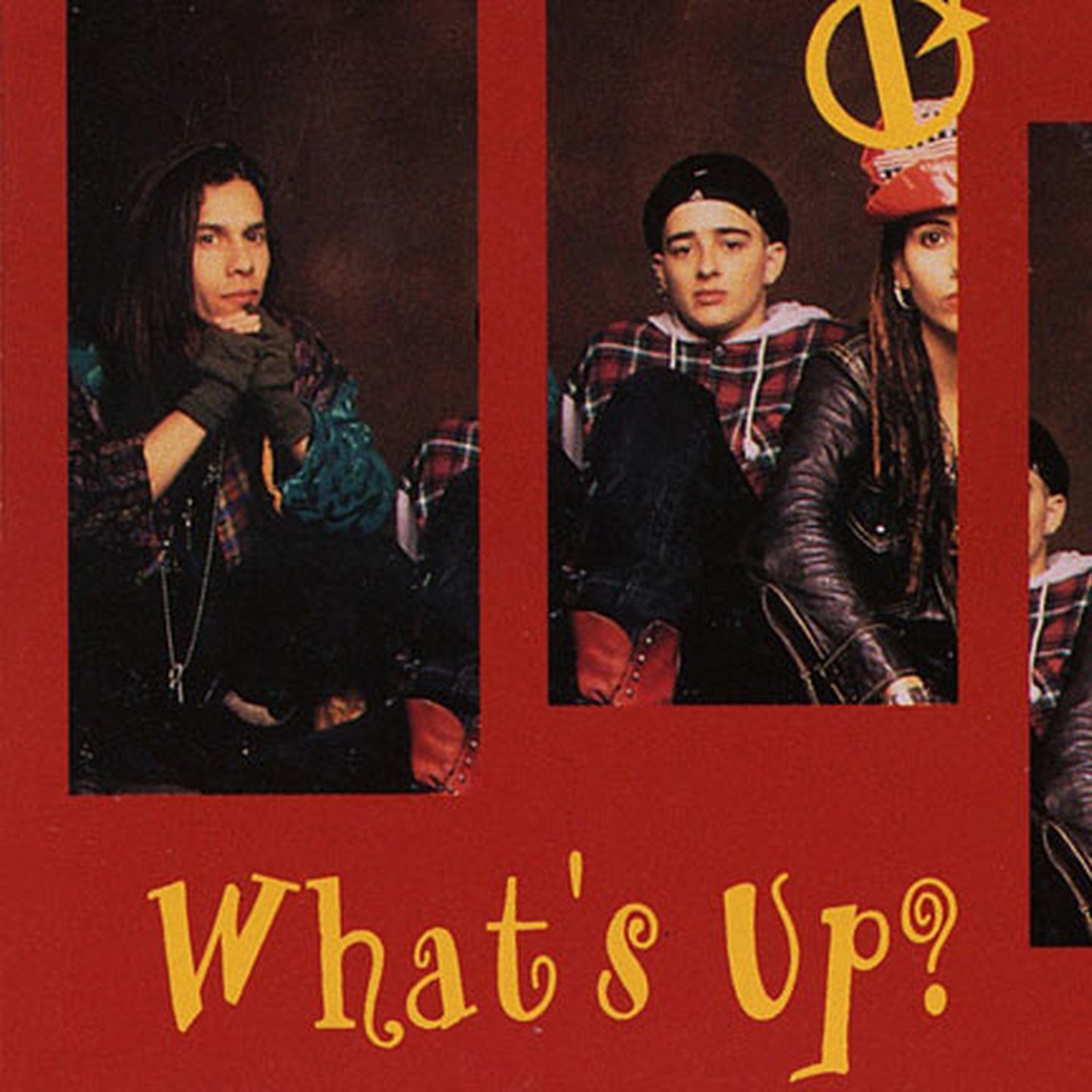
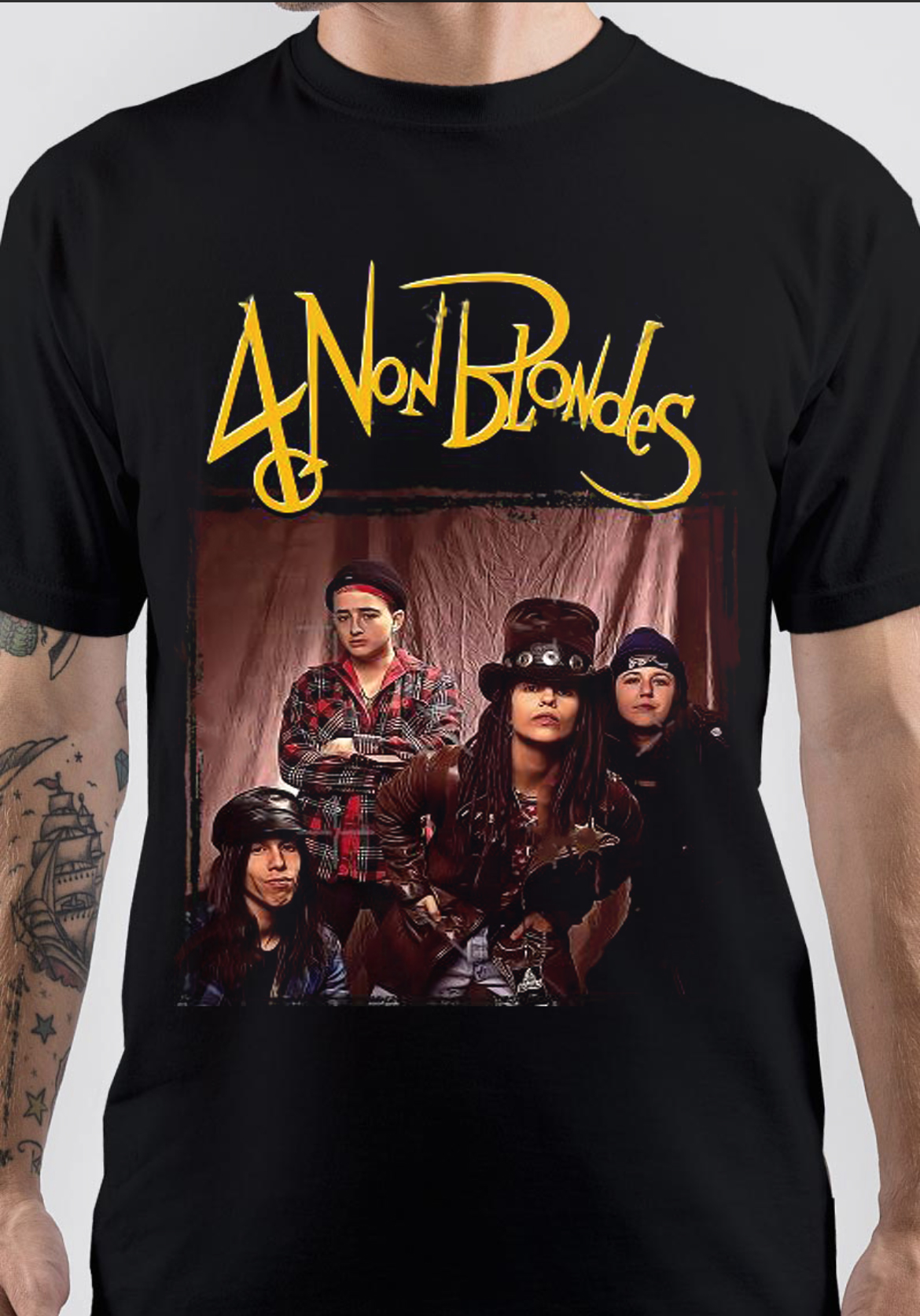
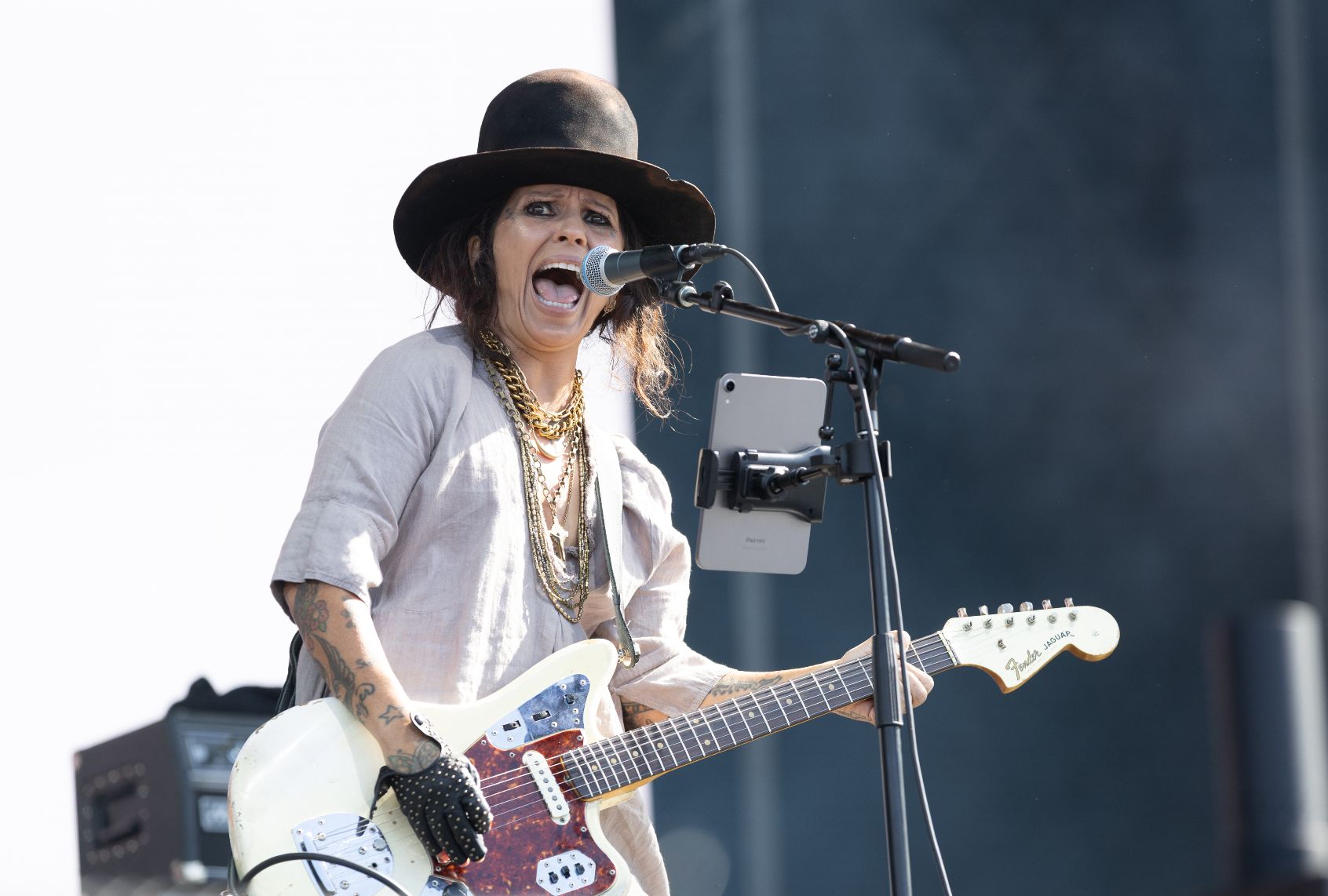
4 Non Blondes was a definitive American alternative rock band from San Francisco, active primarily from 1989 to 1994. Led by the powerhouse vocals of Linda Perry, the group is internationally recognized for their 1993 multi-platinum hit "What's Up?" and their sole studio album, Bigger, Better, Faster, More!, which remains a cornerstone of 1990s rock history.
As of 2026, 4 Non Blondes remains a quintessential example of the "one-album wonder" phenomenon, yet their influence extends far beyond their brief discography. While the group disbanded at the height of their fame, the individual members—most notably Linda Perry—transformed the landscape of modern pop and rock production. To understand the impact of 4 Non Blondes, one must look past the ubiquitous radio play of their lead single and examine the cultural and musical environment that birthed their unique sound.
The Formation and Queer Roots in San Francisco
The origin of 4 Non Blondes is rooted in the vibrant, counter-cultural music scene of San Francisco in the late 1980s. The band was formed in 1989 by bassist Christa Hillhouse, guitarist Shaunna Hall, and drummer Wanda Day. The trio was looking for a vocalist who could match their raw, blues-influenced rock energy. They discovered Linda Perry, a singer-songwriter who had been performing solo in the city’s clubs.
The name "4 Non Blondes" arose from a specific incident in a local park. According to band lore, the members were eating pizza when a family walked by. The child in the family wanted to feed the birds, but the parents—who were all blonde—cautioned him against it because the "dirty birds" were unhygienic. The band members, noticing they were the only non-blonde people in the immediate vicinity, adopted the name as a badge of outsider status.
The band’s identity was significantly shaped by the fact that several members were openly lesbian at a time when the music industry was still largely conservative regarding LGBTQ+ visibility. This authenticity gave their music a grit and honesty that resonated with the growing alternative movement. They quickly built a local following, leading to their signing with Interscope Records in 1991.
Bigger, Better, Faster, More! and the Production Shift
In 1992, the band released their debut album, Bigger, Better, Faster, More!. The production of the album was a point of contention that would eventually contribute to the band's dissolution. The band initially worked with producer David Tickle, who had worked with acts like Toni Childs and Prince.
While the album is now considered a classic, Linda Perry often expressed dissatisfaction with the polished nature of the recording. She felt the production smoothed over the raw, aggressive edges of their live performances. Despite these internal creative tensions, the album provided a diverse sonic palette, ranging from the funk-infused "Morphine & Chocolate" to the politically charged "Dear Mr. President."
Key Personnel and Lineup Transitions
The lineup that recorded the album was not the same as the founding group. Before the recording was finalized, drummer Wanda Day was asked to leave due to substance abuse issues; she was replaced by Dawn Richardson. Guitarist Shaunna Hall also left during the sessions, and while some of her parts remain on the album, the primary guitar work was completed by Louis Metoyer and later by Roger Rocha, who became the band's touring guitarist.
| Name | Role | Period Active |
|---|---|---|
| Linda Perry | Lead Vocals, Acoustic Guitar | 1989–1994 |
| Christa Hillhouse | Bass Guitar, Backing Vocals | 1989–1994 |
| Shaunna Hall | Lead Guitar | 1989–1992 |
| Wanda Day | Drums | 1989–1991 |
| Dawn Richardson | Drums | 1991–1994 |
| Roger Rocha | Lead Guitar | 1992–1994 |
The Global Phenomenon of "What's Up?"
No discussion of 4 Non Blondes is complete without analyzing "What's Up?". Released in 1993, the song became a massive global hit, reaching the top ten in the United States and hitting number one in several European countries, including Germany, Austria, and Switzerland.
Technically, the song is built on a simple three-chord progression (A, Bm, D, A), which allowed Perry’s vocal gymnastics to take center stage. Her ability to transition from a low, conversational growl to a soaring, glass-shattering belt became the song's hallmark.
The Title Confusion
A common point of confusion is the song's title. Although the chorus famously repeats the line "And I say, hey-ey-ey, hey-ey-ey / I said hey, what's going on?", the song is titled "What's Up?" to avoid confusion with the 1971 Marvin Gaye classic, "What's Going On." Despite this, many casual listeners still refer to the track by its chorus hook.
The song’s lyrics—expressing a sense of existential dread and a longing for revolution—tapped into the zeitgeist of the early 90s. It was a period where "grunge" was the dominant commercial force, but 4 Non Blondes offered a different flavor of angst: one that was more melodic, vocal-centric, and steeped in 70s rock sensibilities.
Why Did 4 Non Blondes Break Up?
At the height of their success in late 1994, Linda Perry announced her departure from the band. To the public, it seemed like a sudden move for a group that had just conquered the world. However, the internal mechanics had been failing for some time.
- Creative Differences: Perry wanted to move in a more experimental, less commercial direction. She felt stifled by the expectations of the "alt-rock" label and the pressure to produce another radio-friendly hit.
- Solo Ambitions: Perry had already begun writing material that didn't fit the band's four-piece rock dynamic. Her solo debut, In Flight (1996), showcased a darker, more atmospheric sound that was a significant departure from the 4 Non Blondes "stomping" rock style.
- Personnel Friction: The frequent lineup changes had eroded the original chemistry of the group. While Hillhouse and Perry remained close, the cohesive unit required to sustain a multi-album career had fractured.
The band attempted to start work on a second album, but once Perry left, the project was scrapped. The remaining members pursued other musical interests, and 4 Non Blondes effectively ceased to exist as a recording entity.
The Architect of Pop: Linda Perry’s Second Act
While 4 Non Blondes stopped, Linda Perry’s influence grew exponentially. After a modest solo career, she found her true calling as a songwriter and producer. She is responsible for some of the most iconic pop hits of the 2000s and 2010s.
She famously penned and produced "Beautiful" for Christina Aguilera, a song that revitalized Aguilera’s career and became an anthem for self-empowerment. Perry also worked extensively with Pink, writing "Get the Party Started," and with Gwen Stefani on "What You Waiting For?". Her ability to extract raw emotion from pop stars became her signature, and her work earned her an induction into the Songwriters Hall of Fame in 2015.
As of 2026, her career remains a gold standard for how a rock artist can successfully transition into the "behind-the-scenes" machinery of the music industry without losing their artistic integrity.
Legacy and Cultural Impact in 2026
Decades after their peak, the influence of 4 Non Blondes persists in several ways. "What's Up?" has become a staple of karaoke culture, a testament to its enduring catchiness and the challenge of Perry’s vocal range. It has been covered by dozens of artists across genres, from Lady Gaga to He-Man (in the viral internet meme "HEYYEYAAEYAAAEYAEYAA").
The band also paved the way for queer visibility in mainstream rock. By being unapologetically themselves during the pre-Internet era, they provided a blueprint for the "riot grrrl" and "queercore" movements that would follow.
The "One-Album Wonder" Re-evaluation
In 2026, critics have largely moved away from the "one-hit wonder" label for 4 Non Blondes, instead viewing them as a group that perfectly captured a specific moment in time. Their single album, Bigger, Better, Faster, More!, is often cited in retrospectives of 1993, a year that saw massive releases from Nirvana, Pearl Jam, and Smashing Pumpkins. 4 Non Blondes held their own in this crowded field, proving that there was room for bluesy, female-fronted rock on the charts.
FAQ: Common Questions About 4 Non Blondes
Why did 4 Non Blondes choose that name?
The name was inspired by a family of blonde-haired people in a San Francisco park who looked down upon the band members for their "outsider" appearance. The band, consisting of non-blonde members, adopted the name to reflect their status as misfits within the traditional social order.
What happened to the drummer Wanda Day?
Wanda Day was an original member but was asked to leave the band before their debut album was completed due to her struggle with drug addiction. Tragically, she passed away in 1997 due to a drug overdose, just a few years after the band's peak success.
Is Linda Perry still making music in 2026?
Yes, Linda Perry remains highly active in the music industry as of 2026. While she rarely performs as a solo artist, she is a sought-after producer and songwriter, continuing to work with both established legends and emerging talent through her production companies and various creative collaborations.
Did the band ever reunite?
The band has never officially reunited for a full tour or new album. However, in 2014, the original members (minus the late Wanda Day) reunited for a brief performance at a charity event for the Los Angeles LGBT Center. This remains their only significant performance together since their 1994 breakup.
Why is the song called "What's Up?" when they say "What's going on?"
The title was chosen to prevent any legal or branding confusion with Marvin Gaye's famous 1971 track "What's Going On." Despite the hook featuring the phrase "What's going on?", the band and label felt "What's Up?" was a distinct enough title for the single release.
Exploring the Discography: A Recommendation
For those looking to dive deeper into the band's history, the best path is to listen to the 25th-anniversary vinyl reissue of Bigger, Better, Faster, More!, which offers remastered sound quality that brings out the intricacies of Christa Hillhouse’s bass lines and Perry’s vocal textures. Additionally, the band's contribution to the Led Zeppelin tribute album Encomium—a cover of "Misty Mountain Hop"—is essential listening, as it captures the band at their heaviest and most uninhibited.
If you are interested in the evolution of the band's sound, compare the track "Spaceman" from their album with Linda Perry’s solo work on In Flight. This comparison provides a fascinating look at how a lead singer’s vision can both drive a band to success and eventually lead to its dissolution as they seek more expansive creative horizons.