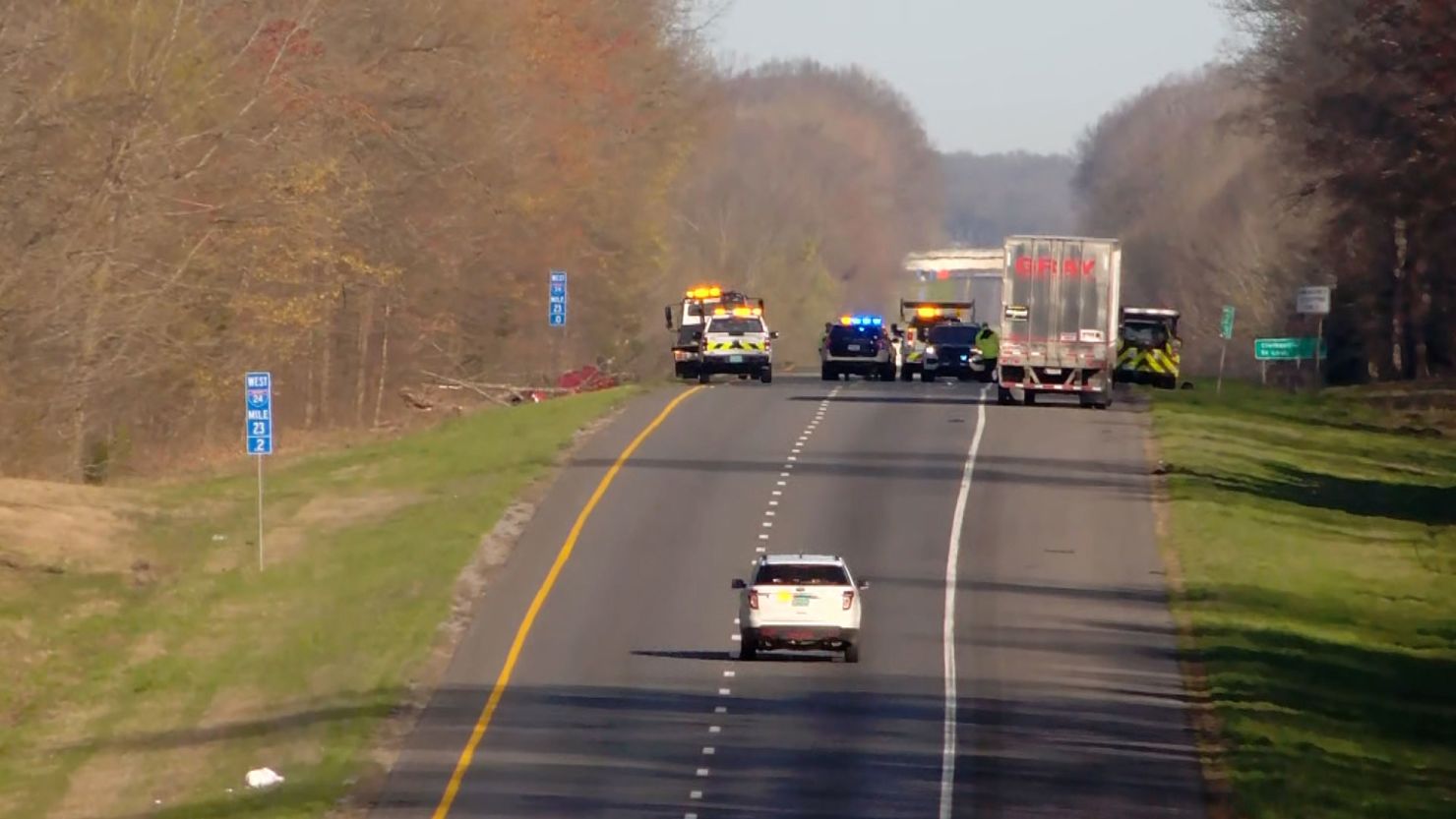
In September 2024, a tragic incident in Henry County, Tennessee, resulted in the deaths of four individuals, sparking a massive multi-agency investigation. As of 2026, the Tennessee Bureau of Investigation (TBI) and local judicial authorities have concluded the primary forensic and criminal inquiries, providing closure to the community while highlighting critical advancements in rural emergency response and evidence processing protocols.
Incident Overview and Initial Emergency Response
The events that led to the discovery of four deceased individuals in the Paris area of Henry County began with a welfare check requested by concerned relatives. On September 2, 2024, deputies from the Henry County Sheriff’s Office arrived at a residence on Visual Lane, where they discovered the victims. The severity of the scene immediately triggered a request for assistance from the Tennessee Bureau of Investigation (TBI), which is standard procedure in Tennessee for complex multi-fatality cases or when local resources require specialized forensic support.
The initial response focused on securing the perimeter and ensuring there was no ongoing threat to the surrounding neighborhood. In rural Tennessee jurisdictions, the integration between county law enforcement and state-level investigators is a critical component of the "Gold Standard" of crime scene management. During the first 48 hours, investigators utilized 3D mapping technology and mobile forensic units to preserve the integrity of the site. This phase was crucial because environmental factors in Western Tennessee during late summer can rapidly degrade physical evidence.
Authorities initially remained tight-lipped to protect the integrity of the ongoing search for a potential suspect or to verify if the incident was a contained domestic tragedy. This period of information control is often difficult for the public but remains a fundamental requirement of the Tennessee District Attorneys General Conference guidelines to ensure that any future prosecution is not compromised by the release of sensitive "guilty-knowledge" details.
Victim Identification and Forensic Methodology
The process of identifying the four victims involved a collaboration between the Tennessee Department of Health’s Office of the State Medical Examiner and local dental records experts. In cases involving multiple fatalities within a single dwelling, forensic pathologists must work meticulously to establish the exact time of death for each individual, which helps investigators reconstruct the timeline of the event.
By 2026, the official records indicate that the victims were family members and acquaintances, a fact that deeply impacted the tight-knit community of Paris and the broader Henry County area. The forensic autopsies, conducted at the regional forensic center, focused on ballistics analysis and toxicology. These reports are essential not only for criminal trials but also for insurance settlements and the finalization of estates under Tennessee Probate Law.
The use of Rapid DNA testing, which became more prevalent in Tennessee investigations between 2024 and 2026, allowed for faster confirmation of identities compared to traditional methods. This technology enables local law enforcement to process biological samples in hours rather than weeks, providing immediate leads for the TBI's Violent Crime Response Teams.
The Role of the Tennessee Bureau of Investigation (TBI)
The TBI serves as the primary investigative arm for the state, and its involvement in the "4 killed in Tennessee" case was pivotal. When the District Attorney General for the 24th Judicial District requested TBI intervention, it unlocked access to specialized units, including:
- Special Agents-Forensic Scientists: Experts in bloodstain pattern analysis and ballistics who reconstruct the physical dynamics of the crime.
- Digital Evidence Branch: Technicians who analyze cellular data, home security footage, and social media footprints to establish motive or movement.
- Victim Services Division: Professionals who provide immediate support to the grieving families, navigating them through the complexities of the criminal justice system.
The TBI's "Top Ten Most Wanted" program and its public information office were instrumental in managing the flow of data to the media. Throughout 2025 and into 2026, the TBI maintained that the meticulous collection of over 200 pieces of evidence from the Visual Lane property was necessary to provide a "bulletproof" case for the prosecution.
Judicial Progress and Legal Aftermath
As the calendar turned to 2026, the legal proceedings associated with the Henry County quadruple homicide moved from the investigative phase into the judicial system. Under Tennessee Code Annotated (T.A.C.) § 39-13-202, first-degree murder carries the heaviest penalties in the state, including life imprisonment or the death penalty.
The discovery phase of the trial involved the analysis of thousands of pages of documents. In Tennessee, the "Discovery Rule" requires the prosecution to provide the defense with all evidence that might be favorable to the accused (Brady material). Given the quadruple nature of the deaths, the sheer volume of forensic data required a prolonged period for defense experts to review.
Community impact statements were prepared in late 2025, allowing those affected by the loss of the four community members to voice the psychological and social toll of the event. These statements play a significant role during the sentencing phase in Tennessee courts, ensuring that the human cost of the tragedy is officially recognized by the judiciary.
Comparative Analysis of Tennessee Public Safety Responses
To understand the context of the Henry County incident, it is helpful to examine how Tennessee manages major crime scenes and the typical timeline for "Latest News Updates" in multi-fatality investigations.
| Investigation Stage | Typical Duration | Key Organizations Involved | Primary Objective |
|---|---|---|---|
| Initial Response | 0–24 Hours | Local Sheriff, EMS | Scene security and life safety |
| Evidence Collection | 1–7 Days | TBI, Forensic Units | Physical and digital evidence recovery |
| Forensic Analysis | 3–12 Months | State Medical Examiner | Autopsies, DNA, and Ballistics |
| Grand Jury Indictment | 6–18 Months | District Attorney | Establishing probable cause for trial |
| Judicial Resolution | 2–4 Years | TN Circuit Courts | Verdict, Sentencing, and Appeals |
The 2024 Henry County case followed this trajectory closely. By 2026, the "latest news" has shifted from the shock of the discovery to the systemic lessons learned regarding rural policing and the necessity of state-funded forensic laboratories.
Community Recovery and Support Resources
The aftermath of a tragedy involving four deaths leaves a lasting scar on a rural county. Support systems in Tennessee have evolved to provide more robust mental health and financial assistance to the families of victims. The Tennessee Victims of Crime Act (VOCA) provides funding for counseling and funeral expenses, which was utilized extensively by the families in this case.
Furthermore, local organizations in Henry County established memorial funds to assist with the education of surviving children and the maintenance of the victims' properties. These grassroots efforts are a hallmark of Tennessee’s "Volunteer State" spirit, where local churches and civic groups often lead the recovery efforts long after the national news cameras have departed.
For those seeking to understand the safety landscape in Tennessee as of 2026, it is important to consult official resources:
Frequently Asked Questions
What was the final cause of death determined in the Tennessee quadruple homicide?
While specific medical examiner reports are often shielded under privacy laws until a case is fully adjudicated, the TBI confirmed that the deaths in the Henry County incident were the result of homicidal violence involving firearms. The forensic reports finalized in 2025 corroborated the initial findings of the first responders at the scene on Visual Lane.
Is there still an active threat to the community in Henry County?
As of 2026, authorities have confirmed there is no ongoing threat related to this specific incident. The investigation determined the events were isolated. Local law enforcement continues to emphasize the importance of community vigilance and the "See Something, Say Something" protocol, but the specific danger associated with the September 2024 discovery was neutralized shortly after the event.
How can the public access the official records of this case?
Public records in Tennessee are governed by the Tennessee Public Records Act. While investigative files are generally confidential while a case is "pending" or "open," once a case is closed or a trial has concluded, certain documents become available for public inspection through the Henry County Circuit Court Clerk or the TBI’s Public Information Office.
Were there any survivors in the household during the incident?
Reports from 2024 indicated that the four individuals found at the residence were the only occupants at the time of the event. There were no reports of survivors fleeing the scene, which contributed to the initial complexity of the timeline reconstruction by the TBI’s behavioral science units.
What has changed in Tennessee law since this incident?
Following several high-profile multi-fatality incidents in 2024, the Tennessee General Assembly discussed measures to increase funding for rural law enforcement technology. By 2026, new grants have been implemented to provide rural counties with better access to real-time crime center data and enhanced psychological support for first responders who handle mass casualty events.
Staying Informed on Public Safety Developments
To remain updated on the latest news regarding public safety and criminal justice in Tennessee, residents are encouraged to utilize the TNReady mobile application and subscribe to TBI's official newsroom alerts. Following the conclusion of major cases, the TBI often releases a "Case Closed" summary that outlines the investigative milestones and acknowledges the inter-agency cooperation that led to the resolution.
For those personally affected by violent crime, contacting the Tennessee Board of Parole - Victim Services Division is a critical next step. This office ensures that victims and their families are notified of any changes in the status of incarcerated individuals and are given the opportunity to participate in parole hearings, providing a long-term mechanism for justice and safety.