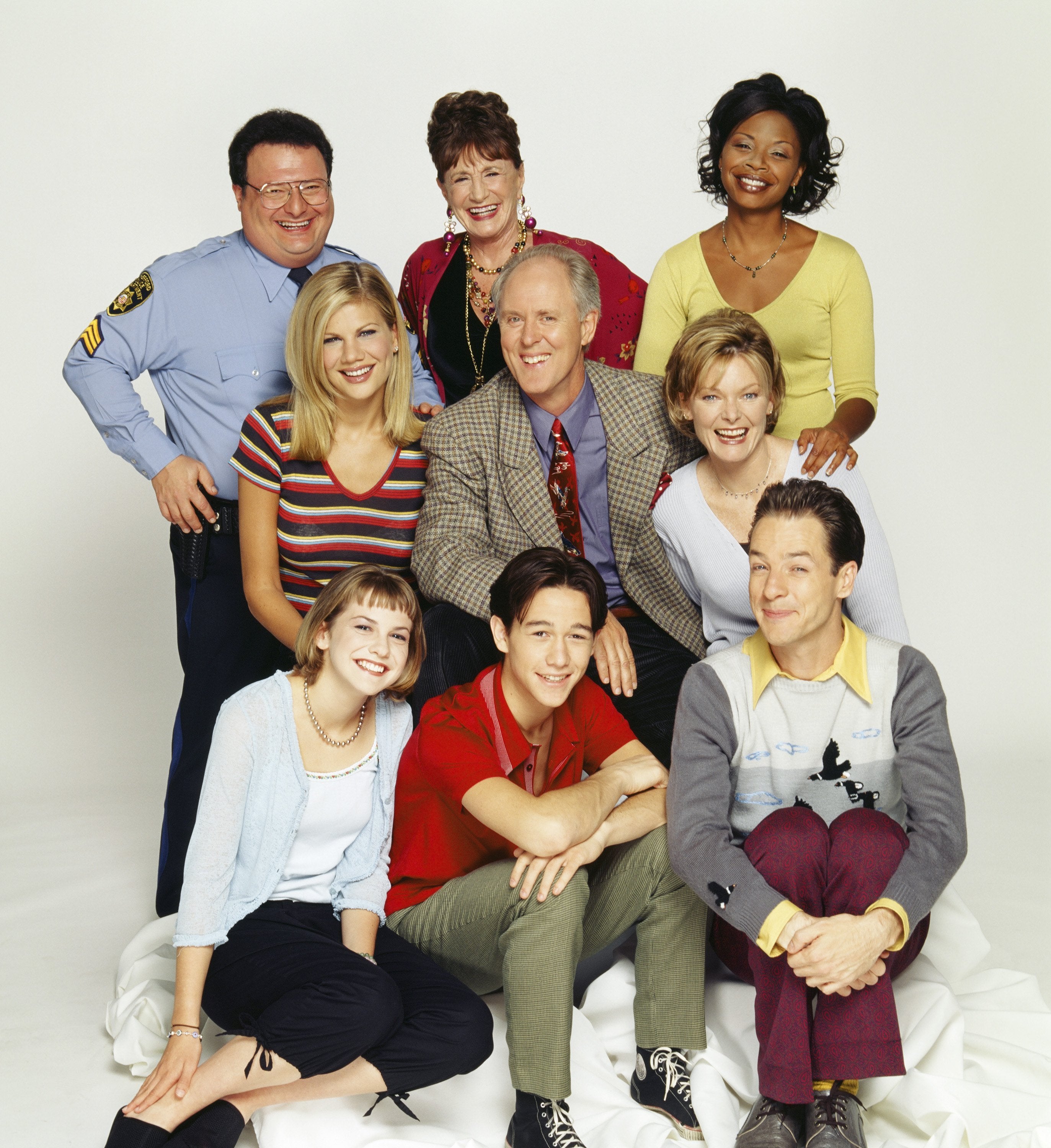
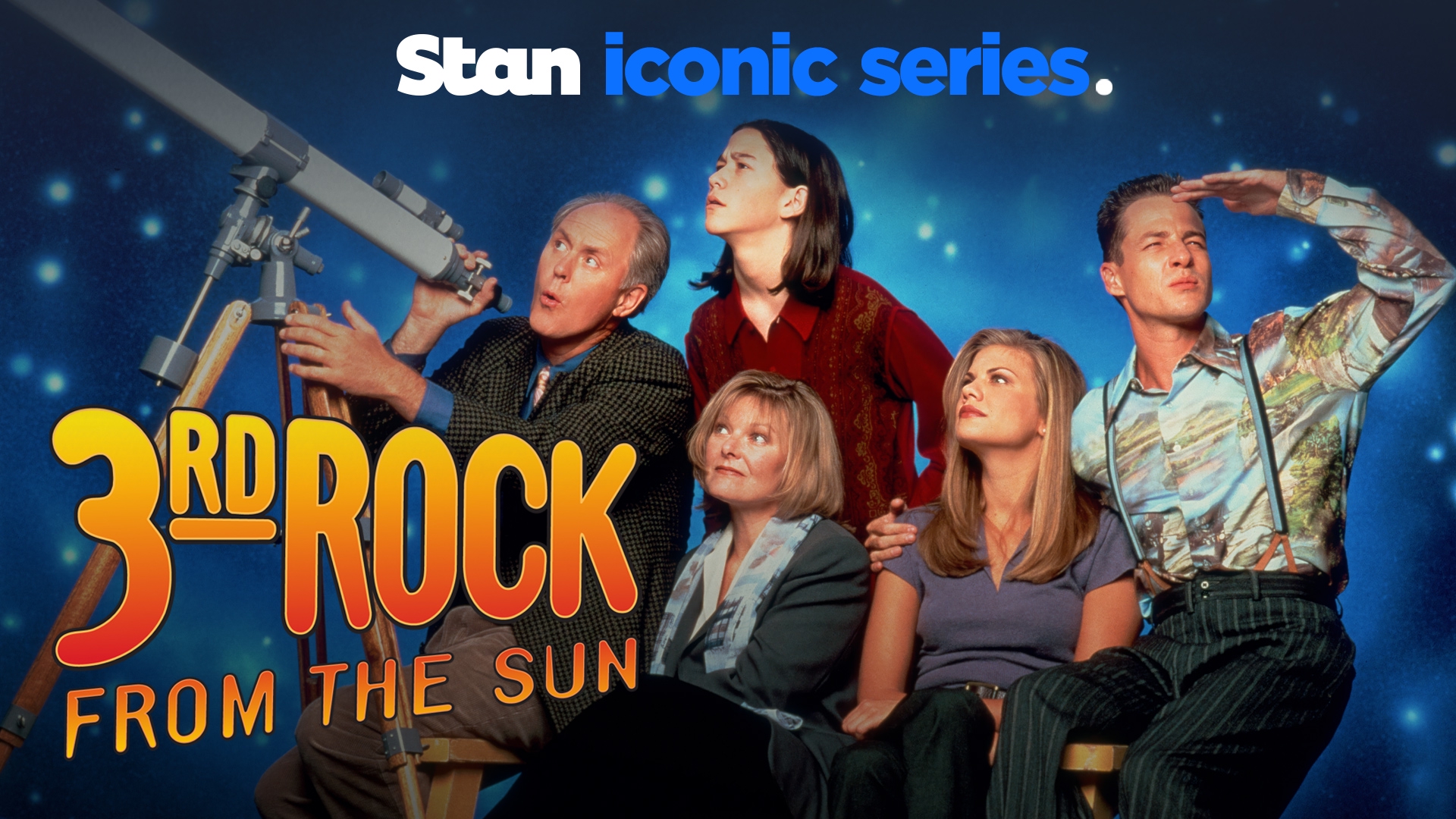
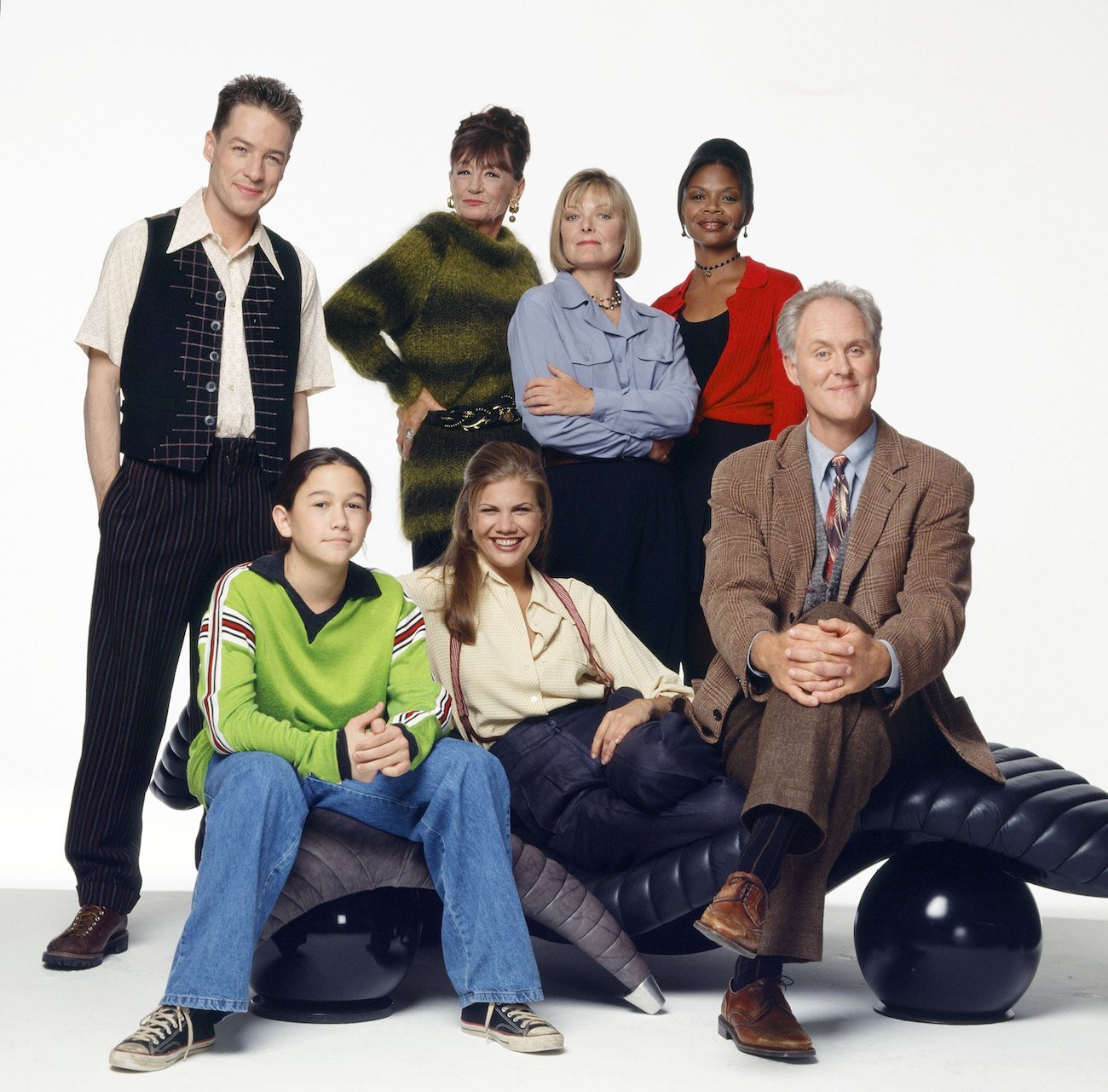
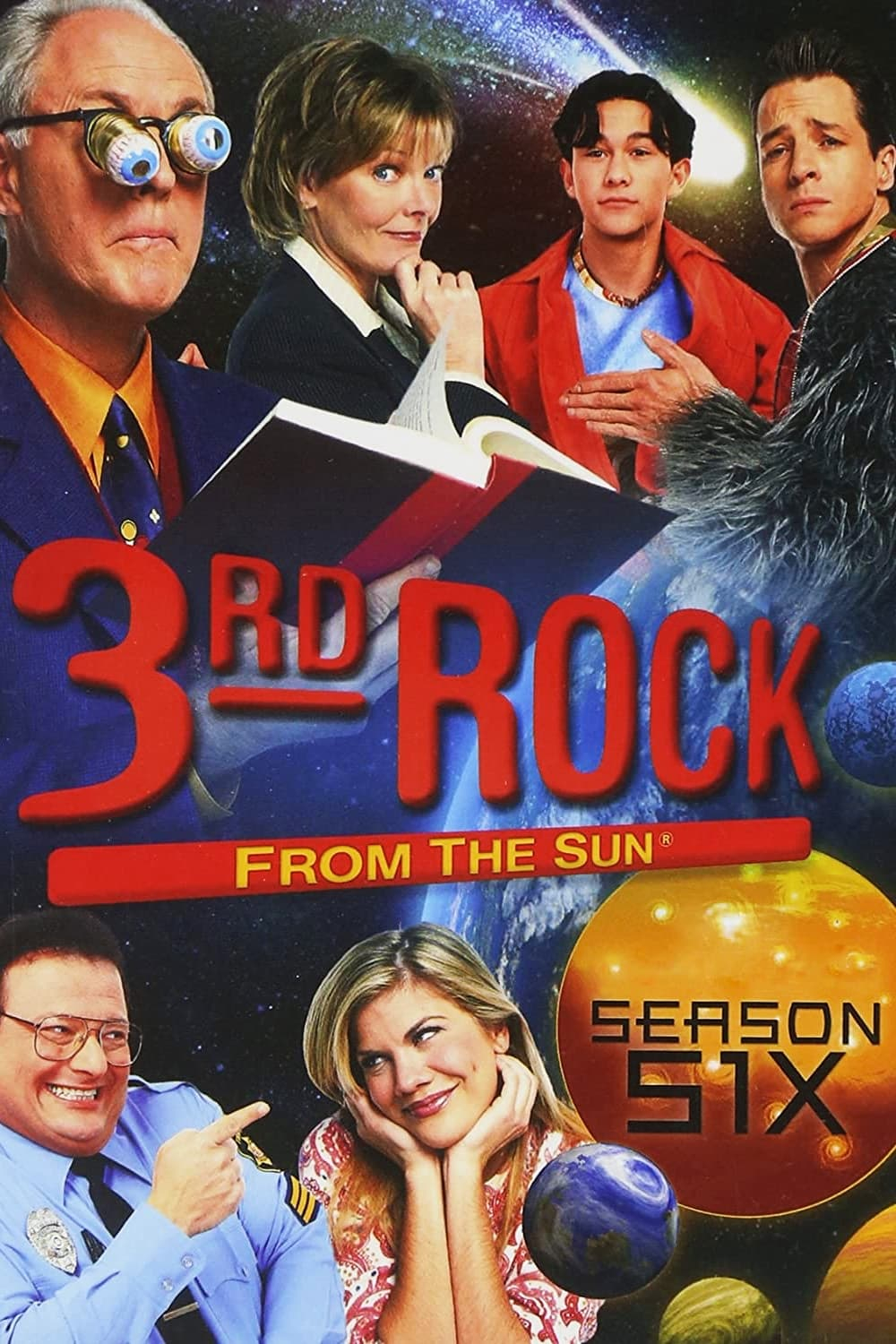
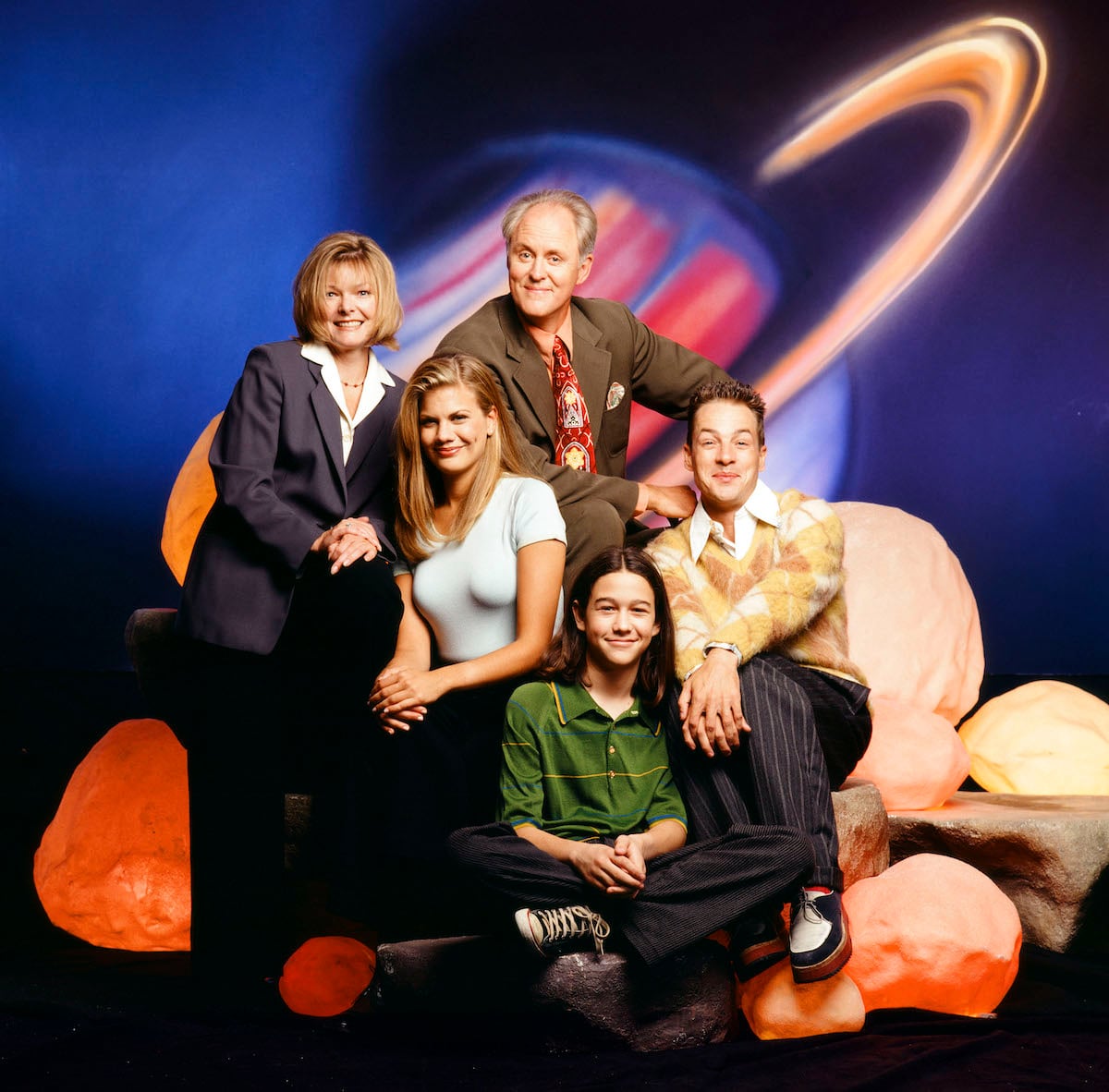
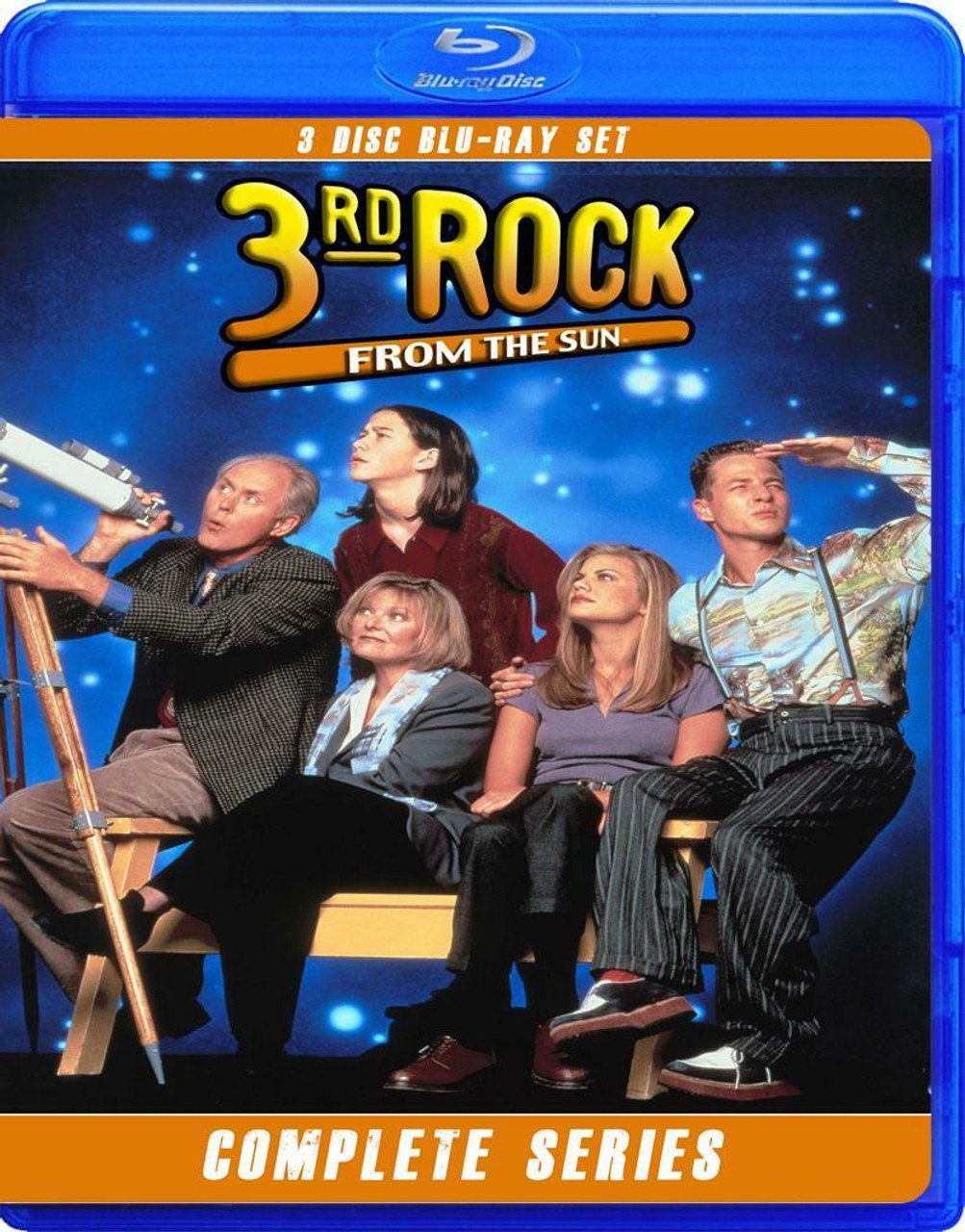
3rd Rock from the Sun is a landmark NBC sitcom featuring John Lithgow, Kristen Johnston, French Stewart, and Joseph Gordon-Levitt as extraterrestrials observing Earth. Its legacy lies in its brilliant physical comedy, high-concept premise, and satirical exploration of human social norms, remaining a critically acclaimed cult favorite through 2026.
The Solomon Family: An Extraterrestrial Ensemble
The core of 3rd Rock from the Sun was its four-person "expeditionary force." While they appeared as a nuclear family living in the fictional town of Rutherford, Ohio, their internal hierarchy was entirely different from their human facades. This friction between their true alien nature and their assumed human identities provided the engine for the show's six-season run from 1996 to 2001.
John Lithgow as Dick Solomon (The High Commander) Already an established dramatic actor and Broadway star, John Lithgow’s portrayal of Dick Solomon redefined his career. As the High Commander, Dick was the oldest of the crew but took the form of the family patriarch and a physics professor at Pendleton State University. Lithgow’s performance was a masterclass in "high-energy intellectualism," blending extreme arrogance with childlike wonder. His inability to grasp basic human emotions—like jealousy or empathy—often led to the most explosive comedic set pieces.
Kristen Johnston as Sally Solomon (Security Officer) Sally was the squad’s second-in-command and security officer. The comedy of her character stemmed from a hardened, hyper-masculine alien warrior being forced into the body of a beautiful blonde woman. Kristen Johnston won two Primetime Emmy Awards for her portrayal, navigating the show’s critique of gender roles with aggressive physical comedy and a gravelly, authoritative delivery that challenged 1990s television tropes.
French Stewart as Harry Solomon (Communications Officer) Harry served as the "transmitter," receiving messages from their home planet via a series of erratic physical contortions. French Stewart developed a unique physical language for Harry, most notably his squinting eyes and disjointed movements. Harry was often the most "human" of the group, precisely because he was the least concerned with intellectual pursuits, allowing him to stumble into human experiences with a bizarre, surrealist logic.
Joseph Gordon-Levitt as Tommy Solomon (Information Officer) As the oldest member of the crew trapped in a teenager’s body, Tommy provided the show’s most consistent social commentary. Joseph Gordon-Levitt, who would later become a major film star, displayed incredible comedic timing as a cynical old man dealing with the hormone-driven chaos of puberty. His character’s struggle to reconcile his vast alien knowledge with the indignities of high school life grounded the show’s more fantastical elements.
Supporting Characters and the Human Experience
The aliens’ mission succeeded or failed based on their interactions with the residents of Rutherford. These supporting characters served as the "straight men" to the Solomons' absurdity, often highlighting the very weirdness of human behavior that the aliens were trying to study.
- Jane Curtin as Dr. Mary Albright: A fellow professor and Dick’s primary love interest. Curtin, an SNL legend, provided the perfect foil for Lithgow. Mary Albright was an intelligent, somewhat neurotic academic who was simultaneously baffled and charmed by Dick’s erratic behavior. Their relationship was the show's emotional anchor.
- Wayne Knight as Officer Don Orville: Sally’s long-term boyfriend and a local police officer. Knight brought his signature comedic bluster to the role, playing a man who felt he was in a "gritty" cop drama while living in a quiet college town. His relationship with Sally—the alien security officer—was a hilarious subversion of the "law and order" archetype.
- Elmarie Wendel as Mrs. Mamie Dubcek: The Solomons' eccentric landlady. Mrs. Dubcek was the ultimate representative of human bohemianism and vice, often offering terrible advice that the aliens took as gospel. Her presence allowed the show to explore the seedier, more relaxed side of human existence.
- Simbi Khali as Nina Campbell: Mary and Dick’s administrative assistant. Nina was often the most sensible person in any room, serving as a vital bridge between the Solomons' madness and the reality of university bureaucracy.
Key Facts and Production Milestones
Understanding the technical and historical context of 3rd Rock from the Sun reveals why it remains a topic of academic and fan interest in 2026. The show was produced by Carsey-Werner, the same powerhouse behind Roseanne and The Cosby Show, yet it took a much more experimental approach to the sitcom format.
| Feature | Details |
|---|---|
| Original Run | January 9, 1996 – May 22, 2001 |
| Total Episodes | 139 (6 Seasons) |
| Major Awards | 8 Primetime Emmy Awards (including 3 for John Lithgow) |
| Technical Innovation | Use of "3-D" technology in the Season 2 finale "A Nightmare on Dick Street" |
| Guest Stars | William Shatner, John Cleese, Roseanne Barr, Phil Hartman |
| Setting | Rutherford, Ohio (Fictional) |
| Home Planet | A planet in a "galactic void" between the Boötes and Cepheus constellations |
The show’s use of 3D technology in 1997 was a significant cultural event. Partnering with Barq’s Root Beer to distribute 3D glasses, NBC aired a two-part finale that utilized the Pulfrich effect. While the technology was primitive by 2026 standards, it demonstrated the show's willingness to break the "fourth wall" and the traditional constraints of the multi-camera sitcom.
The Legacy of Satire and Physical Comedy
As we look back from 2026, the legacy of 3rd Rock from the Sun is defined by its unique "outsider" perspective. By using aliens to analyze humanity, creators Bonnie and Terry Turner were able to satirize everything from politics and religion to the mundane frustrations of grocery shopping and holiday traditions.
The show's legacy is also tied to the revival of physical comedy in the late 90s. In an era where sitcoms were becoming increasingly conversational (following the Seinfeld model), 3rd Rock leaned into slapstick. Lithgow and Johnston, in particular, utilized their theater backgrounds to execute complex physical routines that required immense coordination. This "theatrical sitcom" style influenced later hits that blended surrealism with traditional domestic settings.
Furthermore, the show acted as a critical launchpad. Joseph Gordon-Levitt transitioned from a child star to a respected actor and director, a path that many credit to the "acting laboratory" environment of the 3rd Rock set. The show’s ability to maintain high ratings while being "weird" paved the way for later high-concept comedies like The Good Place or Resident Alien.
Technical Depth: The Writing of the "Other"
The writing staff, which included future Veep and Succession contributors, focused on a specific linguistic style for the Solomons. They often used overly formal, clinical language to describe simple human actions. For example, the aliens wouldn't just "feel sad"; they would describe a "strange leakage from the ocular ducts" or an "unexplained heaviness in the thoracic cavity."
This linguistic distancing allowed the show to critique human nature without being overly preachy. When the Solomons tried to understand racism, gender inequality, or the class system, their confusion acted as a mirror for the audience. They weren't judging humans; they were genuinely perplexed by the irrationality of human social structures. This "innocent observer" trope is what has kept the show's humor fresh even three decades later.
Frequently Asked Questions
How old was Joseph Gordon-Levitt during the filming of 3rd Rock?
Joseph Gordon-Levitt was 14 years old when the pilot was filmed in 1995 and 20 years old when the series concluded in 2001. Viewers essentially watched him grow up on screen, which mirrored his character Tommy’s biological progression through human puberty while his mind remained that of a much older alien.
Why did the show end after six seasons?
By the sixth season, the show had faced several time-slot changes by NBC, which led to a decline in consistent viewership. Additionally, the cast was eager to pursue other projects; John Lithgow wanted to return to the stage, and Joseph Gordon-Levitt was ready to transition into film. The creators felt they had explored the primary "human" experiences and chose to wrap up the mission with a definitive finale.
Did the aliens ever return to their home planet?
Yes, in the series finale titled "The Thing That Wouldn't Die," the Big Giant Head (played by William Shatner) orders the crew to return home. The finale is known for its bittersweet ending, where the Solomons must say goodbye to their human friends—specifically Dick saying a final, emotional farewell to Mary Albright—before they "beam up" and leave Earth for good.
What is the "Big Giant Head"?
The Big Giant Head is the unseen (until later seasons) and somewhat incompetent leader of the Solomons' species. For most of the series, he is a looming authority figure they fear. When he finally appears in the form of William Shatner, he is revealed to be an eccentric, hard-partying figure who is even more out of touch with human reality than the main cast.
Are there any spin-offs or reboots as of 2026?
While there have been several rumors of a "3rd Rock" revival or a sequel series focusing on a new expeditionary force, no official reboot has been produced as of 2026. The original cast has remained protective of the show's legacy, often stating that the original six seasons told a complete story.
Recommended Viewing for New Fans
If you are discovering 3rd Rock from the Sun for the first time in 2026, the best way to experience its legacy is to watch the episodes that highlight its blend of physical comedy and social satire. Start with the pilot to understand the premise, then move to "The Night the Earth Stood Stupid" (Season 2, Episode 21) for a look at their misunderstanding of human celebration. For those interested in the show's technical history, seek out the 3D finale of Season 2, though the effect is best viewed with modern digital restoration. The series is currently widely available on major streaming platforms and in high-definition physical media formats.