By age 37, most financial experts suggest you should aim for a net worth equal to approximately 2.5 to 3 times your annual salary. This benchmark serves as a critical midpoint between your early career and the home stretch toward retirement, factoring in retirement accounts, home equity, and liquid savings minus all debts.
Determining exactly where you should stand financially at age 37 requires looking beyond a single number. While benchmarks like "3x your salary" are helpful, your personal target depends heavily on your cost of living, career trajectory, and family obligations. In 2026, the economic landscape—shaped by a decade of fluctuating interest rates and evolving housing markets—makes the "37-year-old milestone" a pivotal moment for course correction or wealth acceleration.
Understanding the Net Worth Equation at Age 37
Net worth is the simplest yet most comprehensive measure of financial health. It is calculated by subtracting your total liabilities (what you owe) from your total assets (what you own). For a 37-year-old, assets typically include 401(k) or IRA balances, brokerage accounts, home equity, and cash reserves. Liabilities generally consist of mortgage balances, student loans, and any remaining consumer debt.
At 37, you are likely entering your peak earning years. You have moved past the "entry-level" volatility of your 20s and are hopefully seeing the results of compound interest in your early investments. However, this is also the age where "lifestyle creep" and increasing family expenses—such as childcare or upgrading to a larger home—can stagnate net worth growth if not monitored closely.
Benchmark Targets: Average vs. Median Net Worth
When researching how much you "should" have, it is vital to distinguish between the average and the median. The average net worth for the 35–44 age demographic in 2026 is often skewed significantly higher by the top 1% of earners. In contrast, the median net worth provides a more realistic picture of the "middle" American, representing the point where 50% of people have more and 50% have less.
Recent data from the Federal Reserve and longitudinal financial studies suggest that while the average net worth for this age group may exceed $500,000, the median is much closer to $120,000 to $150,000. If you are at 37 and your net worth is above $150,000, you are statistically ahead of more than half of your peers.
Net Worth Targets by Income Level
Because "how much you should have" is relative to your lifestyle, the most accurate way to measure progress is as a multiple of your annual gross income. Use the following table to estimate where your net worth should ideally sit in 2026 based on your current earnings.
| Annual Gross Income | Minimum Target (2x) | Recommended Target (2.7x) | High Achiever Target (3.5x) |
|---|---|---|---|
| $60,000 | $120,000 | $162,000 | $210,000 |
| $80,000 | $160,000 | $216,000 | $280,000 |
| $100,000 | $200,000 | $270,000 | $350,000 |
| $150,000 | $300,000 | $405,000 | $525,000 |
| $250,000 | $500,000 | $675,000 | $875,000 |
The Role of Home Equity in Your 37-Year-Old Net Worth
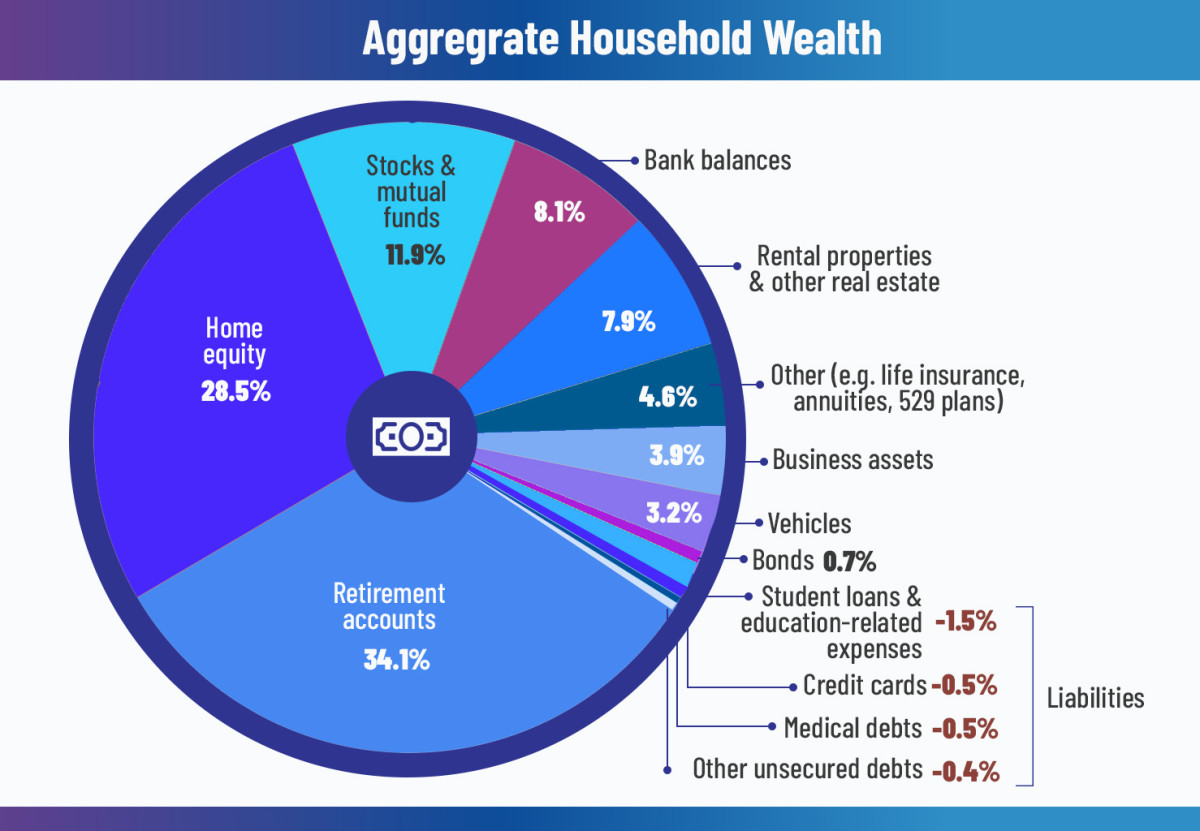
For many 37-year-olds, home equity represents the largest single component of their net worth. If you purchased a home in your late 20s or early 30s, you have likely benefited from several years of principal paydown and potential market appreciation. However, relying too heavily on home equity can be a "paper wealth" trap.
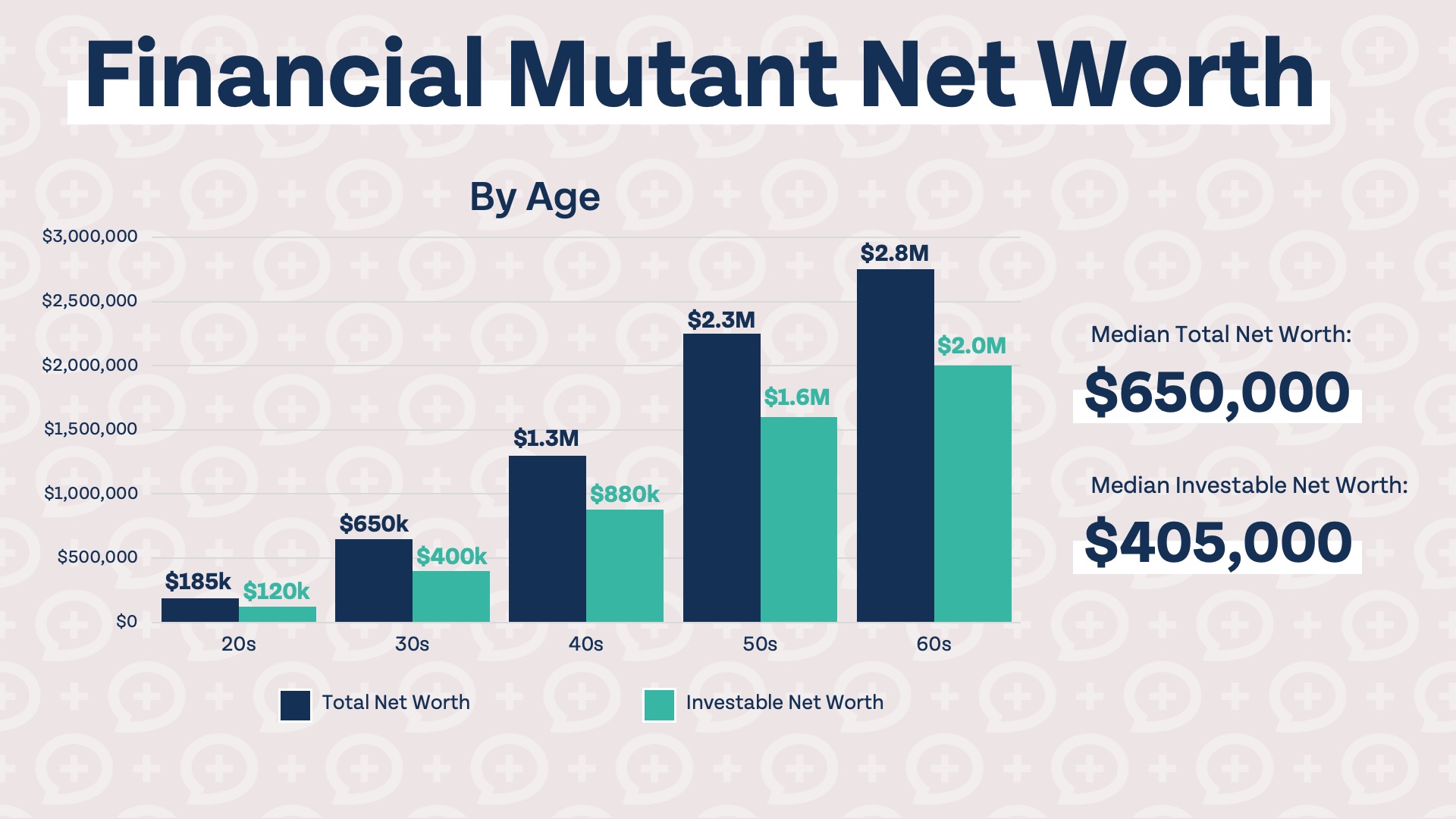
While home equity increases your net worth, it is an illiquid asset. You cannot easily spend your kitchen cabinets or your roof to pay for groceries in retirement. Therefore, financial planners often recommend tracking two numbers: your total net worth (including home equity) and your investable net worth (cash, stocks, and bonds). By age 37, your investable net worth should ideally be at least 1.5x your salary to ensure you are on track for a comfortable retirement.
Why Age 37 is a Critical Financial "Hinge"
Age 37 is often called a "hinge year" because decisions made now have an outsized impact on your 50s and 60s. You are roughly 15 years into your career and roughly 30 years away from standard retirement age.
The Power of the 30-Year Horizon
At 37, every dollar you invest still has three decades to compound before you reach age 67. Historically, the stock market has returned approximately 7-10% annually over long periods. Using the "Rule of 72," money invested at age 37 could double roughly three times before you retire. A $10,000 investment made today could potentially grow to $80,000 by the time you stop working, assuming an average 7% return. If you wait until age 47 to start, that same $10,000 might only grow to $40,000.
Peak Expenses and "The Squeeze"
Conversely, 37 is also the age where many individuals face the "sandwich generation" squeeze—simultaneously supporting young children and beginning to assist aging parents. If your net worth is lagging, it is often because of high fixed costs like childcare, which can surpass mortgage payments in many jurisdictions. Recognizing this as a temporary "high-expense phase" is crucial; the goal is to maintain your net worth momentum without taking on high-interest consumer debt.
Common Obstacles to Building Wealth by 37
If your net worth is lower than the benchmarks, it is essential to identify the root cause. For the current 37-year-old cohort in 2026, several systemic factors have influenced these numbers:
- Student Loan Tail-End: Many professionals are still finishing off grad school or professional degree loans in their late 30s. While this debt is a liability, the "human capital" (higher earning potential) it created is an asset that doesn't show up on a balance sheet.
- Delayed Home Ownership: With housing prices remaining high and inventory tight, many 37-year-olds are renting longer than previous generations. This delays the forced savings mechanism of a mortgage.
- The Comparison Trap: Social media often creates a skewed perception of "normal" wealth. At 37, the pressure to own a certain vehicle or vacation at a certain level can lead to "big hat, no cattle" syndrome—where one has high income but low net worth due to excessive spending.
Strategic Actions to Boost Your Net Worth
If you find yourself behind the target of 2.5x to 3x your salary, use the following strategies to bridge the gap. Net worth is a marathon, not a sprint, but your 30s are the time to increase your pace.
Optimize Your Asset Allocation
By 37, you should not be overly conservative with your investments. With 30 years until retirement, a portfolio heavily weighted toward equities (stocks) is generally appropriate to combat inflation and drive growth. Ensure you are not holding too much cash beyond a 6-month emergency fund, as "cash drag" can significantly lower your net worth over time.
Maximize Tax-Advantaged Accounts
Before investing in a standard brokerage account, ensure you are hitting the contribution limits for 401(k)s, 403(b)s, or IRAs. In 2026, these accounts remain the most efficient way to build net worth because they either reduce your current taxable income or allow for tax-free growth. If your employer offers a match, failing to contribute enough to get the full match is essentially turning down a 100% return on your investment.
Aggressive Debt Reduction
Not all debt is created equal. At 37, you should prioritize eliminating any debt with an interest rate above 7%. This typically includes credit card balances and some private student loans. While a 3% or 4% mortgage is "good debt" that allows you to leverage your capital elsewhere, high-interest consumer debt is a net worth killer that compounds against you.
Frequently Asked Questions
Does net worth include my car's value?
Technically, yes, a car is an asset. However, because vehicles are rapidly depreciating assets, most conservative financial planners exclude them from net worth calculations for retirement planning. If you do include it, use the current "Blue Book" resale value, not the price you paid, and ensure you subtract any remaining auto loan balance.
What if I have a negative net worth at 37?
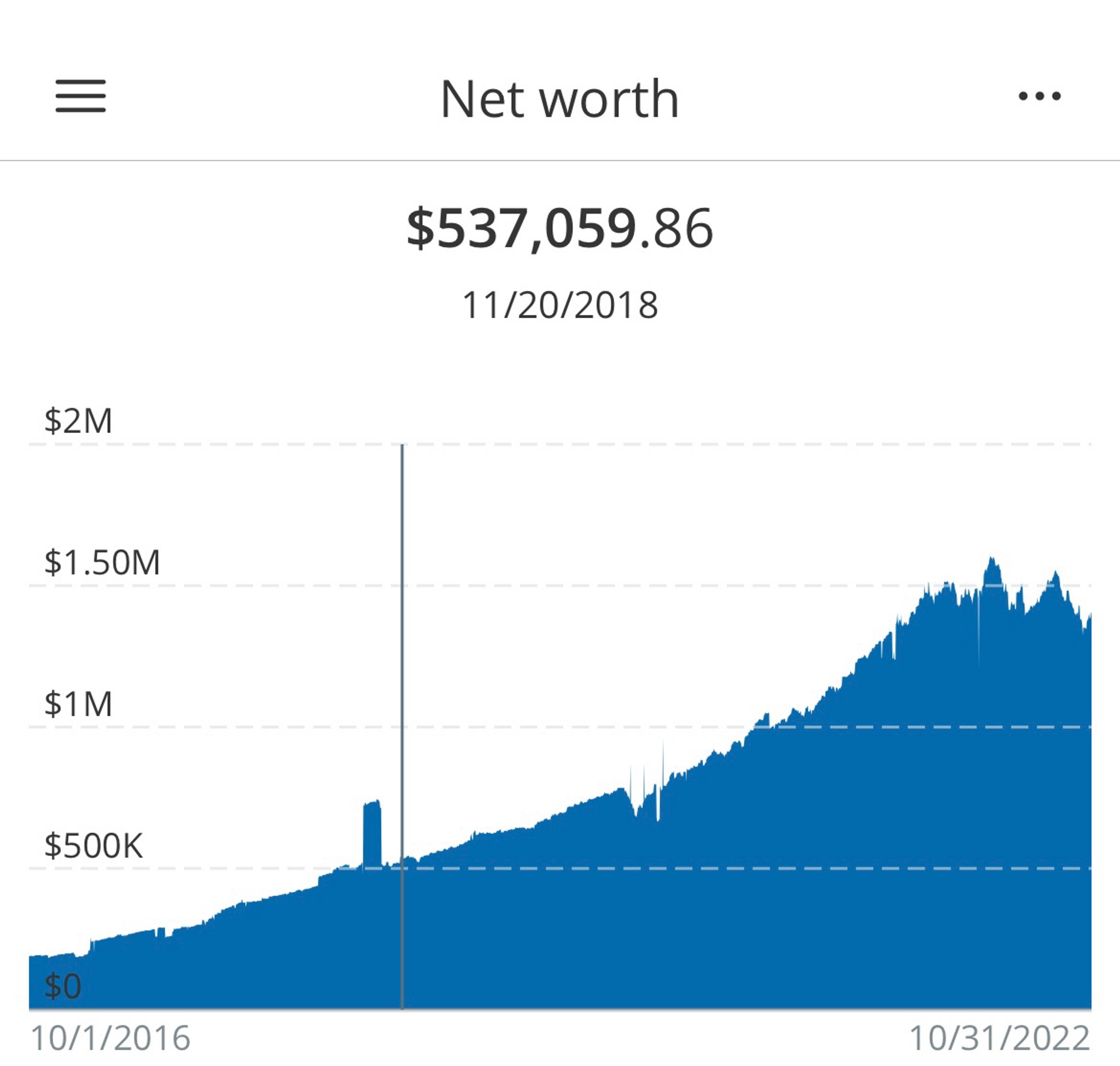
A negative net worth at 37 is usually the result of high student loan debt or a recent large purchase (like a home with a small down payment in a flat market). While concerning, it is not a permanent state. Focus on the "Net Worth Trend" rather than the static number. If your liabilities are decreasing and your assets are increasing every month, you are on the right path.
Is $100,000 a good net worth for a 37-year-old?
If you earn $40,000 a year, $100,000 is an excellent net worth (2.5x income). If you earn $200,000 a year, $100,000 suggests you may be overspending or started saving very late. Context is everything. In 2026, $100,000 is a solid "median" starting point for this age group, but high earners should aim higher to maintain their lifestyle in retirement.
Should I include my spouse’s assets in my net worth?
Most people calculate a "Household Net Worth." If you are married and share expenses, it makes sense to combine all assets and liabilities. This provides a clearer picture of your collective financial security and progress toward shared goals like buying a home or retiring.
How much cash should a 37-year-old have on hand?
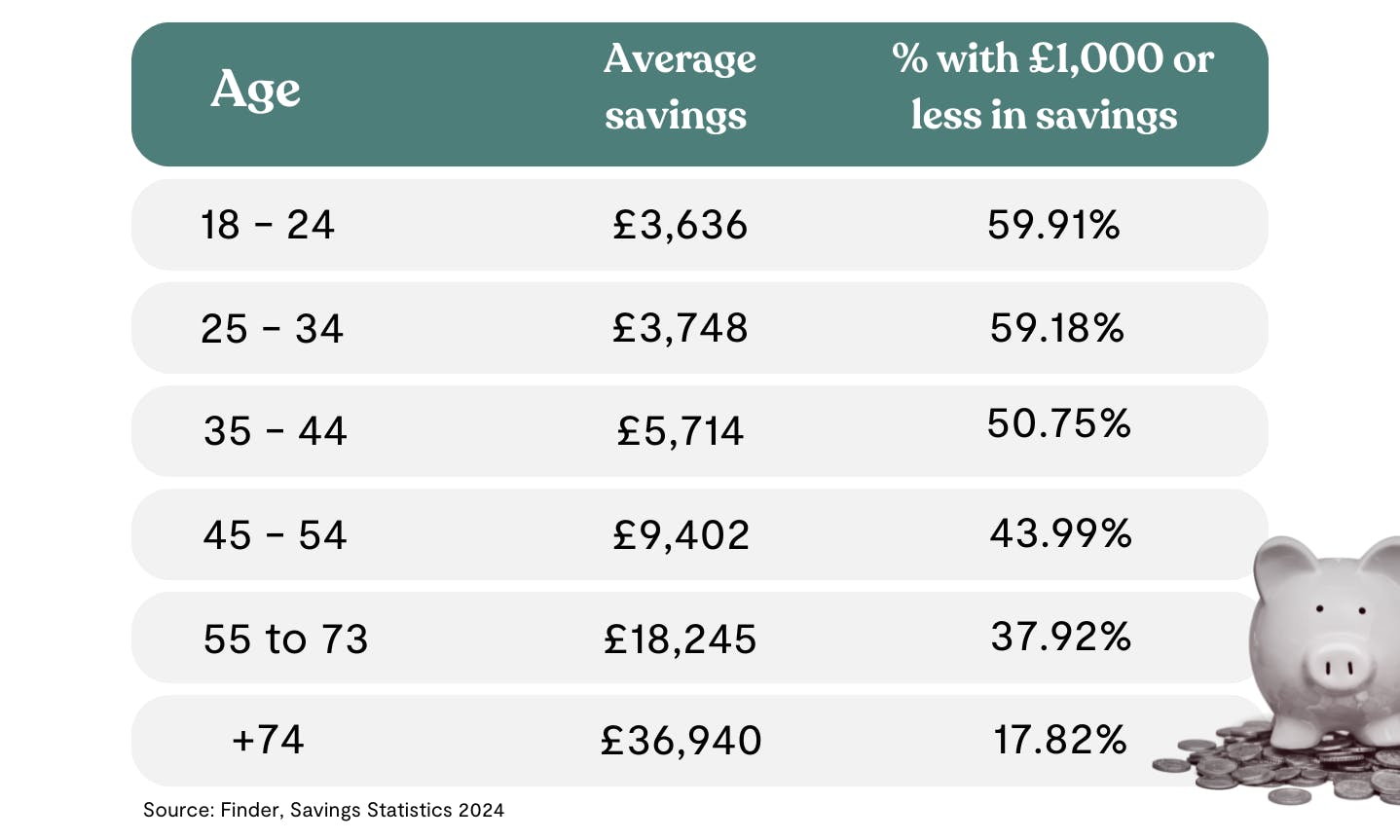
Your cash position is part of your net worth but should be limited to an emergency fund (3 to 6 months of living expenses) and any "sinking funds" for near-term purchases (like a new car or house repair). Having too much cash—such as $100,000 sitting in a standard savings account—can actually hurt your net worth growth because it may not keep pace with inflation.
Recommended Next Steps for Age 37
At 37, your primary goal is to ensure your "wealth-building machine" is fully operational. Start by performing a comprehensive audit of your accounts using a net worth tracking tool or a simple spreadsheet. List every asset and every debt to find your baseline.
Once you have your number, compare it to the 2.5x–3x salary benchmark. If you are ahead, consider "super-funding" your 529 college savings plans or an HSA (Health Savings Account) to further optimize your tax situation. If you are behind, look specifically at your "big three" expenses: housing, transportation, and food. Reducing costs in just one of these areas and redirecting that money into a low-cost S&P 500 index fund can dramatically shift your net worth trajectory before you hit 40.