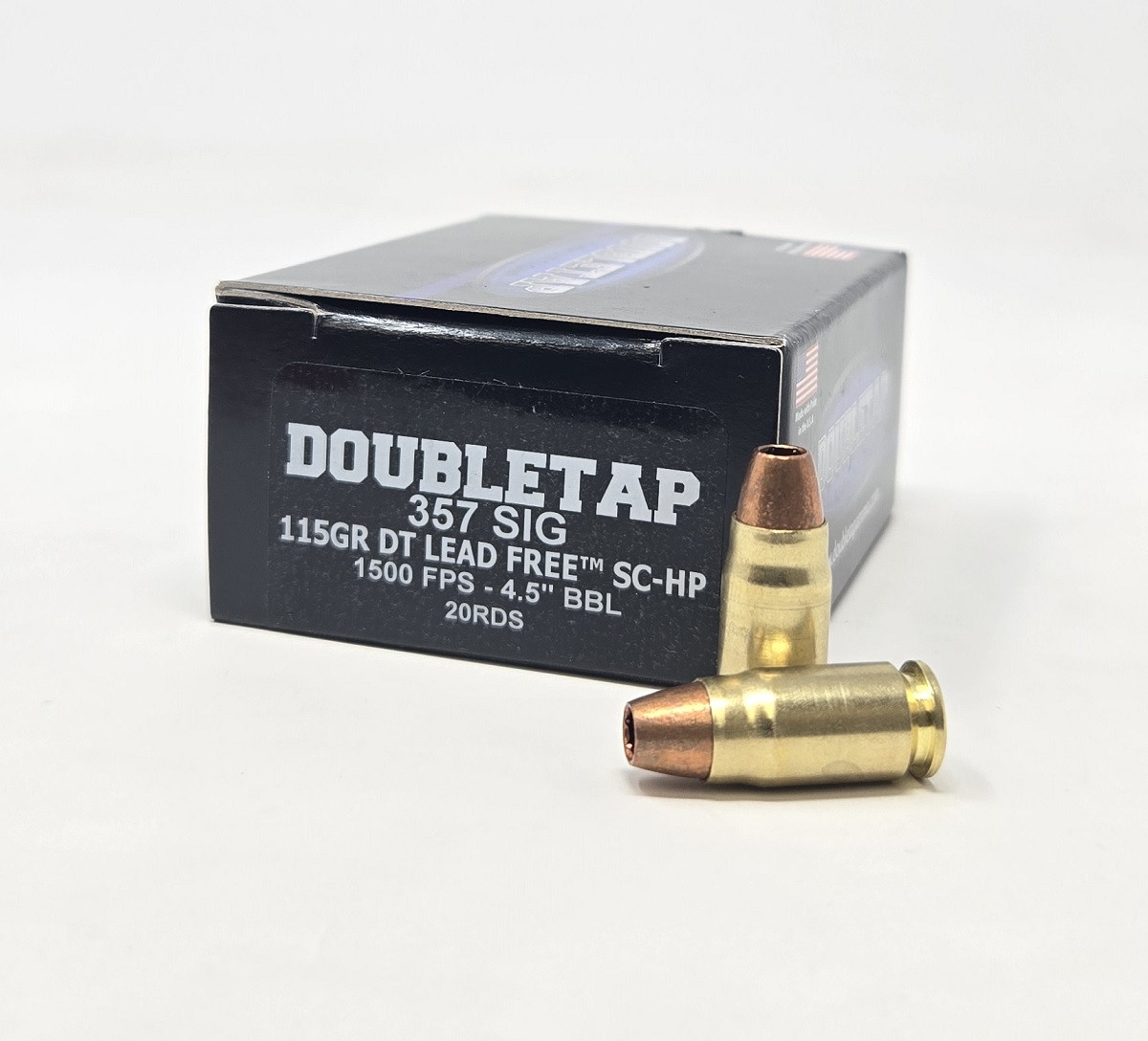
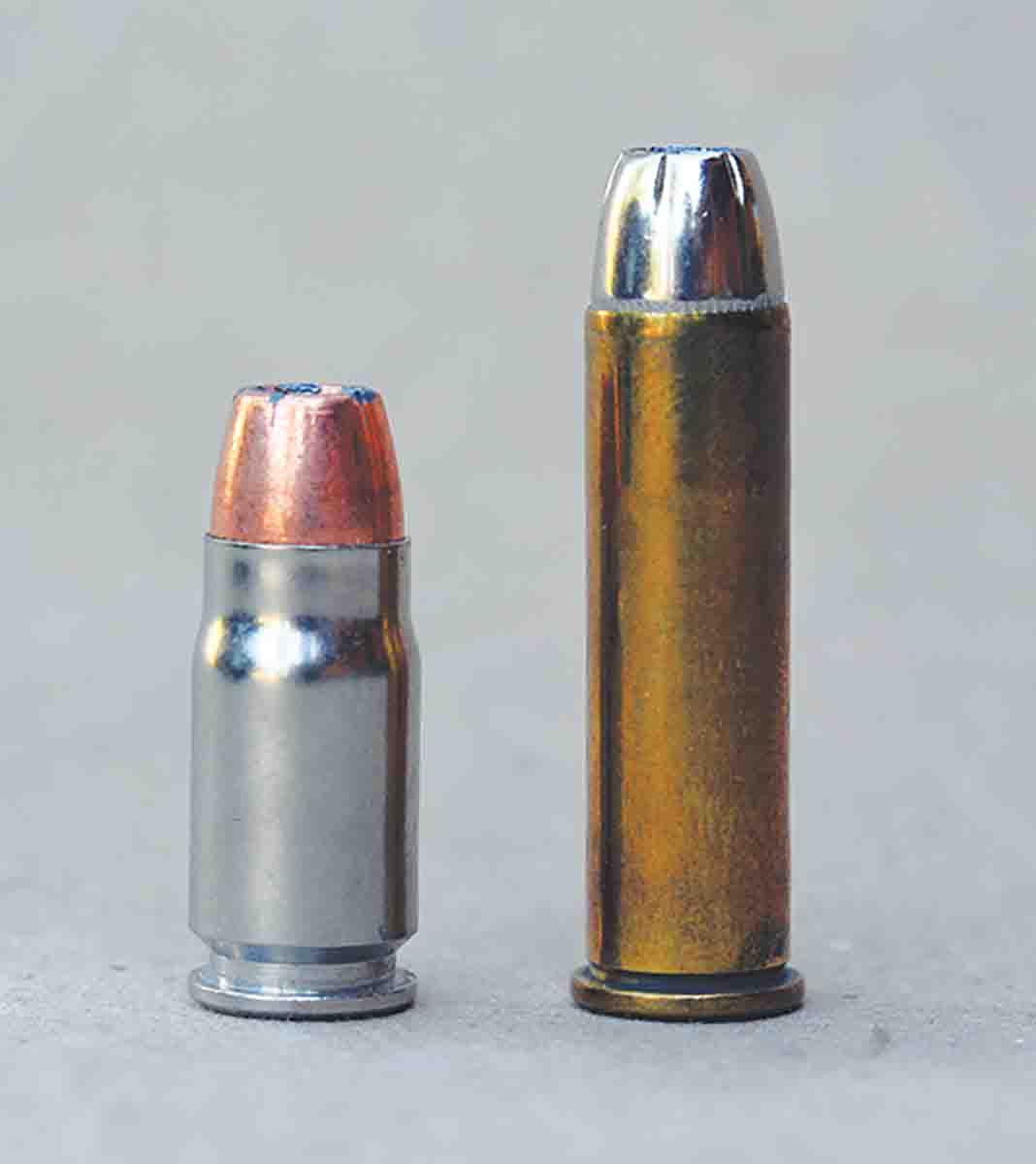
The .357 SIG is a high-velocity, bottle-necked handgun cartridge designed to replicate the terminal performance of a 125-grain .357 Magnum revolver load in a semi-automatic pistol. Developed in 1994, it offers exceptional barrier penetration and a flat trajectory, making it a specialized choice for law enforcement and dedicated self-defense shooters.
The Origin Story: Bridging the Revolver and Semi-Auto Gap
The genesis of the .357 SIG dates back to the early 1990s, a period when law enforcement agencies were transitioning en masse from revolvers to semi-automatic pistols. While the semi-autos offered higher capacity and faster reloads, many veterans lamented the loss of the "stopping power" associated with the .357 Magnum, specifically the 125-grain jacketed hollow point (JHP) load. This specific revolver load had earned a legendary reputation for its high kinetic energy and effective terminal ballistics in real-world shootings.
In 1994, the Swiss-German firearms manufacturer SIG Sauer partnered with Federal Cartridge to solve this problem. The objective was to create a cartridge that could fit into a standard semi-automatic frame—specifically the SIG P229—while achieving the 1,350 to 1,450 feet per second (fps) velocities of the .357 Magnum. By necking down a case to hold a .355-inch diameter bullet (the same diameter used in the 9mm Luger), they created a cartridge that functioned reliably in modern duty pistols.
The result was a cartridge that offered a significant boost in kinetic energy over the 9mm Luger and the .40 S&W of that era. Although it never achieved the universal ubiquity of the 9mm, it carved out a substantial niche among agencies that prioritized penetration and "stoppage" over raw capacity or low recoil.
Technical Mechanics: The Anatomy of a Bottle-Necked Pistol Round
The .357 SIG is unique among modern duty cartridges because of its bottle-necked shape. Most handgun rounds, like the .45 ACP or 9mm, are straight-walled or slightly tapered. The .357 SIG, however, resembles a miniature rifle cartridge. This design choice was not merely aesthetic; it provides several distinct mechanical advantages and challenges.
Feeding Reliability
The primary advantage of the bottle-necked design is feeding reliability. In a semi-automatic pistol, the most common point of failure is the "failure to feed," where the nose of the bullet strikes the edge of the chamber and jams. Because the .357 SIG’s bullet is narrower than the chamber opening (which is sized for a .40-caliber diameter), the round effectively "funnels" itself into the barrel. This makes it one of the most reliable-feeding cartridges ever designed for the semi-automatic platform.
Case Dimensions and Pressure
While many believe the .357 SIG is simply a .40 S&W case necked down, the reality is more complex. The .357 SIG case is slightly longer than the .40 S&W case to ensure there is enough "neck" to grip the bullet securely. This is vital because the cartridge operates at very high pressures—up to 40,000 psi according to SAAMI (Sporting Arms and Ammunition Manufacturers' Institute) standards. This pressure is significantly higher than the standard 9mm (35,000 psi) or .45 ACP (21,000 psi), requiring firearms chambered in .357 SIG to be built with robust slides and heavy-duty recoil springs.
Bullet Selection
Because the neck of the .357 SIG case is relatively short, bullet selection is critical. Standard 9mm bullets often have a round-nose profile that doesn't provide enough bearing surface for the .357 SIG's neck to grip. Consequently, most .357 SIG-specific bullets feature a "truncated cone" shape or a flatter nose profile to ensure they remain seated correctly under the heavy recoil and high pressures of firing.
Ballistic Profiles: .357 SIG vs. The Competition
To understand the value of the .357 SIG in 2026, one must compare its ballistic performance against the industry standards: the 9mm Luger, the .40 S&W, and the .10mm Auto. The .357 SIG occupies a middle ground that prioritizes velocity and energy over the high capacity of the 9mm.
Velocity and Energy
A typical .357 SIG load pushes a 125-grain bullet at approximately 1,350 to 1,450 fps. This generates roughly 500 to 580 foot-pounds of energy at the muzzle. For comparison, a standard 115-grain 9mm load usually travels at 1,150 fps with about 340 foot-pounds of energy. The extra velocity of the .357 SIG contributes to a flatter trajectory, meaning the bullet drops less over distance. While most handgun engagements occur within seven yards, the .357 SIG remains effective and accurate out to 50 yards and beyond, a range where the 9mm begins to drop significantly.
Barrier Penetration
One of the reasons the .357 SIG became a favorite of highway patrols (such as the Texas Department of Public Safety) was its ability to penetrate barriers. The high velocity and sectional density of the .357-caliber bullet allow it to punch through tempered glass, car doors, and heavy clothing with less deflection or fragmentation than the 9mm or .45 ACP. This "hard-hitting" nature was the primary selling point for law enforcement officers who might have to engage suspects in or around vehicles.
Firearm Compatibility and the "Conversion" Factor
One of the most appealing aspects of the .357 SIG for enthusiasts is its relationship with the .40 S&W. Because both cartridges share the same rim diameter and base dimensions, many pistols designed for .40 S&W can be converted to .357 SIG with a simple barrel swap.
Popular Platforms
- SIG Sauer P229 and P226: These are the flagship firearms for the caliber. The P229 was specifically engineered to handle the high pressures of the .357 SIG.
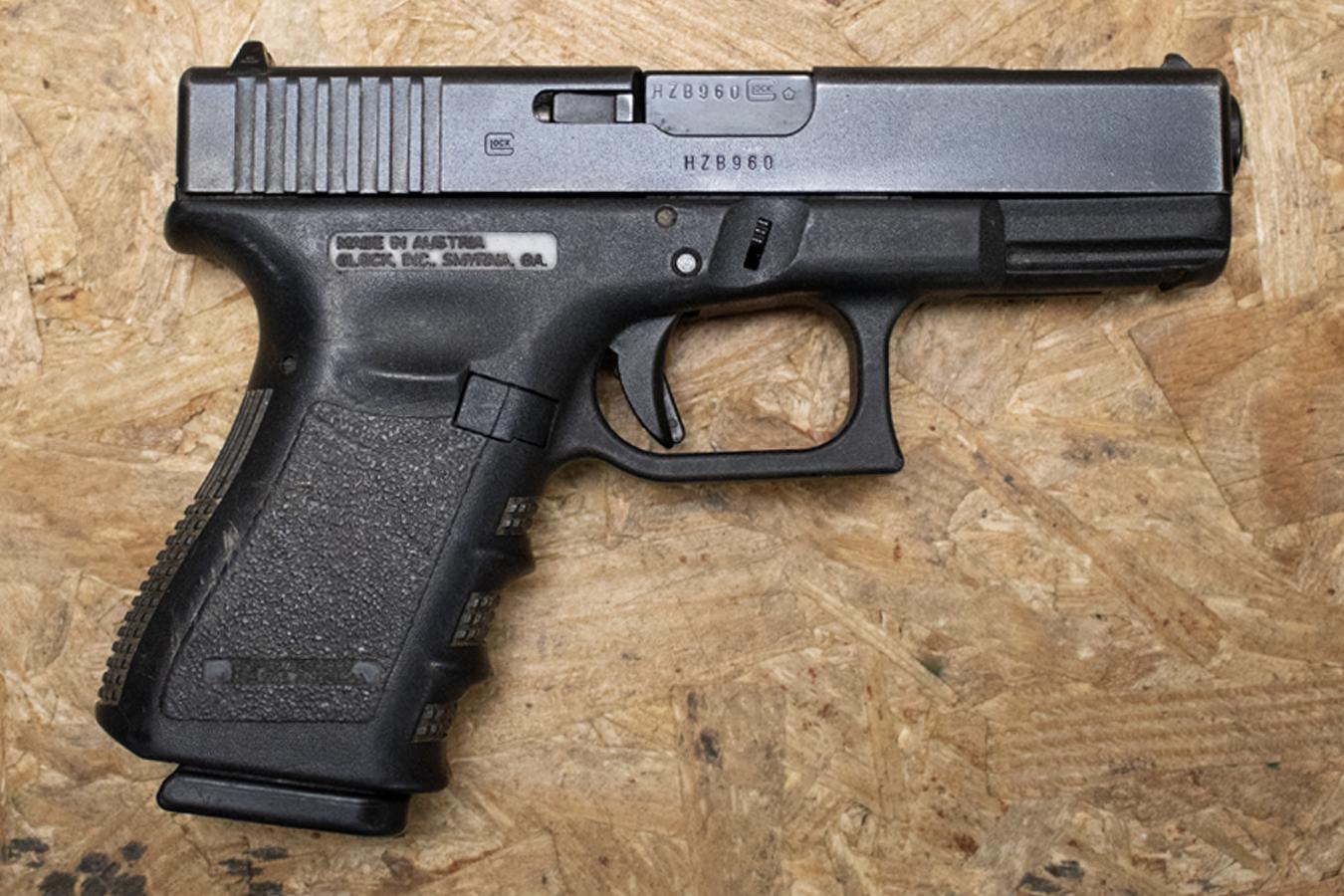
- Glock 31, 32, and 33: Glock’s "full-size," "compact," and "subcompact" offerings in .357 SIG have remained popular among those who prefer the polymer striker-fired platform.
- Smith & Wesson M&P: While less common in 2026, many older M&P40 models are still being converted by users seeking the .357 SIG's performance.
The conversion capability allows shooters to practice with more affordable .40 S&W ammunition (or 9mm with a conversion barrel and magazines) and carry .357 SIG for duty or self-defense. However, users must ensure their magazines are compatible; while most .40 S&W magazines will hold .357 SIG rounds, the different shoulder geometry can occasionally lead to minor feeding issues in specific magazine designs.
Operational Realities: Why Law Enforcement Specialized in .357 SIG
For two decades, the .357 SIG was the "secret handshake" of elite law enforcement. The United States Secret Service, the Federal Air Marshals, and the Texas Department of Public Safety (DPS) all famously issued .357 SIG sidearms.
The Air Marshals preferred it because the high-velocity round offered consistent expansion and "stopping power" in the confined, high-stakes environment of an aircraft. The Texas DPS valued it for its performance against vehicle structures during highway stops. For these agencies, the increased cost of ammunition and the "snappy" recoil were acceptable trade-offs for the cartridge's terminal effectiveness.
However, by the 2020s, a broad shift back to 9mm occurred across the industry. Improvements in bullet technology—specifically in the bonded hollow-point category—closed the gap between the 9mm and the .357 SIG in terms of terminal performance. When combined with the fact that 9mm allows for higher magazine capacity, lower recoil (facilitating faster follow-up shots), and significantly lower costs, most agencies transitioned away from the .357 SIG. As of 2026, it remains a specialized tool used by smaller departments or specific units that still value its unique barrier-blind characteristics.
Practical Challenges: Cost, Wear, and Maintenance in 2026
While the .357 SIG is a formidable round, it is not without its drawbacks. Potential users must weigh its ballistic advantages against the physical and financial costs of operation.
Ammunition Cost and Availability
In 2026, .357 SIG remains significantly more expensive than 9mm. Because it is a niche cartridge, manufacturers produce it in smaller batches. Shooters can expect to pay 50% to 100% more per box of practice ammunition compared to 9mm Luger. For high-volume shooters or those on a strict budget, this cost difference can be a major barrier to proficiency.
Recoil and Muzzle Blast
The .357 SIG is often described as "snappy." Unlike the "push" of a .45 ACP, the .357 SIG produces a sharp, fast recoil impulse accompanied by a substantial muzzle flash and a loud report. This can make the cartridge difficult for beginners to master. Even experienced shooters may find that their split times (the time between shots) are slightly slower than with a 9mm pistol due to the increased muzzle rise.
Accelerated Firearm Wear
The high operating pressure of 40,000 psi takes a toll on hardware. Firearms chambered in .357 SIG generally require more frequent maintenance than their 9mm counterparts. Recoil springs should be replaced more often to prevent the slide from battering the frame. Users should also inspect their barrel's locking lugs and the frame's rails for signs of premature wear if they shoot high volumes of full-power defensive loads.
.357 SIG Ballistic Comparison Table
The following data represents typical factory loads available in 2026 for comparison purposes.
| Cartridge | Bullet Weight (gr) | Muzzle Velocity (fps) | Muzzle Energy (ft-lbs) | Typical Capacity (Compact) |
|---|---|---|---|---|
| .357 SIG | 125 | 1,350 - 1,450 | 506 - 584 | 10 - 13 Rounds |
| 9mm Luger | 124 | 1,150 | 364 | 15 - 17 Rounds |
| 9mm Luger +P | 124 | 1,200 | 396 | 15 - 17 Rounds |
| .40 S&W | 180 | 1,050 | 441 | 10 - 13 Rounds |
| .357 Magnum | 125 | 1,450 | 584 | 6 Rounds (Revolver) |
| 10mm Auto | 180 | 1,200 | 575 | 10 - 15 Rounds |
Frequently Asked Questions
Is .357 SIG better than 9mm for self-defense?
"Better" depends on the criteria. The .357 SIG offers superior energy and barrier penetration. However, the 9mm provides higher magazine capacity and lower recoil, allowing for more hits on target in a shorter time. With modern defensive ammunition, the 9mm is effective for most civilian encounters, while the .357 SIG excels in specialized scenarios involving vehicles or barriers.
Can I fire 9mm ammunition through a .357 SIG barrel?
No. While the bullet diameters are nearly identical, the case shapes and pressures are completely different. Attempting to fire 9mm in a .357 SIG chamber is extremely dangerous. To shoot 9mm in a .357 SIG pistol, you must install a 9mm conversion barrel and use the appropriate 9mm magazines.
Why is .357 SIG ammunition so hard to find compared to other calibers?
It is a victim of market consolidation. Most shooters have moved to 9mm, leading retailers to stock less .357 SIG. While it is still widely available online and from major manufacturers like Speer, Hornady, and SIG Sauer, you are less likely to find a wide variety of it on the shelves of general sporting goods stores.
Does .357 SIG have more recoil than .40 S&W?
Most shooters find the .357 SIG recoil to be more "violent" but less "heavy" than the .40 S&W. The .40 S&W has a slower, torquey recoil, while the .357 SIG is a fast, sharp snap. Personal preference usually dictates which one a shooter finds more manageable.
Can I reload .357 SIG at home?
Yes, but it is considered an advanced cartridge for reloading. The bottle-necked case requires careful lubrication, and the short neck makes bullet seating and "neck tension" critical. If the bullet is not seated firmly, the recoil can push the bullet back into the case (bullet setback), leading to dangerous pressure spikes.
Recommendations for Potential Users
If you are considering the .357 SIG in 2026, your decision should be based on your specific needs rather than a desire for the "most powerful" round. For most shooters, the modern 9mm remains the most practical choice due to its balance of performance, capacity, and cost.
However, the .357 SIG remains an excellent choice for those who:
- Prioritize Barrier Penetration: If your self-defense plan involves a high likelihood of engaging around vehicles, the .357 SIG's performance against auto glass is nearly unparalleled in a standard handgun frame.
- Appreciate Mechanical Reliability: The bottle-necked design offers a level of feeding security that is theoretically superior to straight-walled cartridges.
- Are Already in the SIG or Glock Ecosystem: If you already own a .40 S&W Glock or P229, purchasing a .357 SIG barrel is an inexpensive way to add a high-performance caliber to your collection.
For those who choose this path, the recommendation is to invest in a high-quality firearm specifically built for the pressure—such as the SIG P226/P229 or a Glock 31—and to commit to regular training to master the snappier recoil profile.