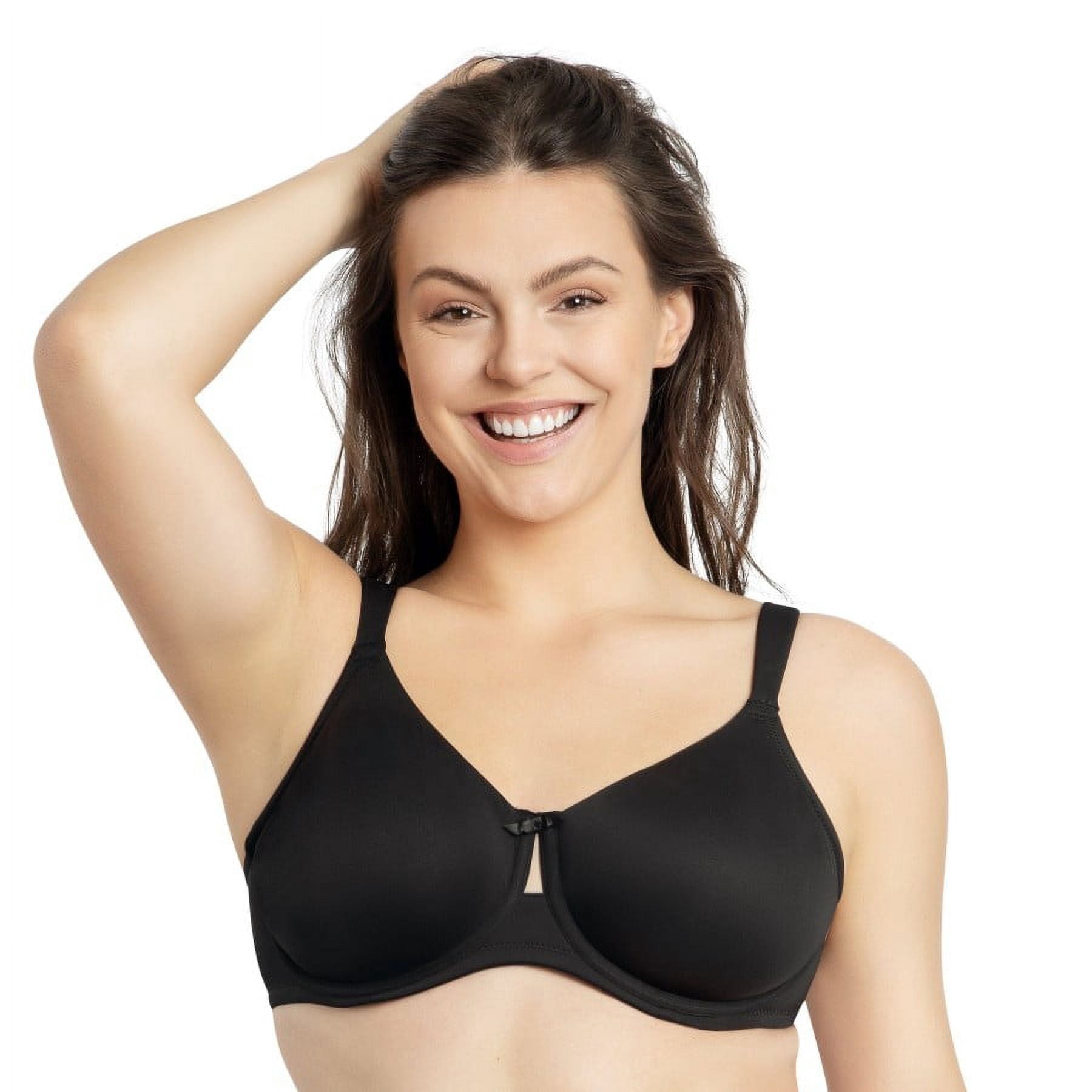
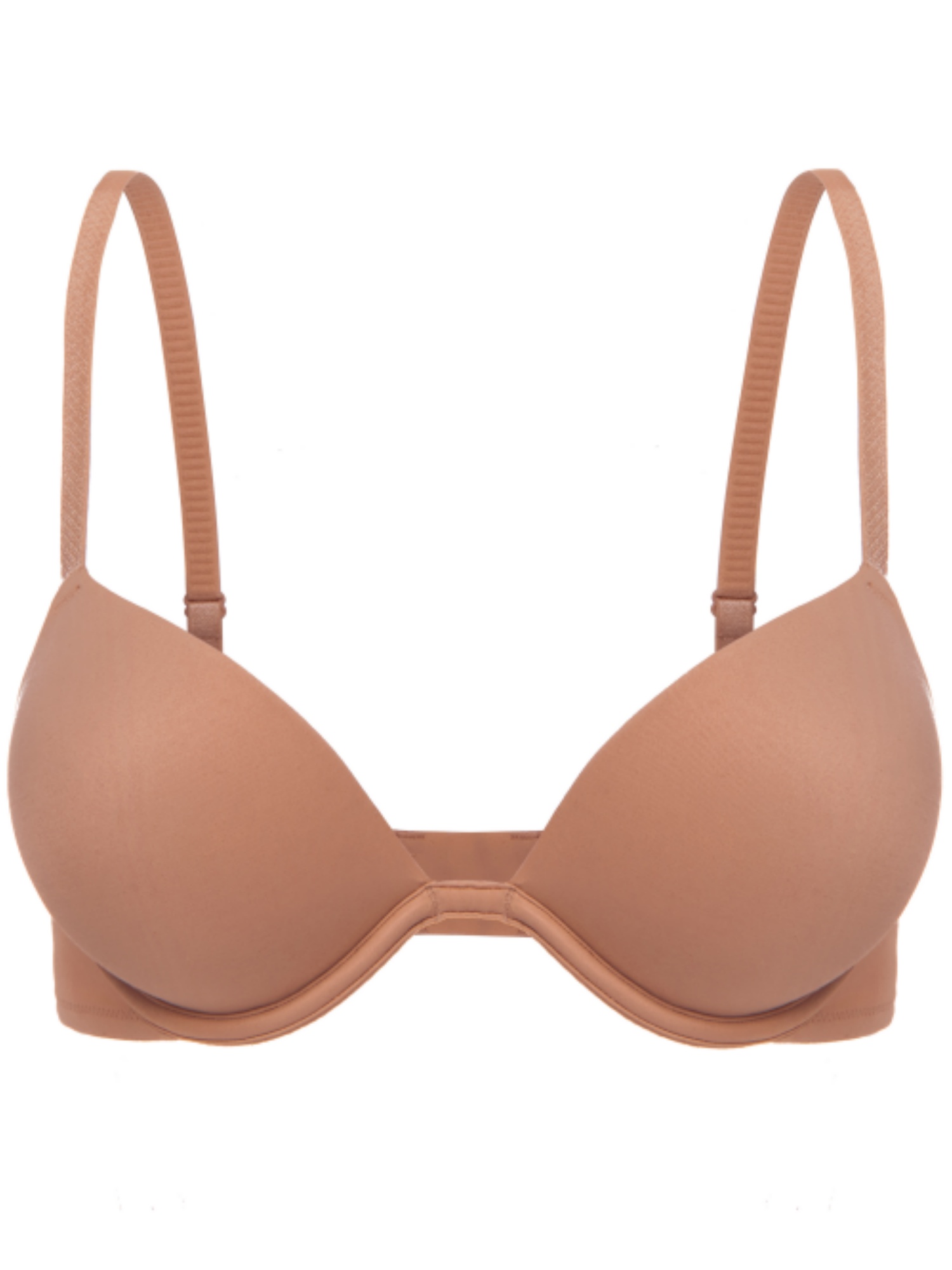
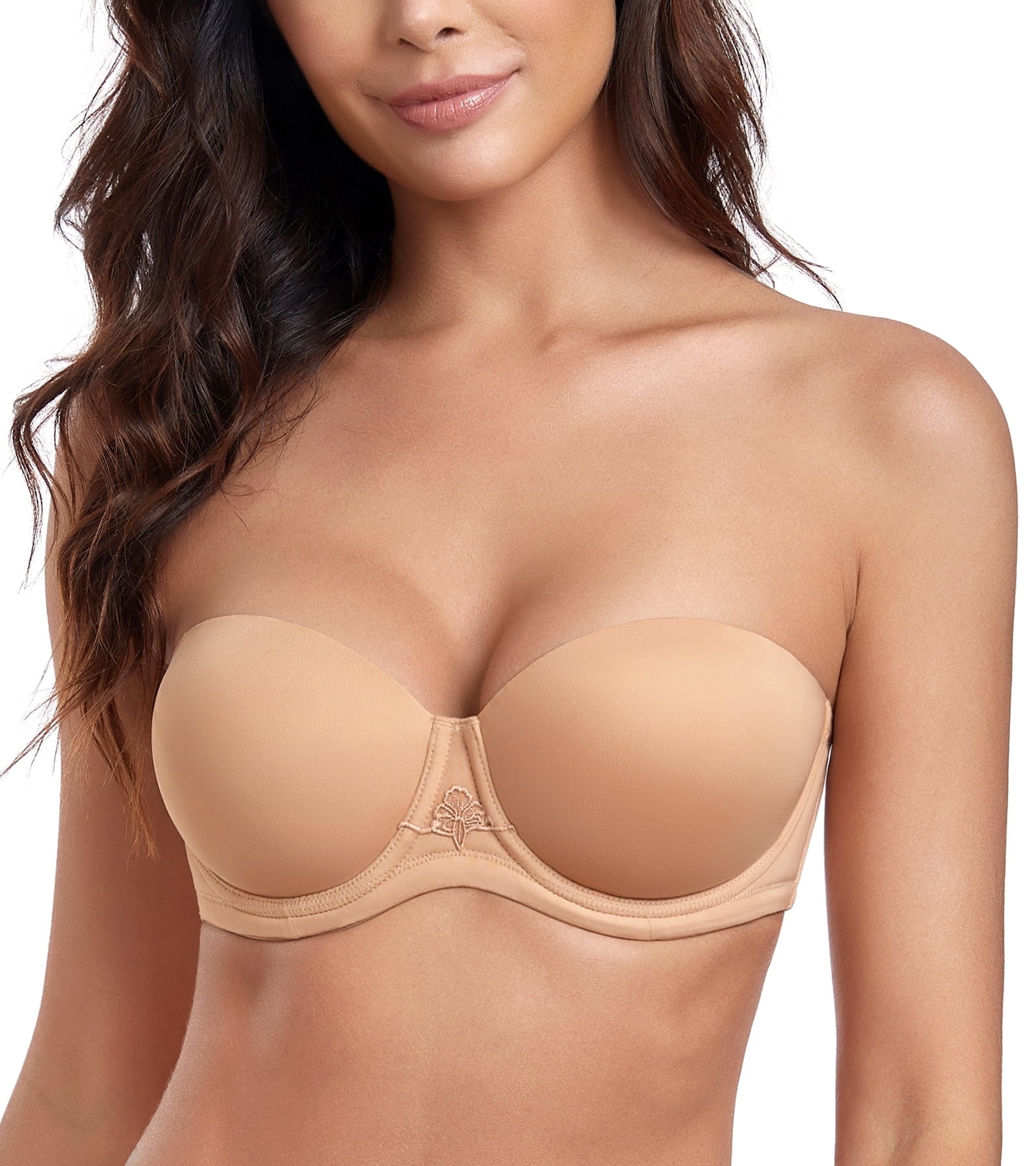
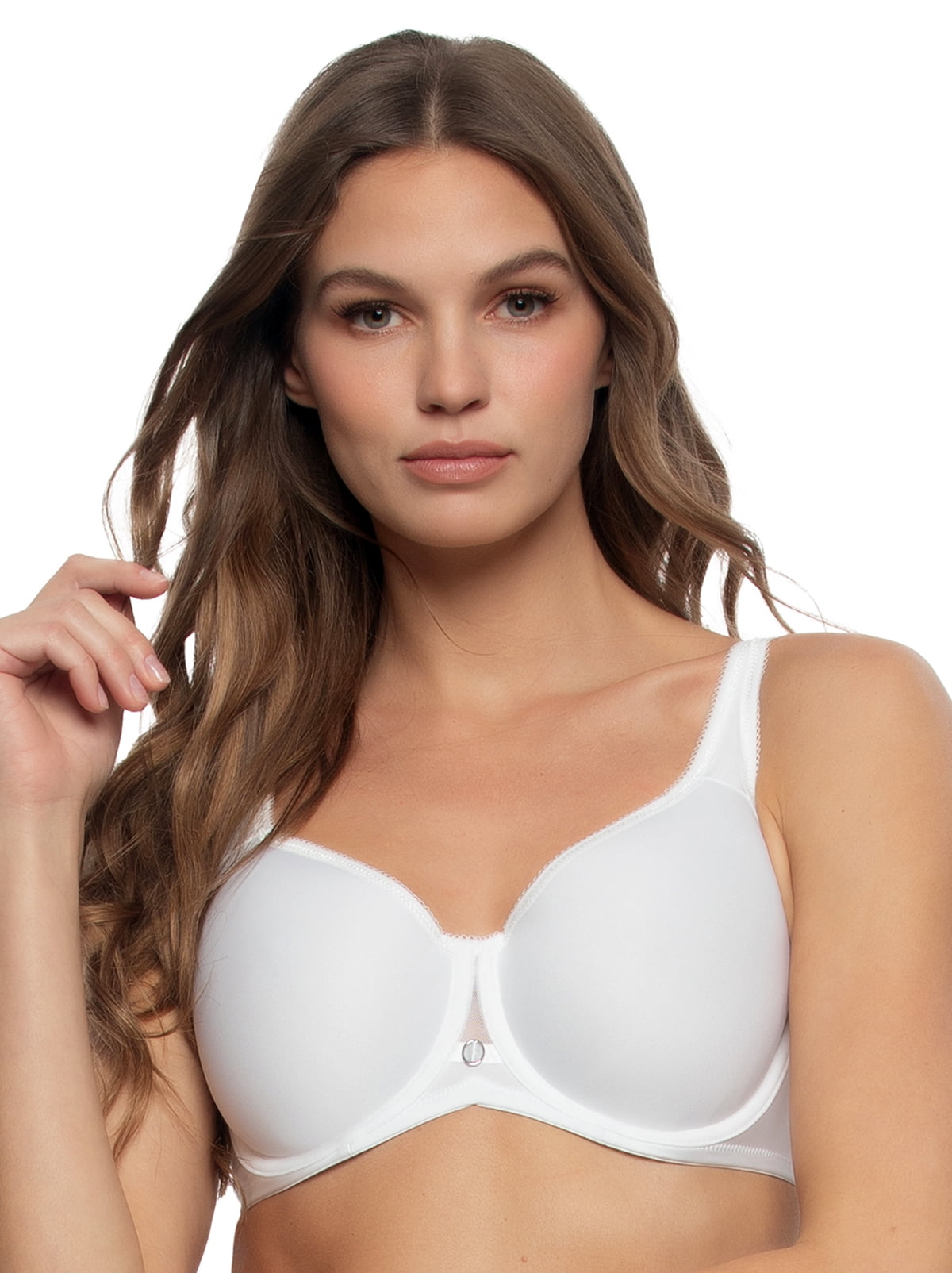
A 32DDD bra indicates a band size of 32 inches—the measurement around the ribcage—paired with a cup size that represents a six-inch difference between the ribcage and the fullest part of the bust. This size is classified as a "full bust" fit, often requiring specific structural features like reinforced straps, wider bands, and specialized underwire support to ensure comfort and proper weight distribution.
The Anatomy of a 32DDD Measurement
Understanding your size begins with the distinction between the band and the cup. A 32DDD size is a combination of two distinct measurements. The number 32 represents your band size, which should ideally sit snugly against your ribcage, just below your breasts. Because bra bands are typically made of elastic materials, a 32-inch measurement should be firm but not restrictive, allowing for expansion when you breathe.
The "DDD" designation refers to the cup volume. In the standard sizing systems used by many North American manufacturers, the cup letters correlate to the difference between your ribcage measurement and your full bust measurement. A DDD cup—often equivalent to an E cup in European sizing—indicates a six-inch difference between these two points. If your measurements have changed due to weight fluctuation, hormonal cycles, or post-pregnancy changes, it is standard practice to re-measure at least once a year to ensure your current 32DDD bras are still providing the intended support.
Identifying the Proper Fit
A common mistake when wearing a 32DDD is assuming that discomfort is a necessary trade-off for a larger cup size. When a bra is fitted correctly, the center gore—the piece of fabric between the cups—should lie flat against your sternum. If it lifts away from your body, the cups are likely too small, forcing the tissue to push the bra forward.
Conversely, the band should remain parallel to the floor across your back. If the band rides up toward your shoulder blades, it is too loose, and the straps are likely compensating by bearing the weight of the breasts, which leads to shoulder grooving and back pain. For 32DDD wearers, the band is the primary anchor of the bra; it should provide roughly 80% of the support. If you find yourself constantly tightening the straps to get a lift, the band is likely too large, and you may need to consider a smaller band size with a larger cup volume (such as a 30G) to regain proper tension.
Technical Specifications for Full-Bust Support
When shopping for 32DDD bras, the construction of the garment is as important as the numeric size. Because 32DDD is a significant size relative to the band circumference, the engineering of the bra must account for higher weight-bearing requirements.
- Cup Construction: Look for multi-part cups (three or four-part seams). These provide superior shaping and lift compared to molded or "t-shirt" bras, which can sometimes collapse or flatten the breast tissue.
- Strap Width: At a 32DDD, narrow straps are rarely sufficient. High-quality bras in this size utilize wider, cushioned straps that distribute pressure over a larger surface area of the shoulder.
- Side Panels: Reinforced side panels (often called side support or side slings) prevent tissue migration toward the armpits and provide a more streamlined silhouette.
- Underwire Geometry: The wire should fully encapsulate the breast tissue, sitting firmly in the inframammary fold (the crease under the breast) without digging into the breast tissue itself or resting on the ribcage below the crease.
Comparison of Bra Styles for 32DDD
Selecting the right style depends heavily on your lifestyle and the desired aesthetic. The table below outlines common styles and their suitability for the 32DDD size.
| Bra Style | Support Level | Best For | Technical Characteristic |
|---|---|---|---|
| Full Coverage | High | Everyday wear | High center gore; covers majority of tissue |
| Balconette | Medium/High | Low necklines | Wider set straps; horizontal cup line |
| Plunge | Medium | V-neck garments | Lower center gore; angled cup wire |
| Unlined/Seamed | High | Projection/Shape | Fabric seams provide structural integrity |
| T-Shirt/Molded | Medium | Seamless look | Foam padding provides consistent shape |
Addressing Common Troubleshooting Issues
If you are wearing a 32DDD but experience specific issues, you can often narrow down the problem through simple adjustments. "Quad-boobing," where breast tissue spills over the top of the cup, is a clear indicator that the cup volume is too small. Before sizing up in the cup, ensure you are "scooping and swooping"—manually moving your breast tissue from under your armpit and into the cup—to ensure you are correctly filling the volume.
Another issue is the underwire poking into the armpit. This often occurs when the wires are too wide for your ribcage or the cup shape is too shallow. If the wire sits on your breast tissue rather than behind it, you may need a "projected" bra shape, which is specifically designed to accommodate breasts that sit further away from the chest wall.
The Role of Fabric and Material Science
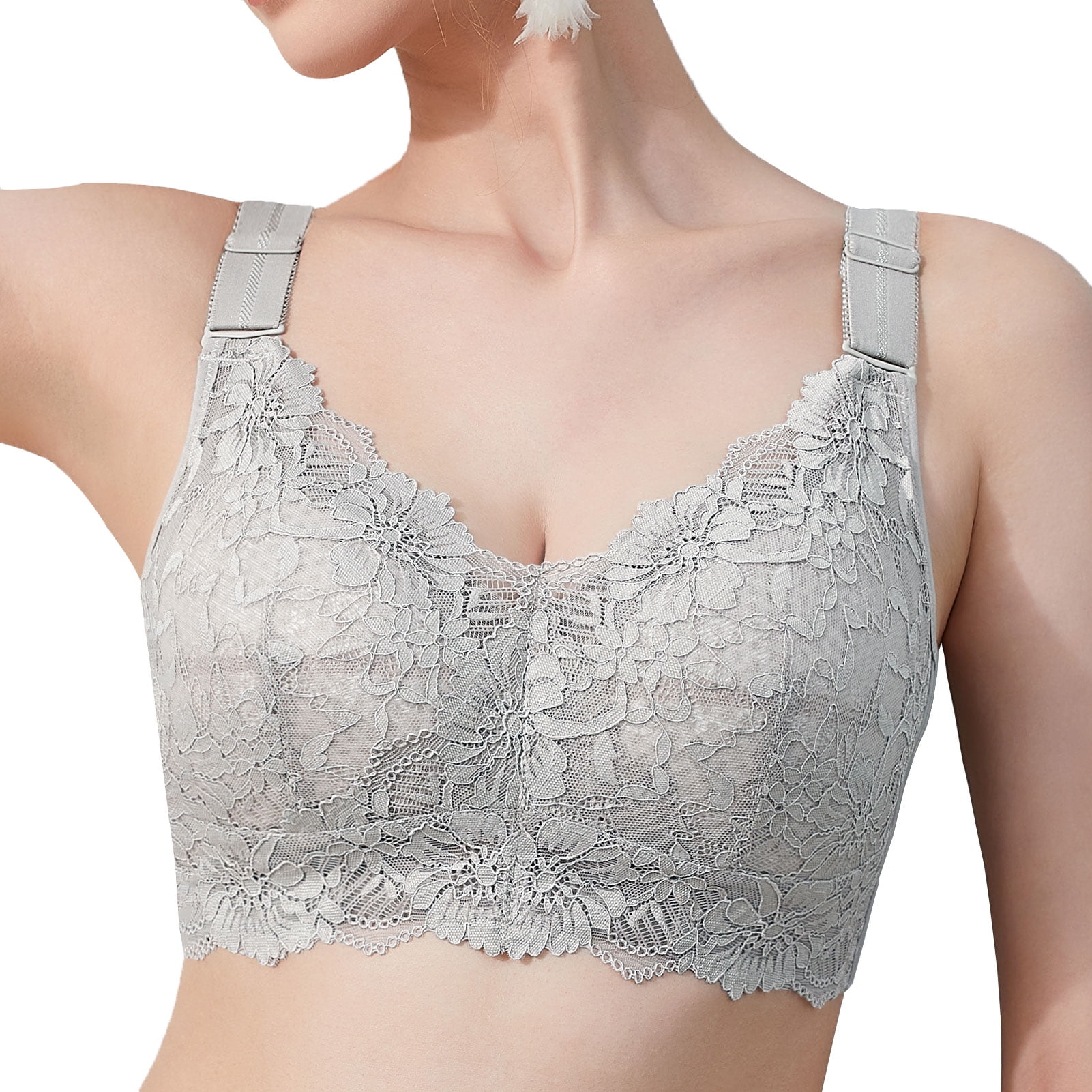
Modern lingerie for 32DDD sizes often incorporates power mesh, elastane, and microfiber blends. Power mesh is essential in the band of a 32DDD bra; it provides the structural resistance needed to stay in place without losing elasticity after a few washes. Avoid bras that rely entirely on decorative lace for support, as lace lacks the tensile strength required to hold the weight of a DDD cup. When assessing the quality of a bra, stretch the band between your hands; if it snaps back instantly and retains its shape, it is likely to provide better longevity.
Frequently Asked Questions
Is 32DDD the same size as 32E?
In many UK and European sizing systems, 32DDD is equivalent to a 32E. However, brands vary in their regional labeling. Always check the brand's specific size chart, as some manufacturers use unique scaling methods that can shift cup volume designations slightly between countries.
How should a 32DDD bra band feel when new?
A new 32DDD bra should be fastened on the loosest hook. This allows you to tighten the band to the middle or innermost hooks as the elastic inevitably stretches out over the first six to twelve months of wear, extending the functional life of the garment.
Can I wear a sports bra in 32DDD?
Yes, but specialized support is required. For high-impact activities, look for "encapsulation" sports bras rather than "compression" styles. Encapsulation bras treat breasts like individual units with dedicated cups, whereas compression bras simply press them against the chest, which is often uncomfortable for a 32DDD fit.
Why does my bra gore not lie flat against my sternum?
This is typically caused by a cup that is too small. When the cup lacks enough room to hold the breast, the breast pushes the cup away from the body, causing the center gore to float. Moving to a larger cup size often resolves this issue immediately.
Should I hand wash my 32DDD bras?
Hand washing is highly recommended to preserve the integrity of the elastic and the shape of the cups. If you must use a machine, always place the bras in a mesh laundry bag and use a cold, delicate cycle. Never place them in a clothes dryer, as the heat degrades the spandex and damages the underwire coating.
Next Steps for Proper Fitting
If you have persistent fit issues, the most reliable next step is to consult a professional bra fitter at a reputable boutique. A professional can identify the specific shape of your breasts—whether they are full on top, full on bottom, or projected—and recommend brands that cater to those specific geometries. If you prefer to shop independently, order multiple sizes in the same style—such as 32DD, 32DDD, and 32G—to perform a direct comparison of how the wire, gore, and band interact with your body.