A 30R bra size represents a 30-inch underbust measurement combined with an "R" cup, which indicates a roughly 18-inch difference between the underbust and the fullest part of the bust. This rare size requires specialized full-bust engineering, focusing on a firm 30-band to provide 80% of the support, as standard retail brands typically do not carry this specific cup volume.
Understanding the 30R size requires a shift away from "matrix sizing"—the limited range of 32A to 40DD found in most department stores. For individuals measuring as a 30R, the journey is often one of moving from ill-fitting, large-band bras (like a 36H or 38G) to a much tighter band and a significantly larger cup. In 2026, the availability of specialized manufacturing and custom-order lingerie has made this size more accessible, though it still falls within a niche category of high-projection, small-frame silhouettes.
The Technical Reality of the 30R Bra Size
To comprehend a 30R, one must understand how bra sizing scales work across different regions. Most technical discussions regarding this size occur within the context of US sizing or custom European grading. In the US sizing system, the letter "R" is the 18th cup size (excluding "AA"). This means the bust measurement is approximately 48 inches, while the underbust is 30 inches.
This creates a unique anatomical profile: a relatively narrow ribcage with significant breast volume and projection. Because the weight of the breast tissue is substantial relative to the frame, the technical requirements for a bra in this size are extreme. The band must be exceptionally stable to prevent the weight from pulling the straps into the shoulders, which can lead to chronic neck pain and poor posture.
The Math Behind the Fit
Bra sizing is fundamentally a ratio. For a 30R:
- Underbust: 29–31 inches (Snug measurement).
- Bust (Standing/Leaning): ~48 inches.
- Total Difference: 18 inches.
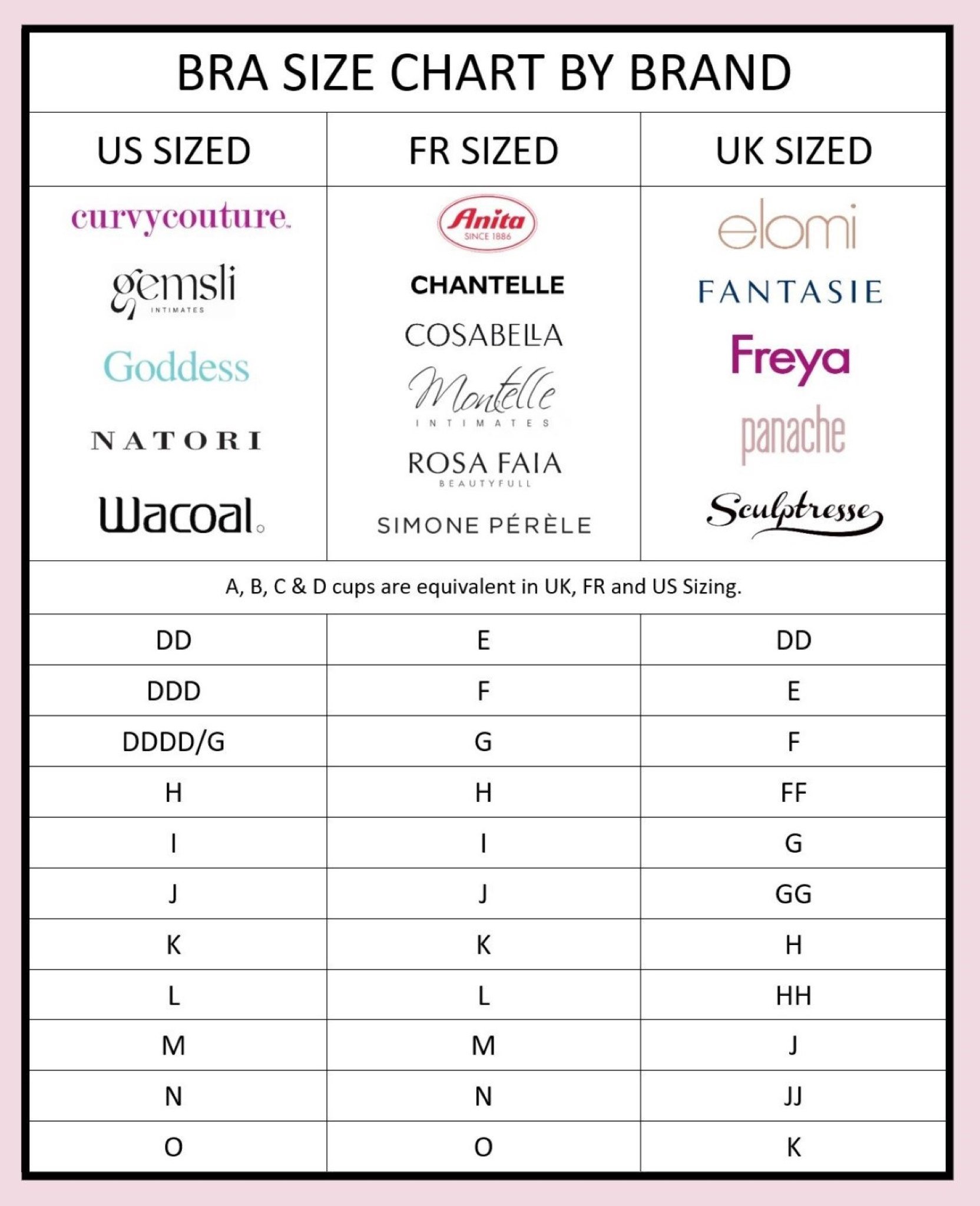
In the UK sizing system, which is often considered the gold standard for full-bust engineering, an "R" cup does not technically exist in standard ready-to-wear lines (which usually stop at K or L). A 30R in US terms would roughly translate to a UK 30NN or 30P. Identifying this translation is critical because many of the brands capable of supporting this volume use UK or Polish sizing conventions.
Measuring for 30R: Precision is Key
When dealing with a high-volume cup like an R, standard "add four inches" measuring methods fail completely. Those methods would likely suggest a 34-band for a 30-inch underbust, which would offer zero support and cause the cups to tilt forward. To verify if you are truly a 30R, you must use the "six-measurement" method, which accounts for tissue density and projection.
- Loose Underbust: Measured where the band sits, comfortably loose.
- Snug Underbust: Measured with the tape pulled tight enough to feel the ribs.
- Tight Underbust: Measured as tight as the tape will go (the "break the tape" measurement).
- Standing Bust: Measured around the fullest part of the chest.
- Leaning Bust: Measured while bent 90 degrees at the waist. This captures the full volume of projected tissue.
- Lying Bust: Measured while lying on your back.
For a 30R, the leaning bust measurement is often significantly larger than the standing measurement. This indicates a "projected" shape rather than a "shallow" one. If your leaning measurement confirms an 18-inch difference from your snug underbust, the 30R is your technical starting point.
Essential Construction Features for 30R Bras
A 30R bra cannot be constructed like a 30D. The physics of weight distribution require specific "heavy-duty" features that maintain aesthetics while providing medical-grade support.
The Power Mesh Band
The band must be made of high-denier power mesh. Because a 30-band is small, it has less surface area to grip the body. To compensate for the 18-inch cup projection, the band usually features four or even five rows of hook-and-eye closures. This prevents the band from flipping or riding up under the weight of the bust.
Reinforced Side Slings and Seaming
Molded, seamless bras (t-shirt bras) are almost non-existent in a 30R because molded foam cannot provide the structural integrity needed for this volume. Instead, "cut-and-sew" bras with three or four-part cups are the standard. These include:
- Side Slings: Extra fabric on the side of the cup to push breast tissue forward and prevent "east-west" splaying.
- Transversal Seams: Horizontal seams that provide lift from the bottom.
- Laminated Bottom Cups: Double-layered fabric on the lower half of the cup to prevent sagging.
Wire Width and Gore Height
In a 30R, the underwires must be strong enough to resist "springing" (widening out) under tension. The center gore—the piece between the cups—should ideally be high (a "full cup" style) to ensure all tissue is encapsulated and to prevent "quad-boobing" or spilling over the center.
| Feature | Requirement for 30R | Purpose |
|---|---|---|
| Band Width | 3-5 Hooks | Distributes pressure and ensures stability. |
| Straps | Fully Adjustable / Padded | Prevents shoulder "dig-in" from heavy tissue. |
| Cup Seaming | 3 or 4-Part Construction | Essential for shaping and projection. |
| Underwire | High-Gauge Steel | Maintains cup shape against heavy volume. |
| Fabric | Non-Stretch (Lower Cup) | Prevents the cup from stretching out over time. |
Where to Buy 30R Bras in 2026
Finding a 30R is a challenge, as it is not a "stock" size for brands like Panache or Freya. However, the market has expanded.
Custom and Bespoke Makers
Brands such as Elizabeth Valentine (Canada) are among the few that explicitly list US "R" cups in their size range. They offer technical construction specifically for these extreme proportions. Additionally, Polish brands like Ewa Michalak are famous for their "FB" (Full Bust) line. While they may not list an "R" on the dropdown menu, they frequently accept custom orders for these dimensions, using a 65 (European) band.
Specialized Full-Bust Boutiques
Online retailers like Levana Bratique or Revelation Boutique often specialize in "omega" shapes (narrow roots with large volume). In 2026, many of these boutiques offer virtual fittings via high-definition video to ensure the wire width of a 30R fits the wearer's actual root of the breast tissue.
Styling Tips for a 30R Silhouette
Styling a 30R involves managing the visual volume while honoring the small frame. Because the bust is significantly wider than the ribcage, clothing often fits the chest but hangs like a tent around the waist.
Tailoring and Silhouettes
- The Wrap Dress: This is the gold standard for 30R shapes. It allows for a custom fit at the waist while providing the necessary room in the bust.
- Sweetheart and Square Necklines: These necklines break up the "shelf" effect that high-neck tops can create on large busts. They provide a vertical line that elongates the neck.
- Bespoke Tailoring: For professional wear, buying shirts to fit the bust and having a tailor add "waist darts" is essential. In 2026, many digital tailoring services allow you to upload photos for automated pattern adjustments.
Strategic Layering
Avoid bulky knits or high-collared heavy sweaters, which can make a 30R look "top-heavy." Instead, opt for lightweight, breathable fabrics with a structured blazer or jacket left unbuttoned. This creates two vertical lines down the torso, which visually narrows the silhouette.
The Role of Confidence and Postural Health
Living with a 30R bust size is as much about physical health as it is about fashion. The weight of an R-cup bust can put significant strain on the thoracic spine.
Posture and Strengthening
Physical therapists often recommend "scapular retraction" exercises for individuals in this size range. Strengthening the muscles between the shoulder blades helps the body counteract the forward pull of the breast weight. A well-fitted 30R bra acts as a foundation, but muscle tone provides the long-term solution for comfort.
Embracing the Body
Confidence comes from the realization that "size" is just a number used for manufacturing. Many people feel a sense of "sticker shock" when they first see the letter R, but a 30R that fits perfectly will always look smaller and more proportionate than a 36H that is sagging and spilling. Proper fit eliminates the constant need to readjust, allowing for a more confident, focused presence in daily life.
Frequently Asked Questions
Is a 30R the same as a 40DD?
No. While they may share some volume characteristics in a very broad sense, they are fundamentally different. A 30R is designed for a person with a 30-inch ribcage, whereas a 40DD is designed for a 40-inch ribcage. Putting a 30R individual in a 40DD would result in the bra sliding up over the breasts, as the band is 10 inches too large.
Why can't I find 30R in local malls?
Standard retail relies on high-volume, low-variability inventory. The 30R size represents a very small percentage of the population, and the construction costs for such a large cup on a small band are significantly higher. Most mall brands stop at a DDD or G cup.
How often should I replace a 30R bra?
Due to the heavy weight placed on the elastic and wires, a 30R bra typically has a shorter lifespan than smaller sizes. If worn regularly, the band may lose its tension in 6 to 9 months. It is vital to rotate between at least three bras to allow the elastic fibers to recover between wears.
Can I use "boob tape" for a 30R size?
While some heavy-duty tapes exist in 2026, they are rarely sufficient for a 30R for extended periods. The sheer volume of an R-cup requires the structural "basket" of an underwire and a firm band to prevent skin strain and ensure a lifted shape.
Does 30R vary between brands?
Yes. Sizing is not universally regulated. A 30R in one brand might be a 30Q in another or a 65NN in a Polish brand. Always check the brand’s specific size chart and look for "depth" measurements if available.
Moving Forward with Your Fit Journey
If you have identified as a 30R, your next step is to move away from generic retailers and toward full-bust specialists. Start by ordering one or two styles from a brand known for custom or extended sizing. Focus first on the "fit of the band"—it should be parallel to the floor and firm. Once the band is secure, evaluate the cup volume. Do not settle for "close enough." With the manufacturing technology available in 2026, every person deserves a bra that provides both the engineering required for their health and the style required for their confidence.