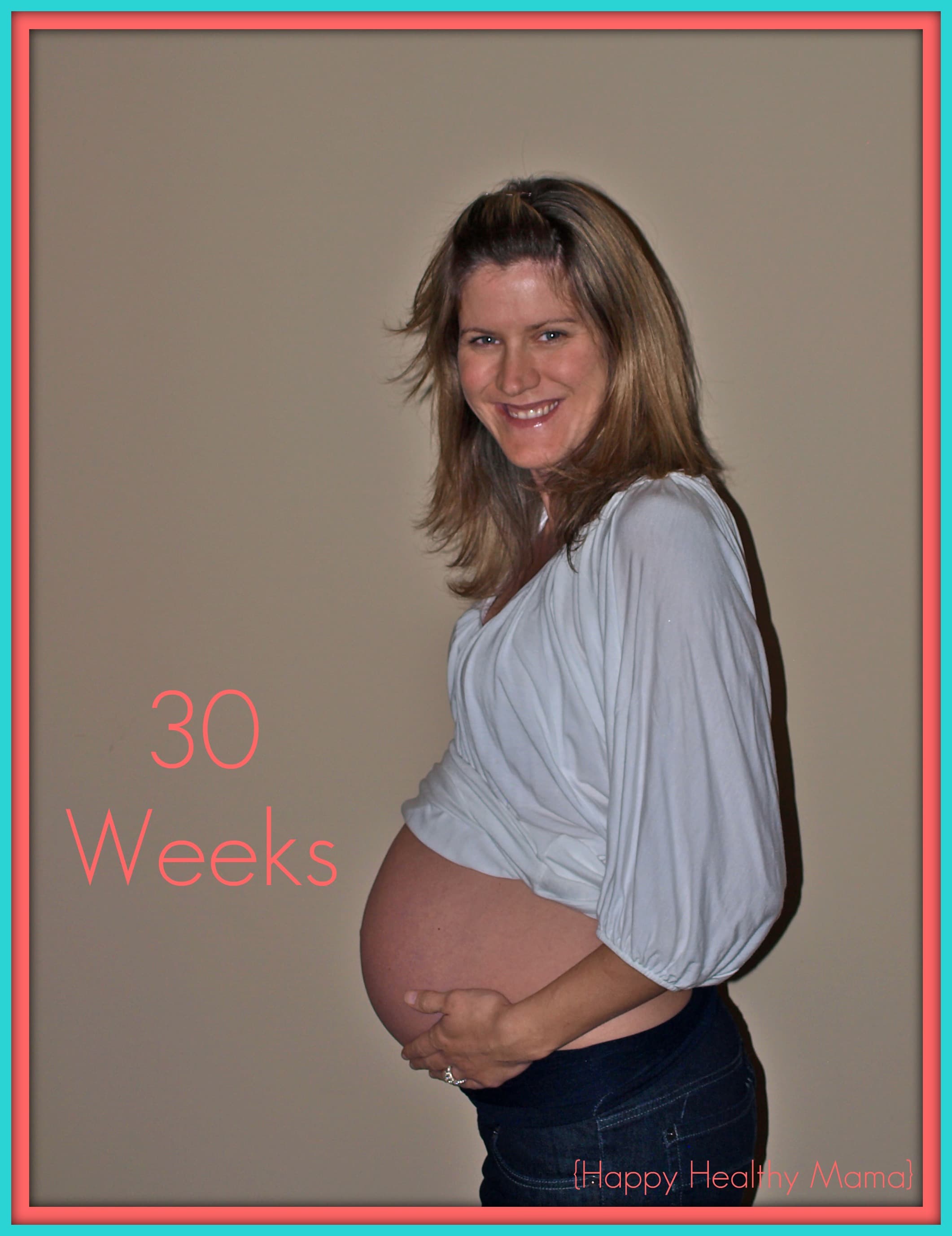
At 30 weeks pregnant, you are approximately seven and a half months into your journey and well into the third trimester. Your baby is roughly the size of a large cabbage, measuring about 15.7 inches (40 cm) from head to toe and weighing nearly 3 pounds (1.3 kg). This stage marks a critical period of rapid brain growth and the refinement of vital organ systems as your body prepares for labor.
Fetal Development: A Growth Spurt for the Brain and Bones
By the 30th week, the baby’s development shifts from basic organ formation to sophisticated refinement and weight gain. One of the most significant changes occurring this week is within the brain. Previously, the fetal brain surface was relatively smooth; however, it is now developing the characteristic grooves and indentations known as gyri and sulci. these folds increase the surface area of the brain, allowing for a higher number of neurons and more complex neural connections. This neurological expansion is essential for the sensory processing and motor skills the baby will need immediately after birth.
Another major milestone at 30 weeks involves the production of red blood cells. Earlier in pregnancy, the baby’s liver and spleen were responsible for this task. Now, the bone marrow has matured enough to take over the primary production of red blood cells. This transition is a vital step toward the baby’s ability to thrive independently outside the womb.
Furthermore, the baby is beginning to lose the lanugo—the fine, downy hair that covered their body for warmth and protection. As the baby develops more white fat under the skin to regulate body temperature, the need for lanugo diminishes. However, some babies are still born with patches of it on their shoulders or back, which typically disappears shortly after delivery. The baby’s eyesight also continues to improve; they can now distinguish between light and dark and may even follow a bright light source moved across the mother's abdomen.
Maternal Physical Changes and Symptoms
As you reach the 30-week mark in 2026, your body is undergoing significant mechanical and hormonal shifts. The top of your uterus (the fundus) is now about 4 inches above your belly button. This expansion puts considerable pressure on your internal organs, leading to several common third-trimester symptoms.
Respiratory and Digestive Adjustments
Shortness of breath is a frequent complaint at 30 weeks. As the uterus pushes upward against the diaphragm, your lungs have less room to expand fully. While this can be uncomfortable, it is generally harmless as long as you are not experiencing chest pain or blue-tinted lips. Similarly, the digestive system slows down due to the hormone progesterone and the physical crowding of the stomach. This often results in persistent heartburn or acid reflux. Many healthcare providers recommend eating smaller, more frequent meals rather than three large ones to alleviate this pressure.
Musculoskeletal Strain and Relaxin
Your body is also preparing for the passage of the baby through the birth canal by releasing a hormone called relaxin. This hormone softens the ligaments and joints, particularly in the pelvic area. While necessary for delivery, it often leads to "pregnancy waddle," lower back pain, and pelvic girdle pain (PGP). The shift in your center of gravity can also make you feel more clumsy than usual. Supportive footwear and prenatal yoga can help manage these stability issues.
The Return of Fatigue
Many women notice a resurgence of the exhaustion they felt during the first trimester. This "third-trimester fatigue" is usually a combination of the physical weight of the pregnancy and the difficulty of getting a good night’s sleep. Finding a comfortable sleeping position becomes a logistical challenge, often requiring a mountain of pillows to support the bump and the hips.
Third Trimester Milestones Comparison
To better understand where you are in the final stretch, the following table compares the developmental and maternal milestones of the early to mid-third trimester.
| Feature | Week 28 | Week 30 | Week 32 |
|---|---|---|---|
| Approx. Weight | 2.2 lbs (1 kg) | 2.9 lbs (1.3 kg) | 3.7 lbs (1.7 kg) |
| Approx. Length | 14.8 inches (37 cm) | 15.7 inches (40 cm) | 16.7 inches (42 cm) |
| Fetal Highlight | Eyelids partially open | Brain grooves forming | Toenails fully formed |
| Maternal Shift | Rhogam shot (if needed) | Significant breathlessness | Practice contractions increase |
| Size Comparison | Eggplant | Large Cabbage | Squash |
Nutrition and Wellness Strategies
Maintaining a nutrient-dense diet at 30 weeks is essential for the baby’s brain development and your own energy levels. At this stage, your baby’s demand for calcium is at its peak as their bones continue to harden (ossify). If you do not consume enough calcium, the baby will actually draw it from your own bones, increasing your risk of future bone density issues. Dairy products, fortified plant milks, and leafy greens should be staples in your daily intake.
Iron is another critical nutrient. Your blood volume has increased by nearly 50% since the start of pregnancy, and iron is needed to produce the hemoglobin that carries oxygen to both you and the baby. Low iron levels can lead to anemia, which exacerbates fatigue and can complicate recovery after birth. Pair iron-rich foods like lean meats or lentils with Vitamin C (such as citrus or bell peppers) to maximize absorption.
Hydration remains paramount. Staying hydrated helps manage the swelling (edema) in your feet and ankles by flushing out excess sodium. It also keeps the amniotic fluid at healthy levels and helps prevent urinary tract infections, which are more common during pregnancy. Aim for at least 8 to 10 glasses of water a day, adjusting for your activity level and the local climate.
Essential Preparations for Labor and Beyond
With approximately ten weeks remaining, 30 weeks is the ideal time to finalize your birth preferences and logistical plans. In 2026, many hospitals and birthing centers offer digital tours and virtual birth plan consultations, which can save you time and energy.
- Drafting the Birth Plan: A birth plan is not a rigid contract but a communication tool for your medical team. It should include your preferences for pain management (epidural, nitrous oxide, or natural techniques), who you want in the room, and your wishes regarding immediate skin-to-skin contact and cord clamping.
- Pediatrician Interviews: Choosing a doctor for your baby should happen before the birth. Look for a pediatrician who is nearby, accepts your insurance, and whose philosophy on topics like vaccinations and breastfeeding aligns with your own.
- The "Nesting" Instinct: You may feel a sudden surge of energy to clean or organize. Use this to your advantage by washing baby clothes and assembling essential gear like the crib or bassinet. However, avoid heavy lifting or using harsh chemical cleaners.
- Car Seat Safety: Most hospitals will not allow you to leave without a properly installed car seat. It is recommended to have the seat installed and inspected by a certified technician by week 35, making week 30 the perfect time to start reading the manual.
When to Contact Your Healthcare Provider
While most discomforts at 30 weeks are normal parts of pregnancy, it is vital to distinguish between routine symptoms and warning signs. Preeclampsia and preterm labor are the primary concerns during this window.
Preterm Labor Signs: If you experience more than five contractions in an hour, a noticeable change or increase in vaginal discharge (especially if it is watery, mucus-like, or bloody), or intense pelvic pressure, contact your provider immediately. Unlike Braxton Hicks contractions, which are irregular and usually stop when you change positions, real labor contractions will get stronger and more regular over time.
Preeclampsia Signs: This is a serious blood pressure condition that can occur after 20 weeks. Warning signs include sudden, severe swelling in the face or hands, a persistent headache that doesn't respond to acetaminophen, blurred vision or "seeing spots," and pain in the upper right abdomen. Early detection is key to managing the health of both mother and baby.
Fetal Movement: You should be feeling regular movement every day. Most providers recommend "kick counts." At a time when the baby is usually active, count how long it takes to feel 10 movements. If you notice a significant decrease in activity or if it takes much longer than usual to reach 10 kicks, call your doctor for a non-stress test (NST).
Managing Sleep and Mental Health
The psychological weight of 30 weeks pregnant can be as taxing as the physical weight. It is common to feel a mix of excitement and anxiety about the upcoming life change. Insomnia can exacerbate these feelings, creating a cycle of stress. To improve your sleep hygiene, try to limit screen time an hour before bed and maintain a cool, dark environment in the bedroom.
In 2026, mental health support for expecting parents has become a standard component of prenatal care. If you find yourself overwhelmed by intrusive thoughts or a persistent low mood, do not hesitate to speak with your obstetrician or a specialized therapist. Addressing prenatal anxiety or depression early is one of the best ways to prepare for a healthy postpartum transition.
Next Action: Establish Your Kick-Counting Routine
Your most important task this week is to become an expert on your baby's movement patterns. Choose a time each day—often after a meal or when you are lying down for the evening—to focus on the baby's kicks, rolls, and flutters. Use a dedicated app or a simple notebook to track these movements. This daily habit provides you with a baseline of what is "normal" for your baby, allowing you to act quickly if something feels different. Understanding these patterns is the most effective way to monitor your baby's well-being between prenatal appointments.
Disclaimer: This information is for educational purposes and does not constitute medical advice. Always consult with a qualified healthcare professional regarding your specific pregnancy and health needs.