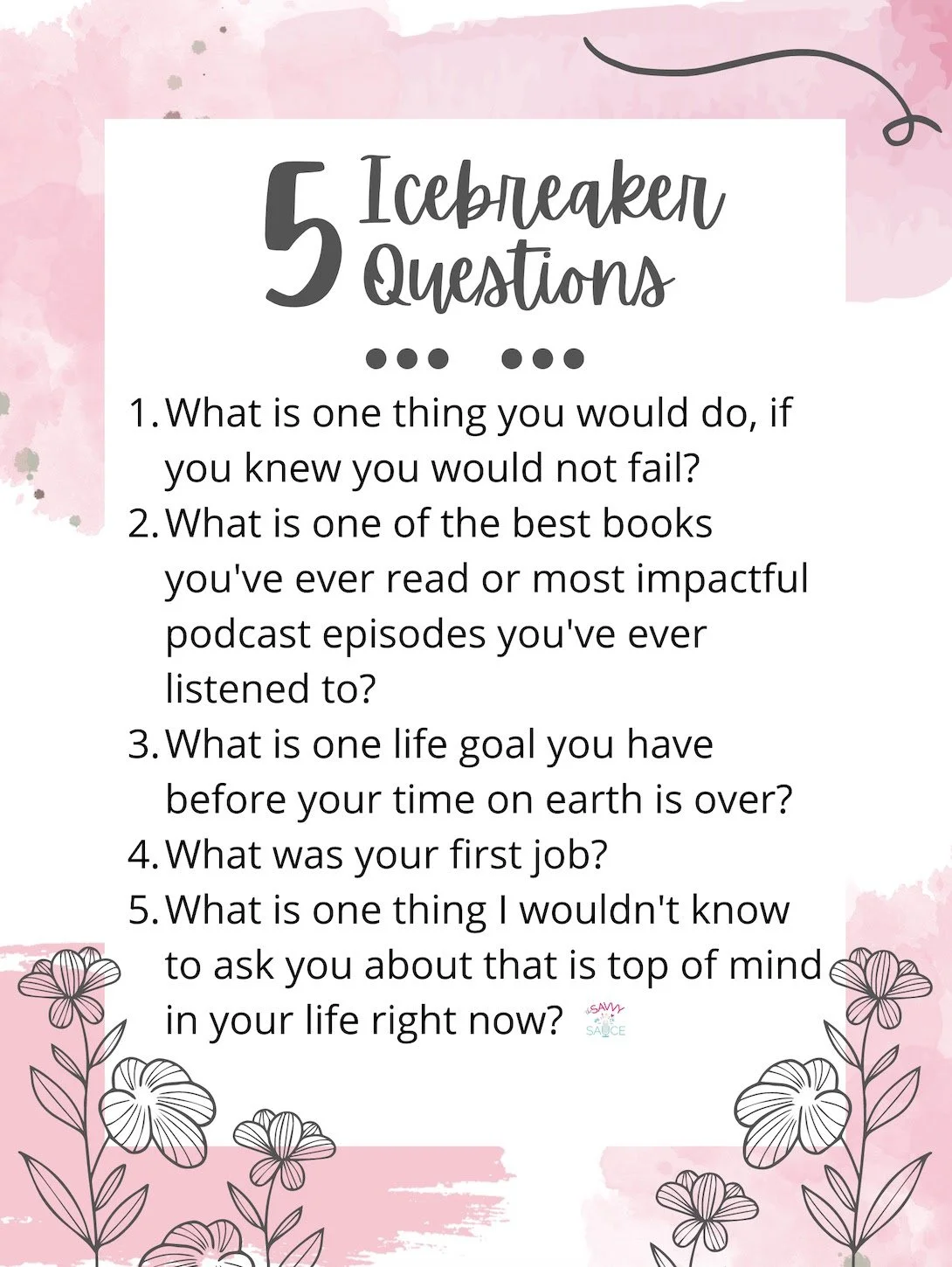
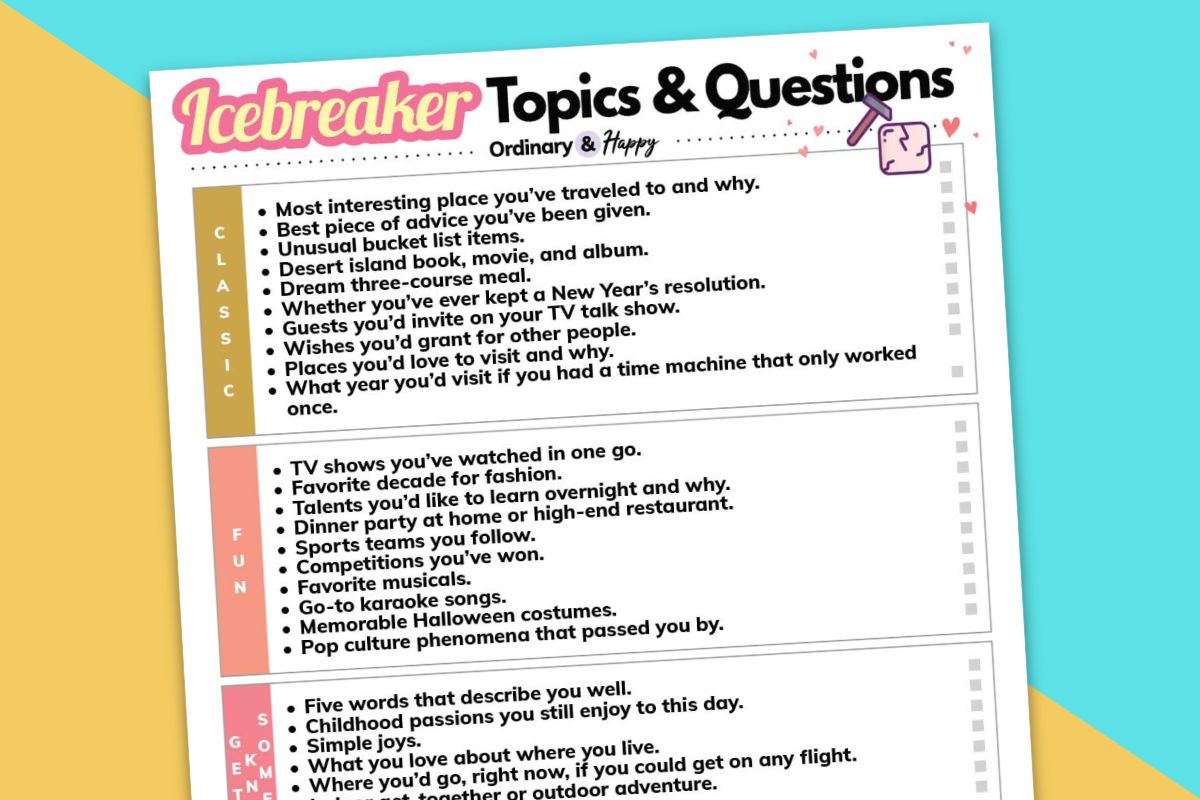
Deepening the bonds within a friend group requires transitioning from superficial "small talk" to meaningful "big talk." These 30 questions are designed to bypass standard social scripts, encouraging vulnerability, nostalgia, and shared values to foster psychological safety and long-term intimacy among friends, whether they are new acquaintances or lifelong companions.
The Evolution of Social Connection in 2026
In 2026, the landscape of social interaction has shifted significantly. Following years of digital saturation, there is a renewed emphasis on "intentional intimacy." People are increasingly seeking spaces where they can disconnect from the noise of algorithmic feeds and reconnect through authentic, face-to-face dialogue. The "Friendship Recession," a term coined earlier in the decade to describe the decline in close platonic relationships, has led to a grassroots movement focused on structured conversation tools.
Icebreakers were once relegated to awkward corporate retreats, but they have evolved into sophisticated social instruments. Deep dive conversations are no longer seen as "too heavy" for a casual Friday night; instead, they are recognized as the primary mechanism for building social resilience. By utilizing curated questions, friend groups can navigate the transition from being people who simply spend time together to being a support system that truly understands one another’s internal worlds.
Categorizing the Deep Dive: Building a Roadmap for Conversation
Not every question is appropriate for every moment. To successfully lead a group through a "deep dive," it is helpful to categorize questions by their level of intensity. This allows the group to "warm up" their vulnerability muscles before tackling more profound topics. Below are 30 questions divided into three distinct phases: Lighthearted Foundation, Personal Reflections, and Core Values.
Level 1: The Lighthearted Foundation
These questions serve as a bridge between surface-level chat and deeper inquiry. They focus on preferences, unique personality traits, and low-stakes history.
- If you had to curate a "Starter Pack" that perfectly describes your personality, what four items would be in it? This reveals how a person perceives their own identity through tangible objects.
- What is the most niche "rabbit hole" you have fallen down recently? This highlights current interests and intellectual curiosity.
- What is a "small win" from the past week that you haven't told anyone about yet? This encourages the celebration of minor achievements.
- If you could be an expert in any one skill by tomorrow morning, what would it be? This identifies aspirational goals and hidden interests.
- Which fictional character do you most identify with, and why? Archetypes often help people communicate complex feelings about themselves.
- What is your "comfort" movie or book that you return to when you’re feeling overwhelmed? This offers insight into how a person self-soothes.
- What is a trend you initially hated but now secretly love? This opens the door for humorous confessions and light self-deprecation.
- If you could live in any historical era for exactly one week, where would you go? This explores curiosity about the world and personal values regarding progress or tradition.
- What is the best piece of advice you’ve ever received from a stranger? Often, brief encounters leave lasting impressions on our worldview.
- What is your "unpopular opinion" that you are willing to defend to the death? This encourages healthy debate and reveals personal quirks.
Level 2: Personal Reflections and Shared History
These questions move into the territory of emotional experiences and formative memories. They require a higher degree of trust within the group.
- What was your first impression of everyone in this group, and how has it changed? This builds group cohesion by acknowledging growth and perception.
- Is there a specific moment in your life where you felt truly "seen" by another person? This highlights the importance of empathy and recognition.
- What is a "lesson learned the hard way" that you now value? Sharing failures and the resulting wisdom builds communal resilience.
- What part of your childhood do you miss the most, and what part are you glad is over? This touches on nostalgia and personal evolution.
- If you could write a letter to your 18-year-old self, what is the one thing you would tell them to stop worrying about? This identifies past anxieties and current perspective.
- What is a personal habit or trait you’ve worked hard to change over the last few years? This celebrates growth and the effort behind self-improvement.
- When was the last time you felt a genuine sense of awe? This explores what moves a person spiritually or intellectually.
- What does "home" mean to you—is it a place, a person, or a feeling? This identifies a person’s primary source of security and belonging.
- What is a risk you took that didn't pay off, but you're still glad you took it? This redefines failure as a necessary part of a lived life.
- Who has been the most influential person in your life who isn't a family member? This highlights the power of mentorship and outside influence.
Level 3: Values, Fears, and Future Horizons
These are the "deep dive" questions. They deal with existential themes, fears, and the legacy a person hopes to leave behind.
- What is the one thing you want to be remembered for after you are gone? This addresses legacy and core life purpose.
- What is a fear you have that you know is irrational, but it still influences your decisions? Identifying irrational fears is a powerful step toward overcoming them.
- What is a "non-negotiable" for you in a close friendship? This establishes boundaries and clarifies what the group values in each other.
- If you could change one decision from your past, would you? Or do you believe every mistake was necessary? This explores the balance between regret and acceptance.
- What is the most difficult conversation you’ve ever had to have, and how did it change you? This looks at communication skills and emotional endurance.
- What do you think is the biggest misconception people have about you when they first meet you? This allows individuals to correct the "narrative" others might project onto them.
- What does "success" look like to you at this stage of your life? Definitions of success change; this question ensures the group is aligned with each other's current goals.
- If you were guaranteed honest answers to three questions about your future, what would you ask? This reveals deep-seated anxieties or hopes about what’s to come.
- What is a dream you’ve given up on, and how do you feel about that now? Processing loss and redirection is a profound part of maturing.
- How do you want your life to look five years from today in terms of your emotional well-being? This shifts the focus from material goals to internal health.
Comparing Icebreaker Methods for Different Group Settings
Not every group dynamic is the same. Choosing the right format for your 30 questions depends on the size of the group and the existing level of familiarity.
| Method | Best For | Pros | Cons |
|---|---|---|---|
| The "Hot Seat" | Small groups (3-5) | Intense focus; allows for follow-up questions. | Can feel intimidating for more introverted members. |
| Popcorn Style | Medium groups (6-10) | High energy; anyone can jump in when inspired. | Some people may dominate the conversation. |
| Pairs to Share | Large groups (10+) | Maximum participation; everyone gets to talk. | Loses the "whole group" bonding feel. |
| The Bowl Method | Mixed familiarity | Anonymity (if desired); randomizes the "depth." | Less control over the conversation's logical flow. |
| Digital Prompting | Remote/Hybrid friends | Easy to facilitate; no prep needed. | Can feel less organic than physical cards or lists. |
The Psychology of "Fast Friends": Why Vulnerability Works
The efficacy of deep-dive questions is rooted in psychological research, most notably the work of Dr. Arthur Aron. In 1997, his study on "The Experimental Generation of Interpersonal Closeness" demonstrated that a series of increasingly personal questions could significantly accelerate the bonding process between strangers.
The mechanism at work is reciprocal self-disclosure. When one person shares something personal, it signals trust. To maintain social equilibrium, the other person usually responds with a similar level of openness. In a friend group, this creates a "virtuous cycle" where vulnerability is met with empathy, which in turn encourages more vulnerability. By 2026, social scientists have further emphasized that these interactions act as a buffer against mental health challenges, providing a sense of "social embeddedness" that is vital for emotional stability.
Practical Strategies for Facilitating Deep Conversations
To ensure these 30 questions lead to a positive experience rather than an uncomfortable one, facilitators should keep several best practices in mind:
- Establish an "Opt-Out" Rule: Make it clear from the beginning that anyone can pass on a question. Forcing vulnerability is counterproductive and can damage trust.
- Model the Behavior: If you are the facilitator, be the first to answer a "Level 2" or "Level 3" question. Showing your own willingness to be open sets the tone for the rest of the group.
- Active Listening is Key: Deep dives are not just about the person speaking; they are about the group's reaction. Discourage phone use and encourage affirmative non-verbal cues.
- Watch the Clock: Deep conversations can be emotionally draining. If the group has been discussing heavy topics for over an hour, consider pivoting back to a "Level 1" question or a collaborative activity to "lighten" the energy before ending the session.
- Follow-Up, Don't Interrogate: Encourage members to ask "tell me more" rather than "why did you do that?" This keeps the focus on the speaker's experience rather than a critique of their choices.
Potential Pitfalls: When "Deep" Becomes "Too Much"
While the goal is intimacy, there is a phenomenon known as "vulnerability hangover," where an individual feels exposed or embarrassed after sharing too much too soon. Facilitators should be mindful of the "TMI" (Too Much Information) threshold. If a friend begins sharing something that feels like it requires professional therapeutic intervention rather than a friendly chat, it is helpful to gently acknowledge the weight of their share and perhaps follow up with them privately later to offer support.
Additionally, avoid turning the session into a "trauma dumping" event. While sharing hardships is part of bonding, the balance should always tilt toward connection and mutual understanding, rather than solely focusing on negative past experiences.
What is the best way to introduce these questions without it feeling forced?
The most natural way to introduce deep questions is to tie them to a current event or a "theme" for the evening. For example, during a New Year's gathering or a birthday dinner, you might say, "I found these interesting questions that help us get past the usual work-talk. Does everyone want to try a few?" Providing a reason (like a milestone or a desire to connect better) reduces the "randomness" of the prompt.
Can these questions be used for work colleagues?
Yes, but with caution. For professional settings, stick primarily to Level 1 and select Level 2 questions. Level 3 questions often touch on personal beliefs and existential fears that may overstep professional boundaries. Focus on questions about work-style, aspirations, and "lessons learned" to keep the conversation relevant but safe for the workplace.
How often should a friend group do a "deep dive"?
Deep dives are most effective when they feel like a special occasion rather than a weekly chore. Aiming for a "check-in" session once every few months, or during dedicated group trips and retreats, keeps the practice fresh and significant. Constant deep-diving can lead to emotional fatigue.
What if the group is a mix of old and new friends?
Use the "Pairs to Share" method. Pairing an old friend with a new one to answer a Level 1 or 2 question allows them to build a one-on-one bridge before sharing with the larger group. This mitigates the feeling of "insider vs. outsider" dynamics.
Is it better to use physical cards or a digital list?
Physical cards or a written list in the center of the table often work better than a phone. A phone is a symbol of distraction. A physical object represents a shared focus and signals to the group that "we are doing this together right now."
Next Action: Hosting Your First "Deep Dive" Evening
To put these 30 questions into practice, schedule a "Connection Night" for your friend group. Choose a comfortable, low-distraction environment—perhaps a quiet living room or a secluded spot in a park. Print out the three levels of questions or write them on individual slips of paper. Start with Level 1 over appetizers to set a light tone, progress to Level 2 during the main event, and save Level 3 for a quiet moment at the end of the evening. By intentionally moving through these stages, you transform a standard social gathering into a lasting memory of mutual understanding.