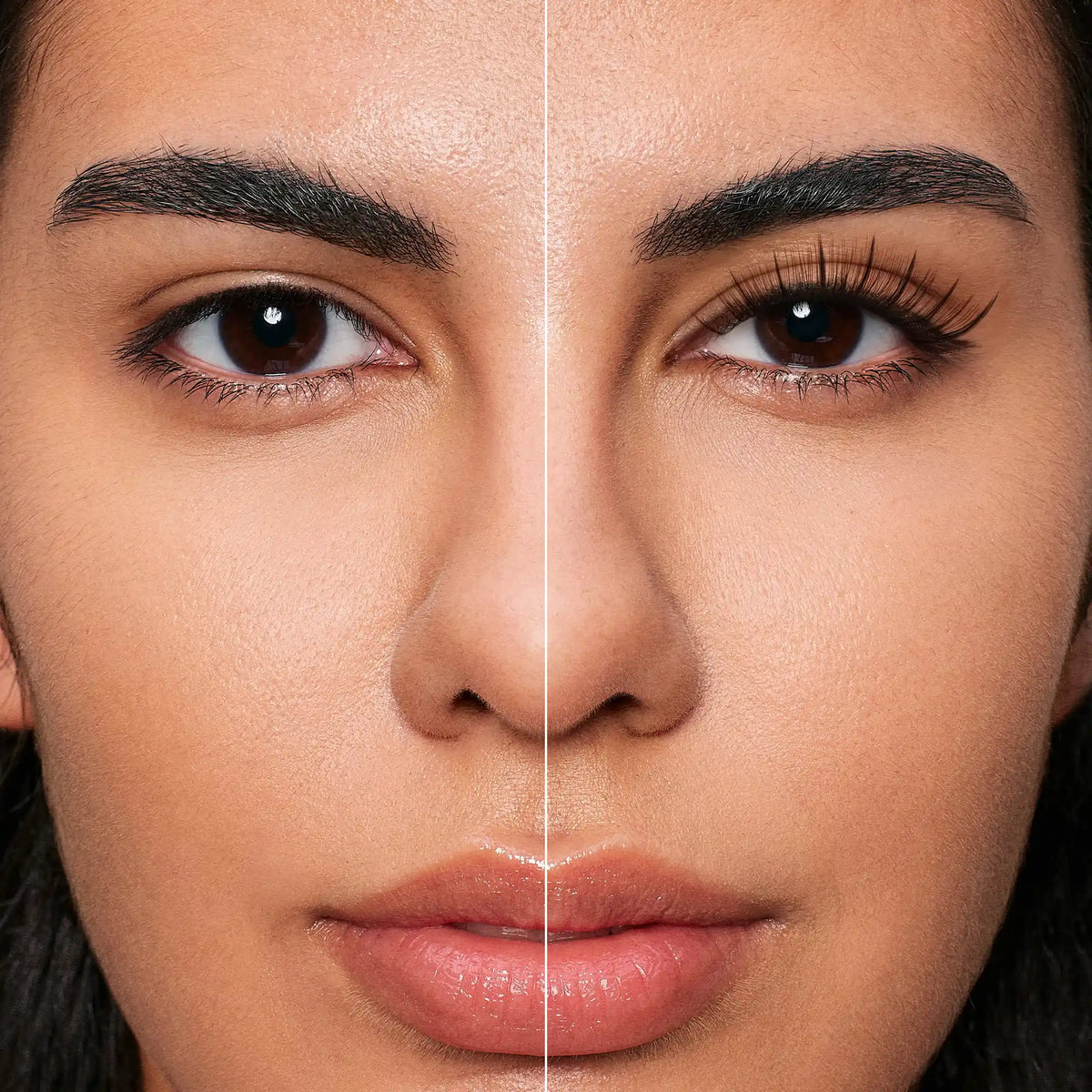
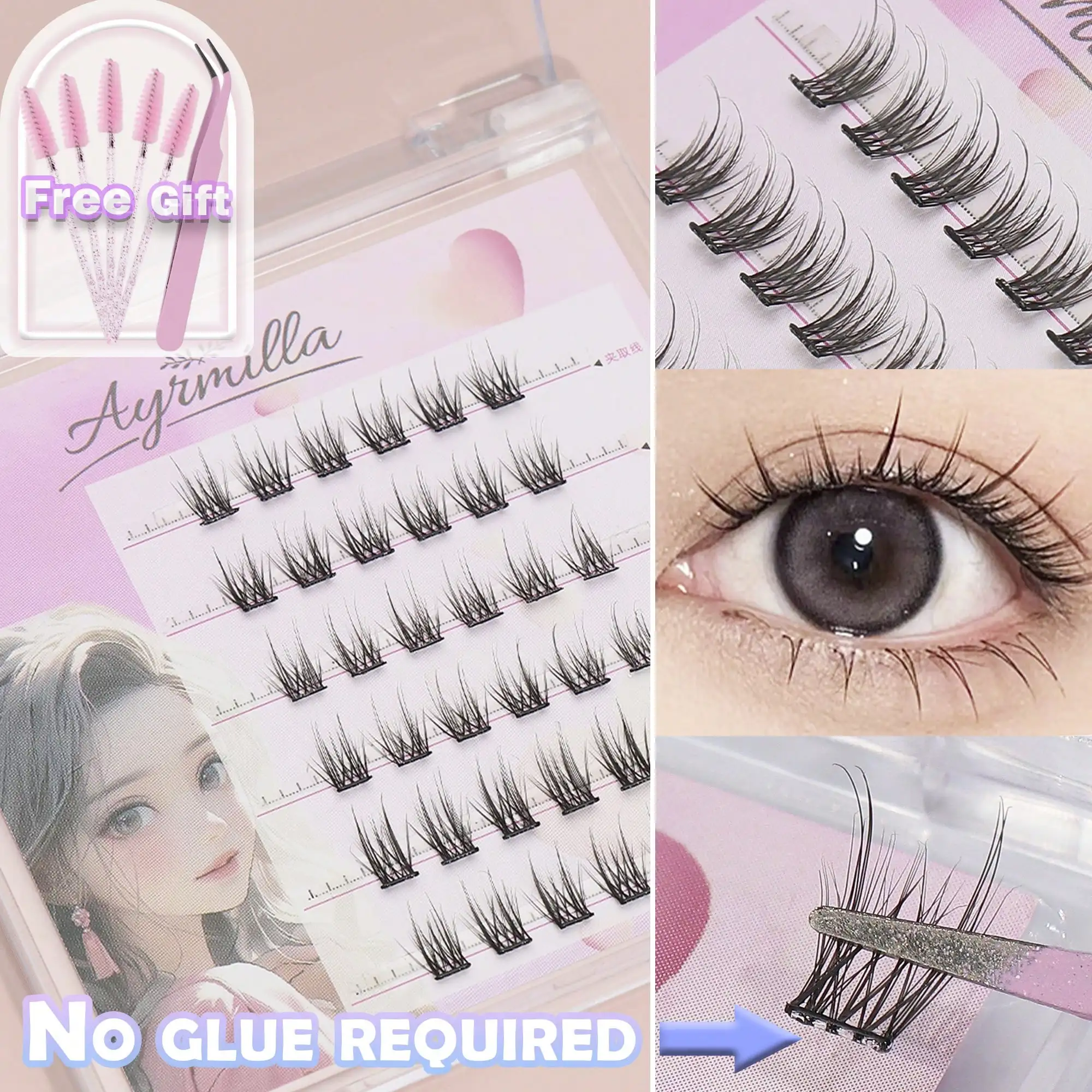
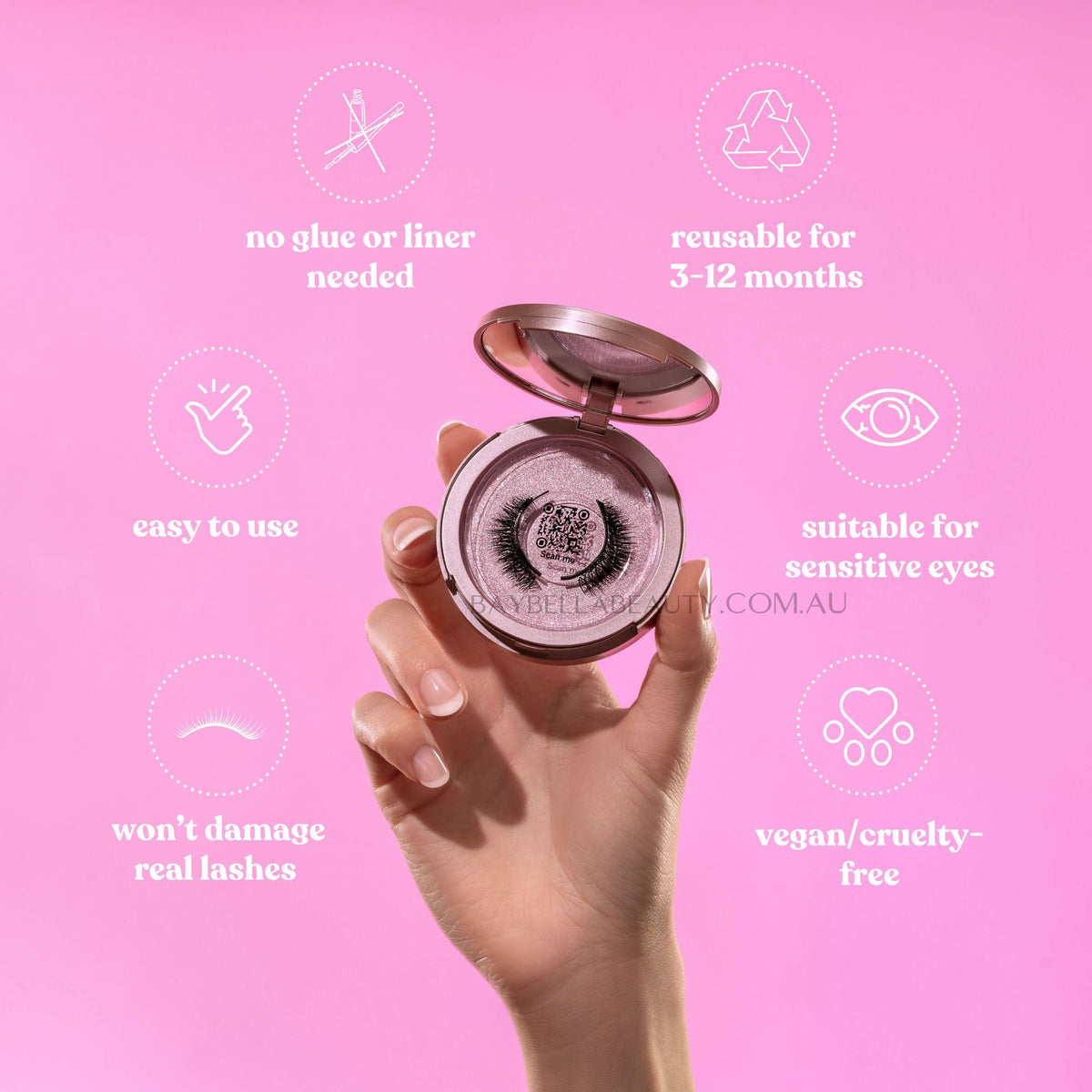
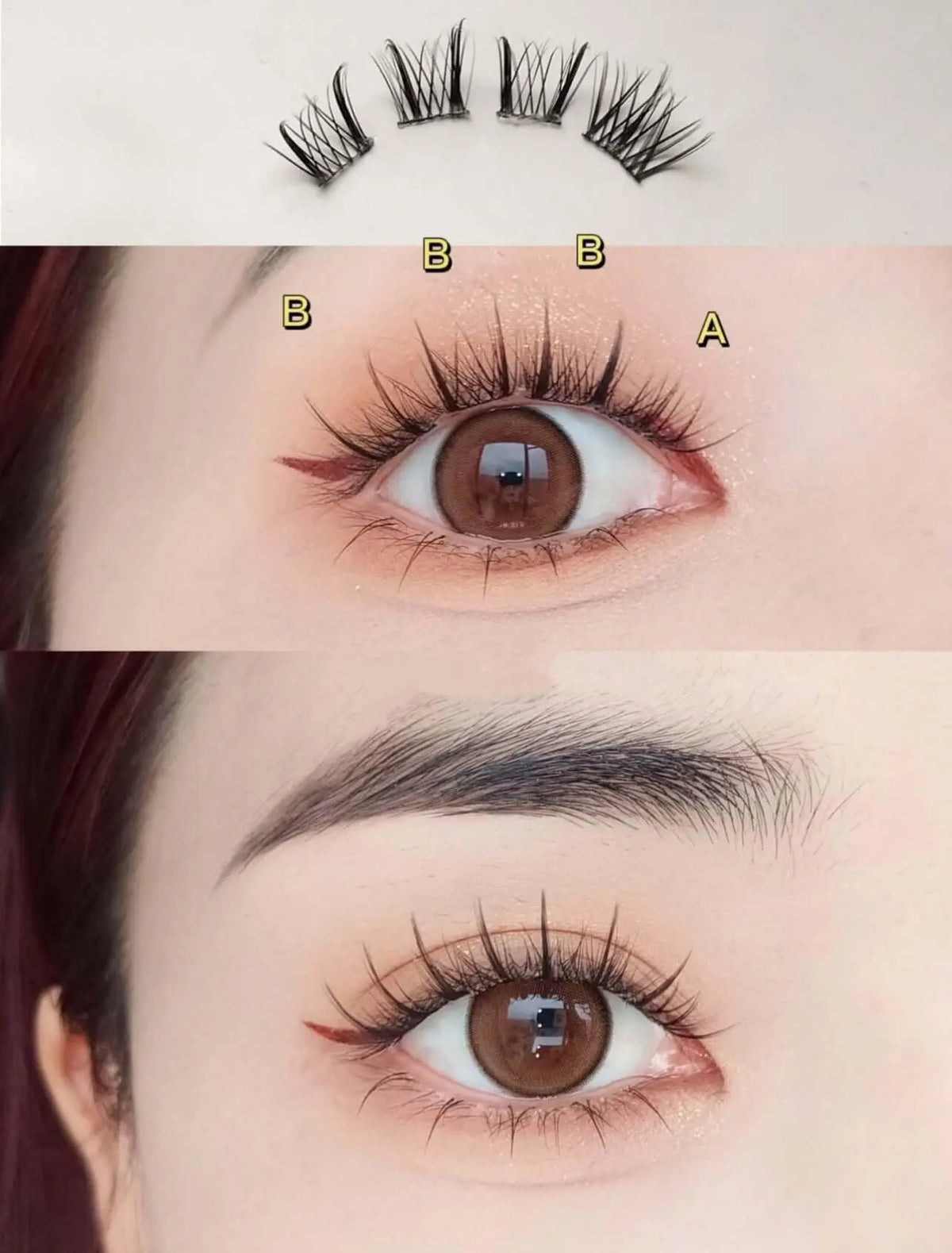
3 second lashes are a specialized magnetic eyelash system designed to eliminate the need for adhesive glues during application. By utilizing two magnetic strips that "sandwich" your natural lashes together, they provide a secure, reusable, and instant enhancement. This technology prioritizes speed and eye health by avoiding common chemical irritants found in traditional lash adhesives.
The Evolution of 3 Second Lashes: From Viral Trend to Beauty Staple
The concept of "3 second lashes" originated as a response to the steep learning curve and messy nature of traditional false eyelashes. In the early 2020s, the market was dominated by glue-on strips that often caused allergic reactions or damage to natural lash follicles. By 2026, the technology has matured significantly, transitioning from the bulky, visible magnets of the past to the ultra-lightweight micro-magnets used in today's premium kits.
Historically, the "As Seen On TV" brand popularized the name, but the category has since expanded to include various luxury and professional-grade iterations. The primary appeal remains constant: the ability to achieve a high-volume, professional look in seconds without professional assistance. This shift has democratized the lash extension look, making it accessible for daily wear rather than just special occasions.
The 2026 versions of these lashes feature improved curvatures and tapered ends, which allow them to blend more seamlessly with natural hair. Unlike earlier models that often felt heavy or looked "blocky," modern 3 second lashes use 0.05mm to 0.07mm synthetic fibers, mimicking the weight and texture of natural human lashes while maintaining the structural integrity required to support the magnetic attachment.
Understanding the Dual-Magnet Sandwich Mechanism
The core "3 second" promise relies on the physics of magnetic attraction. Unlike magnetic eyeliner systems—which require a specialized ferrous liner to be applied to the eyelid—the dual-magnet sandwich system uses two lash strips for every eye. One strip is placed on top of the natural lashes, and the second is placed underneath.
When the two strips are brought together, the micro-magnets (usually made of high-grade neodymium) click into place, trapping the natural lashes in between. This creates a mechanical bond rather than a chemical one. The strength of these magnets is carefully calibrated; they must be strong enough to withstand wind and movement, yet gentle enough to be pulled apart without yanking out natural hairs.
A critical technical detail in 2026 models is the "multi-point" magnetic distribution. Instead of one large magnet in the center, high-quality sets now feature three to five tiny magnetic points along the lash band. This allows the band to flex and follow the natural contour of the eyelid, preventing the "lifting" at the corners that plagued earlier designs. This flexibility is essential for comfort, as it prevents the rigid band from poking the sensitive inner corners of the eye.
Step-by-Step Application Guide for Optimal Results
While the name suggests a three-second timeframe, achieving a natural look requires a specific technique, especially for first-time users. Proper placement ensures that the lashes stay secure throughout the day without sagging.
- Preparation and Alignment: Before attempting application, hold the top lash strip against your eye to check the width. If the strip is too wide for your eye shape, trim it from the outer edge only. Never trim the inner corner, as this can disrupt the magnetic balance.
- The Top Strip Placement: Rest the top lash strip (usually marked with a small dot or specific color on the magnet) on top of your natural lash line. Try to get it as close to the root as possible without touching the skin of the eyelid.
- The Bottom Strip "Click": While holding the top strip in place (either with your fingers or a non-magnetic applicator), bring the bottom strip up from underneath your natural lashes. As the bottom magnets get close to the top magnets, they will naturally "jump" together.
- Final Adjustments: Once the magnets have clicked, use a lash comb or your fingertips to gently press them toward the lash base. If the placement feels crooked, do not pull them. Instead, slide the magnets horizontally apart to release the bond and try again.
Using a specialized applicator—often a plastic, non-magnetic tweezer shaped like the eye’s curve—can significantly reduce the difficulty for beginners. Metal tweezers should be avoided, as they will attract the magnets and make precision placement nearly impossible.
Comparing Lash Enhancement Technologies
Choosing the right lash system depends on your lifestyle, sensitivity to chemicals, and desired maintenance level. The table below compares 3 second lashes (the sandwich method) with other popular 2026 alternatives.
| Feature | 3 Second Lashes (Sandwich) | Magnetic Eyeliner Lashes | Traditional Glue-On Lashes | Salon Extensions |
|---|---|---|---|---|
| Application Time | 3–30 Seconds | 2–3 Minutes | 5–10 Minutes | 90–120 Minutes |
| Adhesive Required | None | Magnetic Liner | Latex or Cyanoacrylate | Professional Grade |
| Reusability | 50+ Uses | 30+ Uses | 3–5 Uses | None (Semi-permanent) |
| Skill Level | Moderate (Requires practice) | Low | High | Professional Only |
| Eye Sensitivity | Low (Best for allergies) | Medium (Liner sensitivity) | High | High |
| Average Cost (2026) | $15 - $40 | $20 - $50 | $5 - $15 (per pair) | $120 - $250 (initial) |
Safety Considerations and Eye Health
For individuals with sensitive eyes or those who wear contact lenses, 3 second lashes offer a significant safety advantage. Traditional lash glues frequently contain formaldehyde or cyanoacrylate, which can cause contact dermatitis or allergic conjunctivitis. By removing the chemical element, magnetic lashes eliminate these risks.
However, mechanical safety must still be considered. Ophthalmologists often warn about "traction alopecia," a condition where constant weight or tension on the hair follicle causes it to stop producing hair. To prevent this, users should:
- Avoid Overweight Lashes: Choose "natural" or "wispy" styles for daily wear and save heavy "mega-volume" styles for short durations.
- Proper Removal: Never pull the lashes straight off. This creates friction against the natural lash cuticle. Always slide the magnets apart using a "rolling" motion between your thumb and forefinger.
- Hygiene: Magnets can harbor bacteria if not cleaned. After each use, wipe the magnets with a cotton swab dipped in 70% isopropyl alcohol to remove skin oils and makeup residue.
Furthermore, individuals with metal sensitivities or those scheduled for an MRI (Magnetic Resonance Imaging) must remove these lashes. The magnets are metallic and can react to the magnetic field of the medical equipment, potentially causing injury or distorted imaging.
Common Challenges and Troubleshooting Tips
Even with advanced 2026 designs, users may encounter issues with stability or aesthetics. Understanding the "Why" behind these problems is key to fixing them.
Problem: The lashes are sliding down during the day. This usually happens because the natural lashes are too "slippery" for the magnets to grip. To solve this, apply a very thin coat of mascara to your natural lashes and let it dry completely before applying the 3 second lashes. The mascara creates a textured surface that provides the magnets with the necessary friction to stay at the base of the lash line.
Problem: The inner or outer corners are lifting. This is often a result of the lash band being too long or too straight for your eye's curvature. If trimming doesn't help, try "pre-flexing" the lash band. Wrap the lash strip around a makeup brush handle for 30 seconds to give it a more pronounced C-curve before applying.
Problem: The magnets won't click together. Check for makeup buildup. Even a tiny amount of dried foundation or eyeshadow on the surface of the micro-magnets can create a barrier that prevents the magnetic circuit from closing. A quick cleaning with a non-oily makeup remover usually resolves this.
Maintenance and Longevity: Protecting Your Investment
One of the primary reasons consumers choose 3 second lashes in 2026 is their cost-effectiveness over time. While the upfront cost is higher than a single pair of glue-on lashes, their durability is significantly greater—provided they are maintained correctly.
Storage is the most critical factor in longevity. Most kits come with a magnetic carrying case. This isn't just for organization; the magnetic base in the case helps the lash strips maintain their factory-set curve. If left on a flat surface, the synthetic fibers and the band can lose their shape, making subsequent applications look unnatural.
Avoid using oil-based makeup removers near the lashes. Oil can degrade the adhesive used to attach the micro-magnets to the lash band itself. If a magnet falls off, the entire strip becomes unusable, as the tension balance is lost. If you must use mascara with them, apply it to your natural lashes only and allow it to dry before "sandwiching" the magnetic strips. Applying mascara directly to the magnetic fibers will clump them and drastically reduce their lifespan.
FAQ
Can I wear 3 second lashes if I wear glasses?
Yes, you can wear them with glasses, but you must choose the correct length. Many magnetic lash styles are designed for "drama" and feature long fibers that may brush against your lenses. Look for "Short" or "Petite" styles (usually 8mm to 10mm in length) to ensure comfortable clearance between the lashes and your eyewear.
Are magnetic lashes safe for people with alopecia?
It depends on the type of magnetic lash. The 3 second lash "sandwich" method requires natural lashes to act as an anchor for the magnets to grip. If you have complete lash loss, the sandwich method will not work because there is nothing to hold the magnets in place. In this case, magnetic eyeliner lashes or traditional glue-on lashes applied to the eyelid skin are better alternatives.
How do I clean the lashes without ruining them?
Use a pointed cotton swab dipped in micellar water or 70% alcohol to clean the magnets specifically. For the lash fibers, use a clean spoolie brush to gently comb through them. Never soak the lashes in water or cleaning solution, as this can ruin the curl of the synthetic hair and potentially rust the metal components in the magnets.
Can I sleep in 3 second lashes?
It is not recommended to sleep in magnetic lashes. The mechanical pressure of your head against a pillow can cause the magnets to shift, potentially pinching your natural lashes or irritating the cornea. Additionally, the constant movement during sleep can bend the lash band out of shape. Always remove them at the end of the day to allow your natural lash follicles to "breathe."
Choosing Your Best Lash Solution
When selecting 3 second lashes in 2026, prioritize brands that offer multiple magnet points and high-quality synthetic fibers like PBT (Polybutylene Terephthalate). For beginners, a kit that includes a curved, non-magnetic applicator is essential for reducing the initial frustration of placement. If you have a history of eye irritation, the sandwich-style 3 second lash remains the gold standard for safety, as it provides the most "clean" application process available in modern cosmetics. Start with a "Natural" or "Accent" set to master the technique before moving on to full-volume glamorous styles.