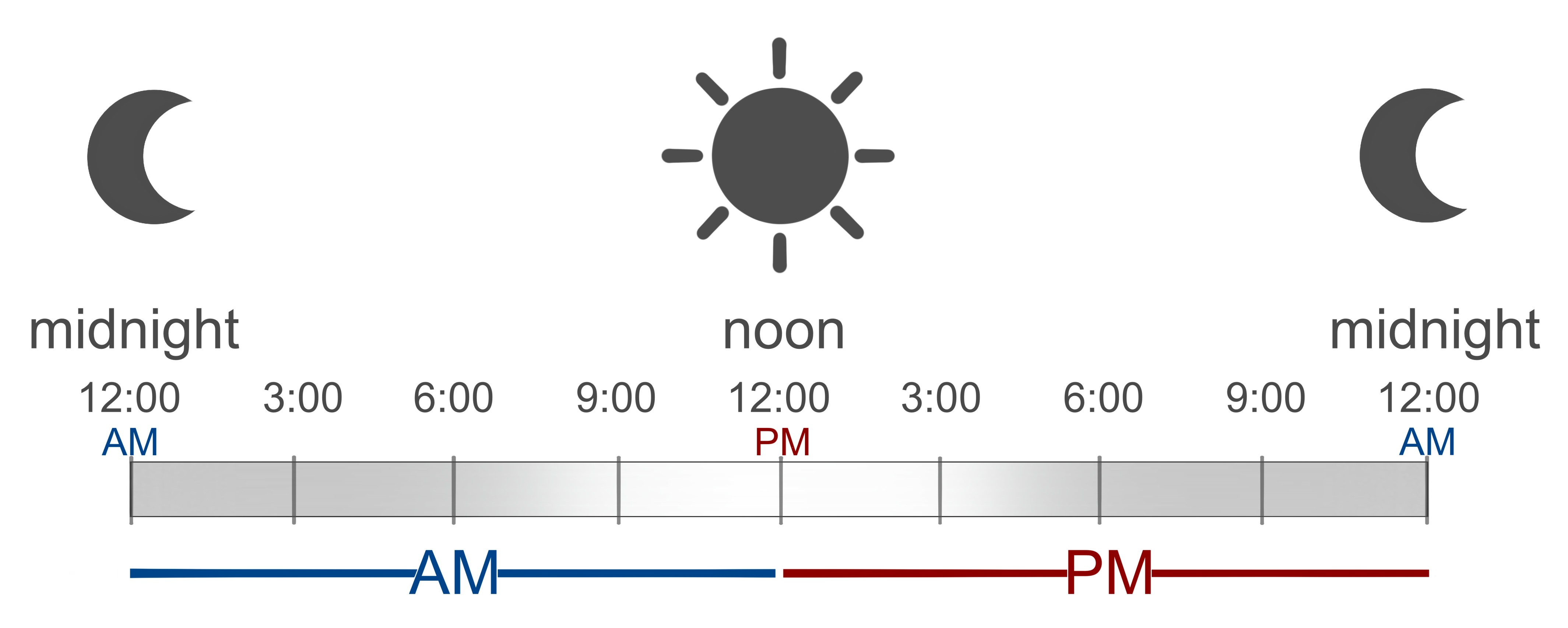
Embracing the 3 AM night quietude involves shifting your perspective from seeing wakefulness as a burden to viewing it as a rare opportunity for deep reflection, creativity, and mental clarity. In the silence of the midnight magic, the lack of external stimuli allows the subconscious to surface, facilitating a unique state of "flow" and introspection that is often unattainable during the chaotic daylight hours of 2026.
The Anatomy of the 3 AM Hour: Why the World Feels Different
The experience of being awake at 3 AM is fundamentally different from any other time of day due to a convergence of biological, psychological, and environmental factors. Biologically, the human body is typically at its lowest point in the circadian cycle during this window. Core body temperature drops, and melatonin levels have peaked, leading to a state where the logical, "executive" functions of the brain—governed by the prefrontal cortex—are less dominant. This "thinning" of cognitive filters creates a mental environment where thoughts feel more fluid and less constrained by the practical demands of daily life.
Psychologically, the 3 AM hour is often referred to in folklore as the "Witching Hour," but in modern psychological terms, it represents a period of profound solitude. In 2026, where digital connectivity is nearly constant, 3 AM remains one of the few temporal spaces where the "global noise" subsides. Most of your social circle is asleep, businesses are closed, and the relentless stream of notifications slows to a trickle. This absence of social obligation creates a psychological vacuum that can be filled with either anxiety or, if approached intentionally, a deep sense of peace.
The quietude of this hour is not merely the absence of sound; it is a presence in itself. It is a heavy, velvet-like stillness that allows for a different type of sensory processing. Sounds that go unnoticed during the day—the hum of a refrigerator, the distant rustle of wind, or your own breathing—become focal points. This heightened awareness is the foundation of "midnight magic," a state where the boundaries between the internal self and the external world seem to blur.
The Science of Midnight Creativity and the "Unfiltered" Brain
Many artists, writers, and thinkers throughout history have favored the late-night hours for their most profound work. There is a scientific basis for this preference. When the brain is in a state of partial fatigue or operating outside its peak circadian alertness, it often engages in more divergent thinking. Divergent thinking is the ability to connect disparate ideas that the "logical" daytime brain might dismiss as irrelevant.
In the 3 AM quietude, the brain's "inner critic" is less active. This allows for a more honest and raw form of expression. Whether you are journaling, coding, or planning a project, the midnight hour provides a sanctuary from the pressure of immediate perfection. The "magic" lies in this lack of inhibition. In the 2026 landscape of rapid AI-driven content and hyper-optimized schedules, the raw, human authenticity found in the middle of the night has become an increasingly valuable resource for personal growth.
Furthermore, the neurochemistry of the night-time brain is unique. Research indicates that while we are less efficient at complex mathematical tasks at 3 AM, our capacity for emotional processing and symbolic thought is often heightened. This is why deep existential realizations or creative breakthroughs frequently occur during these hours. By embracing the quietude rather than fighting it, you tap into a cognitive mode that is naturally geared toward "big picture" thinking and emotional resolution.
Comparing the Environments: Daytime vs. 3 AM Quietude
To understand why "embracing the magic" is so effective, it is helpful to compare the environmental and mental conditions of the day versus the deep night.
| Feature | Daytime (9 AM - 5 PM) | Midnight Quietude (2 AM - 4 AM) |
|---|---|---|
| Primary Mental State | Task-oriented, reactive, logical | Reflective, proactive, intuitive |
| External Stimuli | High (traffic, voices, digital pings) | Minimal (nature sounds, ambient hums) |
| Social Pressure | Constant (expectations of availability) | Non-existent (the world is "off") |
| Cognitive Filter | High (focused on social norms/utility) | Low (access to subconscious/raw ideas) |
| Sense of Time | Fast-paced, deadline-driven | Fluid, expansive, "timeless" |
| Physical Sensation | High energy, tension-prone | Low energy, sensory-acute |
Practical Strategies for Intentional Midnight Quietude
If you find yourself awake at 3 AM, whether by choice or by biological happenstance, the key to embracing the magic is intentionality. Instead of staring at a screen—which introduces blue light and re-engages the "daytime" brain—consider activities that align with the natural stillness of the hour.
1. The Practice of Non-Linear Journaling
Rather than writing a "to-do" list, use the 3 AM hour for "stream of consciousness" writing. Don't worry about grammar or structure. Allow your pen or keyboard to follow the wandering path of your thoughts. This often reveals underlying stressors or hidden desires that are drowned out during the day.
2. Sensory Grounding and Meditation
The silence of the night is an ideal backdrop for mindfulness. Sit in the dark or by very dim, warm light. Focus entirely on the physical sensations of the moment. Because the world is quiet, you can hear the nuances of your own physiology. This practice can turn a moment of potential "insomnia anxiety" into a restorative meditative session.
3. Deep Listening
In 2026, high-fidelity spatial audio has made "deep listening" a popular night-time activity. Listening to complex ambient soundscapes or classical compositions at 3 AM allows you to hear layers of sound that are usually missed. This is not passive background noise; it is an active engagement with the art, made possible by the lack of competing environmental noise.
4. Low-Impact Creative Revision
If you are a creator, use this time not for the "grind" of production, but for the "grace" of revision. Reviewing work done during the day through the lens of 3 AM often reveals flaws or opportunities that were invisible under the harsh light of a 2 PM deadline.
Balancing Midnight Magic with Physical Health
While the psychological benefits of the 3 AM hour are significant, it is vital to balance this "embrace" with the physiological need for sleep. Constant sleep deprivation is not magical; it is a health risk. To healthily engage with the midnight quietude in 2026, one must distinguish between occasional intentional wakefulness and chronic insomnia.
If you are using the 3 AM hour for reflection, ensure that you have a "re-entry" plan for sleep. This involves a wind-down ritual that signals to the body that the period of quietude is ending and the period of rest is beginning. Avoid "doom-scrolling" or checking emails, as these activities trigger cortisol and make returning to sleep impossible.
For those who are night owls by nature (delayed sleep phase), the 3 AM hour may be their peak period of productivity. In such cases, the "magic" is found in aligning one's life schedule with this biological reality, rather than forcing a standard 9-to-5 rhythm that leads to permanent "social jetlag."
Spiritual and Cultural Perspectives on the Midnight Hour
Across various cultures, the time between 2 AM and 4 AM has always been held in high regard. In Vedic traditions, the period known as Brahma Muhurta (typically starting around 3:30 AM) is considered the most auspicious time for spiritual practices, as the mind is said to be most still and the "vibrations" of the world are at their purest.
In Western literature and philosophy, the "midnight oil" has been burned by those seeking truth beyond the surface level of society. The "magic" is often described as a feeling of being the "only person in the world." This temporary isolation is not a form of loneliness, but a form of sovereignty. You are the master of your environment because the environment has ceased to demand anything from you.
By 2026, as our cities become denser and our digital lives more cluttered, this "midnight sovereignty" has become a form of mental sanctuary. Embracing the quietude is a radical act of reclaiming your own attention from the entities that compete for it during the day.
FAQ: Navigating the 3 AM Experience
Is being awake at 3 AM a sign of a health problem?
Not necessarily; it depends on the frequency and your ability to function during the day. While occasional wakefulness can be a productive "midnight embrace," chronic waking accompanied by distress may indicate "middle-of-the-night" insomnia or sleep apnea. If you find yourself awake, focus on relaxation rather than the frustration of being awake, as the stress itself is often more damaging than the lost hour of sleep.
Why do I feel more creative at night?
Your creativity peaks at night because your "inhibitory control" is lowered. The brain's ability to filter out "weird" or "illogical" ideas diminishes when you are tired, allowing for more original and lateral connections. This state, combined with the lack of interruptions, creates a perfect environment for the creative flow state.
How can I stop feeling anxious during the 3 AM quietude?
Anxiety at 3 AM often stems from the brain's tendency to "catastrophize" in the absence of external distractions. To combat this, use grounding techniques: name five things you can hear, or focus on the physical sensation of your feet on the floor. Transition from passive "worrying" to active "processing" by writing your thoughts down, which externalizes the anxiety and makes it feel more manageable.
Should I use my phone if I can't sleep at 3 AM?
Generally, no. The blue light from screens suppresses melatonin production, further disrupting your sleep cycle. Additionally, the content on social media or news sites is designed to trigger emotional responses (outrage, excitement, or envy), which is the opposite of the "midnight magic" quietude. If you must use a device, use a dedicated e-reader with warm light or a meditation app with the screen turned off.
What is the "Witching Hour" and is it relevant today?
Historically, the Witching Hour was believed to be the time when the veil between the physical and spiritual worlds was thinnest. In 2026, the term is used more metaphorically to describe the period when our subconscious "veil" is thinnest. It is relevant as a cultural shorthand for that specific time of night when the world feels mysterious and different from our daylight reality.
Reclaiming Your Night: Next Steps
To truly embrace the midnight magic, you must stop treating 3 AM as a failure of sleep and start treating it as a success of solitude. Your next action should be to create a "Midnight Kit"—a small collection of items (a journal, a specific book of poetry, or a set of comfortable headphones) that you only use during these quiet hours.
By having a dedicated practice for this time, you remove the "panic" of wakefulness. Instead of tossing and turning, you can step into the quietude with a sense of purpose. Whether you use the time to solve a complex problem, connect with your inner self, or simply exist in the silence, the goal is to transform the "3 AM night" into a personal sanctuary that fuels your well-being for the coming day.