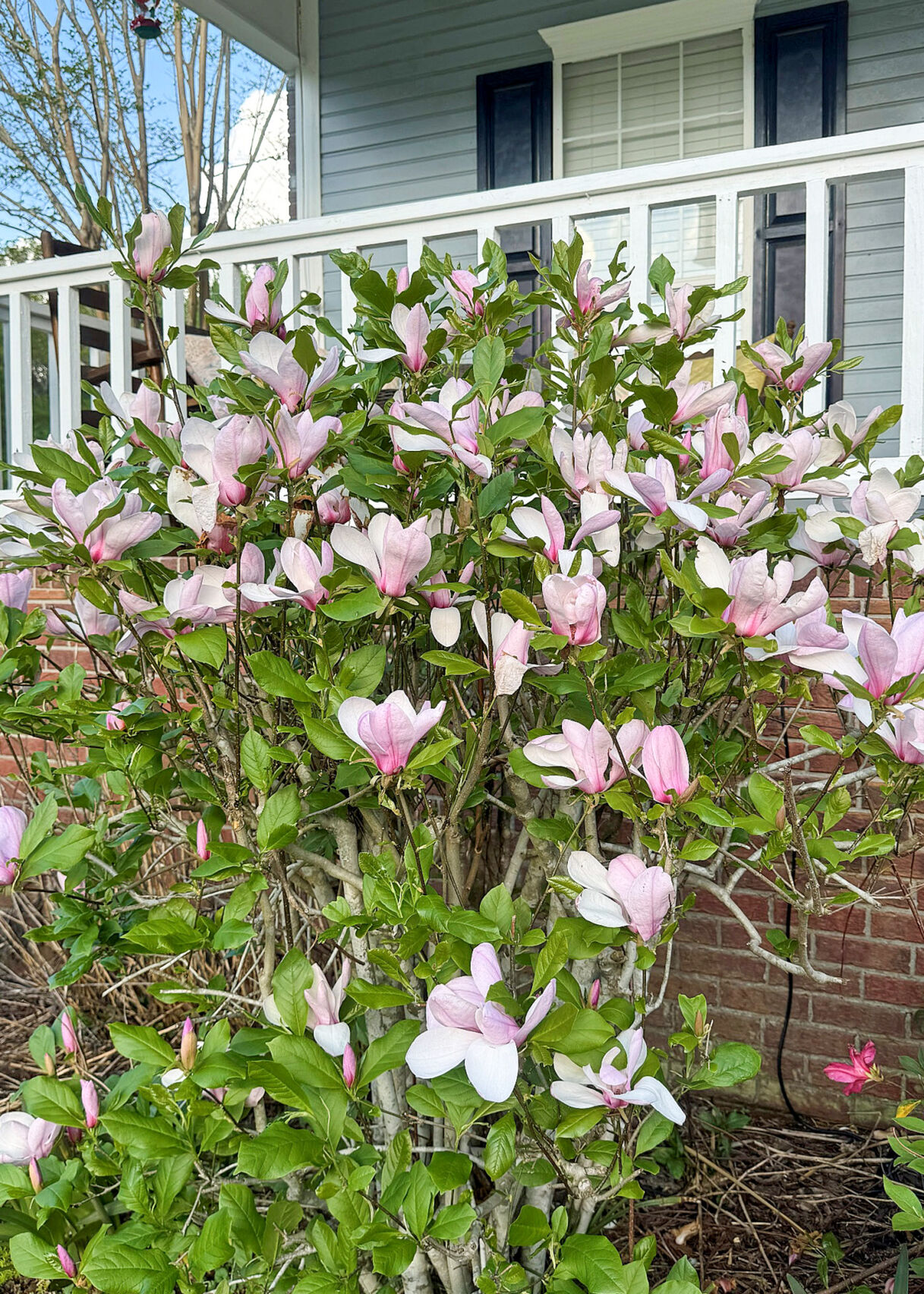
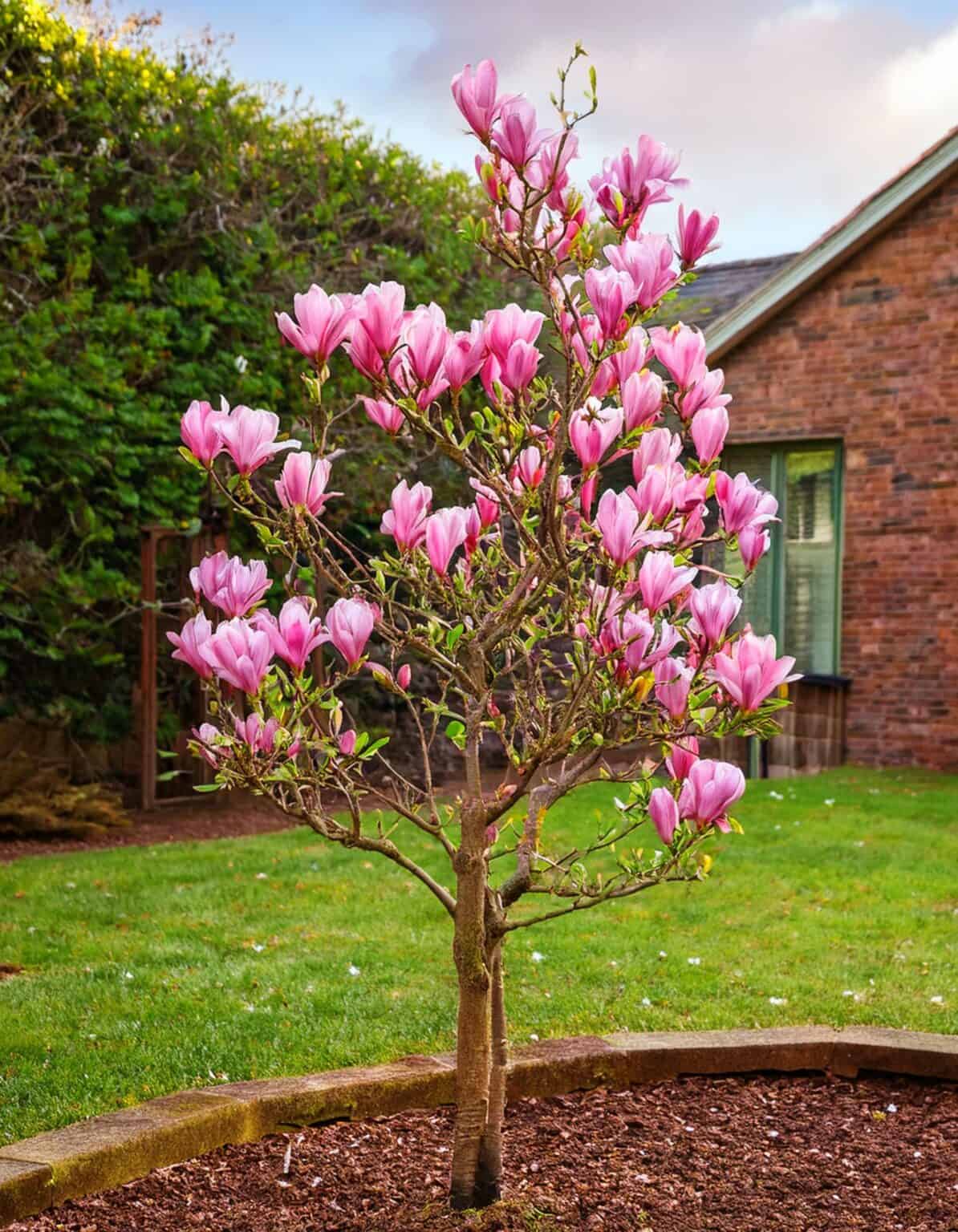
For a garden filled with spectacular spring and summer interest, the three best magnolia varieties are the Star Magnolia (Magnolia stellata), the Saucer Magnolia (Magnolia × soulangeana), and the 'Little Gem' Southern Magnolia (Magnolia grandiflora). These selections provide a range of sizes, bloom shapes, and foliage types suitable for various climates and landscape constraints, ensuring a high-impact aesthetic in both small and large spaces.
Selecting the Perfect Magnolia for Your Landscape
Magnolias are often considered the "aristocrats" of the garden world, boasting a lineage that dates back nearly 100 million years. In the 2026 planting season, they remain a top choice for homeowners looking to increase property value and ecological diversity. However, choosing the right variety requires more than just picking a pretty flower. One must consider the growth habit (deciduous vs. evergreen), the eventual height, and the specific hardiness zone of the region.
The deciduous varieties, such as the Star and Saucer magnolias, are famous for their "precocious" blooming habit—meaning they produce flowers on bare branches before the leaves emerge. This creates a dramatic, unobstructed display of color. Conversely, evergreen varieties like the 'Little Gem' provide year-round structure and privacy, with blossoms appearing sporadically throughout the warmer months.
Before committing to a specific tree, gardeners must evaluate their soil. Magnolias generally prefer slightly acidic, moist, but well-drained soil. They are sensitive to "wet feet," meaning their roots can rot if left in standing water. Furthermore, their fleshy roots are easily damaged by compaction or aggressive digging, so selecting a permanent "forever home" for these trees is a critical first step.
Magnolia stellata: The Radiant Star of Early Spring
The Magnolia stellata, commonly known as the Star Magnolia, is one of the most resilient and rewarding deciduous shrubs or small trees available to the modern gardener. Originating from Japan, this species is celebrated for its early-season blooms, which often appear in late winter or very early spring, signaling the end of the dormant season.
Key Characteristics and Visual Appeal
The Star Magnolia produces white or pale pink flowers that are distinctly different from the cup-shaped blooms of its relatives. Each flower consists of 12 to 18 thin, strap-like tepals (a term used when petals and sepals are indistinguishable) that fan out to resemble a star. These blooms are often highly fragrant, filling the surrounding air with a light, sweet scent.
Growing to a mature height of 10 to 20 feet with a similar spread, the M. stellata is an ideal choice for smaller urban gardens or as a focal point in a mixed border. In 2026, the cultivar 'Royal Star' remains a favorite among horticulturists because its buds open slightly later than the species, offering better protection against late-season frosts that can turn early blossoms brown.
Cultivation Requirements
This variety thrives in USDA Hardiness Zones 4 through 8. It prefers full sun but can tolerate partial shade, though fewer flowers will be produced in shadier spots. Because it is a slow grower, it requires patience but rewards the gardener with a dense, multi-stemmed form that provides architectural interest even in winter. It is essential to mulch around the base to keep the shallow root system cool and hydrated during the heat of July and August.
Magnolia × soulangeana: The Timeless Saucer Magnolia
If you are looking for the quintessential "tulip tree" appearance, the Magnolia × soulangeana is the gold standard. A hybrid created in the early 19th century by Etienne Soulange-Bodin, this tree has dominated temperate landscapes for over two centuries. Its popularity in 2026 persists due to its sheer floral volume and robust nature.
The Impact of Large-Scale Blooms
The Saucer Magnolia is known for its massive, goblet-shaped flowers that can reach up to 10 inches across. The color palette typically ranges from creamy white at the tips to deep purple or magenta at the base of the petals. Unlike the delicate Star Magnolia, the Saucer Magnolia has a more substantial presence, often reaching 20 to 30 feet in height. It develops a wide, spreading canopy that provides excellent shade once the floral display has finished and the large, leathery green leaves have fully expanded.
Site Considerations and Frost Mitigation
The primary challenge with M. × soulangeana is its tendency to bloom early, making it susceptible to late-spring frosts. A single freezing night can ruin the entire year's floral display. To mitigate this, plant the tree in a sheltered location, perhaps near a south-facing wall or protected by a windbreak of taller evergreens. The heat radiation from a building can sometimes provide just enough warmth to save the buds during a cold snap. It is widely adaptable to different soil types, provided they are not excessively alkaline, as high pH levels can lead to iron chlorosis (yellowing of the leaves).
Magnolia grandiflora 'Little Gem': The Compact Evergreen Powerhouse
For gardeners in warmer climates (Zones 7-9), the Southern Magnolia is an icon. However, the standard species can reach a gargantuan 80 feet, making it impractical for most residential lots. Enter the 'Little Gem' cultivar, a dwarf version that offers all the beauty of the Southern Magnolia in a fraction of the space.
Year-Round Aesthetic Value
'Little Gem' is an evergreen, meaning it retains its foliage throughout the winter. The leaves are a deep, glossy green on top with a beautiful rusty-brown, fuzzy underside (known as indumentum). This contrast is visually striking, especially when the wind catches the leaves.
The flowers of the 'Little Gem' are traditional Southern Magnolia blossoms: large, creamy white, waxy, and incredibly fragrant with a lemon-citrus scent. Unlike the spring-blooming deciduous types, 'Little Gem' starts blooming in late spring and continues to produce flowers sporadically throughout the summer and into the fall.
Practical Benefits for Modern Gardens
Because it grows vertically and remains relatively narrow (reaching about 15–20 feet tall and 8–10 feet wide), 'Little Gem' is frequently used as a "living fence" or a privacy screen. It is more drought-tolerant than the deciduous magnolias once established, though it still appreciates regular watering during dry spells. In the 2026 landscape design market, this variety is highly sought after for its ability to provide structural "weight" to a garden without overwhelming the property.
Critical Planting and Care Requirements for 2026
To ensure these three magnolias reach their full potential, gardeners must adhere to specific planting protocols. The following table summarizes the key environmental needs for each variety to help you determine which is best for your specific site.
| Feature | Star Magnolia (M. stellata) | Saucer Magnolia (M. × soulangeana) | 'Little Gem' (M. grandiflora) |
|---|---|---|---|
| Bloom Time | Late Winter / Early Spring | Early Spring | Late Spring through Fall |
| Flower Shape | Star-shaped, thin petals | Cup/Saucer-shaped | Large, waxy bowl |
| Foliage Type | Deciduous | Deciduous | Evergreen |
| Max Height | 10–20 Feet | 20–30 Feet | 15–25 Feet |
| USDA Zones | 4–8 | 4–9 | 7–9 |
| Light Need | Full Sun to Partial Shade | Full Sun | Full Sun to Partial Shade |
| Growth Rate | Slow | Medium | Slow to Medium |
Soil Preparation and Drainage
Regardless of the variety chosen, soil preparation is the most important factor in long-term success. Magnolias have a unique root structure; they lack the fine "hair roots" found on many other trees, making them less efficient at absorbing water in poor conditions.
- Test the pH: Aim for a range between 5.5 and 6.5. If your soil is too alkaline, you can amend it with elemental sulfur or use acid-loving fertilizers.
- Organic Matter: Incorporate compost or aged manure into the planting hole to improve drainage and nutrient availability.
- The "High" Planting Rule: Always plant magnolias slightly higher than they were in the nursery pot. The top of the root ball should be about an inch above the surrounding soil level to prevent water from pooling around the trunk.
Troubleshooting Common Magnolia Challenges
While generally low-maintenance, magnolias are not entirely without issues. Recognizing symptoms early can prevent long-term damage to the tree's health and aesthetic value.
Magnolia Scale: This is the most common pest, appearing as white or tan bumps on the branches. These insects suck the sap from the tree and excrete "honeydew," which leads to the growth of black sooty mold. Treatment usually involves horticultural oils applied in the dormant season or systemic insecticides during the "crawler" stage in late summer. For more detailed pest management, resources like the Clemson University Extension offer comprehensive diagnostic guides.
Leaf Spot and Blight: In humid climates, fungal leaf spots can occur. While usually cosmetic, severe infections can cause premature leaf drop. Ensuring good air circulation by not overcrowding the garden and cleaning up fallen leaves in the autumn can significantly reduce fungal spore populations.
Pruning Mistakes: One of the most common errors is over-pruning. Magnolias do not heal as quickly as oaks or maples. Pruning should be kept to a minimum—only removing dead, damaged, or crossing branches. If you must prune for shape, do so immediately after the tree has finished blooming to avoid cutting off next year's flower buds.
FAQ
Can I grow these magnolias in large pots or containers?
The Star Magnolia (M. stellata) is the best candidate for container growth due to its slow growth rate and compact size. Use a large, heavy pot with excellent drainage and a high-quality potting mix designed for acid-loving plants. Ensure the container is placed in a spot that receives at least 6 hours of sunlight.
Why is my magnolia not blooming?
A lack of blooms is usually caused by one of three things: the tree is too young (some varieties take 3-5 years to establish), a late frost killed the buds, or the tree is receiving too much nitrogen fertilizer (which promotes leaves at the expense of flowers). Ensure you are using a balanced fertilizer or one specifically formulated for flowering trees.
Do magnolias have invasive roots?
Magnolia roots are generally considered non-invasive in terms of cracking foundations, but they are very wide-spreading and shallow. Because they stay near the surface, they can sometimes lift paving stones or make it difficult to grow grass directly under the canopy. It is best to create a large mulched bed beneath the tree rather than trying to maintain a lawn right up to the trunk.
Which magnolia has the strongest scent?
While all three are fragrant, the 'Little Gem' Southern Magnolia generally has the most powerful and carrying scent, often described as a heavy, sweet lemon aroma. The Saucer Magnolia has a more subtle, spicy-sweet fragrance that is most noticeable on warm, still spring afternoons.
Choosing Your Next Steps
Selecting between these three stunning magnolias depends largely on your available space and your climate. If you have a small garden and want an early burst of white, the Star Magnolia is your best choice. For those with more room who desire a classic, dramatic spring centerpiece, the Saucer Magnolia remains unrivaled. If you reside in a warmer region and require year-round greenery with the bonus of fragrant summer flowers, the 'Little Gem' is an exceptional investment.
Before purchasing, visit a local arboretum or nursery to see these specimens in person. Seeing the mature scale and feeling the leaf texture can help you visualize how these trees will integrate with your existing landscape. Once planted, provide consistent water during the first two years, and you will be rewarded with decades of breathtaking blooms.