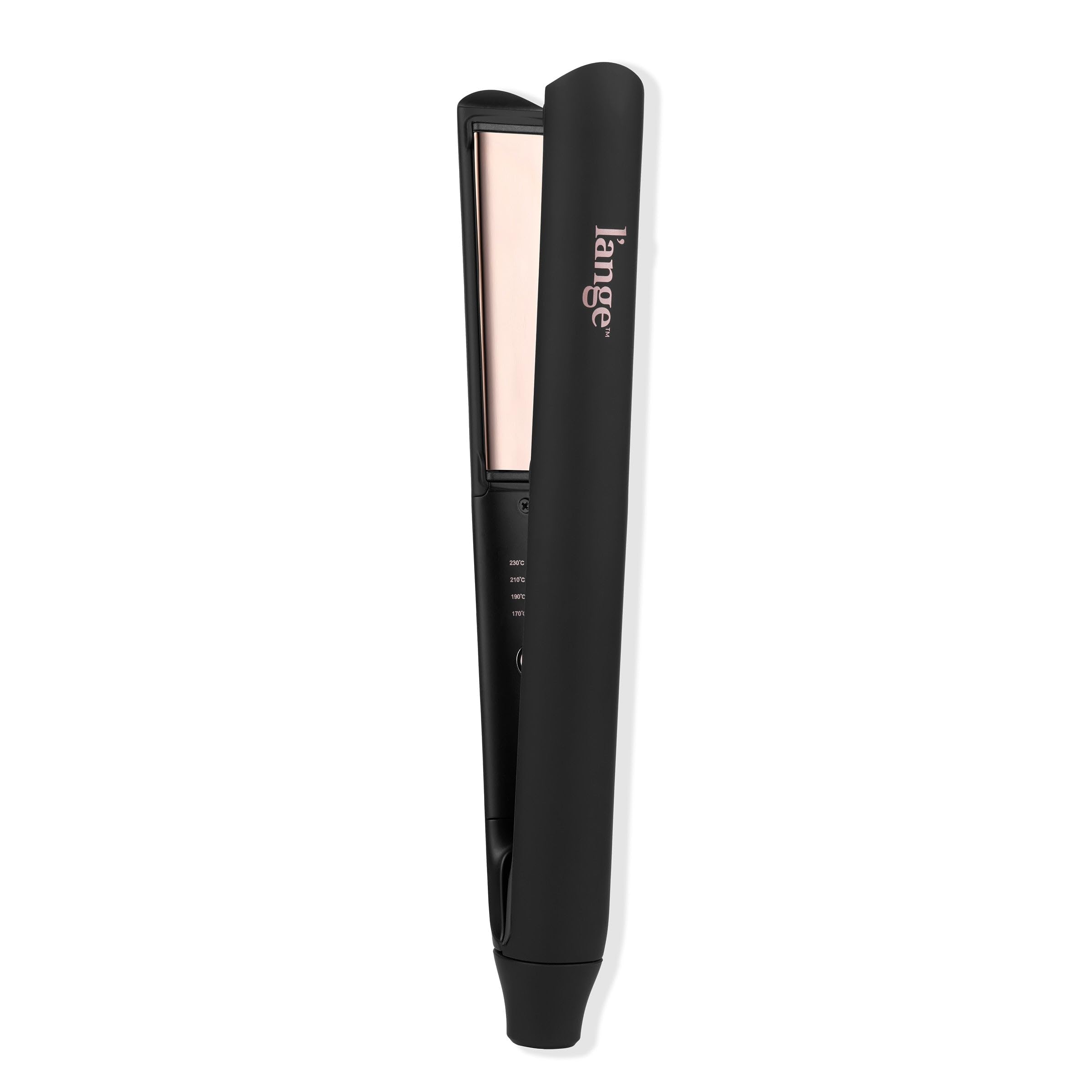
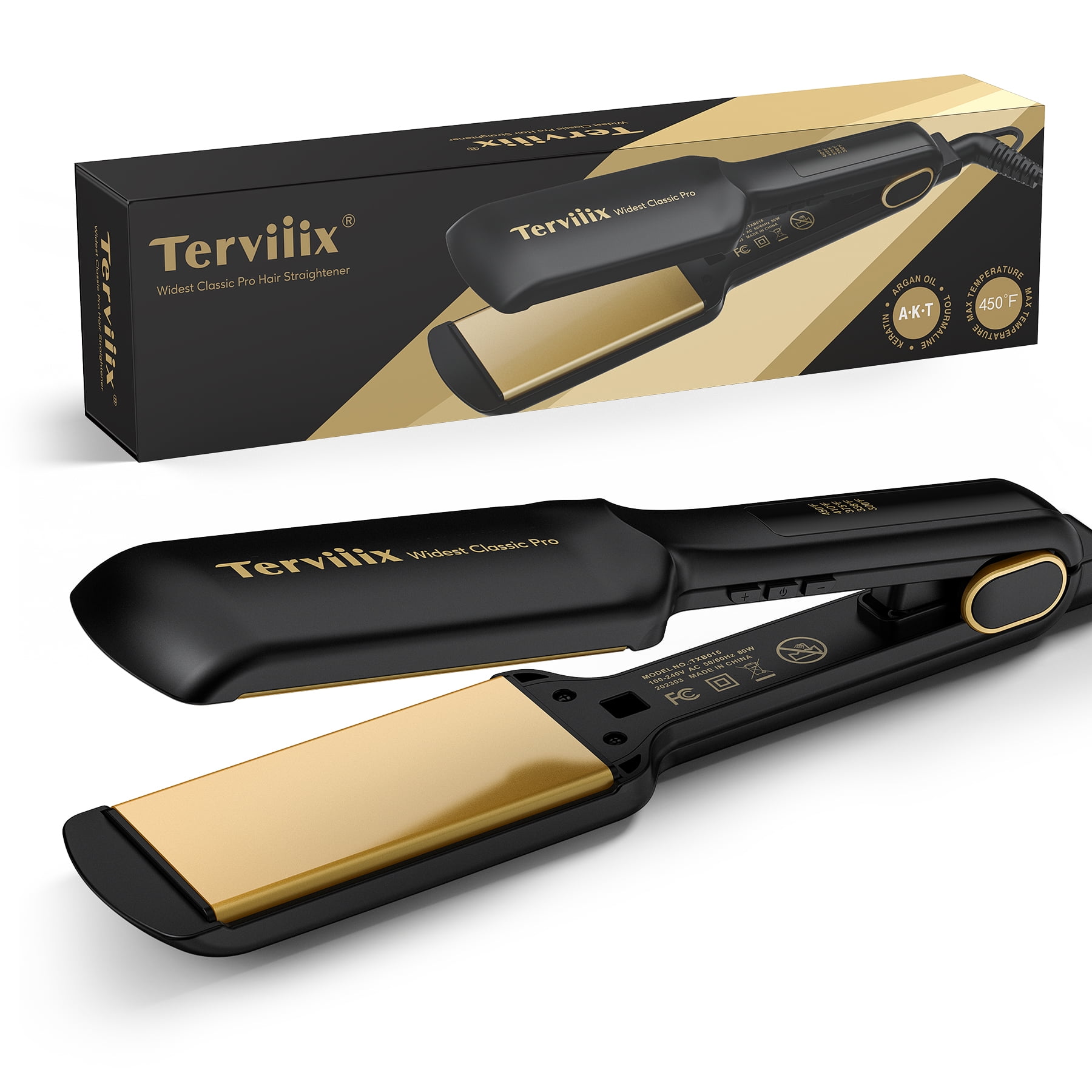
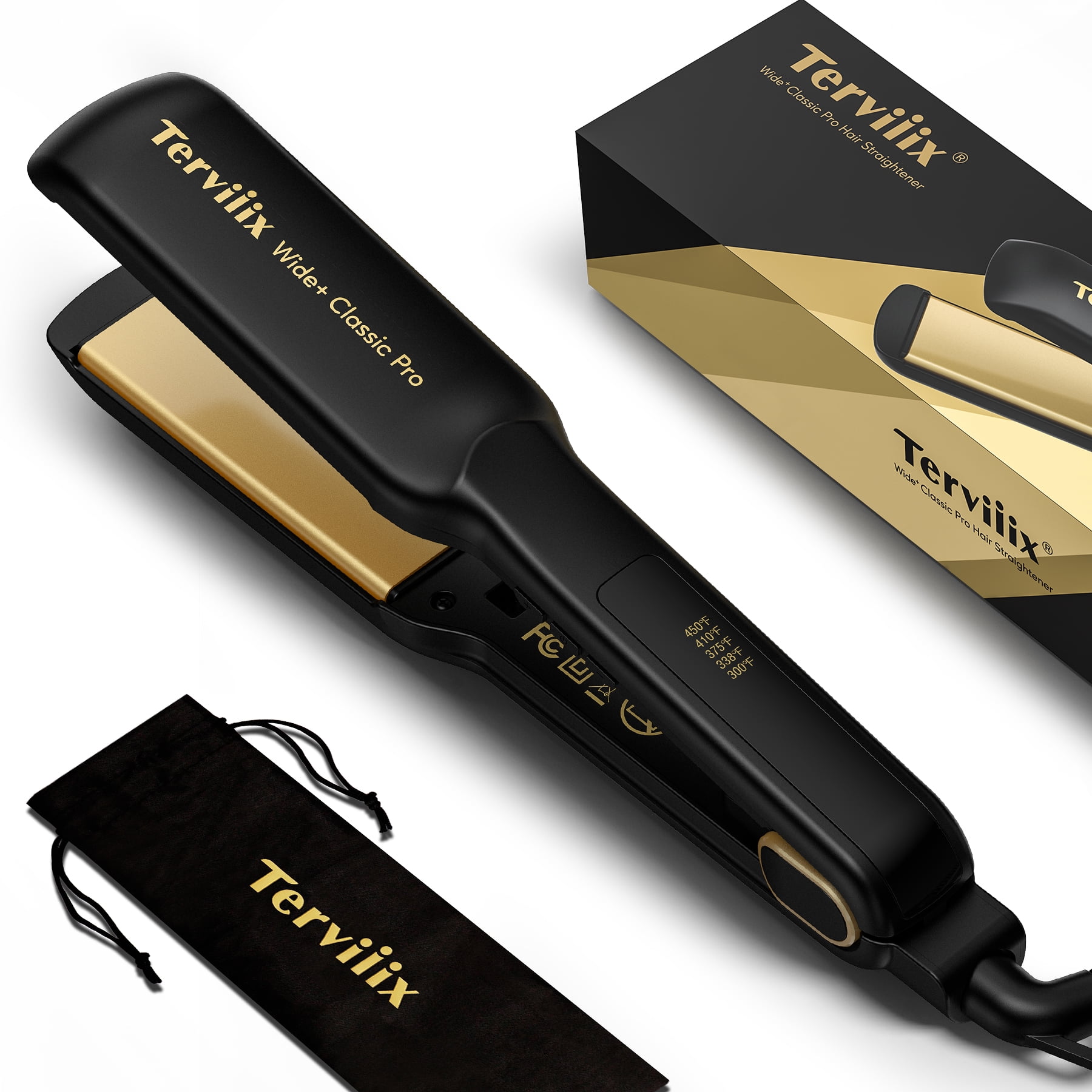
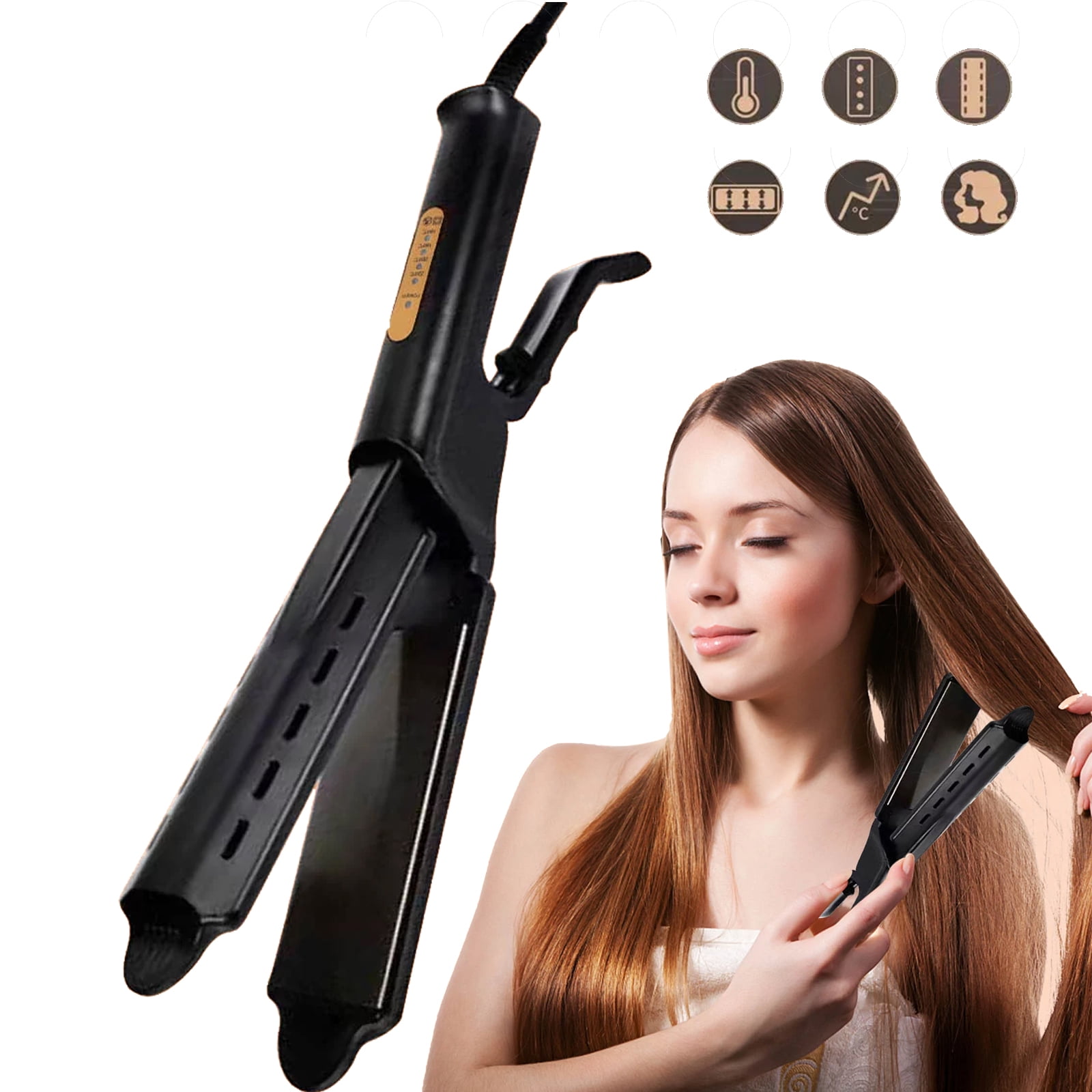
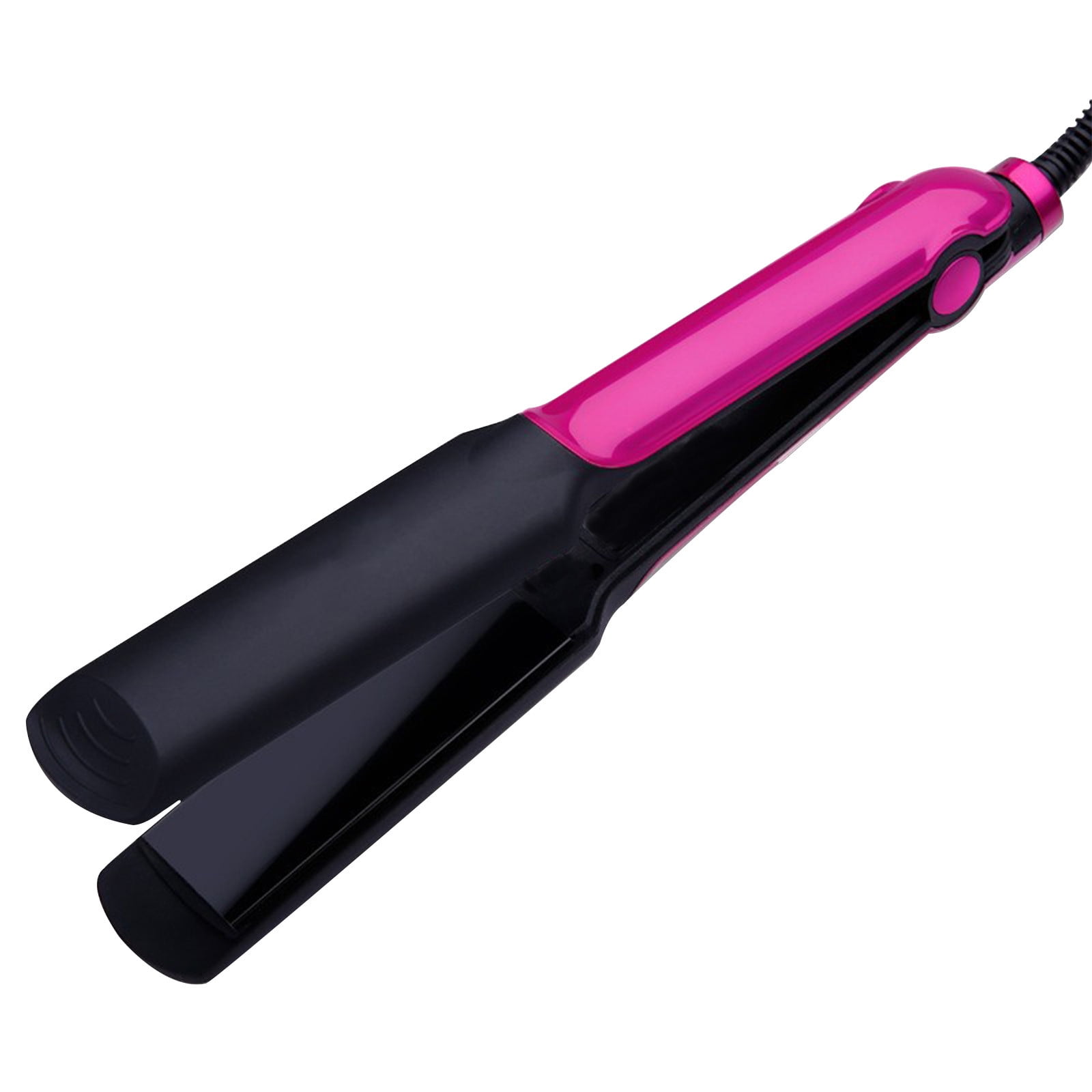
A 3-inch wide flat iron achieves sleek, straight hair in seconds by utilizing a massive surface area to process significantly wider sections of hair in a single pass. By distributing heat over a larger expanse, it reduces the number of strokes required, making it the most efficient tool for individuals with exceptionally long, thick, or coarse hair textures.
The Mechanics of Wide-Plate Technology
To understand how a 3-inch wide flat iron delivers results in seconds, one must look at the physics of heat distribution and surface contact. Standard flat irons typically feature 1-inch plates, which are versatile for curling and straightening but require thin, 1-inch sections of hair to ensure even heat penetration. A 3-inch plate triples that contact area. This means that instead of dividing the hair into twenty or thirty small subsections, a user can often manage their entire head in six to eight broad strokes.
In 2026, the technology within these wider plates has evolved to include multi-zone heating elements. Older wide irons often suffered from "cold spots" at the edges of the plates, but contemporary professional-grade 3-inch irons utilize Micro-Heating Matrix technology. This ensures that every millimeter of the 3-inch surface maintains a consistent temperature. When you pull a wide section of hair through these plates, the hair is exposed to uniform heat for a shorter duration, which is paradoxically safer for the hair cuticle than multiple passes with a smaller, less efficient iron.
The "in seconds" claim refers to the dwell time—the amount of time the iron must remain in contact with a specific section of hair. Because the plates are so wide, they provide more "soak time" for the heat as the iron glides down the hair shaft, allowing the hydrogen bonds in the hair to be reset into a straight configuration almost instantly.
Choosing the Right Plate Material for 2026
When selecting a 3-inch flat iron, the material of the plates is the most critical factor in determining both speed and hair health. By 2026, three primary materials dominate the professional market, each offering different benefits for those seeking a sleek finish.
Nano-Titanium Plates
Titanium is a highly conductive metal that heats up faster than any other material. For those looking for "seconds" to be a literal measurement, titanium is the standard. It provides high-intensity infrared heat that penetrates thick hair deeply. However, because it gets so hot so quickly, it requires a steady hand and a high-quality heat protectant to prevent thermal damage.
Ceramic and Tourmaline Infusion
Ceramic plates are prized for their even heat distribution and "gentle" infrared energy. In the 3-inch category, ceramic is often infused with crushed tourmaline gemstones. Tourmaline is a natural source of negative ions. When heated, these ions neutralize the positive ions found in dry or damaged hair, effectively "snapping" the cuticle shut. This results in the high-gloss, sleek look that characterizes a professional blowout.
Copper-Ceramic Hybrids
A newer standard in 2026, copper-ceramic hybrids provide the rapid heat-up of metal with the surface smoothness of ceramic. This reduces "friction drag," a common issue with wider plates where the hair might catch or pull due to the increased surface tension.
Comparing Plate Widths: Which is Right for You?
| Plate Width | Best Hair Length | Hair Type | Primary Benefit |
|---|---|---|---|
| 0.5 - 1 Inch | Short to Medium | Fine, Bangs, Styling | Precision, curling capability, root access. |
| 1.5 - 2 Inches | Medium to Long | Normal to Thick | Faster straightening, still manageable weight. |
| 3 Inches | Long to Extra-Long | Very Thick, Coarse, Curly | Maximum time savings, one-pass straightening. |
Step-by-Step Guide: Achieving the Sleek Look Quickly
Using a 3-inch flat iron requires a slightly different technique than a standard tool. Because the tool is heavier and covers more area, precision in preparation is key to achieving that "seconds-fast" result.
1. Preparation and Thermal Protection
Never use a 3-inch iron on damp hair unless the tool is specifically rated as "Wet-to-Straight" (though these are less common in professional 2026 circles due to steam-damage risks). Apply a high-grade silicone or oil-based heat protectant. Modern formulas in 2026 often include "flash-dry" polymers that help the iron glide even faster.
2. Strategic Sectioning
Even though the iron is wide, you shouldn't just grab random chunks of hair. Divide your hair into four main quadrants: two in the front and two in the back. Because the plates are 3 inches wide, each quadrant can often be handled in just two horizontal passes.
3. The "Comb-Chase" Method
For the sleekest possible finish, place a fine-tooth carbon comb directly in front of the flat iron as you move down the hair shaft. This ensures that every hair strand is perfectly parallel before it hits the heat, preventing "kinks" that would require a second pass. With a 3-inch iron, this method is incredibly effective because the width of the iron matches the width of most styling combs.
4. Tension and Speed
Maintain firm tension on the hair. The 3-inch plates provide significant surface pressure, so a slow, steady "one-pass" motion is better than three fast, flicking motions. The goal is to see the hair emerge from the back of the plates perfectly straight and reflective.
Heat Management and Hair Health
The primary risk of using a 3-inch wide flat iron is the temptation to use excessive heat to compensate for the volume of hair being styled. In 2026, most high-end tools feature Intelligent Heat Control. These sensors check the plate temperature up to 100 times per second to ensure that the contact with hair doesn't cause the plate temperature to sag, which is what usually leads to the need for multiple passes.
For fine hair, even if it is long, temperatures should stay between 300°F and 350°F. For thick, coarse, or highly textured hair (Types 3C to 4C), temperatures of 380°F to 410°F may be necessary. Using a 3-inch iron at these higher temperatures is only recommended if you can finish the section in one pass. Prolonged exposure to high heat on such a large surface area can lead to "bubble hair" or moisture loss if not managed correctly.
Common Mistakes to Avoid with Large Flat Irons
One frequent error is trying to use a 3-inch iron on short hair or for "shaping" the ends. Large plates are not designed for bobs, pixies, or adding curls. Using a tool this wide on short hair often results in "stair-step" kinks because the plates cannot get close enough to the scalp or follow the curve of the head.
Another mistake is neglecting the weight of the tool. A 3-inch iron is significantly heavier than a 1-inch iron. Users often experience wrist fatigue, which leads to uneven pressure. To avoid this, ensure you are holding the iron at the "sweet spot" (the balance point) and let the plates do the work rather than squeezing the handles with excessive force. Modern 2026 designs have improved ergonomics, using lightweight magnesium alloys for the casing to mitigate this weight, but the physical mass of the plates remains a factor.
Maintenance and Longevity of Your Styling Tool
To keep your 3-inch wide flat iron performing at peak efficiency, regular maintenance is required. Because the surface area is so large, it collects more product buildup (from hairsprays and protectants) than smaller irons.
- Cleaning: Once the iron is completely cool, wipe the plates with a soft microfiber cloth dampened with a small amount of rubbing alcohol. This removes the "film" that can cause dragging and uneven heating.
- Storage: Always store the iron with the plates locked or in a heat-resistant sleeve. Large plates are more susceptible to scratching, and even a small nick in the ceramic or titanium coating can snag hair and cause breakage.
- Cord Care: Professional 3-inch irons draw more power. Ensure the swivel cord is not tangled or frayed, as this can lead to intermittent heating issues.
FAQ: Maximizing Efficiency with Wide Flat Irons
Can a 3-inch flat iron be used on wet hair?
Unless specifically labeled as a "wet-to-dry" model, you should never use a flat iron on wet hair. Doing so causes the water in the hair shaft to turn into steam instantly, which can burst the hair cuticle—a phenomenon known as "bubble hair." Always blow-dry your hair to at least 90% dryness before using a wide iron for the final sleek finish.
Is a 3-inch iron better than a 1-inch iron for thick hair?
Yes, for the specific task of straightening. A 3-inch iron covers more surface area, meaning you can finish your styling routine in roughly one-third of the time. However, it lacks the versatility of a 1-inch iron, which can also be used to create waves and curls. For many users in 2026, the 3-inch iron is a secondary tool used specifically for "speed days."
Will a 3-inch flat iron damage my hair more because it is bigger?
Not necessarily. In fact, if used correctly, it can be less damaging. Damage usually occurs from "over-processing"—passing the iron over the same section of hair multiple times. Because a 3-inch iron is designed for one-pass straightening, the total heat exposure time for each strand is often lower than it would be with a smaller iron.
Can I use a 3-inch iron to curl my hair?
It is extremely difficult to curl hair with a 3-inch iron. The plates are too wide to create a tight or even a loose bend without creating sharp angles. If you want curls or waves, a 1-inch or 1.25-inch iron with rounded edges is the appropriate tool. The 3-inch iron is a specialist tool meant strictly for a flat, sleek, and "glass hair" aesthetic.
Selecting Your Optimal Styling Routine
For those with significant hair volume, the transition to a 3-inch wide flat iron is often a "game-changer" for morning routines. To get the most out of your tool in 2026, pair it with an ionic hair dryer to prep the hair and a lightweight finishing gloss to seal the style. If your goal is to achieve sleek, straight hair in seconds, prioritize a model with titanium plates and digital temperature memory. By focusing on one-pass efficiency and proper thermal protection, you can achieve salon-quality results without the time-intensive labor of traditional small-plate styling.