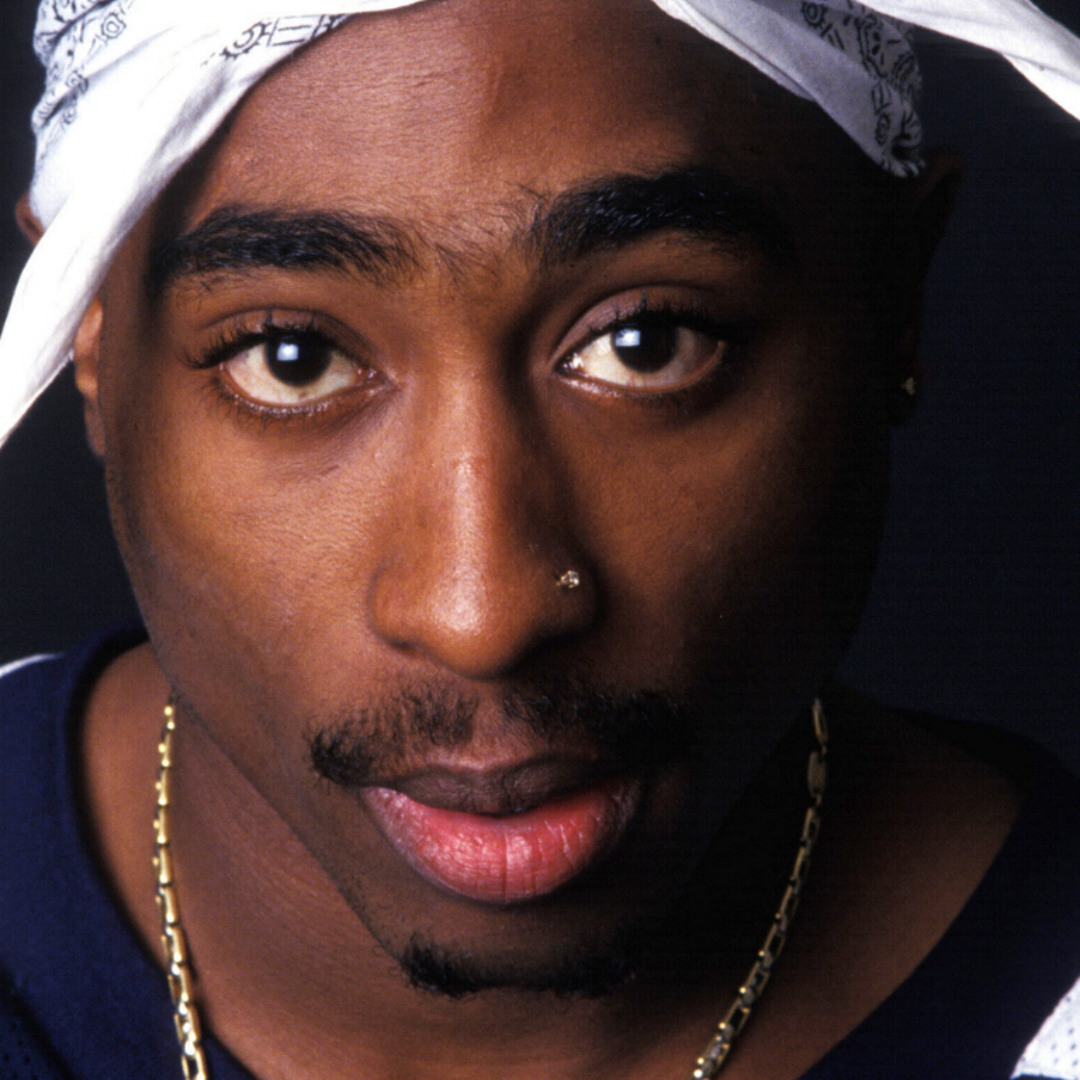
The period involving Tupac Shakur’s tenure at Death Row Records is often characterized by the eleven months between his release from prison in October 1995 and his death in September 1996. While the physical time was brief, the legal, financial, and cultural "untold story" of his contract and its repercussions spanned nearly two decades of litigation and legacy disputes. This era remains the most prolific and controversial chapter of his life, defining the trajectory of West Coast hip-hop.
The Genesis of the Death Row Deal
To understand the full scope of the Tupac-Death Row relationship, one must look at the conditions of his entry into the label. In 1995, Tupac Shakur was incarcerated at the Clinton Correctional Facility in New York, serving a sentence for first-degree sexual abuse. Financially depleted and feeling abandoned by his former associates, Tupac was at his most vulnerable.
Suge Knight, the CEO of Death Row Records, recognized a strategic opportunity. He visited Tupac in prison with a proposition: Death Row would post the $1.4 million bail required for his appeal in exchange for a three-album recording contract. This was not merely a business transaction; it was a life-altering "Faustian bargain." Tupac signed the contract on a piece of notebook paper, an informal beginning to a partnership that would generate hundreds of millions of dollars but ultimately end in tragedy.
The "untold" aspect of this deal involves the extreme pressure Tupac felt to produce. Having been bailed out, he was essentially an indentured servant to the label until his debt—the bail money plus recording costs—was repaid. This pressure fueled the manic work ethic that saw him recording dozens of tracks within weeks of his release.
The Recording Frenzy and Creative Output
Upon arriving in Los Angeles in October 1995, Tupac went directly from the airport to Can-Am Studios. The atmosphere at Death Row was unlike anything he had experienced at Interscope or Tommy Boy. It was a high-pressure, high-stakes environment where the lines between the music business and street interests were frequently blurred.
All Eyez on Me: A Cultural Shift
The first major product of this era was All Eyez on Me, rap’s first major-label double album. Recorded in just two weeks, the album served as a public manifesto. It shifted Tupac’s persona from the socially conscious "soul rebel" of Strictly 4 My N.I.G.G.A.Z. to a defiant, "thug life" figurehead. The "untold story" of the album’s production lies in the sheer volume of unreleased material. For every song that made the cut, several others were archived, forming the basis of the posthumous albums that would be released over the next 15 years.
The Makaveli Persona
In the months leading up to his death, Tupac began recording under the alias Makaveli. The Don Killuminati: The 7 Day Theory was recorded in August 1996 in just seven days. This period revealed a darker, more paranoid Tupac, influenced by the works of Niccolò Machiavelli. The lyrics were filled with vitriol toward his rivals and a sense of impending doom, leading many to later speculate about his awareness of the dangers surrounding the label.
The Internal Mechanics of Death Row Records
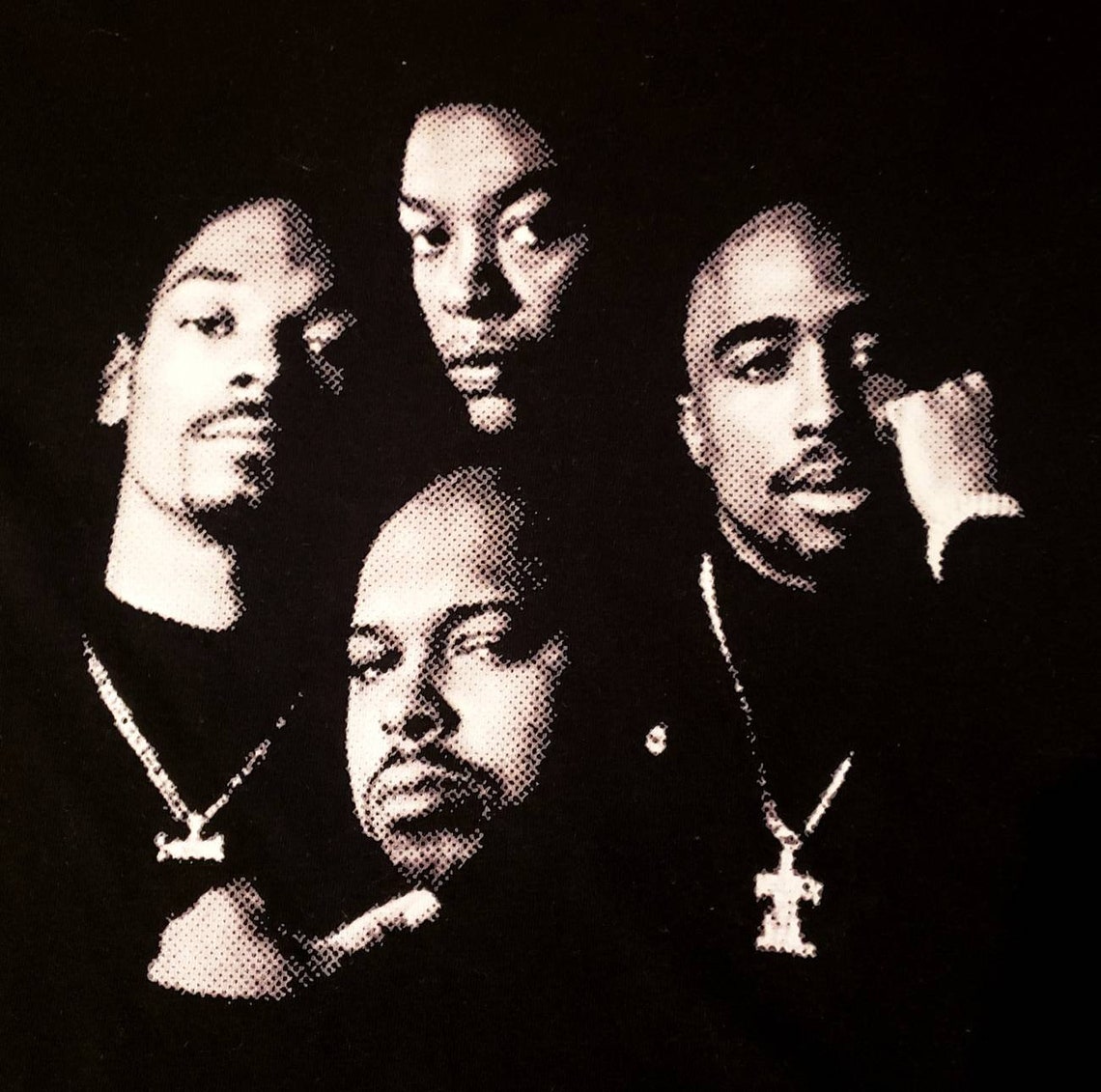
Death Row Records in 1996 was more than a record label; it was a paramilitary organization with Suge Knight at the helm. The "untold story" involves the internal friction that eventually tore the label apart. While Tupac was the flagship artist, his arrival caused tension with established acts like Dr. Dre and Snoop Dogg.
- The Departure of Dr. Dre: Dre, a co-founder of the label, grew weary of the violence and the influence of the Mob Piru Bloods within the company. Tupac viewed Dre’s lack of participation in the "East Coast vs. West Coast" feud as disloyalty, a sentiment encouraged by Suge Knight.
- The Financial Fog: Despite the massive success of his albums, Tupac reportedly had very little liquid cash. Death Row paid for his cars, his house, and his jewelry, but these were often owned by the label or Suge Knight personally. By 2026 standards, this would be classified as a predatory predatory lending arrangement masquerading as a talent contract.
- Security and Surveillance: Tupac was surrounded by Death Row security, many of whom were off-duty LAPD officers or individuals with deep gang ties. This created a bubble that both protected him and isolated him from outside influences who might have encouraged a more peaceful path.
The Legal and Posthumous Saga: The Real "16 Years"
While Tupac only spent a year at the label before the Las Vegas shooting, the legal battles over his "Death Row years" lasted for nearly two decades. The "untold story" of his legacy is one of litigation. Following his death, his mother, Afeni Shakur, fought a grueling legal battle to regain control of his unreleased master recordings and unpaid royalties.
| Key Event | Date | Significance |
|---|---|---|
| Bail Agreement | Oct 1995 | Suge Knight pays $1.4M to release Tupac from prison. |
| Release of All Eyez on Me | Feb 1996 | Certified Diamond; highest-selling album of his career. |
| The Las Vegas Shooting | Sept 7, 1996 | Tupac shot after the Tyson-Seldon fight; dies Sept 13. |
| Death Row Bankruptcy | 2006 | The label collapses under debt and legal issues. |
| Afeni Shakur Lawsuit | 2013 | Settlement reached for unreleased recordings. |
| Snoop Dogg Acquisition | 2022 | Snoop Dogg buys Death Row, bringing the legacy full circle. |
| Current Estate Status | 2026 | Managed by the Shakur Estate; focuses on digital preservation. |
The "16 years" often cited in discussions of the "untold story" refers to the period between 1996 and 2012, during which the majority of his posthumous catalog was released under various complicated licensing deals. During this time, fans were treated to a "new" Tupac album almost every two years, despite the artist being deceased. This period was marked by heavy criticism regarding the "over-production" and remixing of his original Death Row recordings.
The Mystery of the Unreleased Masters
A significant part of the "untold story" involves the fate of the master tapes. When Death Row went into bankruptcy in 2006, the assets were sold to WIDEawake Entertainment, then to Entertainment One (eOne), and eventually to Snoop Dogg. Throughout these transitions, the primary concern for historians and fans was the preservation of Tupac’s original, un-remixed Death Row sessions.
In 2026, musicologists have noted that the original 2-inch master tapes from the Can-Am sessions are among the most valuable artifacts in music history. These tapes contain not just the songs, but the raw studio banter and alternative takes that provide insight into Tupac’s state of mind. The struggle to keep these out of the hands of predatory speculators was a silent war fought by the Shakur estate for years.
Analysis of the East Coast vs. West Coast Conflict
The "Untold Story" cannot be told without addressing the escalation of the rivalry with Bad Boy Records. While the public saw it as a battle of egos between Tupac and The Notorious B.I.G., insiders suggest the conflict was exacerbated by Death Row’s leadership to maintain a "war footing" that ensured artist loyalty.
Tupac’s rhetoric during his Death Row year was significantly more aggressive than in his previous work. Tracks like "Hit 'Em Up" were not just diss tracks; they were tactical strikes designed to consolidate power in the West. However, the untold perspective from his close associates suggests that Tupac was planning to distance himself from this conflict—and Death Row itself—by launching his own label, "Euthanasia," shortly before his death.
FAQ: Clarifying the 2Pac and Death Row Legacy
How long was 2Pac actually signed to Death Row Records?
Tupac Shakur was officially signed to Death Row Records for approximately 11 months, from October 1995 until his death in September 1996. The "16 years" often associated with this era refers to the duration of the subsequent legal battles over his estate and the release of his posthumous material.
Did 2Pac own his music while at Death Row?
No. Under the terms of the contract Suge Knight presented, the label owned the master recordings. Furthermore, because Death Row fronted the money for his bail and lifestyle, Tupac was technically in debt to the label. It took years of posthumous litigation by his mother, Afeni Shakur, to secure the rights to his music.
What is the "Untold Story" regarding his final days?
The untold story focuses on Tupac’s growing desire to leave the label. By late 1996, he had expressed intentions to start his own company and was becoming increasingly frustrated with Suge Knight’s management of the label’s finances and the violent reputation that followed them.
Was 2Pac’s bail really $1.4 million?
Yes, the bail was set at $1.4 million pending his appeal. Suge Knight’s ability to pay this amount in cash is what solidified the bond between the two, although it created a financial obligation that Tupac struggled to settle during his lifetime.
How much unreleased Death Row material remains in 2026?
As of 2026, most of the "finished" songs have been released in various forms. However, the Shakur estate and current owners of Death Row (Snoop Dogg) still hold hours of raw studio sessions, alternative takes, and demos that have never been heard by the general public.
Verification and Next Actions for Historians
For those seeking to verify the details of the Tupac-Death Row era, the most reliable sources remain the 2006 bankruptcy filings of Death Row Records, which detailed the label's financial mismanagement, and the various court depositions from the Shakur Estate vs. Death Row lawsuits.
If you are researching this era, the next logical step is to examine the "Makaveli" recordings in the context of Tupac's 1996 interviews. These interviews, many of which were suppressed or edited at the time, provide the clearest evidence of his changing perspective on Suge Knight and the "Death Row family." Understanding the distinction between the public "Thug Life" persona and the private individual who was attempting to settle his debts and move into film and social activism is essential to grasping the complete "untold story."