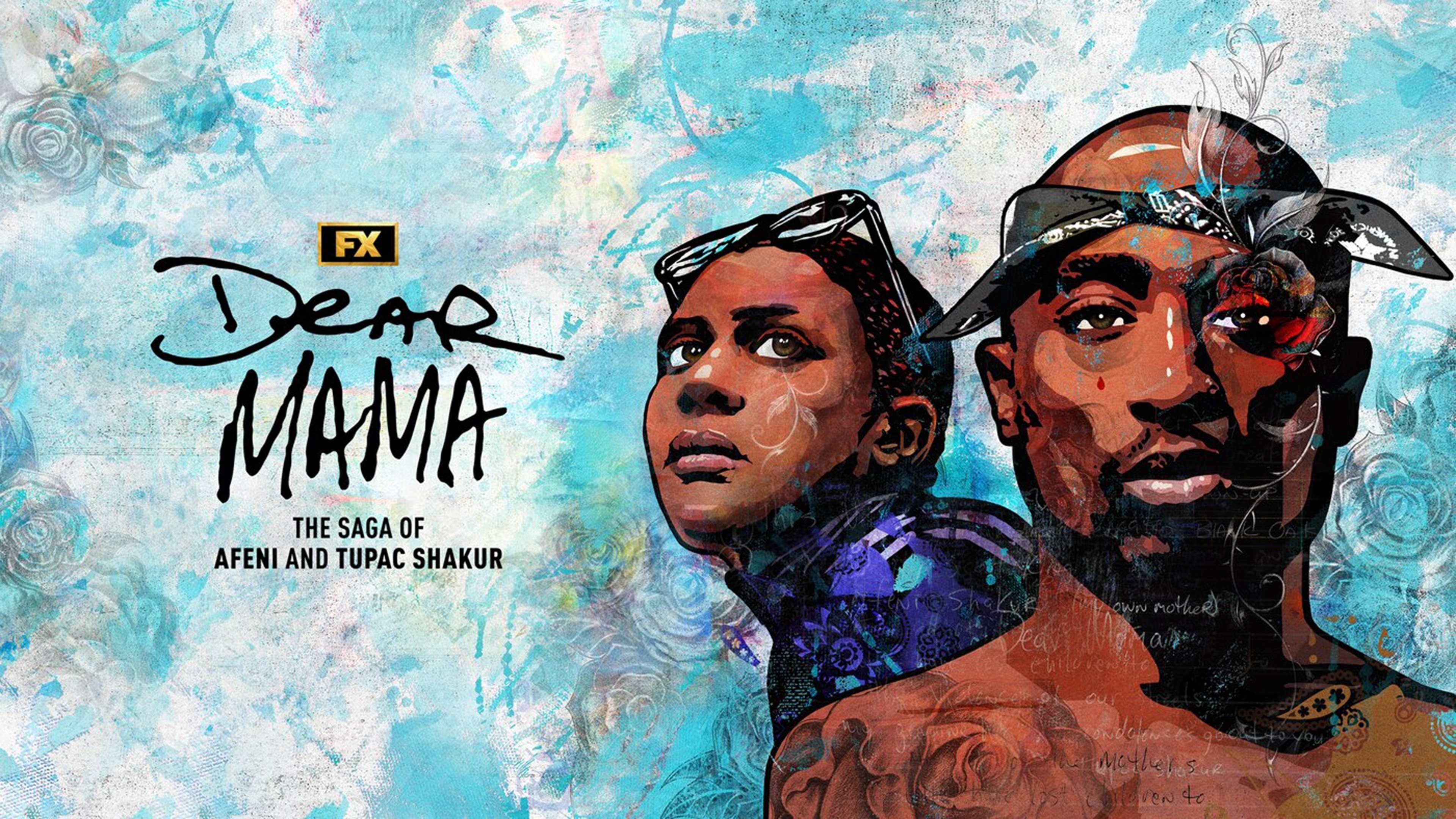
Tupac Shakur’s identity was deeply rooted in the lives of his parents, Afeni Shakur and Billy Garland. Afeni, a prominent Black Panther, provided the revolutionary framework for his lyrics, while his estranged father, Billy Garland, represented a complex biological and ideological connection that Tupac only confronted later in life.
The story of Tupac Amaru Shakur is inseparable from the political and social upheaval of the late 20th century, a period defined by the activism of his parents. To understand the "Rose that Grew from Concrete," one must look at the soil provided by Afeni Shakur and Billy Garland. Both figures were members of the Black Panther Party, a fact that fundamentally shaped Tupac’s worldview, his poetic sensitivity, and his "Thug Life" philosophy. As we reflect from the vantage point of 2026, the legacies of these two individuals continue to offer vital insights into the generational struggles of the Black power movement and the personal burdens carried by its children.
The Revolutionary Matriarch: Afeni Shakur’s Formative Influence
Afeni Shakur, born Alice Faye Williams, was far more than the subject of the iconic tribute "Dear Mama." She was a formidable political strategist and a member of the Black Panther Party’s New York chapter. Her most significant historical moment—prior to becoming the mother of a global superstar—was her involvement in the "Panther 21" case. In 1969, she and 20 other members were charged with conspiracy to bomb public places in New York.
While pregnant with Tupac, Afeni acted as her own attorney, facing a potential 300-year sentence. Her acquittal in May 1971, just one month before Tupac’s birth, is often cited as a testament to her intellect and resilience. This period of prenatal incarceration and legal battle is foundational to the "warrior" spirit Tupac often referenced. Afeni did not just raise a son; she raised a revolutionary who was taught to question authority and understand the systemic pressures of poverty and racism.
However, the post-Panther years were fraught with hardship. The decline of the movement, combined with the pressures of single motherhood and systemic disenfranchisement, led Afeni into a period of addiction to crack cocaine in the 1980s. This era of her life provided the "concrete" from which Tupac grew. His later lyrics frequently balanced intense resentment toward his mother's addiction with profound empathy for the societal forces that pushed her there. By the time of her passing in 2016, Afeni had successfully managed her son's massive estate for two decades, ensuring his artistic integrity remained intact.
Billy Garland: The Absent Father and the Panther Connection
For the majority of his life, Tupac believed his biological father was either deceased or irrelevant. He was raised primarily by Afeni and his stepfather, Mutulu Shakur. It wasn't until Tupac was an adult—specifically after he was shot in 1994 at Quad Studios—that Billy Garland re-emerged. Garland, like Afeni, had been a member of the Black Panther Party, which explains the shared ideological DNA that Tupac possessed even without Garland's physical presence.
Garland’s absence created a void that Tupac often filled with a search for male mentorship and father figures, ranging from the revolutionary Mutulu Shakur to the industry mogul Marion "Suge" Knight. When Garland and Tupac finally met in the hospital following the 1994 shooting, the encounter was bittersweet. Tupac noted the striking physical resemblance—the same eyes and facial structure—but the emotional distance remained.
The relationship between Tupac and Garland remained strained until the rapper's death in 1996. Following Tupac’s passing, Garland became a controversial figure in the media due to his legal attempts to claim a portion of the Shakur estate. Courts eventually ruled against him regarding the estate’s control, largely because he was not listed on the birth certificate and had not provided significant support during Tupac’s upbringing. Despite the legal friction, Garland remains a crucial piece of the puzzle in understanding Tupac’s genetic and political heritage.
Comparing the Legacies of Afeni Shakur and Billy Garland
The influence of both parents was instrumental, though they manifested in vastly different ways. Afeni provided the daily survival skills and the intellectual rigors of Black liberation theory, while Garland represented the "shadow" father—a reminder of the broken family structures common in the wake of the government's targeting of the Black Panther Party through programs like COINTELPRO.
| Feature | Afeni Shakur | Billy Garland |
|---|---|---|
| BPP Involvement | Highly active, "Panther 21" defendant | Active member, New York chapter |
| Relationship to Tupac | Primary caregiver, manager of estate | Estranged, reconnected in 1994 |
| Primary Influence | Political ideology, resilience, art | Genetic resemblance, sense of abandonment |
| Key Contribution | Founded the Tupac Amaru Shakur Foundation | Provided context for Tupac's "fatherless" lyrics |
| Legal Status | Sole heir/administrator (initially) | Unsuccessful claimant to the estate |
The Impact of Parental Activism on Tupac’s Art
Tupac’s discography is a direct reflection of his parents' activism. In songs like "Changes" and "Words of Wisdom," he utilizes the vocabulary of the Black Panther Party, discussing social programs, police brutality, and economic empowerment. This wasn't just "protest music" in a generic sense; it was a continuation of the work Afeni and Billy had started in the 1960s.
Afeni taught Tupac that his voice was a weapon. From his time at the Baltimore School for the Arts to his rise at Death Row Records, he viewed himself as a spokesperson for a disenfranchised generation. Even his more controversial "Thug Life" persona was, in his view, a political evolution. He argued that if the Black Panthers were the organized resistance, the "thugs" were the unorganized, desperate byproduct of the movement's destruction. By "unveiling the legacy" of his parents, we see that Tupac wasn't just a rapper; he was a legacy act of the American Civil Rights era, adapted for the hip-hop generation.
Legal Battles and the Preservation of the Shakur Estate
The management of the Shakur estate has been a point of significant public interest, particularly since Afeni Shakur's death in 2016. Since then, the estate has been managed by trustees who have overseen the release of posthumous albums, documentaries, and the "Wake Me When I'm Free" museum experience. As of 2026, the estate remains one of the most lucrative in the music industry, rivaling those of Elvis Presley and Michael Jackson.
Billy Garland’s legal challenges in the late 1990s set a precedent for how "absentee" parental rights are handled in the entertainment industry. The court’s decision to prioritize the parent who provided the actual "care and maintenance" of the child was a landmark for probate law involving high-net-worth artists. This legal history ensures that the proceeds of Tupac's work continue to fund the philanthropic goals Afeni set out, including arts programs for youth and social justice initiatives.
Managing the Shakur Legacy in 2026
As we observe the 30th anniversary of Tupac's passing in 2026, the focus has shifted from the tragedy of his death to the enduring power of his parents' lessons. Modern scholars and fans now view Afeni and Billy not just as footnotes in a biography, but as central figures in a larger American story about the struggle for racial equality.
The Tupac Amaru Shakur Foundation, reinvigorated by the lessons Afeni left behind, continues to address mental health and creative expression among urban youth. This focus on "holistic" activism is a direct extension of the Black Panther Party's Ten-Point Program, which sought to address everything from education to healthcare. The unveiling of this legacy reveals that the parents’ influence didn't end with Tupac’s life; it permeates the institutions built in his name.
Frequently Asked Questions
Did Billy Garland ever reconcile with Afeni Shakur?
There is no public evidence of a formal reconciliation between Afeni and Billy. Their interactions remained primarily logistical or legal, especially following Tupac’s death. Afeni remained critical of Garland's absence during Tupac’s formative years, and the legal battles over the estate further strained any potential for a relationship.
Was Tupac’s name changed by his parents?
Yes. He was born Lesane Parish Crooks. Afeni changed his name to Tupac Amaru Shakur when he was about a year old. "Tupac Amaru" is derived from the Quechua name meaning "shining serpent," named after the last indigenous monarch of the Inca Empire who led a revolt against Spanish rule. "Shakur" is Arabic for "thankful."
How did the Black Panther Party view Afeni and Billy?
Afeni was a highly respected figure within the party, particularly for her legal acumen during the Panther 21 trial. Billy Garland was an active member, but his legacy within the party is less documented than Afeni’s. The party’s decline in the 1970s affected both parents, leading to the economic and social struggles that defined Tupac’s early childhood.
Are there any living relatives of 2Pac today?
As of 2026, several family members remain active in preserving the legacy. This includes his sister, Sekyiwa "Set" Shakur, who has taken a prominent role in the Tupac Amaru Shakur Foundation and in protecting the family's interests in various legal and creative ventures.
Where should researchers look for more information?
To understand the full scope of the parents' legacy, one should consult the archives of the Black Panther Party and the specific legal records of the New York Supreme Court regarding the "Panther 21." Additionally, the documentary Dear Mama (2023) provides an in-depth look at the dual narrative of Afeni and Tupac, offering verified footage and interviews that clarify their complex bond.
Recommended Next Actions for Historians and Fans
To truly appreciate the depth of the Shakur legacy, it is recommended to move beyond the music and study the political climate of 1960s New York. Analyzing the transcripts of the Panther 21 trial provides a firsthand look at Afeni Shakur’s brilliant legal mind. Furthermore, visiting the permanent Tupac exhibits—such as those curated by his estate—allows for a deeper understanding of how his parents' revolutionary ideals were translated into his poetry and fashion. For those interested in the legal aspects of celebrity estates, reviewing the 2000s-era court filings between Billy Garland and the Shakur estate offers a masterclass in probate law and parental rights.