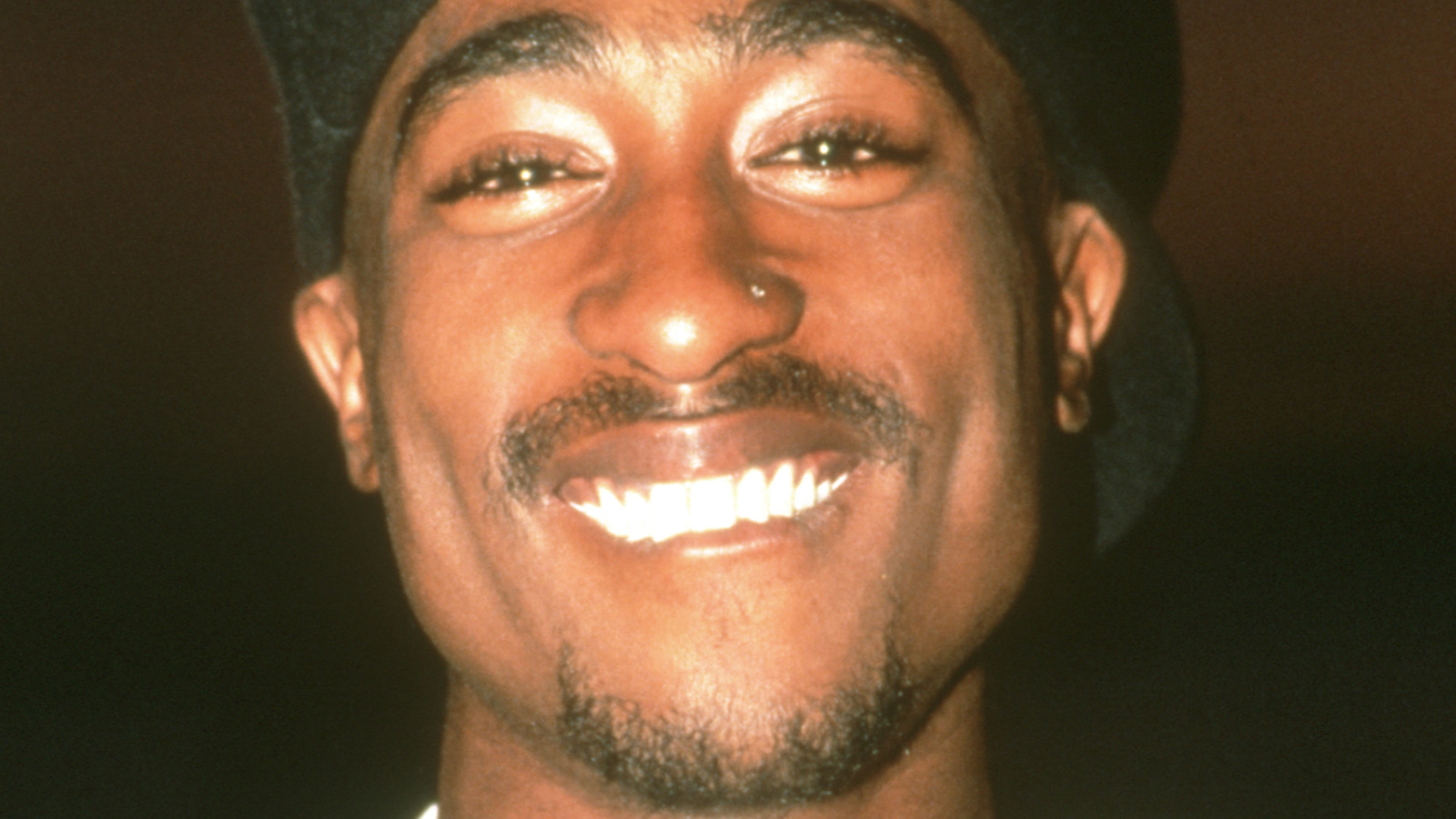
In 2017, the estate of Tupac Shakur (2pac) was valued at approximately $40 million. This valuation reflected the enduring commercial power of his music catalog, the release of the "All Eyez on Me" biopic, and the resolution of long-standing legal disputes regarding his royalties and unreleased recordings.
Tupac Shakur remains one of the most influential figures in music history, but his financial narrative is as complex as his lyrical themes. Unlike many of his contemporaries who amassed wealth during their lifetimes, the majority of Tupac’s financial legacy was built posthumously. By 2017, over two decades after his passing in September 1996, the management of his intellectual property had transformed a debt-ridden estate into a multi-million-dollar powerhouse.
The Financial Landscape of the 2pac Estate in 2017
To understand why the $40 million figure is significant, one must look at the specific events of 2017. This year marked a major milestone for the brand: the release of the long-awaited biopic, All Eyez on Me. While the film received mixed critical reviews, it was a commercial success, grossing over $55 million in the United States and Canada. The film's production and the subsequent surge in music streaming significantly inflated the estate's market value.
The estate's valuation is not merely a reflection of "cash in the bank." Instead, it is a calculation of his intellectual property (IP). This includes the master recordings, publishing rights, and the "right of publicity" (the legal right to control the commercial use of his name, image, and likeness). In 2017, these assets were being managed with renewed vigor following the passing of Tupac's mother, Afeni Shakur, in 2016. The transition of the estate to a trust managed by Tom Whalley, the former head of Warner Bros. Records who originally signed Tupac to Interscope, ensured that the icon's financial interests remained professionally curated.
From Debt to Millions: The Evolution of Posthumous Wealth
At the time of his death in 1996, Tupac’s personal finances were famously in disarray. Despite being the biggest star on Death Row Records, he reportedly owed the label approximately $4.9 million. Suge Knight, the CEO of Death Row, had advanced Tupac significant funds for legal fees, bail, and a lavish lifestyle, which were treated as recoupable expenses against his royalty earnings.
The transformation of his net worth involved several key phases:
- The Legal Recovery (Late 1990s): Afeni Shakur filed a lawsuit against Death Row Records to reclaim her son’s unreleased master recordings and unpaid royalties. The successful recovery of these tapes allowed for the creation of Amaru Entertainment.
- Posthumous Album Releases: Between 1996 and 2006, several posthumous albums—such as R U Still Down? (Remember Me) and Until the End of Time—were released, moving millions of units and clearing the initial debts.
- Global Brand Expansion: The estate expanded into merchandise, licensing, and documentaries, consistently keeping the 2pac name in the public eye.
- The Digital Streaming Era: By 2017, the transition from physical sales to streaming platforms like Spotify and Apple Music provided a steady, passive income stream that continues to grow.
Revenue Streams and Asset Breakdown in 2017
The $40 million valuation in 2017 was bolstered by multiple diverse revenue streams. The estate was no longer relying solely on CD sales; it had become a modern media conglomerate.
The Power of the Music Catalog
Tupac’s catalog is one of the most valuable in hip-hop. By 2017, he had sold over 75 million records worldwide. His "Greatest Hits" album, released in 1998, reached Diamond status (over 10 million copies sold), and its steady performance continues to generate millions in royalties annually. Because Tupac was a prolific writer, the publishing rights—the ownership of the lyrics and compositions—represent a significant portion of the estate's net worth.
Licensing and Merchandise
In 2017, 2pac’s image was ubiquitous. Licensing deals with major retailers (such as Urban Outfitters and Forever 21) for apparel accounted for millions in annual revenue. The estate also managed the rights for high-profile uses of his music and likeness in commercials and video games.
The "All Eyez on Me" Biopic Impact
The release of the biopic on June 16, 2017 (what would have been Tupac’s 46th birthday), acted as a massive marketing campaign. Whenever a biopic is released, there is a documented "halo effect" on the artist's catalog. In the weeks following the film's premiere, 2pac’s streaming numbers and digital song sales spiked by over 30%, adding substantial immediate liquidity to the estate.
Comparative Valuation Table: Posthumous Icons (Circa 2017)
To provide context for Tupac's $40 million valuation, it is helpful to compare the estate's standing with other iconic artists during the same period.
| Artist | Estimated Estate Value (2017) | Primary Revenue Driver |
|---|---|---|
| Tupac Shakur | $40 Million | Catalog Royalties & Biopic Licensing |
| The Notorious B.I.G. | $160 Million | Brand Licensing & Publishing (managed by Faith Evans/Ms. Wallace) |
| Michael Jackson | $600 Million+ | Mijac Music Catalog & Cirque du Soleil |
| Prince | $200 Million | Vault Recordings & Paisley Park Tours |
| Bob Marley | $20 Million+ (Annual) | Marley Natural & House of Marley Merchandise |
Note: Estate valuations are subject to market fluctuations and include both liquid assets and estimated values of intellectual property.
The Management of Amaru Entertainment
The entity responsible for the 2pac legacy is Amaru Entertainment, founded by Afeni Shakur. In 2017, the management of this entity was a point of interest for fans and financial analysts alike. Following Afeni's death in 2016, the estate was overseen by a trust. The transition was intended to protect the assets from external litigation and ensure that the artist's charitable interests, such as the Tupac Amaru Shakur Center for the Arts, remained funded.
The technical management of these assets involves complex royalty tracking. The estate must monitor international sales, digital performances, and synchronization rights (music used in films or TV). By 2017, the estate had streamlined these processes, allowing for a more accurate and robust valuation than in previous decades.
Challenges to the 2pac Net Worth
While the $40 million figure is impressive, several factors have historically limited the growth of the 2pac estate:
- Legal Fees: The estate has been involved in near-constant litigation since 1996. Lawsuits ranging from sample clearances to disputes over film rights have drained millions in legal fees.
- Estate Taxes: Large estates are subject to significant federal and state taxes upon the death of the primary beneficiary (as seen during the transition from Afeni Shakur to the trust).
- Recoupment Issues: Because many of Tupac’s recordings were made under the Death Row Records banner, the distribution of royalties often involved complex split-agreements between the estate, Interscope Records, and the successors of the Death Row catalog.
FAQ: Understanding Tupac’s 2017 Net Worth
How much did Tupac actually have in the bank when he died?
Reports suggest that Tupac had very little liquid cash at the time of his death. His 1996 tax filings and probate records indicated that his primary assets were a few cars and a small amount of cash, totaling less than $150,000, while his debts to Death Row Records exceeded $4 million.
Who inherited Tupac’s wealth in 2017?
By 2017, the estate was held in a trust. Originally, his mother, Afeni Shakur, was the sole beneficiary. Following her death in 2016, the assets were managed by a trust designed to benefit his family members and specified charitable causes, under the oversight of Tom Whalley.
Did the 2017 movie "All Eyez on Me" increase his net worth?
Yes, the movie significantly increased the brand's value. Beyond the licensing fee paid to the estate to produce the film, the movie drove a massive increase in catalog consumption (streaming and sales), which is the most sustainable part of his net worth.
Is the $40 million figure "net" or "gross"?
The $40 million is an estimated valuation of the entire estate's worth, including the market value of his music publishing and master recordings. It is not a liquid bank balance but a reflection of what the "2pac" brand was worth on the open market in 2017.
Why was Biggie Smalls worth more than Tupac in 2017?
The Notorious B.I.G. estate, managed largely by Voletta Wallace and Faith Evans, was very aggressive early on with brand licensing and high-end partnerships. Additionally, different ownership structures of the recording masters and publishing rights can lead to higher valuations for certain artist estates over others.
Tracking the Legacy and Next Actions
For those interested in the financial history of music icons, the 2017 valuation of Tupac Shakur serves as a case study in posthumous asset management. It demonstrates that with proper legal oversight and the protection of intellectual property, an artist can transition from a state of significant debt to a position of immense wealth.
If you are looking to verify or track celebrity net worth data, always prioritize sources that differentiate between liquid assets and intellectual property valuation. For the 2pac estate, the most accurate updates are usually found through official probate court filings or annual reports from entities like Forbes, which specialize in posthumous earnings analysis.