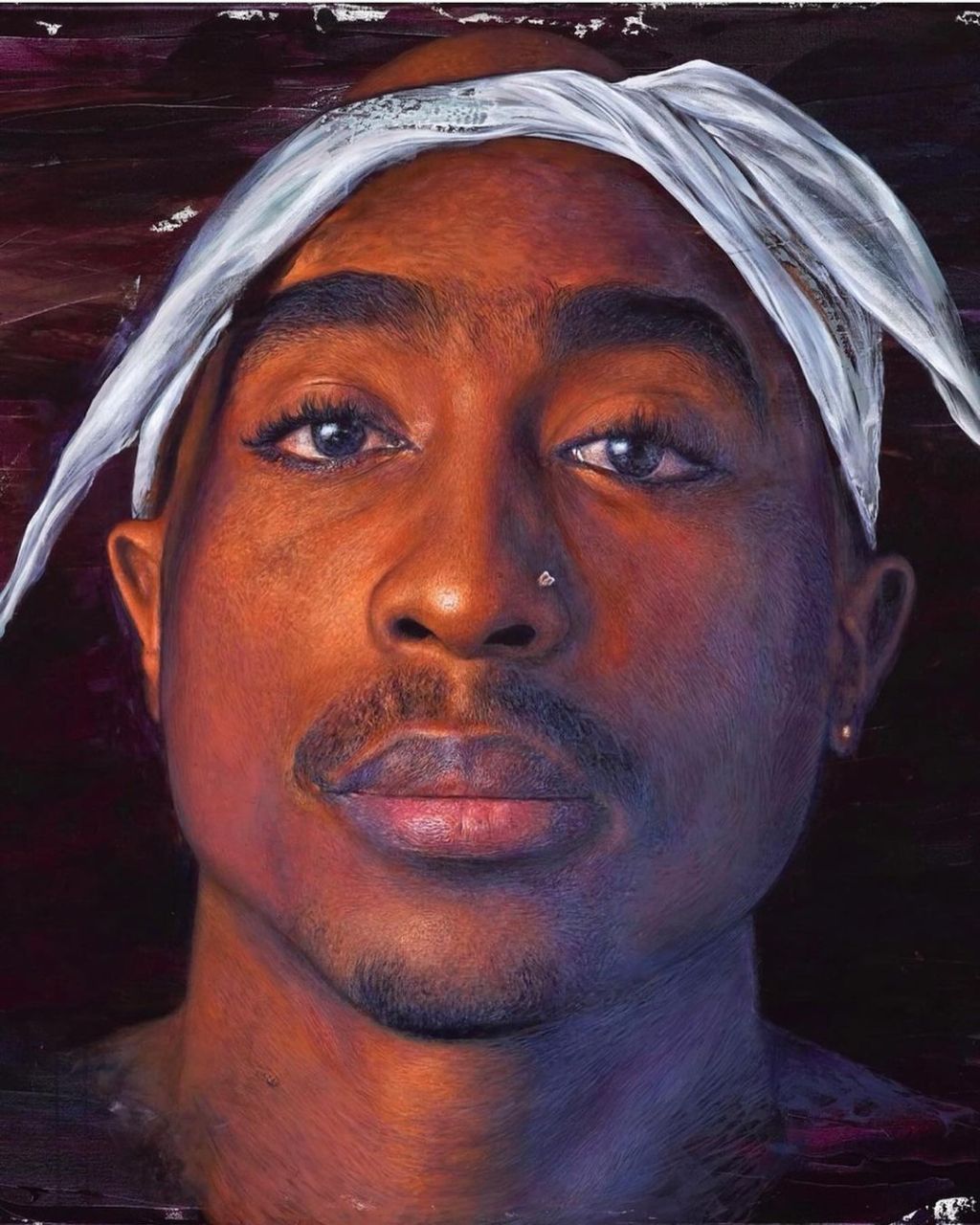
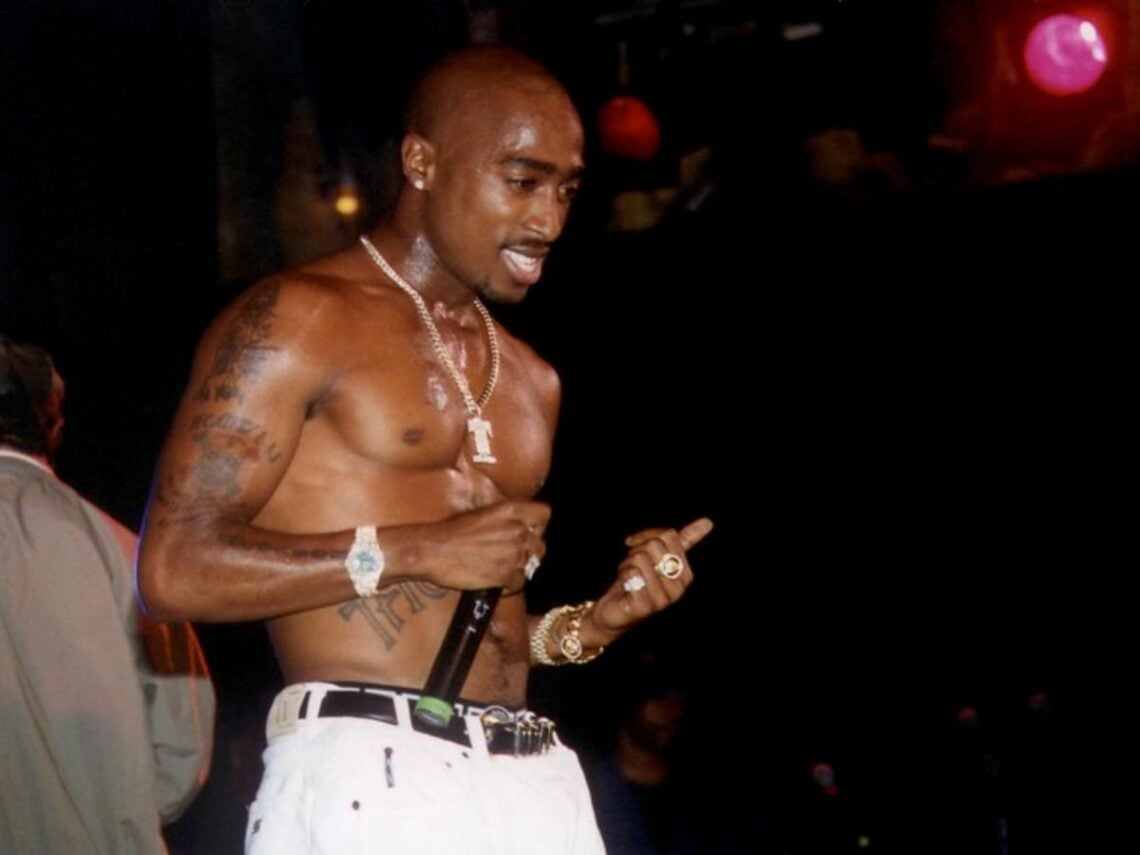
Tupac Shakur officially passed away on September 13, 1996, at 4:03 PM, six days after being shot in a drive-by attack in Las Vegas. As we mark the 30th anniversary of his passing in 2026, the "shocking truth" lies in the recent legal resolutions that finally identified the coordinated effort behind his murder, dismantling decades of conspiracy theories.
The Final Six Days: From the MGM Grand to University Medical Center
The events leading to the death of Tupac Amaru Shakur remain some of the most analyzed moments in music history. On the night of September 7, 1996, Shakur attended the Bruce Seldon vs. Mike Tyson boxing match at the MGM Grand in Las Vegas. Following a physical altercation in the casino lobby involving Shakur, Suge Knight, and Southside Compton Crip member Orlando "Baby Lane" Anderson, the group departed for Club 662.
At approximately 11:15 PM, while stopped at a red light at Flamingo Road and Koval Lane, a white Cadillac pulled up alongside Knight’s BMW 750iL. An unidentified gunman opened fire, striking Shakur four times—twice in the chest, once in the arm, and once in the thigh. Despite the chaos, Suge Knight, who was grazed by a bullet fragment, managed to drive the vehicle away before being stopped by police.
Shakur was rushed to the University Medical Center of Southern Nevada (UMC). For six days, the world watched as the rapper underwent multiple surgeries, including the removal of his right lung. He was placed in a medically induced coma and on life support. On the afternoon of September 13, 1996, his mother, Afeni Shakur, made the agonizing decision to cease life-sustaining treatment after he suffered internal bleeding and cardiac arrest. His death at age 25 marked the end of an era, but the beginning of a three-decade quest for justice.
The Breakdown of Silence: How the Truth Emerged
For over twenty-five years, the investigation into Tupac’s death was characterized by a "wall of silence." Neither the witnesses in the vehicle trailing Shakur nor the individuals within the shooter’s vehicle were willing to cooperate with the Las Vegas Metropolitan Police Department (LVMPD). This lack of cooperation, fueled by a deep-seated distrust of law enforcement and the "street code," allowed the case to grow cold.
The "shocking truth" that emerged in the years leading up to 2026 was not found in a secret document, but in the admissions of the participants themselves. Duane "Keffe D" Davis, the uncle of the initial suspect Orlando Anderson, began speaking publicly about the night of the shooting in various interviews and his 2019 memoir, Compton Street Legend. Davis’s detailed accounts, provided under what he believed were "proffers" or limited immunity agreements, eventually provided the evidentiary foundation for his arrest in September 2023.
By 2026, the legal landscape has shifted. The narrative is no longer about a mysterious "phantom" killer, but a retaliatory strike sanctioned by gang leadership. The prosecution’s case against Davis highlighted that the shooting was not a random act of violence but a calculated response to the earlier brawl at the MGM Grand. This revelation stripped away the romanticized "rap war" myths, revealing a tragic cycle of gang-related retribution.
Key Figures and Their Roles in the Investigation
To understand the complexity of the case, it is essential to identify the primary actors involved on both sides of the conflict. The following table outlines the key individuals whose actions defined the night of September 7 and the subsequent investigation.
| Name | Role/Affiliation | Status & Significance |
|---|---|---|
| Tupac Shakur | Victim / Death Row Records Artist | Iconic rapper whose death triggered a global cultural shift and decades of investigation. |
| Marion "Suge" Knight | Driver / CEO of Death Row Records | Was driving the BMW; has long refused to identify the shooter despite being a primary witness. |
| Duane "Keffe D" Davis | Accused Orchestrator / Southside Crips | Arrested in 2023; self-described "shot caller" who allegedly provided the weapon used in the murder. |
| Orlando Anderson | Primary Suspect (Deceased) | The individual beaten by Tupac at the MGM; widely believed to be the gunman; killed in 1998. |
| Afeni Shakur | Mother of the Victim | Activist who protected Tupac's legacy and estate until her death in 2016. |
| Greg Kading | Former LAPD Detective | Lead investigator whose book Murder Rap linked the Shakur and Biggie Smalls murders to gang retaliation. |
Forensic Realities vs. Popular Conspiracy Theories
As we observe the 30th anniversary in 2026, it is necessary to address the persistent myths that have clouded the "shocking truth" of Tupac's death. For years, theories suggested that Shakur faked his death and fled to Cuba or that he was in witness protection. These theories were often fueled by the rapid cremation of his body and the symbolic nature of his final album, The Don Killuminati: The 7 Day Theory.
However, forensic evidence and medical records from the University Medical Center provide a definitive counter-narrative. The autopsy report, though its public release was restricted for years, confirms the fatal nature of the ballistic injuries to his torso. Furthermore, the testimonies of the attending physicians and the nursing staff at UMC describe a patient whose physiological condition was incompatible with the "faked death" scenario.
The "7 Day Theory" was a marketing concept, not a literal timeline of his survival or disappearance. The shocking truth is much more mundane and tragic: a young, influential artist was killed due to a momentary lapse in judgment—engaging in a casino brawl—that triggered a lethal response from a rival faction. In 2026, the focus has moved from "Where is Tupac?" to "How did the system allow the perpetrators to remain free for so long?"
The Impact of the 2023 Indictment on the 2026 Legacy
The arrest of Duane Davis served as a catalyst for a re-evaluation of Tupac’s legacy. Before the indictment, the anniversary of his death was often a time for mourning an unsolved injustice. In 2026, the anniversary serves more as a case study in criminal justice and the evolution of cold case investigations.
The 2023 indictment proved that forensic technology—such as the analysis of historical digital footprints and the corroboration of long-standing witness statements—can eventually bridge the gap left by missing physical evidence. For the Shakur family and the global fan base, the "shocking truth" is the realization that justice, while delayed, is not entirely impossible. This has allowed the 30th-anniversary commemorations to focus less on the tragedy of the "unsolved" and more on the celebration of his artistic contributions and the finality of the legal record.
Moreover, the case has highlighted the failures of the initial 1996 investigation. Internal reviews and independent documentaries have criticized the LVMPD for failing to secure the white Cadillac and for not interviewing key witnesses who were present at the scene. These institutional failures are a core component of the "truth" that historians now discuss when analyzing why it took nearly three decades to bring a charge in the case.
The Cultural Significance of September 13 in 2026
Thirty years after his death, Tupac Shakur’s influence remains pervasive. His image, poetry, and music continue to generate significant revenue and cultural discourse. The anniversary of his death day has evolved into a global day of reflection on hip-hop culture, social activism, and the struggles of inner-city youth—themes that were central to his work.
In 2026, the anniversary is marked by:
- Educational Retrospectives: Universities and cultural institutions holding seminars on his impact on literature and social justice.
- Technological Integration: The use of AI and high-fidelity audio remastering to preserve his "lost" recordings, though this remains a point of ethical debate within the industry.
- Legal Milestones: Reflections on how the Keffe D trial transformed the public's understanding of the "East Coast-West Coast" rivalry.
The enduring nature of his popularity stems from his complexity. He was a revolutionary, a poet, and an actor, but also a man caught in the very cycles of violence he frequently criticized in his lyrics. The "shocking truth" of his anniversary is that his message remains as relevant in 2026 as it was in 1996, proving that while the man was mortal, his influence is effectively permanent.
FAQs Regarding the 30th Anniversary of Tupac’s Death
When was the "shocking truth" about the shooter revealed?
The most significant shift in the case occurred in 2023 with the indictment of Duane "Keffe D" Davis. While investigators had long suspected the Southside Crips were involved, the formal legal charge provided the first official confirmation of the conspiracy to kill Shakur.
Why did it take nearly 30 years to make an arrest?
The delay was primarily due to a lack of cooperating witnesses and the "code of the streets." It wasn't until Duane Davis began providing self-incriminating statements in public forums—which were then used to build a grand jury case—that law enforcement had enough evidence to move forward without a "smoking gun."
Is the "Tupac is alive" theory still considered credible?
No. In 2026, forensic evidence, medical testimony from UMC, and the eventual legal proceedings against those involved in the shooting have rendered "alive" theories purely conspiratorial. The biological reality of his injuries and subsequent cremation are well-documented.
What happened to Suge Knight in the years following the death?
Suge Knight faced various legal battles and was eventually sentenced to 28 years in prison in 2018 for a separate hit-and-run incident. His refusal to cooperate with investigators regarding the 1996 shooting remained a significant hurdle in the case for decades.
Who inherited Tupac's estate?
Following the death of his mother, Afeni Shakur, in 2016, the estate has been managed by a trust. The estate continues to handle his massive catalog of unreleased music, film rights, and intellectual property, ensuring his financial legacy supports his family and chosen charities.
Final Perspective on the Shakur Case
The 30th anniversary of Tupac Shakur's death in 2026 marks a transition from myth to history. For years, the "shocking truth" people sought was a grand conspiracy involving government agencies or elaborate disappearances. However, the actual truth—corroborated by late-stage legal developments—is a sobering reminder of how interpersonal conflict and gang dynamics can extinguish a generational talent.
For those looking to engage with the legacy of Tupac Shakur today, the most practical action is to look beyond the sensationalism of his death and study the depth of his discography and activism. Supporting the official Tupac Amaru Shakur Foundation or visiting authorized exhibits provides a factual basis for understanding a man who, despite his flaws, changed the global cultural landscape. As the legal chapters finally close, his story stands as a definitive chronicle of the intersection between art, fame, and the harsh realities of American life.