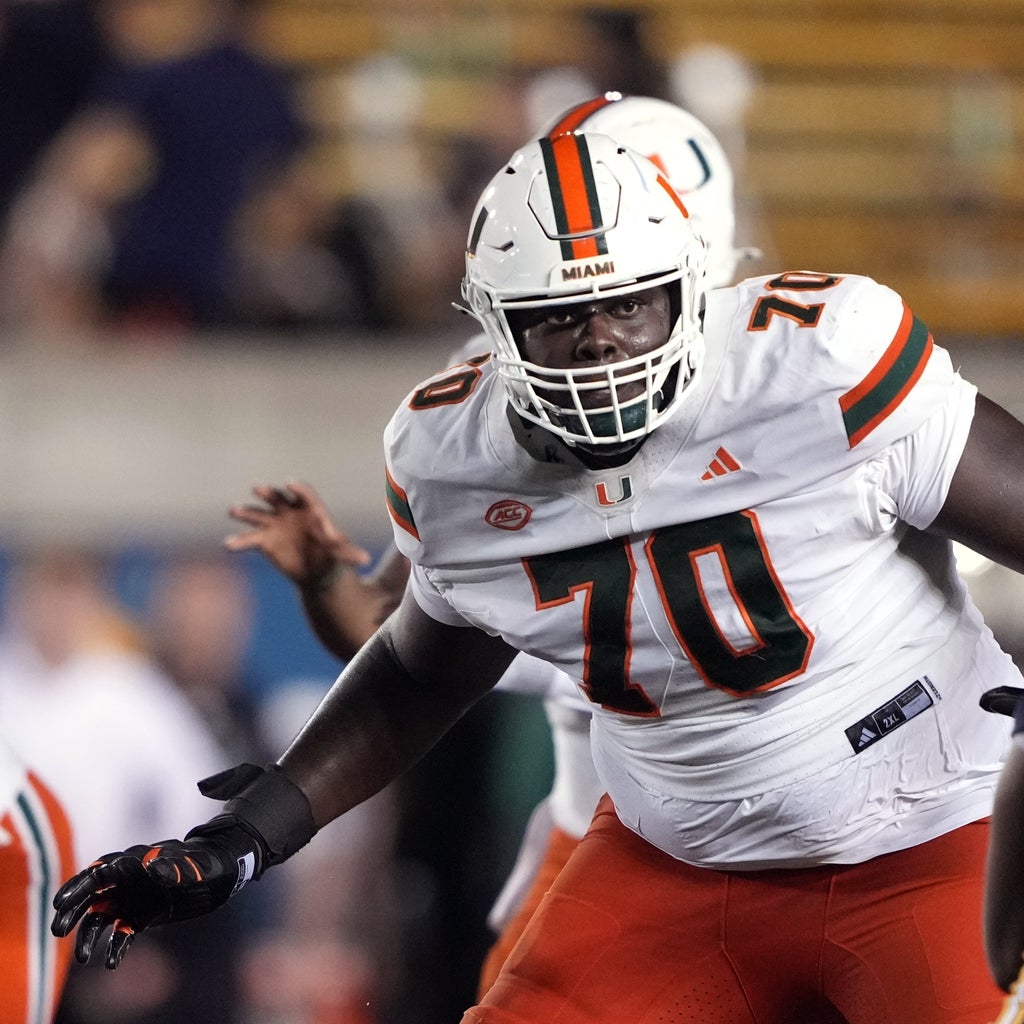
The phenomenon of the "ultimate sleeper" ascending to the 2nd overall pick in the NFL Draft represents a seismic shift in modern scouting. In 2026, this narrative describes an elite prospect who, despite high-end draft capital, began their journey as an overlooked recruit or a late-bloomer, eventually proving that developmental trajectories are rarely linear.
The NFL Draft has always been a balance of projection and proven production. Historically, the 2nd overall pick was reserved for the "blue-chip" prospect—the player who was a five-star recruit in high school and a dominant force from their freshman year in college. However, the 2024 through 2026 draft cycles have proven that the "ultimate sleeper" can indeed hit the big stage at the very top of the board. This transition from an underrated asset to a multi-million dollar franchise cornerstone involves a complex intersection of the transfer portal, advanced biometric scouting, and the relentless pressure of the NFL’s "big stage."
Redefining the "Sleeper" in the Modern NFL Era
To understand how a 2nd overall pick can be classified as a "sleeper," one must look at the player's point of origin rather than their draft position. In the context of 2026, the term no longer refers exclusively to late-round flyers. Instead, it describes players who were unranked or lowly rated coming out of high school, or those who spent years in developmental programs before a "breakout" season propelled them into the top tier of the first round.
The Impact of the Transfer Portal and NIL
The collegiate landscape in 2026 is fundamentally different than it was a decade ago. The "ultimate sleeper" often utilizes the transfer portal to find a system that mirrors NFL schemes. This mobility allows a player who was "sleeping" on a depth chart at a smaller school or a crowded powerhouse to find a platform that showcases their specific skill set to NFL evaluators.
Maturity and the Fifth-Year Senior
With the extra year of eligibility granted during the early 2020s and the general trend of players staying in school longer to maximize NIL earnings, we are seeing more "old" rookies. A 23-year-old quarterback or edge rusher might have been a sleeper at age 20, but by 2026, their physical maturity makes them an "immediate impact" prospect worthy of the 2nd overall selection.
Anatomy of the 2nd Overall Selection: Value and Pressure
Holding the 2nd overall pick is both a luxury and a burden for an NFL franchise. In 2026, the financial and organizational stakes have never been higher. The player selected at this spot is expected to be a "blue-chip" starter from Day 1, often tasked with reviving a struggling franchise.
The Financial Stakes in 2026
The rookie wage scale continues to climb. A player selected at #2 overall in the 2026 NFL Draft enters a contract structure that is almost entirely guaranteed. This creates a high-floor financial reality for the player but a high-risk scenario for the team’s salary cap management.
Positional Premium: Why the "Sleeper" Rises
While a "sleeper" might be a linebacker or safety in the middle rounds, the 2nd overall pick is almost exclusively reserved for "premium" positions:
- Quarterback: The most common occupant of the #2 slot.
- Edge Rusher: Teams looking to disrupt the passing game.
- Offensive Tackle: The protectors of the blind side.
- Cornerback: In an increasingly pass-heavy league, elite man-coverage is a necessity.
The "ultimate sleeper" hitting this stage usually possesses rare physical traits (speed, wingspan, or arm talent) that were present but unrefined earlier in their career.
Case Studies: Late Risers Who Defined the Era
Looking back from the vantage point of 2026, several players have personified the "sleeper to superstar" narrative at the #2 spot. These individuals defied early scouting reports to become the faces of their respective franchises.
The Jayden Daniels Blueprint (2024)
Jayden Daniels serves as the primary historical anchor for this phenomenon. Entering the 2023 college season, he was viewed by many as a mid-round talent. By the time he was selected 2nd overall by the Washington Commanders in 2024, he had transformed into a Heisman Trophy winner. His journey from Arizona State to LSU, and eventually to the #2 pick, highlighted how a "sleeper" could refine their game through experience and coaching to hit the big stage.
The 2025-2026 Shift
Following the 2024 draft, the league saw a trend where "traits-based" prospects—those who had the size and speed but lacked the early-career stats—began to dominate the top of the draft. Teams in 2025 and 2026 became more willing to take the "sleeper" with the high ceiling over the "safe" prospect with a limited physical profile.
Scouting Methodology: How Teams Identify "Hidden" Elite Talent
NFL front offices in 2026 use a combination of traditional "boots on the ground" scouting and advanced data analytics to find the next ultimate sleeper. The goal is to find the player whose "big stage" performance is just beginning.
- Biometric Peak Analysis: Scouts look for players who are still growing into their frames. A player who adds 20 pounds of muscle between their junior and senior years of college is no longer a sleeper; they are a 2nd overall pick in waiting.
- Adjusted Efficiency Metrics: In 2026, teams look at "standardized" stats. How did the player perform against NFL-caliber talent? A sleeper at a mid-major school who dominates against a top-10 opponent will skyrocket up draft boards.
- Psychological Profiling: The jump to the "big stage" requires mental fortitude. Teams conduct extensive interviews to ensure the player has the "alpha" mentality required to lead a locker room after being selected at #2.
Comparison of Recent 2nd Overall Pick Profiles (2024–2026)
The following table compares the trajectories of players who occupied the 2nd overall slot, highlighting their status before hitting the big stage.
| Draft Year | Primary Position | Pre-Draft "Sleeper" Status | Key Development Driver | Draft Status Outcome |
|---|---|---|---|---|
| 2024 | Quarterback | High (Mid-Round Projection) | Fifth-year breakout/Heisman | Franchise Cornerstone |
| 2025 | Edge Rusher | Low (Five-Star Recruit) | Consistent Production | Day 1 Starter |
| 2026 | Quarterback | Very High (Former 3-Star) | Transfer Portal/System Fit | High-Ceiling Project |
| 2026 | Offensive Tackle | Moderate (Late Bloomer) | Technical Refinement | Elite Protector |
Challenges for the "Sleeper" on the Big Stage
Transitioning from an underrated prospect to the 2nd overall pick brings a unique set of challenges. When a "sleeper" hits the big stage, they lose the "chip on their shoulder" advantage and become the hunted.
Managing Expectations
A 7th-round sleeper is a success if they make the roster. A 2nd overall pick is considered a "bust" if they aren't a Pro Bowler within three years. This shift in expectation can be jarring for players who are used to being the underdog.
Technical Scrutiny
NFL coaching is significantly more rigorous than the collegiate level. Sleepers often rely on raw athleticism to win in college. On the NFL big stage, offensive coordinators and defensive gurus will exploit any technical flaw in a player's game, regardless of how fast or strong they are.
Media and Branding
In 2026, the 2nd overall pick is an immediate celebrity. Balancing the requirements of the "big stage"—including media appearances, endorsement deals, and social media presence—with the actual work of football is the final hurdle for any sleeper-turned-star.
FAQ: Understanding the 2nd Overall Pick Narrative
How can a player be a "sleeper" and still go 2nd overall?
A "sleeper" in this context refers to a player's historical trajectory. If a player was unranked in high school or spent four years as a backup before a dominant final season, they are considered a sleeper who "woke up" and hit the big stage late in the process.
Is the 2nd overall pick more risky than the 1st overall pick?
Statistically, the 2nd overall pick carries similar risk to the 1st. However, the #2 pick often goes to a team that may have different needs than the #1, sometimes leading to a better "fit" for the player, which can mitigate the risk of being a "sleeper."
What happens to a player's contract if they were a "sleeper" riser?
The contract is determined strictly by the draft slot, not the player's previous scouting rank. Whether a player was a 5-star recruit or an unranked sleeper, the 2nd overall pick in 2026 receives a standard, high-value rookie contract mandated by the NFL Collective Bargaining Agreement (CBA).
Do teams prefer "safe" picks or "sleeper" high-ceiling picks at #2?
In 2026, the trend has shifted toward high-ceiling "sleepers." Because the modern NFL is so reliant on elite traits, teams are often more willing to take a chance on a player with rare physical gifts who is still learning the game over a player with "high floor" but limited upside.
Next Steps for Evaluating the Big Stage Transition
For analysts and fans following the 2026 NFL season, the focus should now shift from the draft slot to the on-field adaptation. The "ultimate sleeper" has already proven they can overcome the odds to get drafted at #2. The next phase of their journey involves proving that their "breakout" wasn't a fluke.
To monitor this transition, keep a close eye on snap counts, success rates against veteran starters, and internal team reports regarding their grasp of the playbook. The big stage is unforgiving, but for the sleeper who has spent years being overlooked, it is the environment where they often shine the brightest.