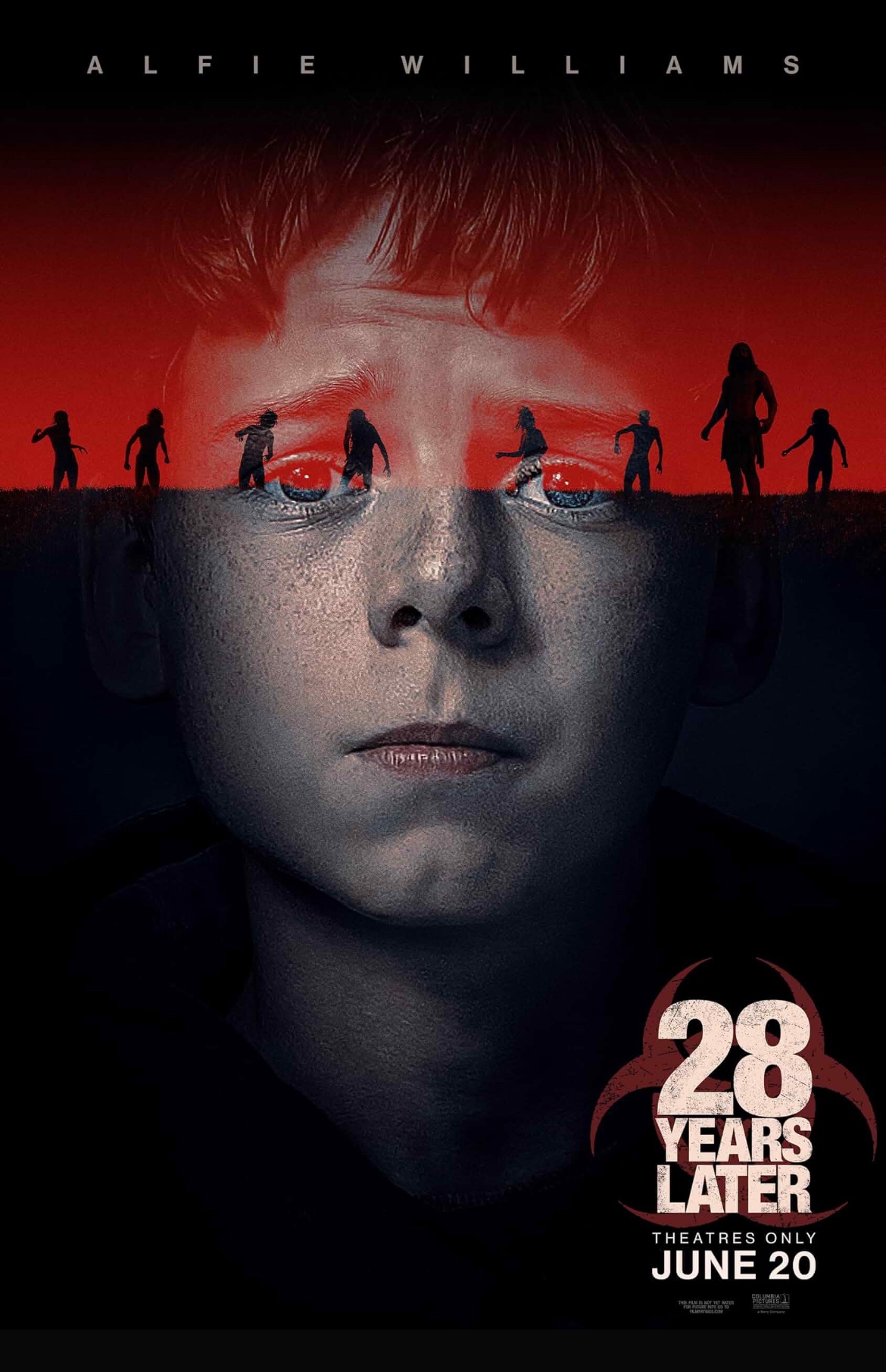
To survive the world of the 28 Years Later series, you must prioritize speed, silence, and immediate environmental awareness. Unlike traditional undead scenarios, the Rage Virus creates hyper-aggressive, living hosts who are fast and relentless. Survival requires understanding the 28-year evolution of the infection, securing high-ground rural fortifications, and maintaining a strict 10-second infection-check protocol for all group members.
The 28 Years Later trilogy, spearheaded by the original creative duo of director Danny Boyle and writer Alex Garland, has revitalized the post-apocalyptic genre as of 2026. This guide serves as a comprehensive resource for both understanding the cinematic revival and navigating the terrifying fictional landscape of a Britain nearly three decades after the initial "Rage" outbreak. Whether you are analyzing the production nuances of the 2025 release or looking for deep-lore survival strategies, this analysis covers the essential requirements for enduring the end of the world.
The Evolution of the Rage Virus: 28 Years of Infection
The primary threat in the 28 Years Later universe is the Rage Virus. Unlike the slow-moving zombies popularized by George A. Romero, the "Infected" in this series are living human beings driven by an uncontrollable, homicidal fury. In the 2025 film and its subsequent chapters, we see how the virus has persisted and potentially mutated over nearly three decades.
Biological Mechanics and Transmission
The Rage Virus is blood-borne and transmitted through saliva or blood-to-blood contact. The incubation period is famously short, often taking effect in as little as 10 to 20 seconds. This rapid onset makes quarantine almost impossible once an outbreak begins in a crowded area. By the timeframe of 28 Years Later, the virus has existed in the wild for a generation. Survivors must account for "environmental reservoirs"—stagnant blood or biological waste that may still harbor active viral loads.
The Behavior of the Long-Term Infected
A common question among survivors (and viewers) is how the infected have survived for 28 years without a functioning society. The 2025 installment clarifies that while many of the original "First Wave" infected died of starvation or exposure, the virus continues to find new hosts among isolated pockets of humanity. Furthermore, the "Rage" has shown signs of a predatory intelligence—a departure from the mindless sprinting seen in 28 Days Later. They are not "dead," meaning they are still susceptible to the cold, hunger, and physical trauma, but their pain tolerance remains dangerously high.
Essential Survival Gear and Tactical Requirements
Surviving in a post-outbreak Britain requires a specific set of tools tailored to the terrain and the nature of the threat. In the 28-year-later landscape, manufacturing has ceased, making "scavenged-tech" and durable analog gear the gold standard for survival.
Protection and Armor
Because the virus is transmitted through fluid contact, full-body protection is more important than ballistic armor.
- Anti-Spatter Masks: Clear riot shields or tightly sealed goggles are essential to prevent blood from entering the eyes or mouth during close-quarters combat.
- Bite-Resistant Layers: High-density polyethylene (HDPE) sleeves or reinforced leather prevent the skin-to-saliva contact that occurs during a struggle.
- Lightweight Mobility: Heavy armor is a death sentence. The Infected are sprinters; your primary defense is outrunning or outmaneuvering them.
Weaponry and Engagement
Firearms are loud and attract every Infected within a two-mile radius. In the 2026 context of the series, ammunition is also exceedingly rare.
- Silent Melee: Long-reach bladed weapons like machetes or spears allow for distance while remaining silent.
- Crowd Control: Fire remains the most effective way to neutralize large groups of Infected, as it destroys the biological host completely.
- Suppression: If firearms must be used, suppressors (even "fuel filter" improvised versions) are mandatory to avoid a "swarming" event.
Identifying Safe Zones and Strategic Locations
In the 28 Years Later series, the geography of the UK has been radically altered. London, once the epicentre, remains a "Red Zone"—largely avoided due to the density of the ruins and the likelihood of trapped Infected "hibernating" in dark, interior spaces.
The Appeal of the Scottish Highlands and Islands
The new trilogy highlights the importance of natural barriers. Northern territories with harsh winters provide a natural culling mechanism for the Infected, who, as living organisms, are prone to hypothermia. Survivors have established small, agrarian communities in the Highlands, utilizing the rugged terrain to funnel and trap any wandering threats.
Coastal Fortifications
Islands like the Isle of Skye or the Outer Hebrides have become the last bastions of civilization. The 2025 film explores the "Green Zones" established by the remnants of the military and lucky civilians. These areas require strict maritime quarantine protocols. Any vessel approaching must undergo a 24-hour observation period to ensure no "10-second" transformations occur on board.
Analyzing the Timeline: 28 Days to 28 Years
To understand the current state of the world in 2026, one must look at the historical progression of the franchise. The timeline is not just a backdrop; it dictates the scarcity of resources and the psychological state of the protagonists.
| Era | Primary Threat | Social Structure | Key Survival Strategy |
|---|---|---|---|
| 28 Days Later | Sudden Outbreak | Total Collapse | Immediate Evacuation |
| 28 Weeks Later | Resurgence | Military Occupation | Compliance/Quarantine |
| 28 Years Later | Mutated Strains/Decay | Feudal/Agrarian Pockets | Self-Sufficiency & Stealth |
The 28-year gap has allowed nature to reclaim the urban centers of the UK. This "rewilding" means survivors are now dealing with more than just the Infected; they face a lack of processed medicine, a complete absence of the power grid, and the resurgence of apex predators in the English countryside.
Technical Production: The 2025 Cinematic Revival
From a technical SEO and media perspective, 28 Years Later is a landmark project. Directed by Danny Boyle and written by Alex Garland, the film returned to the roots of the franchise while pushing technical boundaries.
Innovations in Digital Cinematography
A notable fact for fans and film students is the production's use of high-end mobile technology. Following the tradition of the original 28 Days Later (which was shot on the Canon XL-1 SD camera for a gritty, low-fi look), reports confirmed that 28 Years Later utilized adapted iPhone 15 Pro Max systems as principal cameras. This choice was not just a gimmick; it captured a specific, jittery kinetic energy that defines the "Rage" aesthetic, allowing the camera to move as fast as the Infected themselves.
The Return of Jim (Cillian Murphy)
The 2026 landscape of the franchise is heavily defined by the return of Cillian Murphy as Jim. His character arc provides the emotional bridge between the original outbreak and the "28 Years Later" world. His survival over nearly three decades serves as the ultimate proof-of-concept for the survival strategies mentioned in this guide: isolation, vigilance, and the refusal to lose one's humanity in the face of absolute rage.
Common Survival Mistakes in the Rage Universe
Many "survivors" in the series fail not because of a lack of strength, but because of tactical errors. Avoid these common pitfalls depicted throughout the films:
- Over-reliance on "Safe" Walls: As seen in the 28-week mark, no wall is impenetrable. Always have a secondary and tertiary escape route (an "Egress Plan").
- Ignoring Minor Fluid Exposure: A single drop of blood in a small cut is 100% fatal. Strict PPE (Personal Protective Equipment) is more valuable than any weapon.
- Psychological Complacency: After 28 years, it is easy to assume the threat has died out. This "quiet" is when the Infected are most dangerous, often lingering in shadowed buildings or "playing dead" until triggered by sound.
Frequently Asked Questions
Where does 28 Years Later fit in the timeline?
It takes place exactly 28 years after the initial outbreak seen in the 2002 film. It effectively ignores or moves far past the events of the "28 Weeks" resettlement attempt, focusing on a world where the infection has become a permanent, though manageable, part of the ecosystem.
Is the Rage Virus airborne in the new series?
No, the Rage Virus remains a blood-borne and saliva-transmitted pathogen. However, the "Ultimate Survival Guide" warns that in high-intensity combat, "blood misting"—where blood becomes aerosolized due to high-velocity impacts or explosions—can lead to infection if inhaled or if it hits the eyes.
Why are the infected so much faster than traditional zombies?
The Infected are not reanimated corpses; they are living humans with a virus that floods the system with adrenaline and removes all inhibitory social or physical impulses. They do not feel fatigue or pain in the traditional sense until the body physically breaks down.
Who directed 28 Years Later?
The first film of the new trilogy was directed by Danny Boyle, who directed the original 2002 movie. This marked a significant "homecoming" for the series, ensuring the tone and visual style remained consistent with the foundational lore.
Can the Rage Virus be cured?
As of the 2025/2026 films, there is no known cure. The speed of the infection (under 20 seconds) makes the administration of an antiviral nearly impossible. The only "cure" depicted in the series is the total physical destruction of the host.
Future Outlook: Preparing for the "Bone Temple"
As we move further into 2026, the series continues with the anticipated sequel, rumored to be titled 28 Years Later: Part II: The Bone Temple. Survivors and fans should prepare for a shift in setting, potentially moving away from the British Isles to explore how the European continent or the Americas have fared over the same period.
The ultimate takeaway for surviving the 28 Years Later series is that vigilance is a lifetime commitment. The world hasn't just ended; it has changed. Survival is no longer about waiting for a rescue that will never come; it is about building a new, hardened life in the ruins of the old one. Keep your goggles clean, your machete sharp, and never stop running.