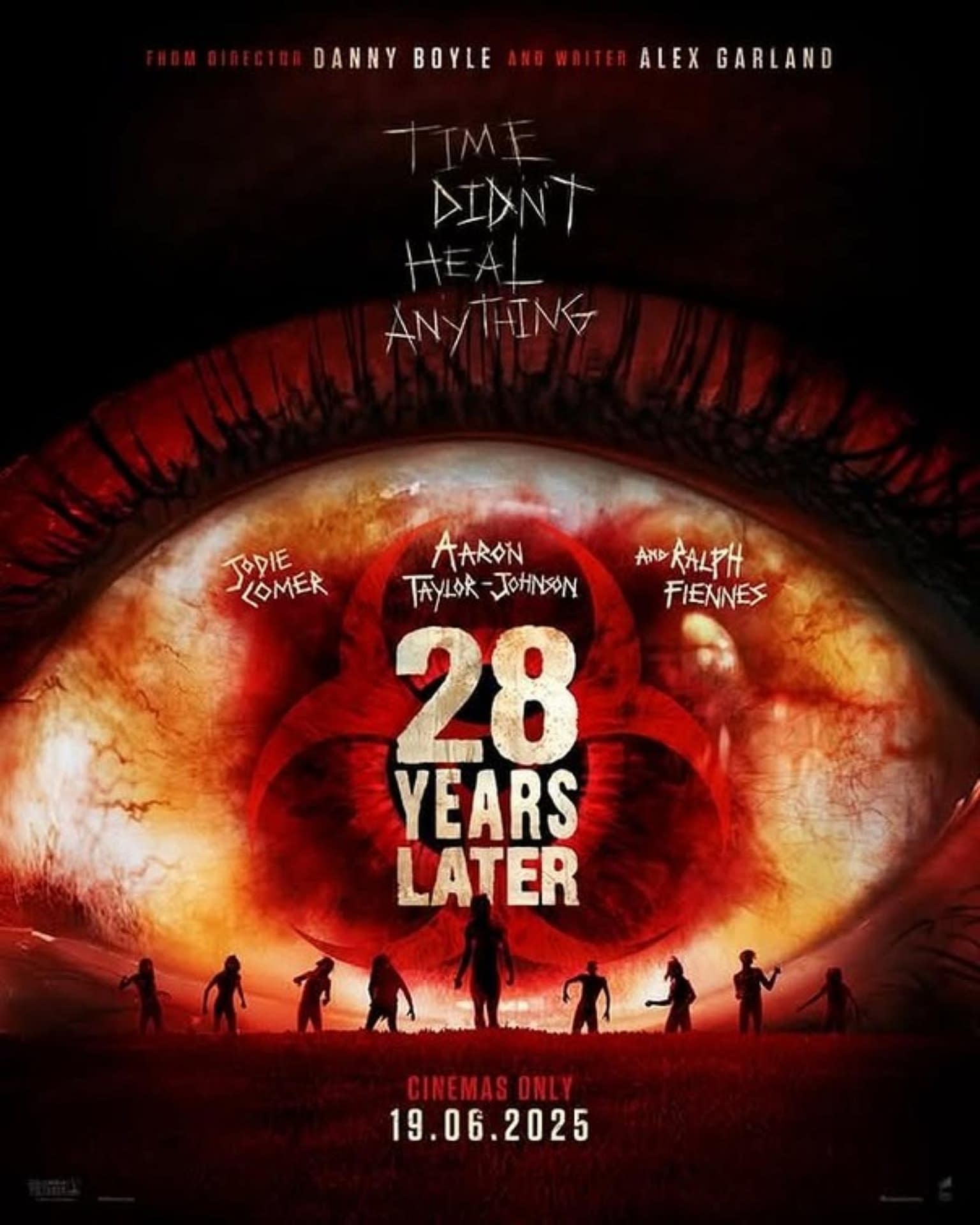
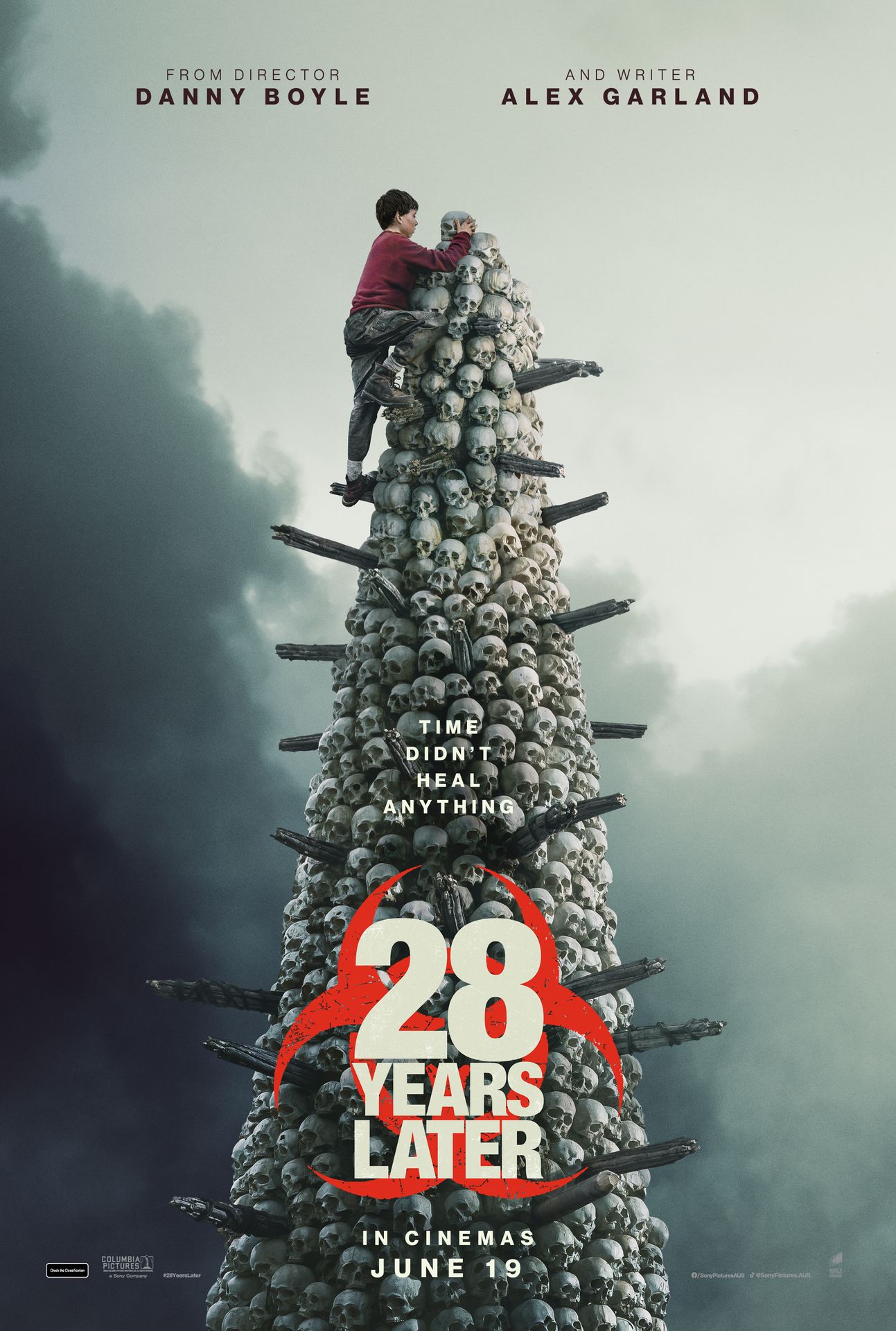
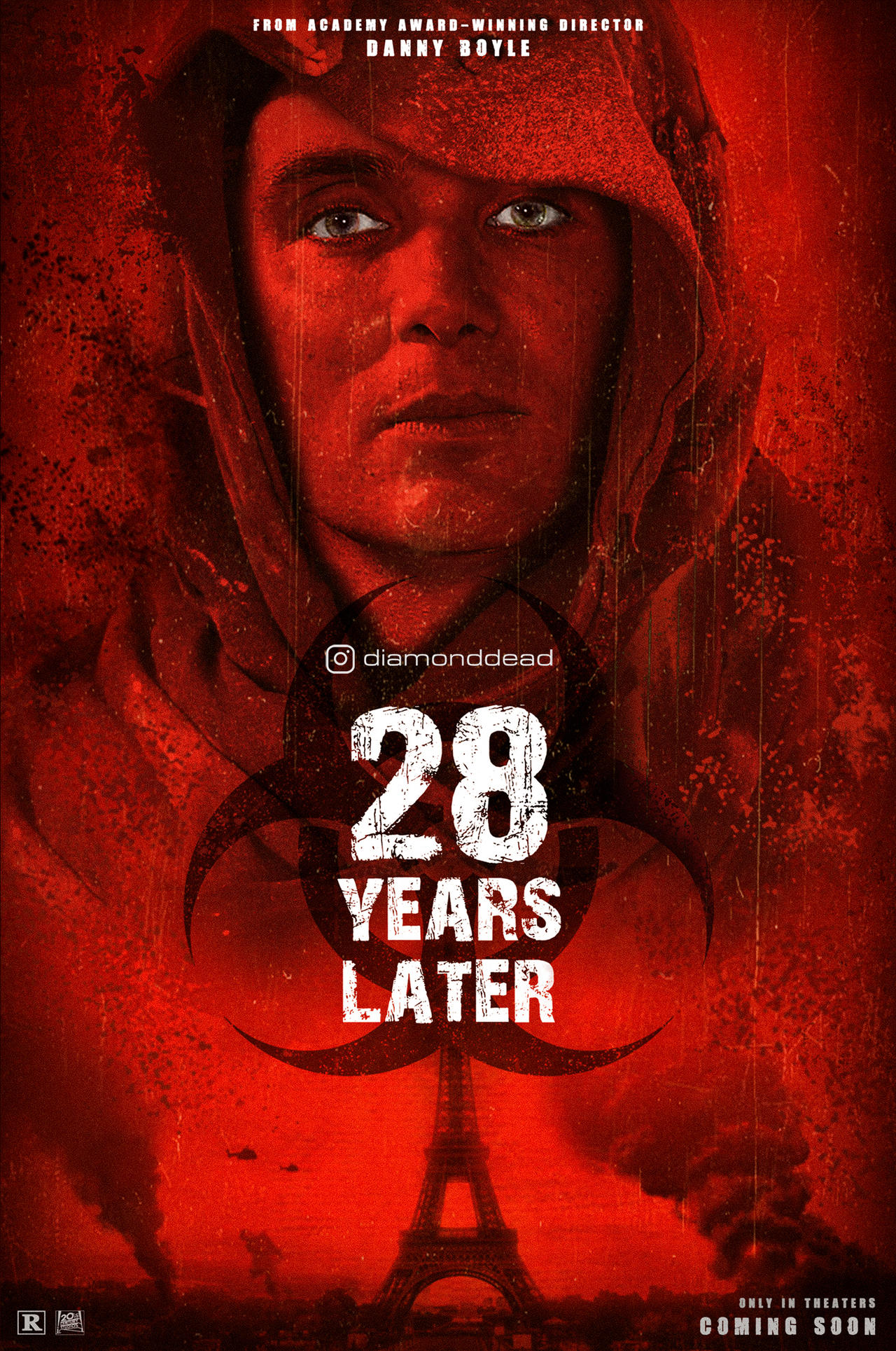
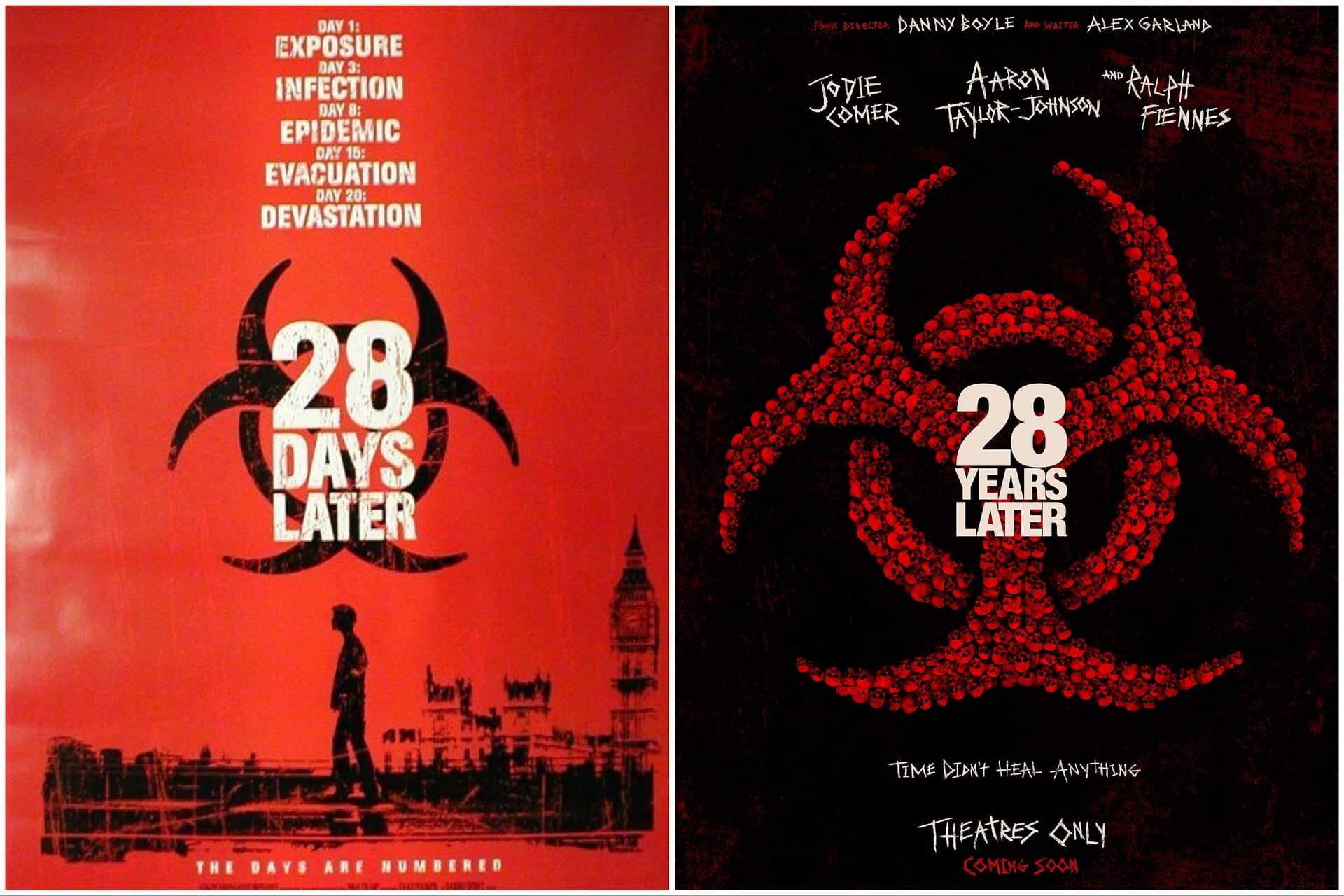
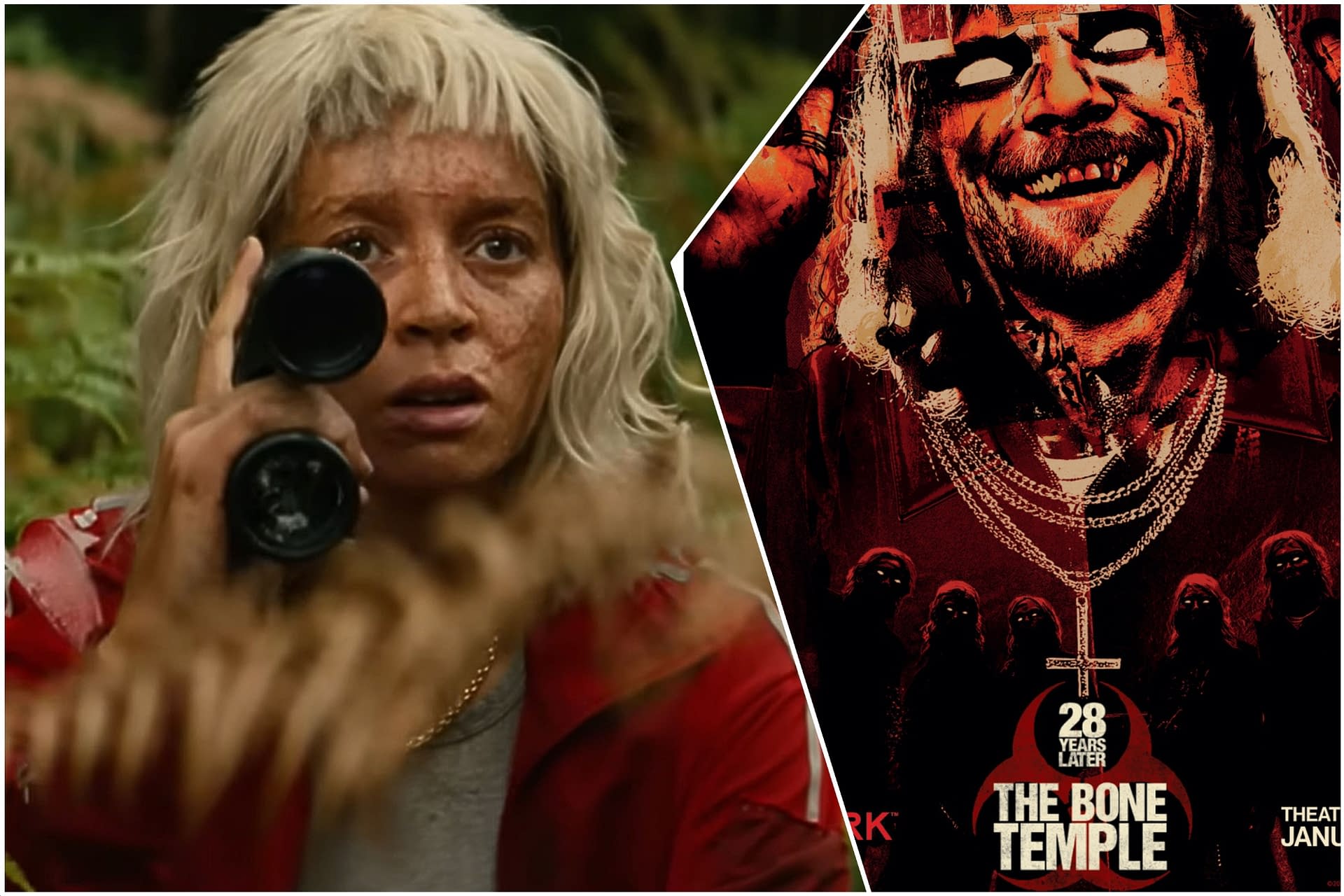
28 Years Later is the 2025 post-apocalyptic horror film directed by Danny Boyle and written by Alex Garland. Serving as the long-awaited direct sequel to the 2002 cult classic 28 Days Later, it continues the story of the Rage Virus outbreak nearly three decades after the initial collapse of British society.
The Long Path to Production: A Two-Decade Evolution
The journey to realize 28 Years Later spanned over twenty years of development hell, creative negotiations, and shifting cinematic landscapes. Following the release of 28 Weeks Later in 2007—which was directed by Juan Carlos Fresnadillo rather than Boyle—the franchise entered a long period of dormancy. While 28 Weeks Later was a commercial success, fans and critics alike felt the absence of the original creative duo, Danny Boyle and Alex Garland. For years, rumors circulated regarding a potential "28 Months Later," but the project struggled to find the right narrative hook that would justify a return to this specific wasteland.
By the early 2020s, the landscape of horror had shifted toward "elevated horror," and the real-world experience of a global pandemic had changed how audiences perceived viral cinema. This shift provided Garland with the necessary inspiration to skip the "Months" title and jump straight to 28 Years Later. The project was officially greenlit in early 2024, with Sony Pictures winning a high-profile bidding war for the rights. The production was structured not just as a single film, but as the first entry in a planned trilogy, signaling a massive expansion of the franchise's lore and scale.
The return of Boyle and Garland is significant because it marks their first major collaboration since Sunshine (2007). Their reunion brought a sense of legitimacy and stylistic continuity that was essential for reviving a franchise that had been stagnant for eighteen years. With a reported budget of approximately $75 million—a staggering increase from the original film’s $8 million—the production was designed to be a "prestige" horror event, blending the visceral intensity of the original with the cinematic polish of modern blockbusters.
Technical Specifications: Why 28 Years Later Was Filmed on iPhones
One of the most discussed technical aspects of 28 Years Later is the decision to shoot the entire film on the iPhone 15 Pro Max. This was not a marketing gimmick but a deliberate artistic choice made by Danny Boyle and his long-time cinematographer, Anthony Dod Mantle. This choice serves as a spiritual and technical successor to the original 2002 film, which was famously shot on the Canon XL-1, a standard-definition digital video camera.
In 2002, the use of digital video gave 28 Days Later a gritty, "found footage" aesthetic that separated it from the glossy look of traditional horror films of that era. For the 2025 sequel, using the iPhone 15 Pro Max allowed the production to maintain that sense of handheld urgency while utilizing cutting-edge mobile technology. The phones were heavily modified with Beastgrip cages and adapted to use professional-grade lenses, allowing the filmmakers to achieve a shallow depth of field and color science that rivals traditional cinema cameras like the ARRI Alexa.
The technical benefits of using mobile devices in a post-apocalyptic setting are manifold:
- Mobility: The small form factor allowed the crew to move through rugged outdoor locations in the North of England with minimal equipment, capturing raw, spontaneous performances.
- Unobtrusiveness: In scenes featuring large crowds or sensitive locations, the smaller camera rigs allowed for a more naturalistic environment.
- Visual Continuity: The high-frame-rate capabilities and the specific sensor noise of the iPhone provided a modern equivalent to the "lo-fi" digital look that defined the first film.
This technical approach has set a new precedent for high-budget filmmaking, proving that the tool is secondary to the vision of the artist. The film was shot during the summer of 2024, utilizing the natural light of the British countryside to contrast the inherent horror of the Rage Virus with the haunting beauty of a world reclaimed by nature.
Narrative Overview: Surviving the Rage Virus Decades Later
Set 28 years after the initial outbreak seen in the 2002 film, the narrative of 28 Years Later explores a world that has fundamentally adapted to the presence of the Rage Virus. Unlike the immediate chaos of 28 Days Later or the failed reconstruction efforts in 28 Weeks Later, this film depicts a society that has reached a grim "new normal." The "Infected" are no longer a new phenomenon but a persistent, environmental hazard that survivors have learned to manage, much like a natural disaster or an apex predator.
The story focuses on the generational trauma of those born after the collapse. While the original film was a journey of discovery for Jim (Cillian Murphy), who woke up into a dead world, the new film explores the perspective of those who have never known a world without the threat of infection. The Rage Virus itself has evolved—not necessarily in its biology, but in its impact on the landscape. Large swaths of the United Kingdom remain "Red Zones," effectively quarantined and left to rot, while small, fortified communities attempt to maintain a semblance of 21st-century civilization.
Themes of isolation, the fragility of social contracts, and the ethics of survival dominate the script. Alex Garland’s writing delves into how human nature is stripped down to its most basic elements when the threat is internal (the virus) as much as it is external (the infected). The film balances the high-octane "running" sequences the franchise is known for with quiet, character-driven moments that examine the psychological toll of living in a state of permanent siege.
The Ensemble Cast: Returning Icons and New Faces
The most significant casting news for 28 Years Later was the confirmed return of Cillian Murphy as Jim. Murphy, who transitioned from a rising star in 2002 to an Academy Award winner by the time this sequel was filmed, serves as the connective tissue between the original era and the new trilogy. His return provides a sense of closure and gravitas, as audiences get to see the long-term effects of the outbreak on the man who first "woke up" in that deserted London hospital.
Joining Murphy is a powerhouse ensemble of new characters who represent the future of the franchise:
- Jodie Comer: Known for her versatility, Comer plays a central figure in the survivalist communities. Her character is reportedly a leader who must make impossible moral choices to protect her people.
- Aaron Taylor-Johnson: Bringing physical intensity to the role, Taylor-Johnson’s character is involved in the more action-oriented segments of the film, navigating the dangerous "Red Zones."
- Ralph Fiennes: Fiennes portrays a character of significant authority, possibly representing the remnants of the British government or a high-ranking military official, adding a layer of political intrigue to the survival horror.
The chemistry between these actors elevates the film from a standard genre piece to a character study. The interactions between Jim—a veteran of the original outbreak—and the younger characters provide a fascinating look at the "generation gap" in a post-apocalyptic world.
Franchise Comparison: A Look at the Three Eras
To understand where 28 Years Later fits into the overall timeline, it is helpful to compare the production and narrative focuses of all three major entries in the series.
| Feature | 28 Days Later (2002) | 28 Weeks Later (2007) | 28 Years Later (2025) |
|---|---|---|---|
| Director | Danny Boyle | Juan Carlos Fresnadillo | Danny Boyle |
| Primary Theme | Sudden societal collapse | Failed military reconstruction | Long-term survival and legacy |
| Cinematography | Canon XL-1 (SD Digital) | 16mm/35mm Film | iPhone 15 Pro Max |
| Protagonist | Jim (Cillian Murphy) | Don/Alice (Various) | Jim & New Ensemble |
| Location | London & Manchester | London (Green Zone) | Rural UK / Red Zones |
| Budget | ~$8 Million | ~$15 Million | ~$75 Million |
This comparison highlights the "full circle" nature of the 2025 release. By returning to the original director and a digital-first cinematography style, the franchise seeks to reclaim the identity that made it a cultural phenomenon in the early 2000s, while significantly scaling up the production value for a modern audience.
The New Trilogy: What Comes After 28 Years Later?
28 Years Later is not a standalone finale but the foundation for an ambitious new trilogy. Shortly after the first film wrapped production in the summer of 2024, details began to emerge regarding the second installment, titled 28 Years Later Part II: The Bone Temple.
While Danny Boyle directed the first part, Nia DaCosta (known for Candyman and The Marvels) was brought in to direct the second chapter. This passing of the torch ensures that each entry in the trilogy will have a distinct visual and directorial voice while maintaining the overarching narrative written by Alex Garland.
The decision to film these sequels in close succession—a practice known as back-to-back production—was designed to maintain cast consistency and production momentum. The trilogy aims to explore not just the fate of the United Kingdom, but potentially the global status of the Rage Virus, answering long-standing questions about whether the infection ever truly made it past the British Isles in a sustainable way.
Frequently Asked Questions
Is 28 Years Later a reboot or a sequel?
It is a direct sequel to 28 Days Later. While it acknowledges the events of the franchise, it focuses heavily on the original characters and the long-term consequences of the initial outbreak, effectively serving as the start of a new narrative arc within the existing timeline.
Does Cillian Murphy have a lead role in the film?
Yes, Cillian Murphy reprises his role as Jim. While the film features a large ensemble cast including Jodie Comer and Aaron Taylor-Johnson, Jim’s character is central to the story’s connection to the past and the evolution of the world over the last 28 years.
Why was the movie shot on an iPhone?
Director Danny Boyle and cinematographer Anthony Dod Mantle chose the iPhone 15 Pro Max to evoke the gritty, digital aesthetic of the original 2002 film. It allowed for greater mobility on set and served as a modern tribute to the Canon XL-1 used in 28 Days Later.
Do I need to watch 28 Weeks Later before seeing this?
While 28 Weeks Later is part of the franchise, 28 Years Later is designed more as a direct thematic and narrative follow-up to the first film (28 Days Later). However, watching the 2007 sequel provides helpful context regarding the failed attempts to contain the virus.
Who directed the sequels in the new trilogy?
Danny Boyle directed the first part (28 Years Later). The second part, 28 Years Later Part II: The Bone Temple, is directed by Nia DaCosta. Alex Garland remains the primary writer for the trilogy to ensure narrative cohesion.
Recommended Viewing Sequence
For viewers looking to fully immerse themselves in the world of the Rage Virus, the following sequence is recommended:
- 28 Days Later (2002): Essential viewing to understand the origin of the outbreak and Jim’s character arc.
- 28 Weeks Later (2007): Recommended for understanding the initial military response and the virus's resilience.
- 28 Years Later (2025): The current entry that redefines the franchise for a new generation.
As the franchise moves forward into 2026 and beyond, the focus remains on the "Bone Temple" sequel and the eventual conclusion of the trilogy. To stay updated on the latest developments, audiences should follow official announcements from Sony Pictures and the creative team behind the revival.