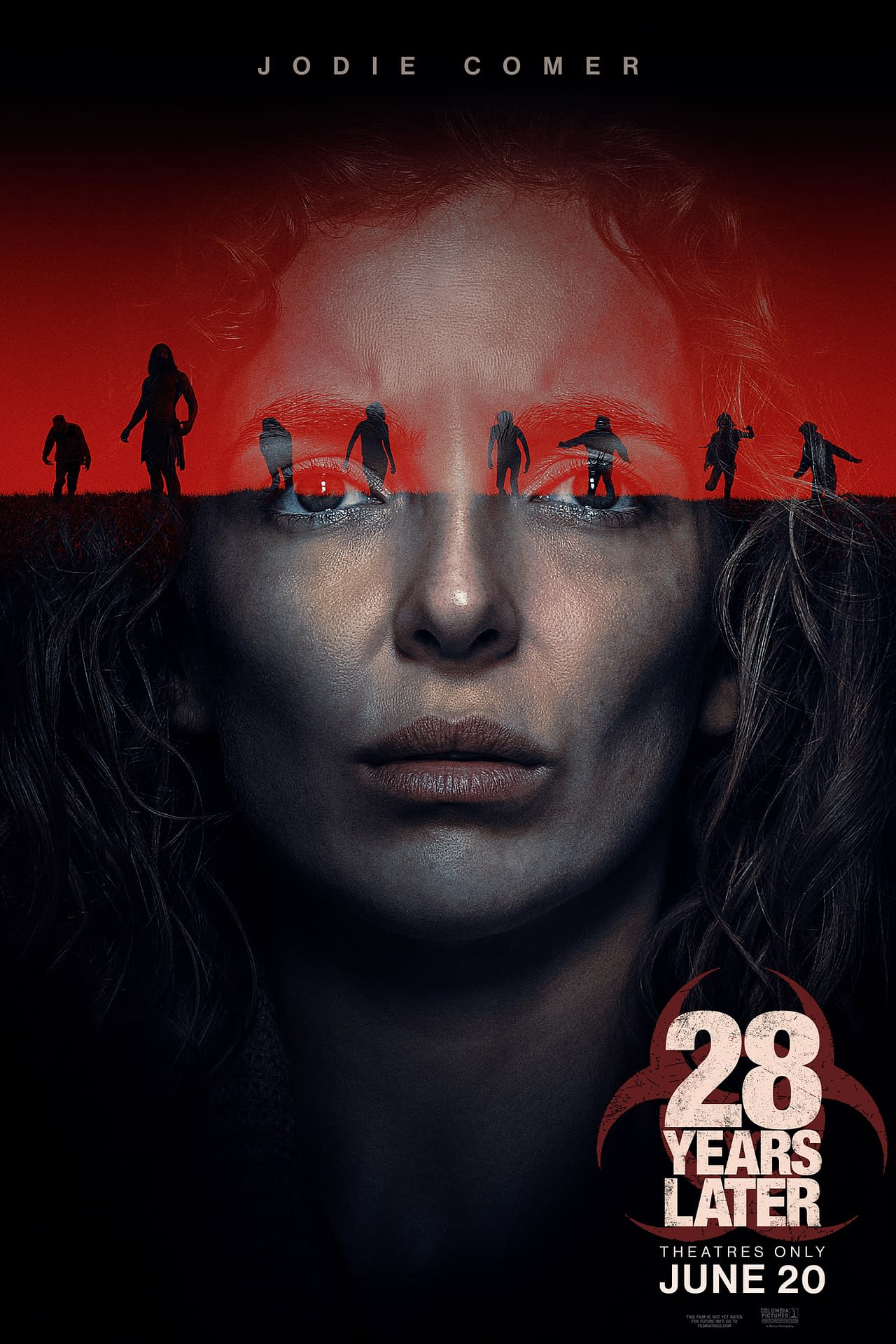
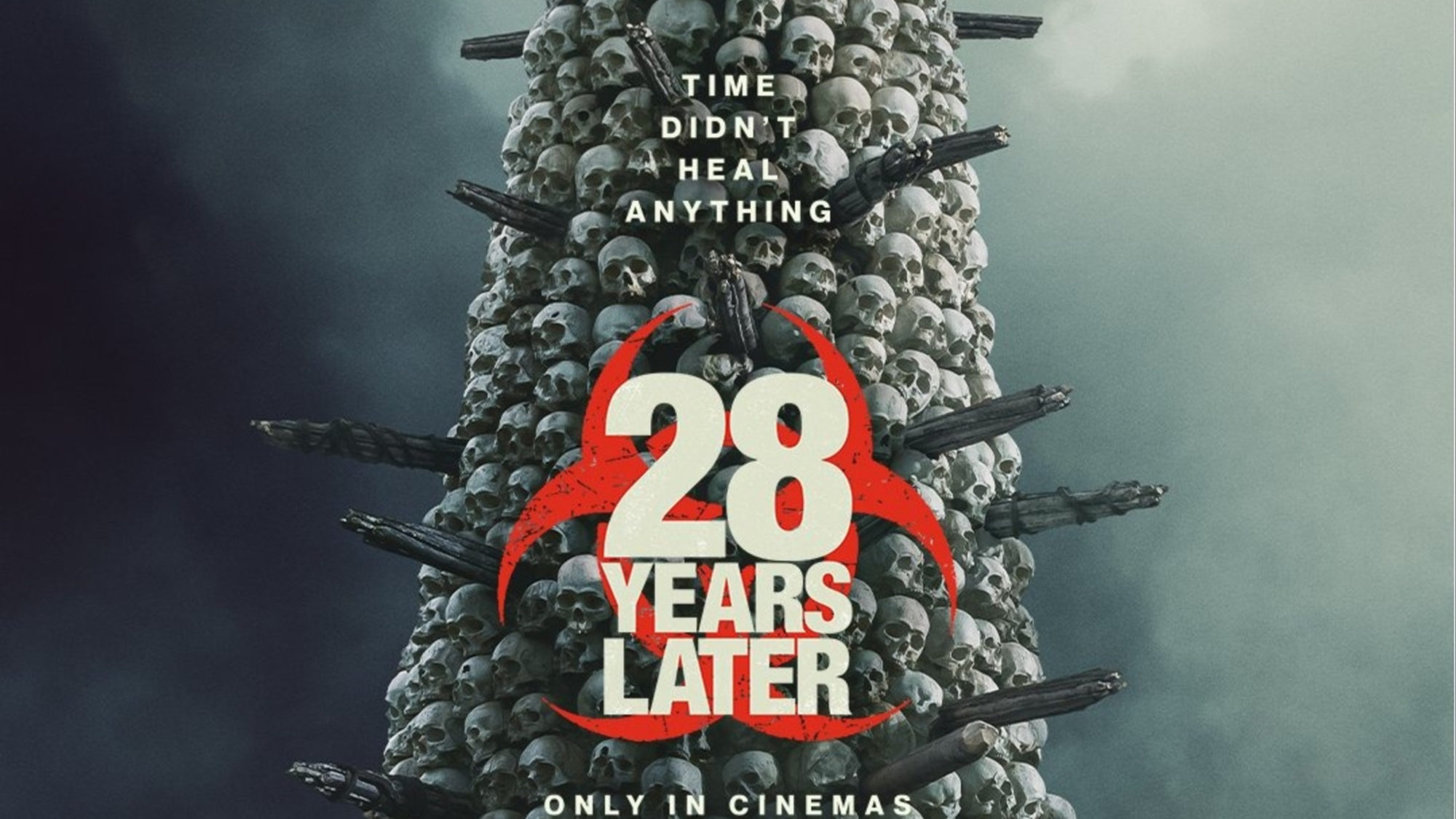
28 Years Later, released theatrically on June 20, 2025, marks the long-awaited return of the seminal post-apocalyptic horror franchise. Directed by Danny Boyle and written by Alex Garland, the film serves as a direct sequel to the 2002 classic, exploring a world permanently reshaped by the Rage Virus nearly three decades after the initial outbreak.
The cinematic landscape of 2025 was significantly defined by this release, which reunited the original creative duo of Boyle and Garland for the first time since the inception of the series. After years of rumors and "development hell," the project finally materialized as the first entry in a planned trilogy intended to redefine the "infected" subgenre. As we look back from 2026, the film stands not just as a piece of horror media, but as a technical milestone in digital filmmaking and a narrative exploration of societal collapse and resilience.
The Long Journey to 2025: Development and Vision
The path to producing 28 Years Later was nearly as tumultuous as the events depicted on screen. Following the success of 28 Days Later in 2002 and its 2007 sequel 28 Weeks Later (directed by Juan Carlos Fresnadillo), the franchise entered a long period of dormancy. While fans clamored for a third installment, often colloquially referred to as "28 Months Later," the creators remained hesitant until a compelling narrative hook presented itself.
By early 2024, Sony Pictures won a high-stakes bidding war for the rights to the new trilogy. The vision was ambitious: to move past the immediate aftermath of the virus and examine what a generation raised in the shadow of the Rage Virus would look like. This shift from "Months" to "Years" allowed the writers to bypass the standard tropes of the "zombie" apocalypse—such as the initial panic and the breakdown of basic infrastructure—to focus on a world that has established a fragile, terrifying new normalcy.
The collaboration between Danny Boyle and Alex Garland was the primary catalyst for the project’s momentum. Garland, who had since become a powerhouse director in his own right with films like Ex Machina and Civil War, returned to his roots as a screenwriter to craft a story that felt both nostalgic and forward-looking. Their goal was to capture the "punk rock" energy of the original 2002 film while utilizing the expanded resources of a modern blockbuster budget, estimated to be around $75 million.
Casting a New Era: Cillian Murphy’s Return and the New Ensemble
One of the most significant factors in the success of the 2025 release was the confirmed involvement of Cillian Murphy. Having ascended to global superstardom following his Academy Award-winning performance in Oppenheimer, Murphy’s return to the role of Jim provided the emotional anchor necessary to bridge the 23-year gap between the first and third films.
While Murphy’s role was initially shrouded in mystery—alternating between reports of a cameo and a lead performance—his presence in the 2025 film served to validate the continuity of the franchise. Jim, the bicycle courier who woke up in a deserted London hospital in 2002, is now a man who has survived through the darkest chapters of human history.
Joining Murphy was an elite ensemble cast that reflected the film’s prestige status:
- Jodie Comer: Known for her versatility in Killing Eve, Comer took on a central role as a survivor navigating the complex political landscape of a post-outbreak Britain.
- Aaron Taylor-Johnson: Providing the physical intensity required for the franchise’s signature high-speed chase sequences.
- Ralph Fiennes: Adding a layer of gravitas, Fiennes’ character represented the remnants of authority and the moral compromises required to maintain order in a fractured world.
- Jack O'Connell: Portraying the grit and desperation of the younger generation born after the 2002 incident.
Cinematic Innovation: Filming on the iPhone 15 Pro Max
In a move that mirrored the original film’s use of the low-resolution Canon XL1 digital camera, 28 Years Later pushed the boundaries of technical filmmaking by using the iPhone 15 Pro Max as its primary camera system. This was not a mere marketing gimmick; it was a deliberate aesthetic choice by Danny Boyle and cinematographer Anthony Dod Mantle.
The choice to use smartphones, albeit heavily modified with professional lenses and cages, allowed the production to maintain the "guerrilla" feel that made 28 Days Later so visceral. The small form factor enabled the crew to film in cramped locations and execute the kinetic, frantic camera movements that define the Rage Virus's cinematic language.
Technically, the use of the iPhone 15 Pro Max in a $75 million production proved that high-end mobile technology had reached a level of parity with traditional cinema cameras in specific contexts. The film utilized the Log encoding and Apple ProRes capabilities of the device to ensure that the color grading and dynamic range met theatrical standards. This technical audacity became one of the most discussed aspects of the 2025 film, influencing a new wave of independent and mainstream directors to reconsider the tools of their trade.
Narrative Themes and Setting: Britain 28 Years Later
The setting of the 2025 film is a radical departure from its predecessors. Instead of the empty streets of London or the quarantined zones of the Isle of Dogs, 28 Years Later introduces a Britain that is partially reclaimed by nature and partially rebuilt through feudal-like city-states.
The narrative explores several core themes:
- Generational Trauma: How do those who never knew the "old world" view the Rage Virus? For the youth in the film, the infected are a natural hazard, akin to a predatory animal, rather than a lost human being.
- Evolution of the Virus: While the Rage Virus remains a fast-acting, blood-borne pathogen, the 2025 film hints at environmental adaptations, making the threat more unpredictable.
- The Failure of Rebuilding: A central conflict involves the struggle between various survivor factions, some of whom wish to restore the old democracy, while others have embraced the brutal efficiency of the new world.
The film successfully avoids the "more is better" trap of many sequels. Rather than increasing the scale to a global level (a feat already attempted by World War Z), Boyle and Garland kept the focus intimate and provincial, emphasizing the isolation of the British Isles.
Comparison of the 28 Days Later Franchise
To understand the impact of the 2025 release, it is helpful to compare the three primary entries in the series across key production and narrative metrics.
| Feature | 28 Days Later (2002) | 28 Weeks Later (2007) | 28 Years Later (2025) |
|---|---|---|---|
| Director | Danny Boyle | Juan Carlos Fresnadillo | Danny Boyle |
| Primary Theme | Isolation and Shock | Failed Containment | Societal Evolution |
| Camera Tech | Canon XL1 (Standard Def) | 35mm / 16mm Film | iPhone 15 Pro Max (4K Log) |
| Setting | Immediate Post-Outbreak | 28 Weeks Post-Outbreak | 28 Years Post-Outbreak |
| Status of Society | Collapsed | Attempting Recovery | Reconfigured / Feudal |
| Main Protagonist | Jim (Cillian Murphy) | Don / Alice / Kids | Jim / New Ensemble |
The Future of the Franchise: Part II and Beyond
28 Years Later was designed from the outset as the start of a new trilogy. Even as the 2025 film dominated the summer box office, production was already moving forward on the second installment.
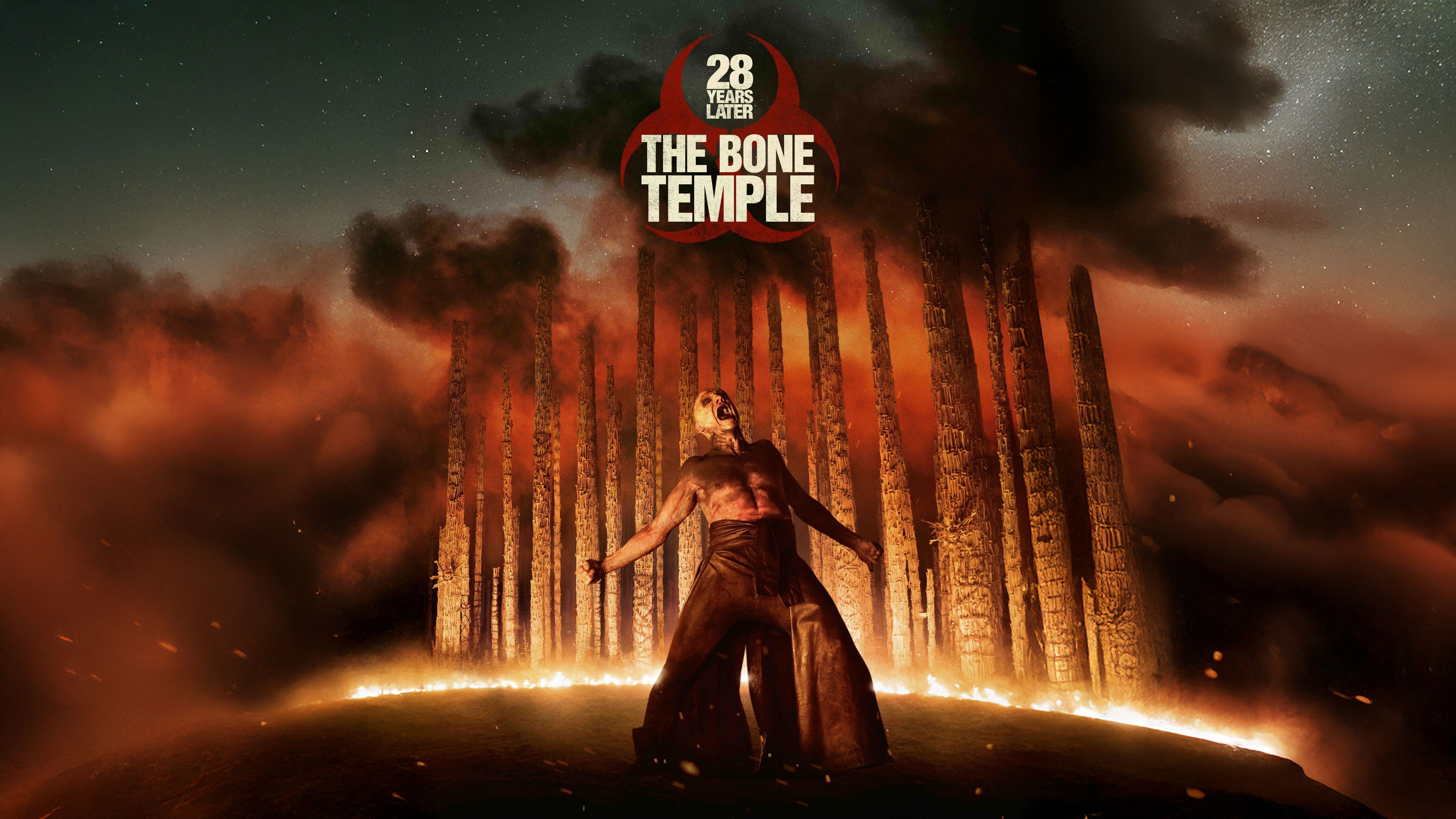
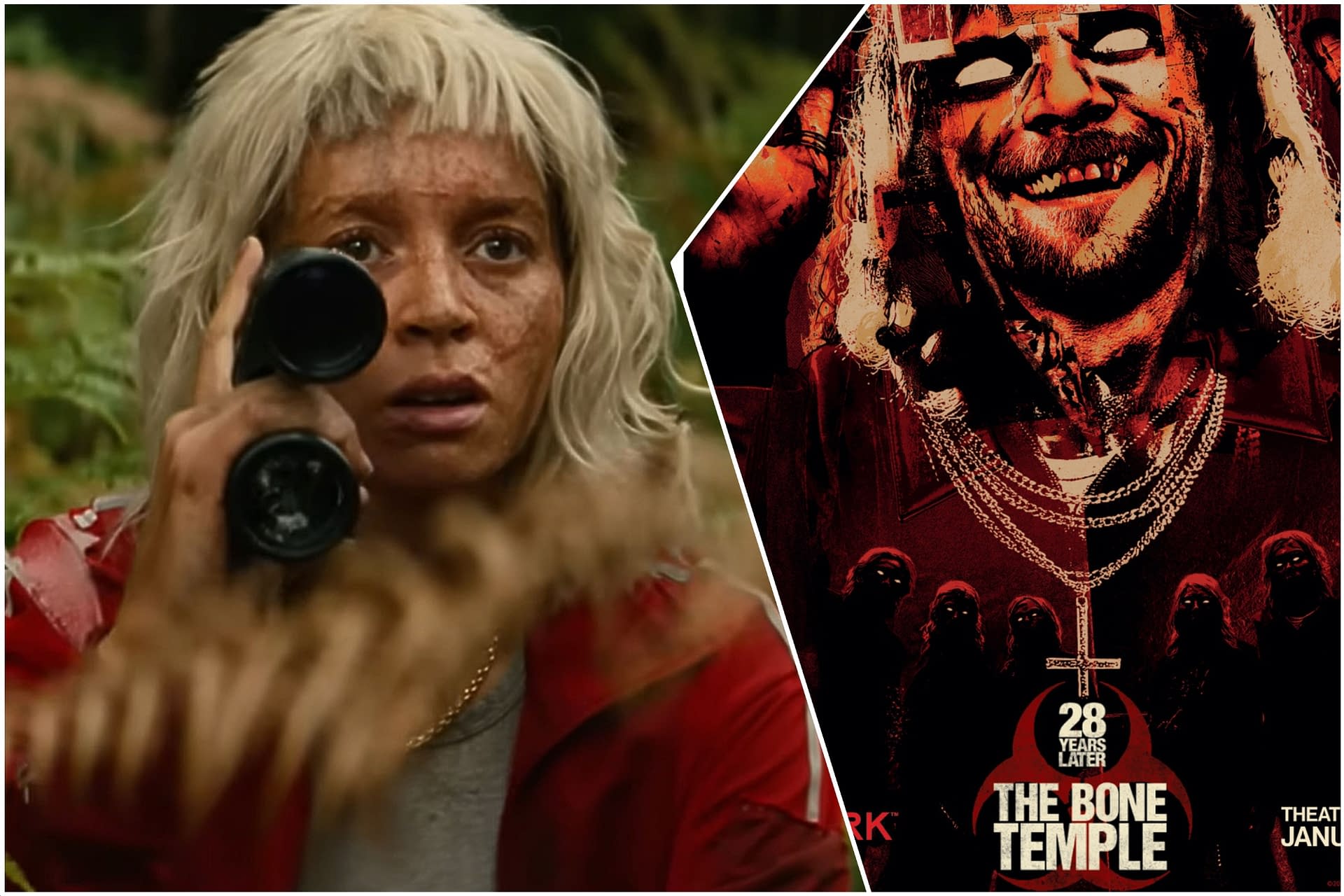
While Danny Boyle directed the first part, the second part—titled 28 Years Later Part II: The Bone Temple—was handed over to director Nia DaCosta. This transition of directors is intended to provide a fresh perspective on the world Garland has scripted, much like the transition from Boyle to Fresnadillo in the original run.
The strategy behind the trilogy is unique; instead of waiting years between installments, the production schedule was condensed to maintain momentum. The scripts for all three films were largely completed by Garland before the first camera rolled in 2024, ensuring a cohesive narrative arc that explores the ultimate fate of the Rage Virus and the possibility of a permanent cure—or permanent extinction.
Viewing Guide and Technical Specifications
For those catching up with the film in 2026 via home media or streaming platforms, the technical presentation remains a high priority. Because of its unique filming method, the visual "noise" and texture are intentional artistic choices.
- Resolution: 4K Ultra HD is the recommended format to appreciate the intricate digital grain captured by the iPhone sensors.
- Aspect Ratio: 1.85:1, providing a taller, more immersive window into the claustrophobic environments.
- Audio: Dolby Atmos is used extensively, particularly in the sound design of the "Infected," which utilizes spatial audio to simulate the terrifying speed at which they approach from all directions.
- Viewing Order: While 28 Years Later can be enjoyed as a standalone experience, viewing the 2002 original is essential for understanding Jim’s character arc. 28 Weeks Later is considered secondary but helpful for understanding the virus's historical resilience.
FAQ
Where can I stream 28 Years Later in 2026?
As of 2026, the film is primarily available on Sony's partner streaming platforms and available for digital purchase on major storefronts like Apple TV and Amazon. Due to Sony’s traditional theatrical windows, it took approximately six months after the June 2025 release to reach subscription-based streaming services.
Is Cillian Murphy the main character in the 2025 movie?
While Cillian Murphy is a central figure and executive producer, the 2025 film is an ensemble piece. It balances Jim’s veteran perspective with the journey of new characters played by Jodie Comer and Aaron Taylor-Johnson. Jim’s role is more of a "bridge" between the old world and the new.
Why did they film 28 Years Later on an iPhone?
The decision was made to honor the low-budget, digital aesthetic of the 2002 original while utilizing modern professional workflows. The iPhone 15 Pro Max allowed the filmmakers to capture high-speed, intimate footage that would have been physically impossible with larger IMAX or Arri Alexa cameras.
Do I need to watch 28 Weeks Later before seeing the 2025 film?
It is not strictly necessary. 28 Years Later functions more as a thematic and narrative successor to Danny Boyle’s original 2002 film. While 28 Weeks Later is part of the canon, the 2025 movie focuses on the long-term consequences of the virus rather than the specific military failure depicted in the 2007 sequel.
Will there be a 28 Months Later?
No. The creators decided to skip the "Months" naming convention to signify a significant jump in time and a fresh start for the franchise. The current trilogy starting with the 2025 film is the official continuation of the story.
Next Steps for Fans and New Viewers
If you have already experienced the visceral return of the franchise in 28 Years Later, your next logical step is to monitor the release schedule for Part II: The Bone Temple. For those new to the series, starting with the 2002 28 Days Later is mandatory to appreciate the evolution of the Rage Virus. Given the technical nature of the 2025 film, seeking out "Behind the Scenes" features regarding the iPhone production process provides a fascinating look at how modern cinema is evolving. Stay tuned to official production channels for updates on the final chapter of the trilogy, which is expected to conclude the saga within the next 18 months.