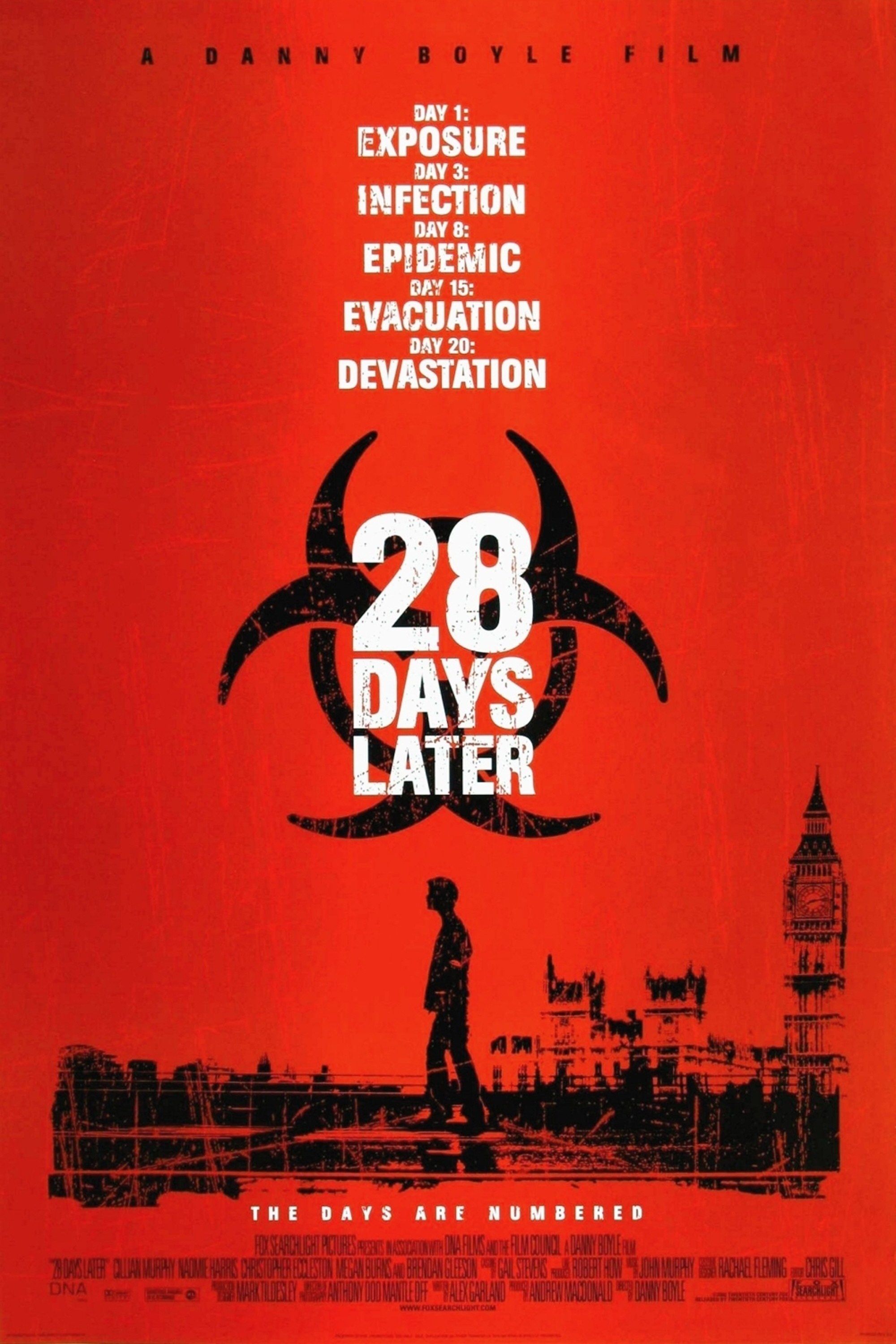
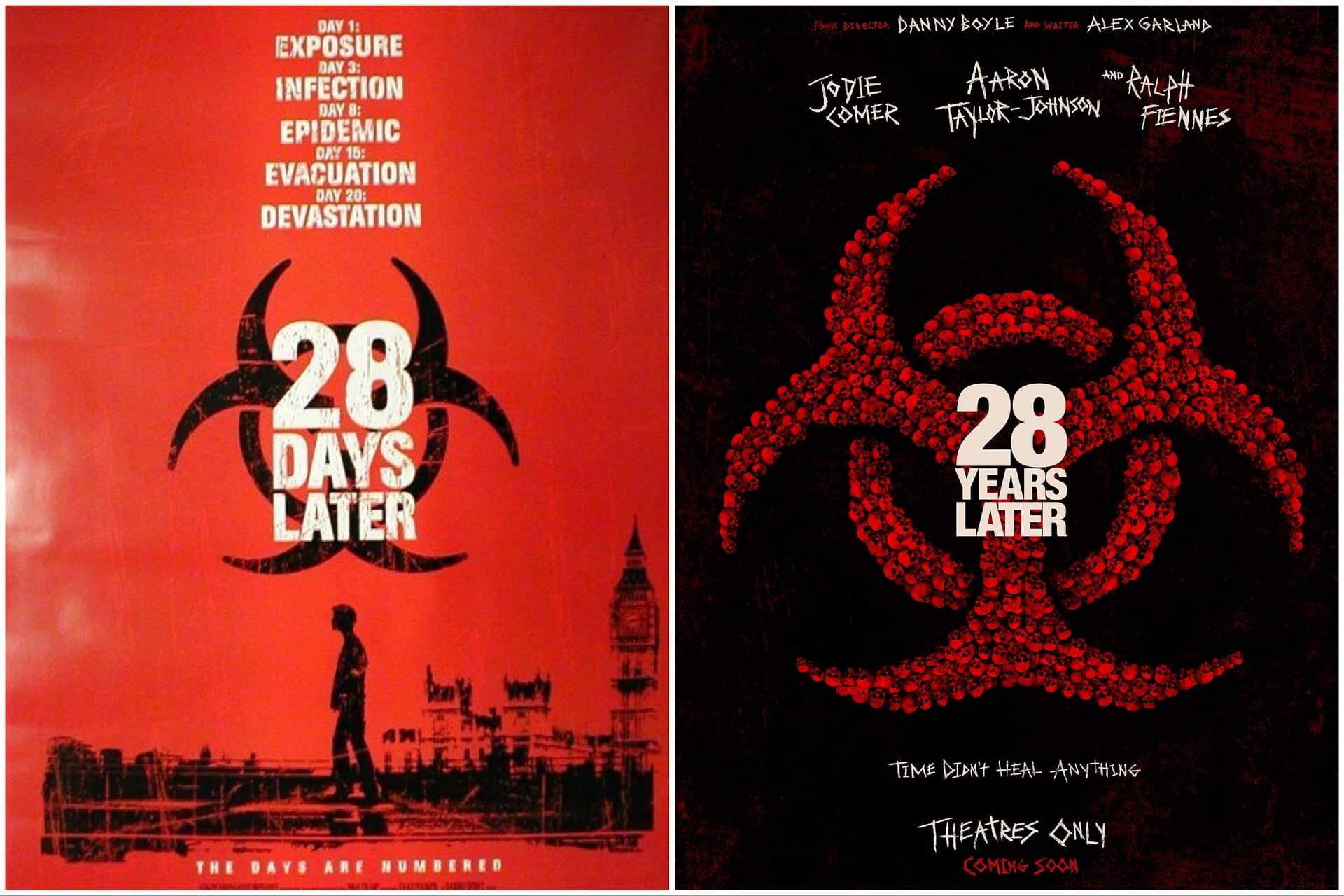
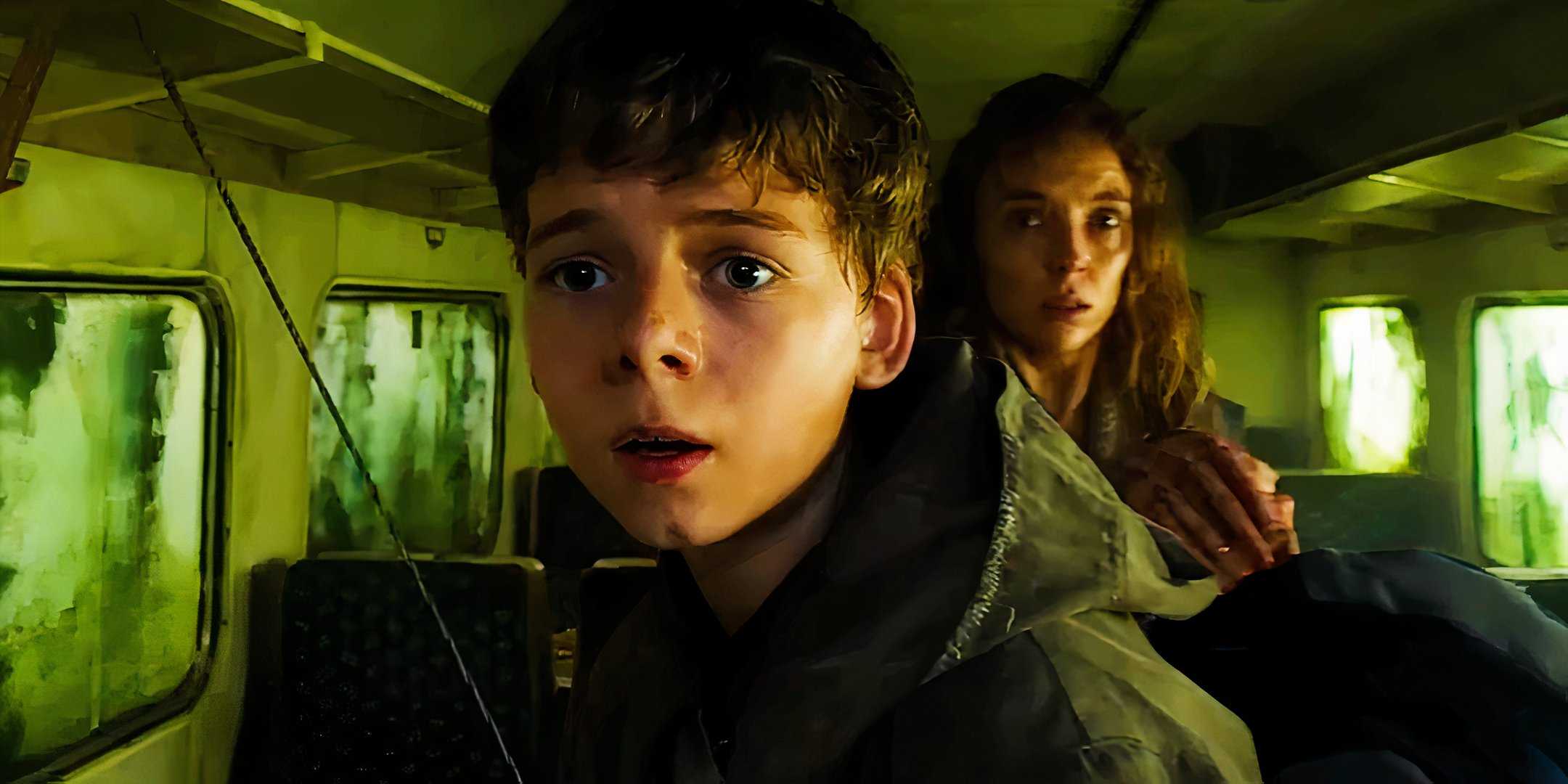
28 Years Later is the 2025 sequel to the genre-defining horror films 28 Days Later and 28 Weeks Later. Directed by Danny Boyle and written by Alex Garland, the film revisits a decimated Britain decades after the "Rage Virus" outbreak. It remains significant for its technical innovation, its reunion of the original creative team, and its profound exploration of societal collapse.
The return to this franchise in 2024—leading to its 2025 release—marked a pivotal moment for modern cinema. As we look back from 2026, the film’s impact on both the horror genre and the technical standards of filmmaking is undeniable. By reuniting the visionaries who originally subverted the "zombie" trope, 28 Years Later successfully transitioned a cult classic into a sprawling, modern epic that reflects contemporary anxieties about isolation, biological threats, and the fragility of the state.
The Origins: How the Rage Virus Changed Horror
To understand why 28 Years Later was one of the most anticipated projects of 2024, one must look back to the 2002 release of 28 Days Later. Before this film, the "zombie" genre had largely stagnated, relying on the slow-moving, shuffling corpses popularized by George A. Romero. Alex Garland’s script introduced the "Rage Virus"—an infection that turned humans into sprinting, mindless engines of violence. This shift transformed horror from a slow, creeping dread into a frantic, high-octane survival nightmare.
Beyond the "fast zombie" innovation, the original film was a landmark in digital cinematography. Danny Boyle and cinematographer Anthony Dod Mantle famously used the Canon XL1, a standard-definition digital video camera. This choice gave the film a grainy, immediate, and documentary-like aesthetic that felt visceral and real. The haunting images of a deserted London, filmed in the early morning hours to avoid traffic, became iconic markers of the post-apocalyptic subgenre.
When 28 Weeks Later followed in 2007 (directed by Juan Carlos Fresnadillo), it expanded the scale of the outbreak but lacked the specific creative DNA of the Boyle-Garland partnership. For nearly two decades, fans speculated if the original creators would ever return to conclude the story. The announcement of the new trilogy in early 2024 served as a confirmation that the story of Jim and the infected was far from over.
Production and Vision: The 2024 Development Cycle
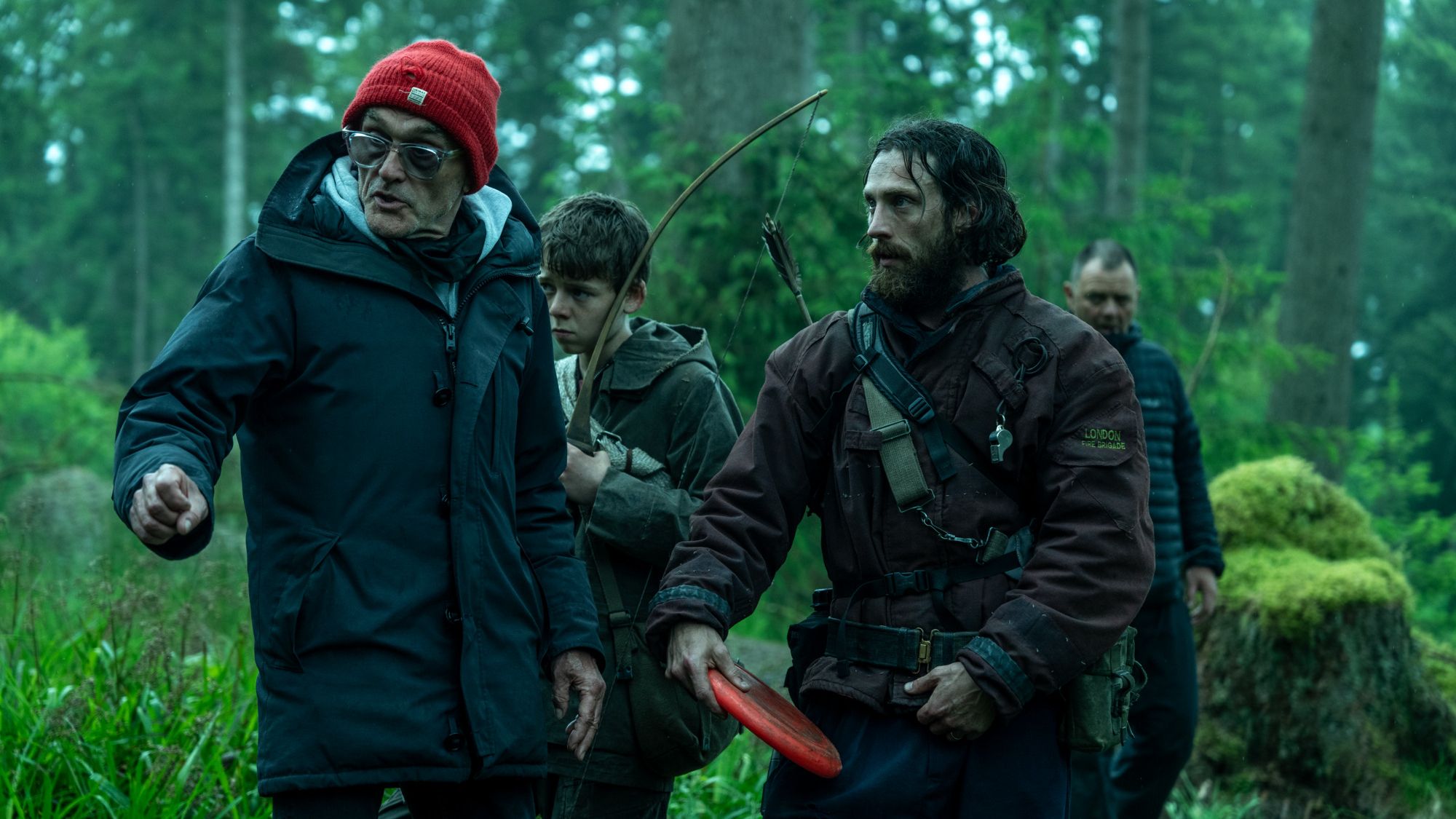
The production of 28 Years Later throughout 2024 was characterized by a "back-to-basics" approach regarding creativity, paired with cutting-edge technical experimentation. Principal photography took place primarily in the North of England, including locations in Northumberland and Newcastle. This geographical shift provided a rugged, desolate backdrop that contrasted with the urban decay seen in the previous installments.
A major point of discussion during the 2024 shoot was the film's budget and scale. While the original was a low-budget independent hit, 28 Years Later was backed by a significant studio investment, reportedly around $75 million. This allowed the production to execute large-scale set pieces and more complex practical effects, all while maintaining the "indie" spirit that Boyle is known for.
The narrative leap of 28 years allows the film to explore "The New Normal." Rather than focusing on the immediate chaos of an outbreak, the 2024 production focused on how a generation born into a post-apocalyptic world perceives the "Old World." This thematic depth moved the film beyond simple horror and into the realm of speculative social fiction.
Technical Innovation: The iPhone 15 Pro Max Experiment
In a move that mirrored the original's use of consumer-grade digital cameras, 28 Years Later made headlines in 2024 for its use of the iPhone 15 Pro Max as a primary camera for certain sequences. This was not a mere gimmick but a deliberate artistic choice to evolve the visual language established in 2002.
By utilizing high-end smartphones equipped with specialized lenses (such as those from Beastgrip), Boyle and Mantle were able to achieve a unique perspective:
- Agility: The small form factor allowed for filming in cramped, precarious locations that traditional IMAX or Arri Alexa rigs could not access.
- Visual Texture: While the iPhone 15 Pro Max shoots in 4K ProRes, the sensor size and processing provide a specific aesthetic that bridges the gap between the lo-fi look of the original and the high-fidelity expectations of modern 2025-2026 audiences.
- Immediacy: The use of mobile technology echoes the "citizen journalism" and raw footage prevalent in contemporary society, grounding the film in a recognizable reality.
This technical choice forced the industry to reconsider the boundaries of "professional" equipment, proving that the vision of the director outweighs the price tag of the hardware.
Key Cast and the Creative Reunion
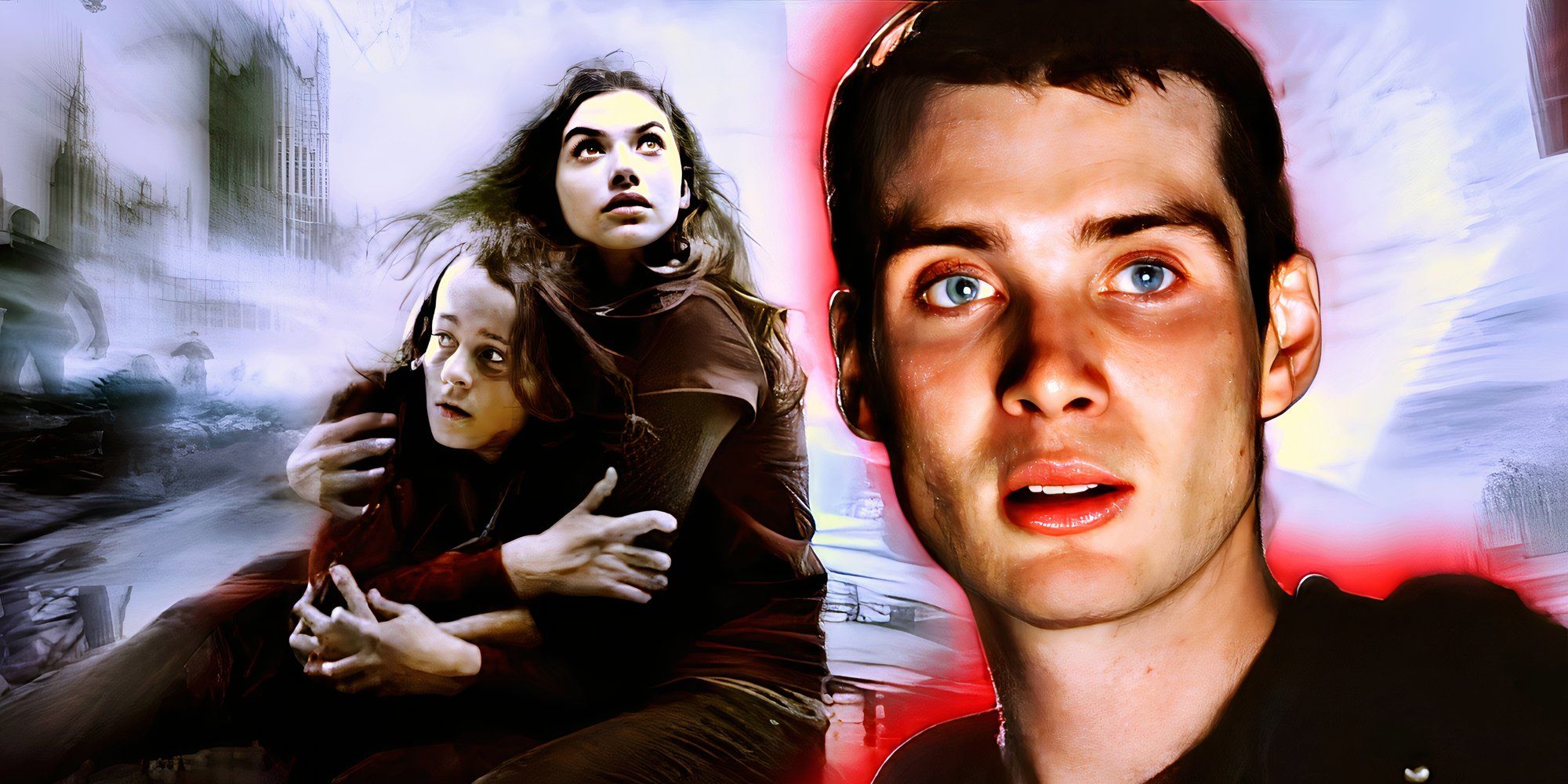
Perhaps the most significant factor in the film's success was the return of Cillian Murphy as Jim. Since the original 2002 film, Murphy’s career trajectory has been meteoric, culminating in his Academy Award win for Oppenheimer. His return to the franchise—both as an actor and an executive producer—lent the project immense prestige.
The 2024 production also introduced a new generation of talent to the franchise:
- Aaron Taylor-Johnson: Known for his physical roles, he provided the kinetic energy required for a high-stakes survival story.
- Jodie Comer: Her ability to portray complex, emotionally layered characters brought a grounded human element to the script.
- Ralph Fiennes: Adding gravitas to the cast, his role explored the remnants of institutional power and leadership in a broken world.
The reunion of Boyle and Garland is the "secret sauce" of the project. Garland, who has since become an acclaimed director in his own right (Ex Machina, Civil War), brought a more mature, cynical, and politically charged perspective to the screenplay. This synergy ensured that the film was not just a nostalgic rehash but a legitimate evolution of the story.
Comparing the Trilogy Entries
The following table outlines the progression of the franchise, highlighting the shifts in direction, technology, and scope over the decades.
| Feature | 28 Days Later (2002) | 28 Weeks Later (2007) | 28 Years Later (2025) |
|---|---|---|---|
| Director | Danny Boyle | Juan Carlos Fresnadillo | Danny Boyle |
| Primary Theme | Immediate survival/Isolation | Institutional failure/Quarantine | Societal evolution/Legacy |
| Camera Tech | Canon XL1 (Digital Video) | 16mm / 35mm Film | iPhone 15 Pro Max / Digital |
| Central Threat | Initial Rage Outbreak | Failed Repopulation | Long-term adaptation |
| Lead Actor | Cillian Murphy | Robert Carlyle | Cillian Murphy / Jodie Comer |
| Location | London / Rural England | London Green Zone | Northern England / Scotland |
Why the Film Still Matters in 2026
As of 2026, 28 Years Later has solidified its place as a cultural touchstone for several reasons. First, it addresses the "Post-Pandemic" psyche. While the Rage Virus is a fictional creation, the global experience of the early 2020s fundamentally changed how audiences perceive viral threats and lockdowns. The film taps into this collective memory, exploring the long-term psychological scars of a society that has been forced to isolate.
Second, the film challenges the fatigue associated with the zombie subgenre. By the early 2020s, audiences were weary of repetitive tropes found in long-running television series and low-budget films. 28 Years Later reminded viewers that the "infected" are merely a catalyst for exploring human nature, morality, and the collapse of the social contract.
Finally, the film serves as the anchor for a new trilogy. The 2024 production was not a standalone effort; it was the first of three planned films. With the second installment (tentatively titled 28 Years Later Part II: The Bone Temple, directed by Nia DaCosta) already in post-production by 2026, the franchise has successfully transitioned into a multi-generational saga that bridges the gap between early 21st-century cinema and the modern era.
Frequently Asked Questions
Does Cillian Murphy return in 28 Years Later?
Yes, Cillian Murphy reprises his role as Jim. In the 2024 production, it was confirmed that he would not only star but also serve as an executive producer. His character’s journey from a man waking up in a deserted hospital to a grizzled survivor 28 years later provides the emotional backbone of the new story.
Who directed the 2025 sequel?
Danny Boyle returned to the director's chair for 28 Years Later. This was a major selling point for the 2024 production cycle, as Boyle had not directed a film in the franchise since the 2002 original (having only served as an executive producer for the 2007 sequel).
Was 28 Years Later filmed on an iPhone?
Large portions of the film were captured using the iPhone 15 Pro Max. Director Danny Boyle and cinematographer Anthony Dod Mantle utilized the phone’s advanced video capabilities, paired with professional-grade lenses and rigs, to maintain the gritty, innovative aesthetic that the franchise is known for.
Is this the final film in the series?
No, 28 Years Later is the first entry in a planned trilogy. Following the filming in 2024, plans were immediately set in motion for two sequels, which will continue to explore the world as it moves further away from the original outbreak date.
Where was the film shot?
The 2024 production was primarily based in the United Kingdom, with significant filming taking place in Northumberland and the surrounding areas of Northern England. This provided a different visual palette than the London-centric locations of the previous films.
Practical Next Actions for Fans and Historians
For those looking to engage more deeply with the 28 Years Later phenomenon in 2026, several steps are recommended. First, a re-watch of the original 2002 film is essential to appreciate the visual and narrative callbacks Boyle and Garland have woven into the new trilogy. Pay close attention to the sound design, as the 2025 film heavily samples and evolves the haunting score originally composed by John Murphy.
For students of cinematography, researching the "Beastgrip" and iPhone 15 Pro Max rigs used during the 2024 production offers valuable insight into how high-end mobile technology is disrupting traditional Hollywood workflows. Finally, keep an eye on the upcoming release dates for the second part of the trilogy, as the narrative threads established in 28 Years Later are designed to pay off in the subsequent films.