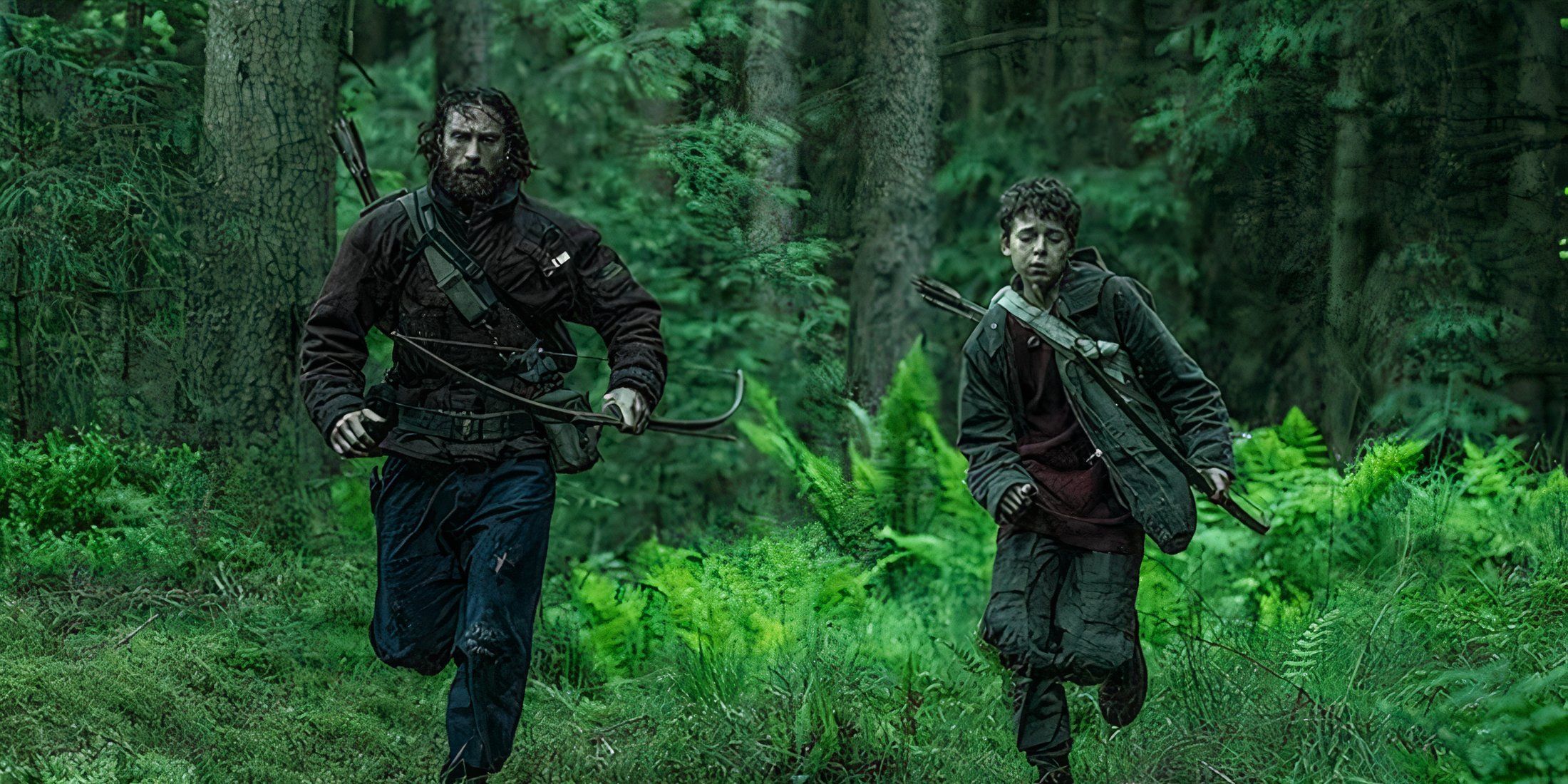
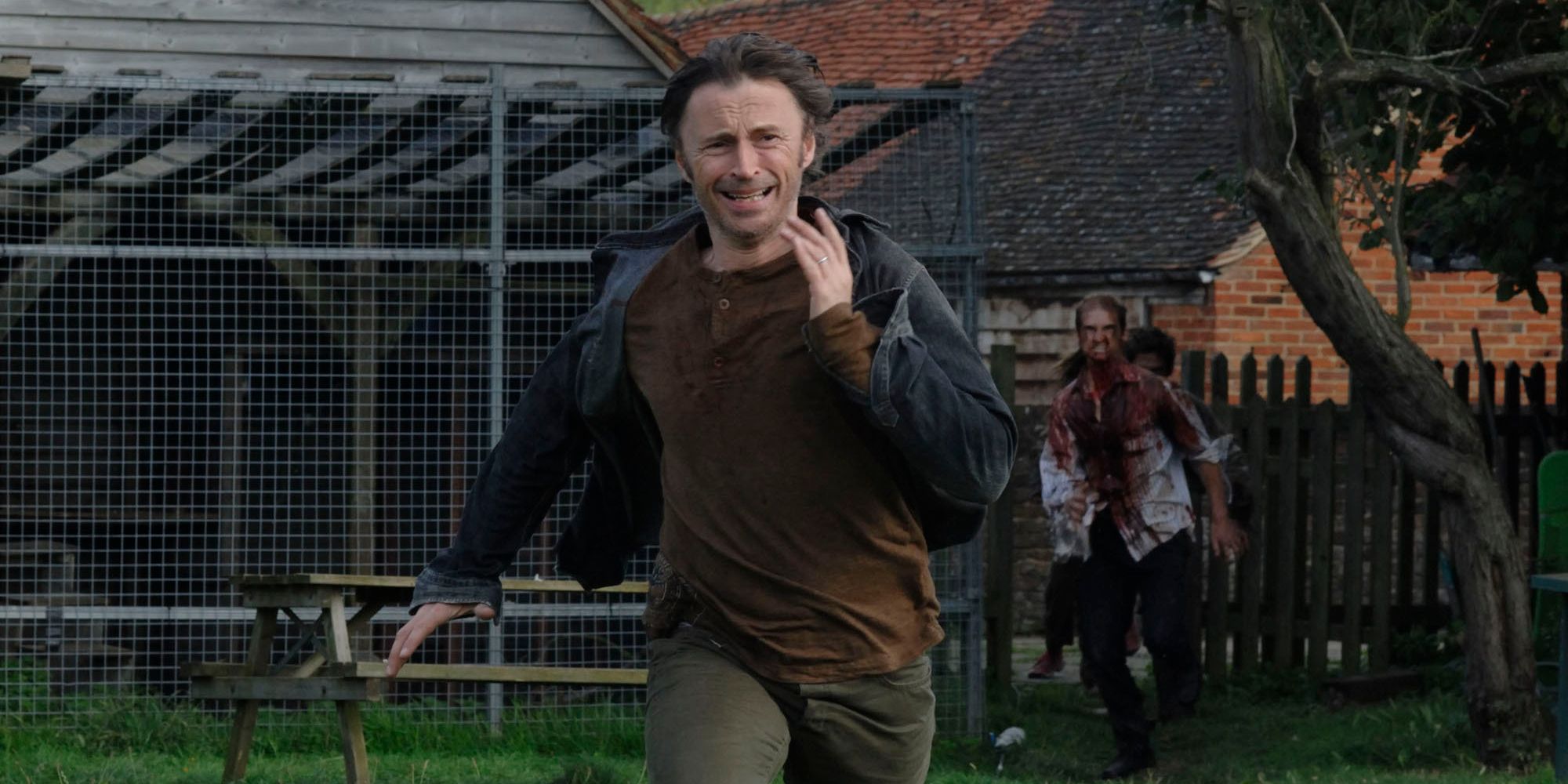
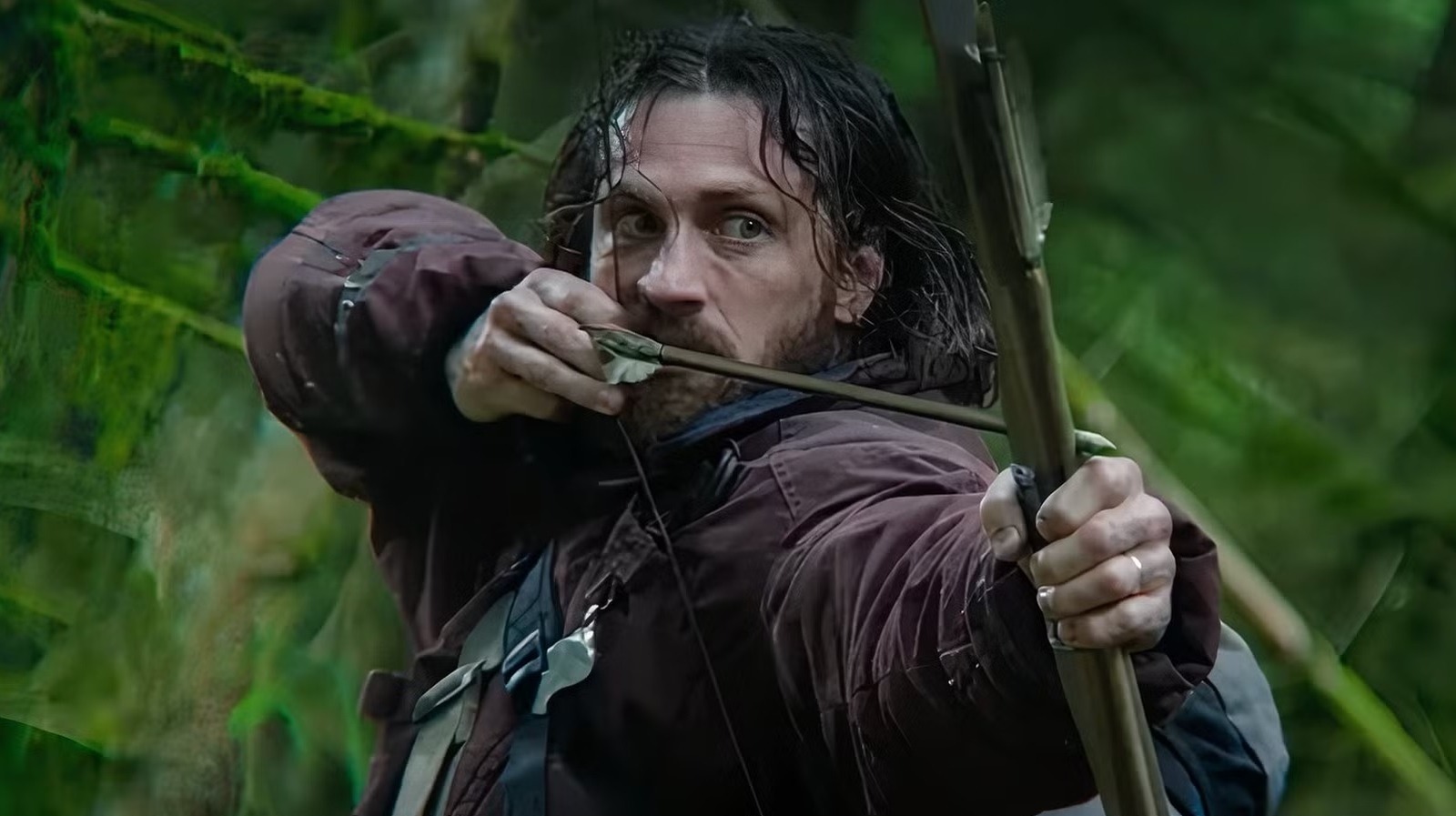
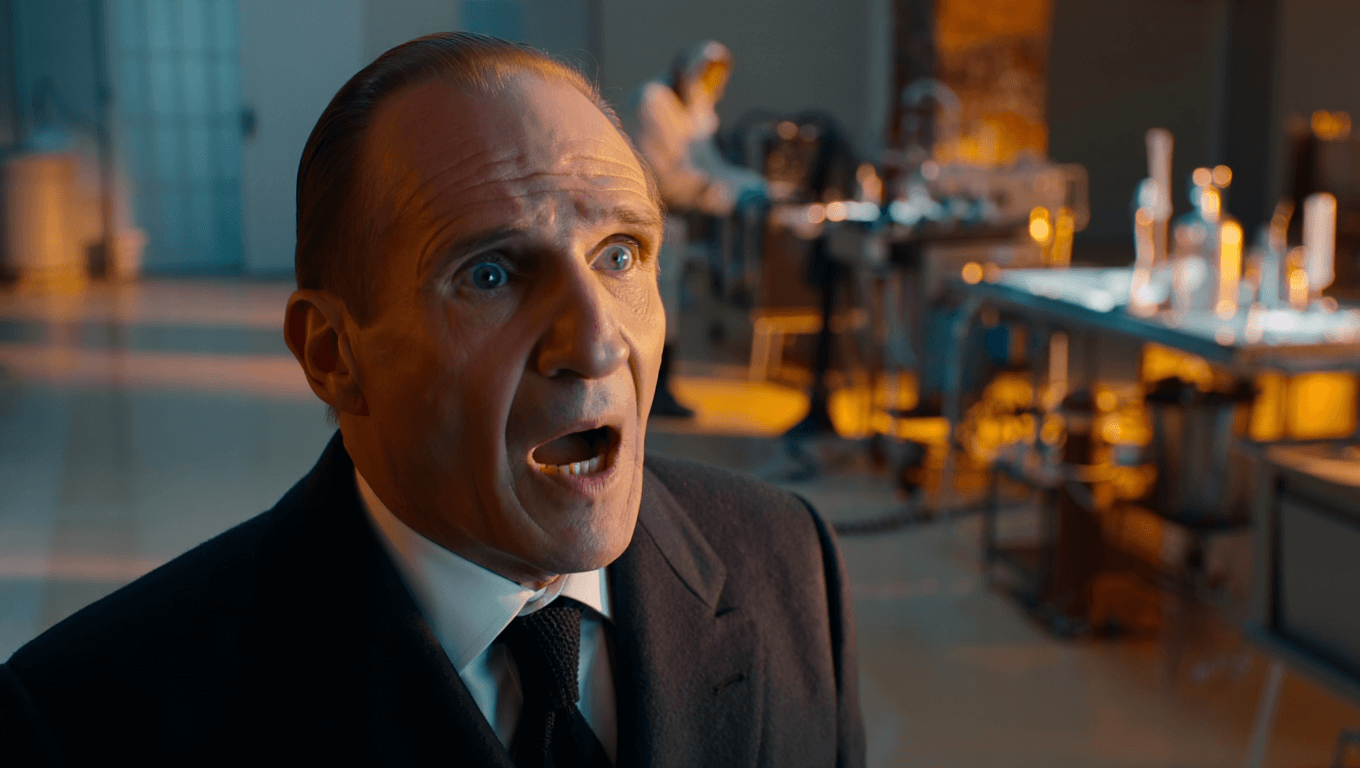
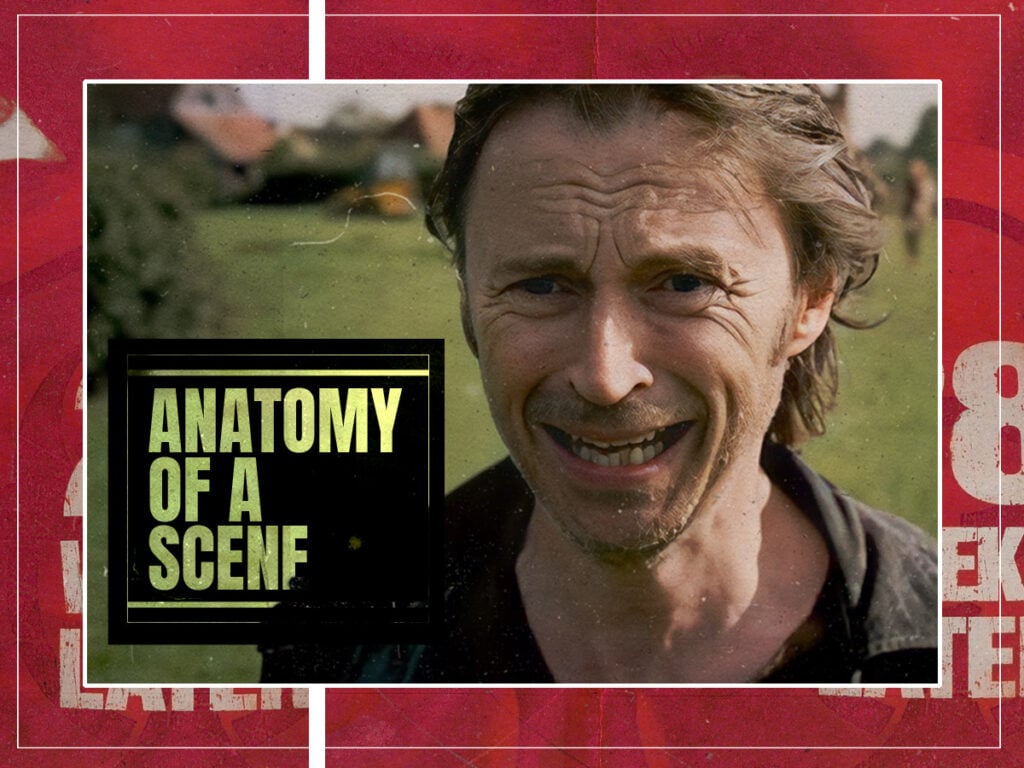
The ending of 28 Weeks Later reveals that the Rage Virus successfully breached the quarantine of the British Isles, reaching mainland Europe. Despite the efforts of the survivors, the asymptomatic carrier status of the young protagonist, Andy, led to a catastrophic outbreak in Paris, effectively ending the isolation strategy and setting the stage for a global pandemic.
When 28 Weeks Later arrived in theaters in 2007, it faced the monumental task of following Danny Boyle’s genre-defining 28 Days Later. While the first film was a focused study on survival and the collapse of social structures, the sequel, directed by Juan Carlos Fresnadillo, expanded the scope to a military-industrial scale. As of 2026, with the franchise having recently undergone a massive revival via the 28 Years Later trilogy, the ending of the 2007 sequel remains one of the most discussed "downer" endings in horror history. It didn't just end the movie; it fundamentally altered the biological and geographical rules of the franchise.
The Failure of District One and the "Code Red" Protocol
The climax of 28 Weeks Later begins with the total collapse of District One, a "Green Zone" established by the U.S. Army (under NATO auspices) on the Isle of Dogs. The failure is rooted in a tragic irony: the return of Alice, a woman who is biologically immune to the symptoms of the Rage Virus but remains an active carrier. When her husband, Don (Robert Carlyle), kisses her, he is instantly infected, leading to a localized massacre that the military is unprepared to contain.
The "Code Red" protocol serves as a turning point for the film's tone and the franchise's ethics. Seeing that the infection cannot be contained via precision shooting, General Stone (Idris Elba) orders the systematic execution of everyone in the safe zone—infected or not. This transition from "protecting the survivors" to "sanitizing the area" highlights a recurring theme in the series: the military’s inability to manage biological threats through kinetic force.
The ending sequence follows the few remaining survivors—the children Tammy and Andy, the medical officer Scarlet (Rose Byrne), and the helicopter pilot Flynn (Harold Perrineau)—as they attempt to navigate a firebombed London. The destruction of the city via incendiary weapons was intended to be the final solution, but the ending proves that the virus is more resilient than the infrastructure designed to stop it.
The Biological Paradox: Why Andy Changed Everything
The "shocking fate" mentioned in the film’s conclusion is inextricably tied to the character of Andy. Throughout the film, we learn that both Alice and her son Andy share a genetic abnormality—heterochromia (different colored eyes)—which correlates with an immune response to the Rage Virus. Unlike the standard infected, who lose all cognitive function and become hyper-aggressive within seconds, Alice and Andy carry the virus without the physical transformation.
This biological twist is the engine behind the franchise's expansion. If the virus only existed in "raving" hosts, it could theoretically be contained by physical barriers and time (as the infected eventually starve to death). However, an asymptomatic carrier like Andy can bypass thermal scanners and visual checks.
In the film’s final moments, we see Flynn fly Tammy and Andy across the English Channel. Scarlet had previously sacrificed herself to ensure the children reached the extraction point at Wembley Stadium. Flynn’s decision to take the children to France was a humanitarian one, but it was also a fatal error for the rest of the world. By 2026, film analysts often point to this moment as the "Patient Zero" event for the European continent. Andy was a walking biological weapon, and his arrival in France meant the Rage Virus no longer required a bite to jump across borders; it just required a presence.
The Final Scene: Analyzing the Paris Outbreak
The final 30 seconds of 28 Weeks Later are among the most chilling in the series. The scene shifts to a handheld camera perspective, presumably from the wreckage of Flynn's helicopter. We hear a distress call on the radio in French, signaling that time has passed—specifically 28 days since the escape from London.
The camera pans across the landscape to reveal the Eiffel Tower in the distance. As the music (John Murphy's iconic "In the House - In a Heartbeat") swells, a group of infected emerges from a tunnel, sprinting toward the Parisian landmarks. This confirms several key facts:
- The Quarantine Failed: The English Channel, a natural moat that kept the UK isolated, was breached.
- Flynn’s Fate: The crashed helicopter suggests that the infection likely broke out on board, or they crashed upon arrival due to an unforeseen complication.
- The Global Scale: By showing Paris, the filmmakers signaled that the "British problem" had become a "European problem," and by extension, a global one.
The choice of Paris was not accidental. It represented the heart of the European Union and one of the world’s most visited cities, ensuring that the virus would have ample opportunity to spread to every corner of the globe via the continent's extensive rail and air networks.
Why the Ending Put the Franchise on Ice for Nearly Two Decades
The ending of 28 Weeks Later left the franchise in a difficult position creatively. By 2007, the story had transitioned from a survivalist drama to a global apocalypse. For years, rumors of 28 Months Later circulated, but the project stalled.
The "shocking fate" of the franchise was, for a long time, its own disappearance. The ending of the second film was so definitive in its bleakness that a direct sequel would have required a massive budget to depict a global war against the infected—something that was later explored in films like World War Z.
As we look back from 2026, we know that the creators (Danny Boyle and Alex Garland) eventually decided to skip the "Months" phase entirely, opting for the 28 Years Later revival. This was a strategic move to reset the stakes. By jumping forward nearly three decades, the franchise was able to explore a world that had "settled" into a new, horrific normalcy, rather than just showing the immediate chaos that the ending of 28 Weeks Later teased.
Technical Comparison of the Franchise Evolution
The shift from the first film to the second, and eventually the 2025/2026 revival, shows a clear escalation in scale and biological complexity.
| Feature | 28 Days Later (2002) | 28 Weeks Later (2007) | 28 Years Later (2025) |
|---|---|---|---|
| Primary Scope | Local (London/UK Countryside) | Regional (London District One) | Global/Continental |
| Central Threat | Individual Infected | Military Failure / Asymptomatic Carriers | Rebuilding Societies / Evolved Strains |
| Humanity's Status | Scattered survivors | Organized military reconstruction | Tribalism and New Civilizations |
| Virus Status | New/Experimental | Contained then Escaped | Endemic/Integrated into the environment |
| Cinematic Style | Gritty Digital (DV) | High-Action 35mm | Epic/Cinematic Revival |
The Legacy of the 2007 Cliffhanger
The ending of 28 Weeks Later is often criticized for its "unearned" bleakness—specifically the idea that a seasoned pilot like Flynn would ignore the risks of carrying a child from a hot zone. However, within the context of horror cinema, it remains a powerful subversion of the "safe haven" trope.
In most zombie or infection media, reaching a new country or crossing an ocean represents safety. 28 Weeks Later argued that in a globalized world, there is no such thing as a closed border against a biological threat. The "shocking fate" wasn't just the death of the characters we followed, but the death of the illusion of safety.
By the time the franchise returned in 2025, the Paris ending had become the foundational lore for why the world looked the way it did. The 2007 ending acted as the bridge between "the incident in the UK" and "the end of the old world."
Does anyone survive the ending of 28 Weeks Later?
Technically, Tammy and Andy are seen alive in the helicopter when it lands/crashes, but the final scene implies they likely did not survive the subsequent outbreak in France. Given their status as carriers, they may have survived the infected but would have been in the middle of a new ground zero. In the 2025 sequel 28 Years Later, their specific fates are addressed as part of the broader history of the initial collapse.
How did the virus get to Paris if the infected starve?
The infected in the franchise do eventually starve to death, as seen at the end of 28 Days Later. However, the ending of 28 Weeks Later shows the virus reaching Paris via Flynn’s helicopter. Once it reached a densely populated city like Paris, the virus had a fresh supply of "hosts" to keep the infection cycle going for months or years, moving from city to city before the previous generation of infected could starve.
Is Cillian Murphy's character in the ending of 28 Weeks Later?
No, Cillian Murphy’s character, Jim, does not appear in 28 Weeks Later. His fate was left ambiguous after the first film (though a deleted scene showed him dying, the theatrical cut suggests he survived). Murphy famously returned for the 2025 revival, 28 Years Later, which explores what happened to the original survivors after the virus went global.
Why was Alice immune but still a carrier?
Alice possessed a rare genetic mutation that allowed her immune system to suppress the "rage" symptoms while allowing the virus to replicate in her saliva and blood. This made her a "Typhoid Mary" figure. The film suggests this was a maternal trait passed down to Andy, which is why the military—and later the survivors—considered them the only hope for a vaccine.
What does the Eiffel Tower scene represent for the franchise?
The Eiffel Tower scene represents the "Point of No Return." It signifies that the Rage Virus is no longer a localized British tragedy but a world-altering event. It effectively "killed" the possibility of the world returning to the pre-outbreak status quo, which is a major theme in the subsequent sequels.
Actionable Recommendations for New Viewers
If you are revisiting the franchise in 2026, it is recommended to watch the films in their chronological production order rather than seeking a narrative timeline first.
- Watch 28 Days Later (2002): Focus on the themes of isolation and the breakdown of the individual.
- Watch 28 Weeks Later (2007): Pay close attention to the "Code Red" sequences and the introduction of genetic immunity, as these elements are crucial for understanding the current 2025/2026 trilogy.
- Explore the Graphic Novels: 28 Days Later: The Aftermath provides significant context for how District One was built and the early attempts to study the virus, bridging the gap between the first two films.
- Skip the Spinoffs: Various low-budget "inspired" films exist, but only the core trilogy (Days, Weeks, Years) is considered canon by the original creators, Danny Boyle and Alex Garland.