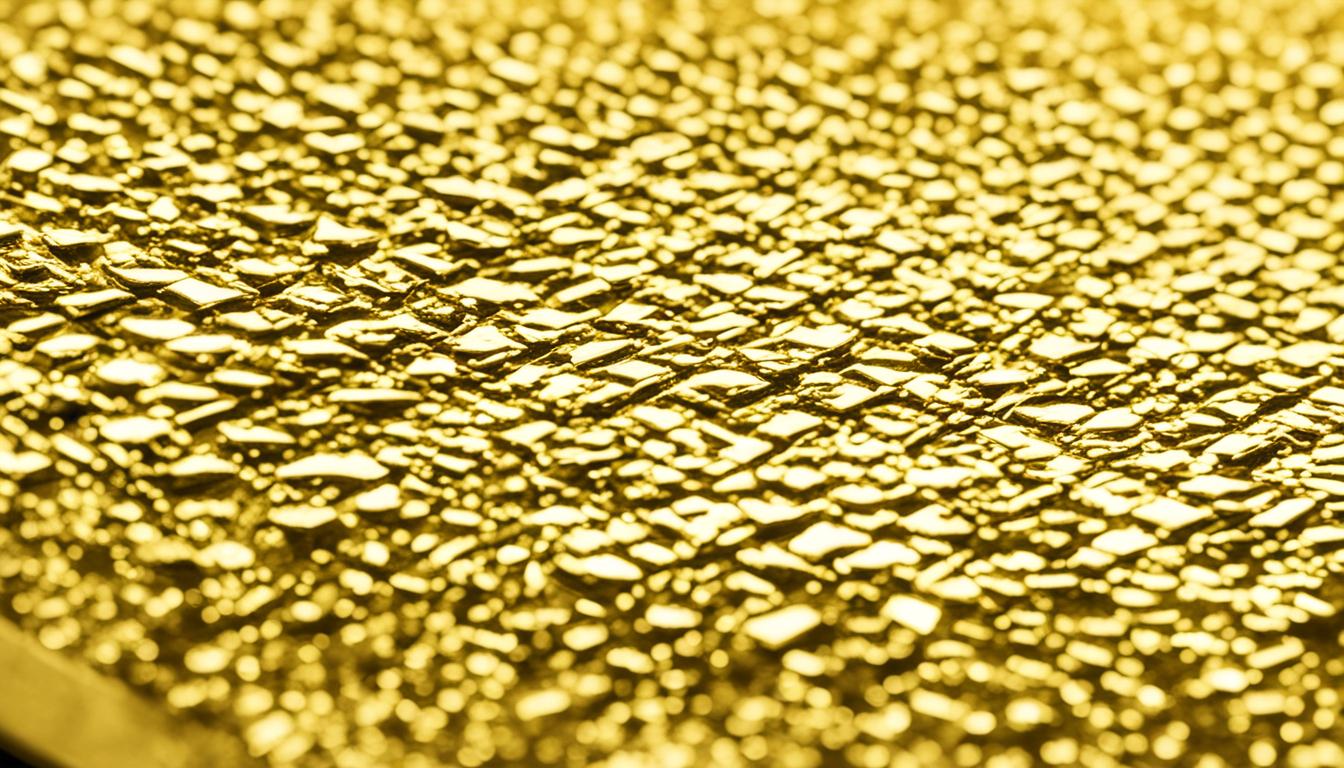
24 karat gold is the highest level of purity for the precious metal, consisting of 99.9% pure gold with virtually no alloyed metals. It is characterized by its distinct, deep yellow luster and exceptional malleability. In 2026, it remains the global benchmark for bullion investment, central bank reserves, and specialized industrial technology.
The Science of Purity: Defining 24 Karat Gold
The term "karat" (often abbreviated as "k" or "K") is a unit used to measure the purity of gold. In this system, 24 units represent the whole. Therefore, 24 karat gold is 24/24 parts gold, making it as pure as commercially possible. While a theoretical 100% purity is difficult to achieve due to the presence of trace elements, the international standard for 24k gold is a minimum of 99.9% purity, often referred to in the trade as "three nines fine."
Chemically, 24k gold is a noble metal, meaning it is highly resistant to oxidation and corrosion. Unlike lower karatages—such as 14k or 18k, which contain copper, silver, or zinc—24k gold does not tarnish or discolor over time. This chemical stability is one of the primary reasons gold has been valued for millennia. In 2026, the refined standard often reaches "four nines" (99.99%) for high-grade investment bars, a level of refinement that requires sophisticated electrochemical processes such as the Wohlwill process or the Miller process.
The "fineness" of gold is a more precise decimal measurement used alongside the karat system. For 24k gold, the fineness is 999. This means that out of 1,000 parts, 999 are pure gold. This designation is essential for international trade, as it provides a standardized metric that remains consistent across different cultures and regulatory frameworks.
Physical Characteristics and Limitations
One of the most striking features of 24k gold is its physical softness. Gold is the most malleable and ductile of all known metals. A single gram of pure 24k gold can be hammered into a sheet one square meter in size, known as gold leaf. However, this same malleability makes 24k gold impractical for many everyday applications.
In its pure form, gold is roughly as hard as a human fingernail. It can be easily scratched, bent, or deformed. This is why you rarely see engagement rings or bracelets made of 24k gold in Western markets; the daily wear and tear would quickly cause the jewelry to lose its shape or lose its setting for precious stones. To increase durability, gold must be alloyed with harder metals, which subsequently lowers its karatage.
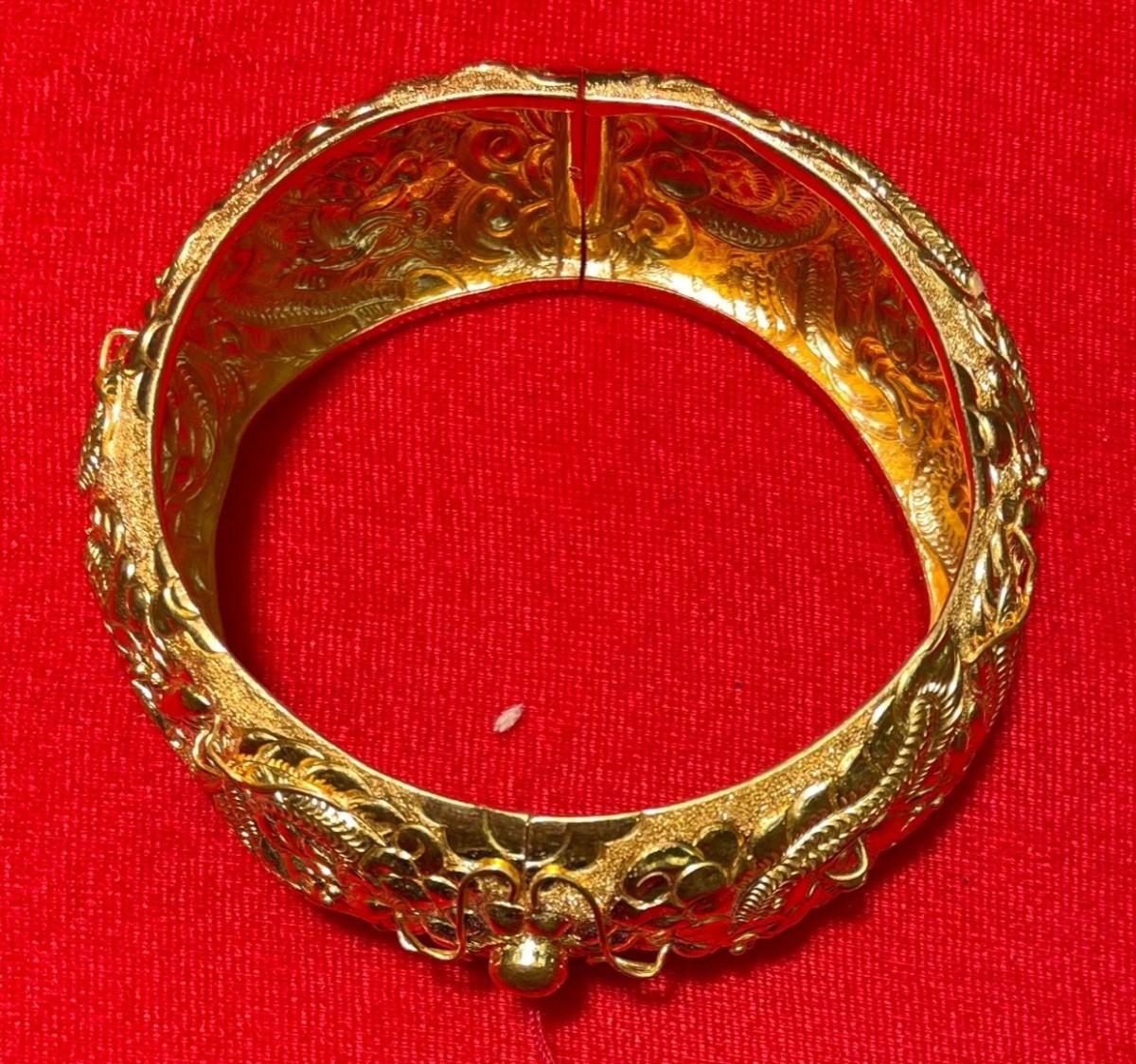
Visually, 24k gold possesses a vivid, saturated yellow-orange hue that is impossible to replicate with lower purity levels. As the karatage decreases, the color becomes paler or shifts toward different tones (like rose or white gold) depending on the alloy composition. In 2026, despite the softness of the metal, 24k jewelry remains highly popular in many Asian and Middle Eastern markets, where it is viewed as a portable store of wealth rather than just an accessory.
24k Gold as a Strategic Financial Asset in 2026
In the current economic landscape of 2026, 24k gold continues to serve as a primary hedge against inflation and currency devaluation. Because it is not a liability of any government or corporation, it carries no counterparty risk. Investors typically acquire 24k gold in the form of bullion—standardized bars or coins that are valued based on their weight and the prevailing market "spot price."
Central banks across the globe maintain significant portions of their foreign exchange reserves in 24k gold. This practice provides a stabilizing anchor for national economies. For individual investors, the primary vehicles for 24k gold ownership include:
- Bullion Bars: Available in sizes ranging from 1 gram to 400 troy ounces (the "London Good Delivery" bar). Large bars offer the lowest premiums over the spot price.
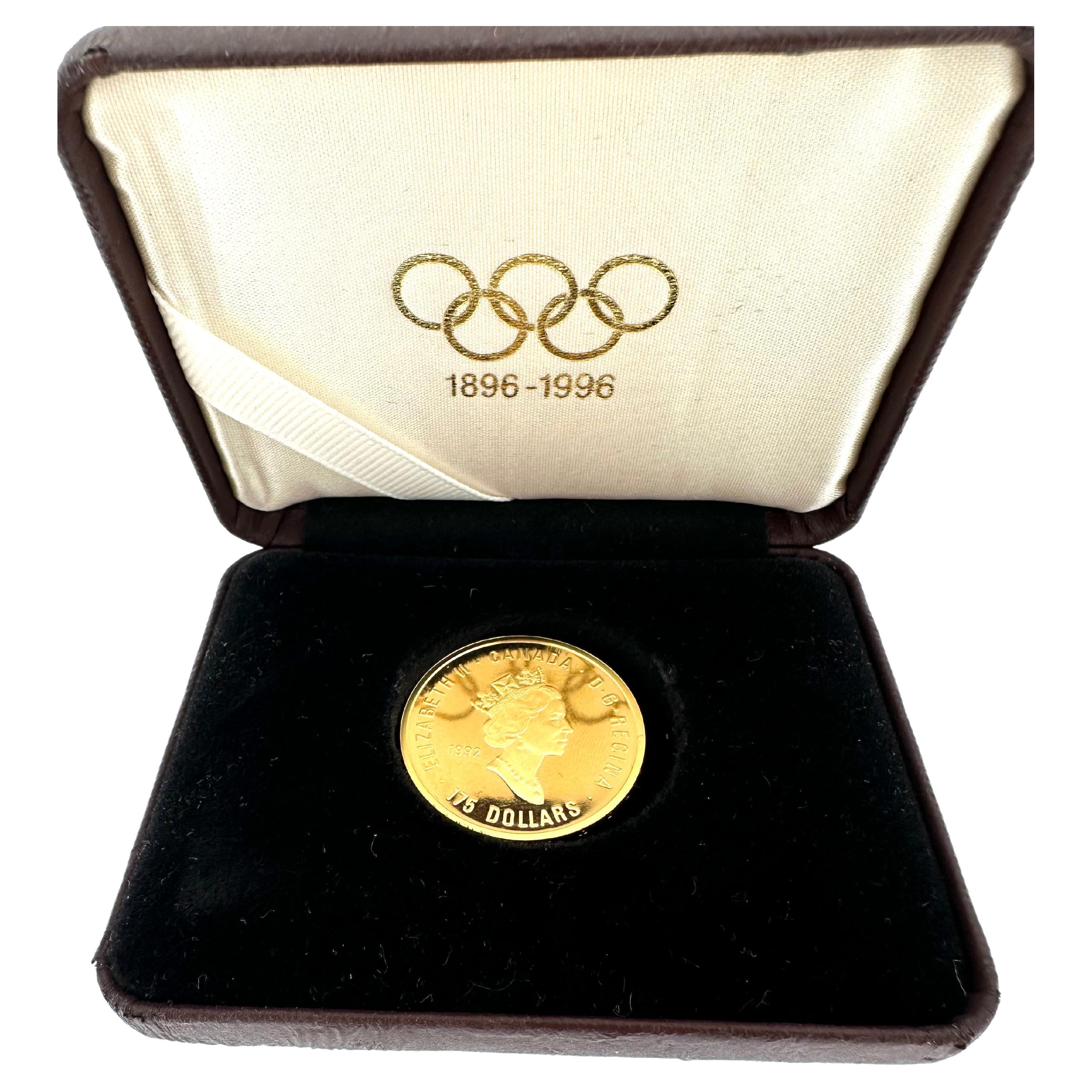
- Sovereign Coins: Government-minted coins like the Canadian Gold Maple Leaf or the Australian Gold Kangaroo are struck in .9999 fine gold. These are popular due to their high liquidity and legal tender status.
- Gold ETFs: While these are paper assets, physical-backed Exchange Traded Funds hold 24k gold bars in secure vaults, allowing investors to gain exposure to gold prices without the need for physical storage.
The pricing of 24k gold is determined 24 hours a day on international exchanges, primarily in London and New York. Factors influencing the price in 2026 include interest rate policies, geopolitical stability, and the strength of the U.S. Dollar.
Comparing Gold Purity Levels
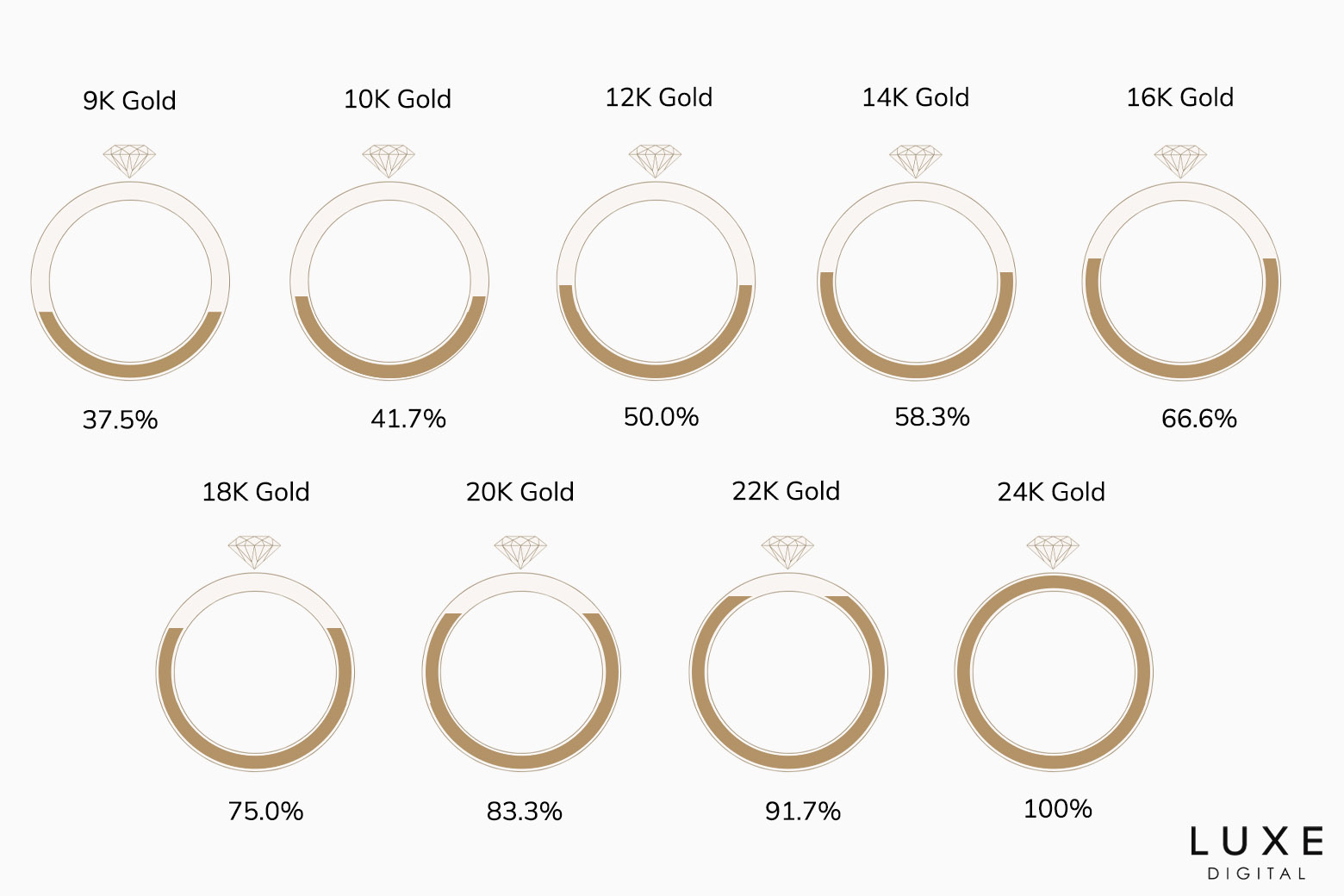
Understanding how 24k gold differs from other common purities is essential for both investors and consumers. The following table outlines the key differences in composition and usage.
| Karatage | Gold Percentage | Fineness | Common Uses | Characteristics |
|---|---|---|---|---|
| 24K | 99.9% | 999 | Investment bars, coins, electronics | Soft, bright yellow, non-tarnishing |
| 22K | 91.7% | 916 | Investment coins, high-end jewelry | Durable but still very yellow |
| 18K | 75.0% | 750 | Fine jewelry, watches | Good balance of purity and strength |
| 14K | 58.3% | 585 | Mass-market jewelry, bridal wear | Very durable, paler yellow |
| 10K | 41.7% | 417 | Budget jewelry, class rings | High durability, prone to tarnish |
The transition from 24k to 22k or 18k significantly changes the metal's properties. By adding just 8.3% of another metal to create 22k gold, the alloy becomes substantially harder, making it suitable for coins like the American Gold Eagle or the South African Krugerrand, which are designed to resist scratching during handling.
Industrial, Medical, and Technological Applications
While gold is often associated with wealth, its unique physical properties make 24k gold indispensable in modern technology. In 2026, the demand for gold in the electronics sector remains high due to its excellent electrical conductivity and resistance to corrosion.
- Electronics: 24k gold is used to plate connectors, switch and relay contacts, connecting wires, and connection strips. In high-end computing and telecommunications, where reliability is paramount, pure gold ensures that connections do not fail due to oxidation over years of use.
- Aerospace: Spacecraft and satellites utilize 24k gold coatings to reflect infrared radiation and stabilize temperatures. Because gold does not react with the environment, it remains effective in the harsh vacuum of space.
- Medicine and Dentistry: Pure gold is biocompatible. It is used in certain medical implants and has a long history in dentistry. Although 24k is often too soft for dental crowns, it is used in gold-based medications for conditions like rheumatoid arthritis and in various diagnostic tools.
- Culinary Arts: Gold leaf (E175) is chemically inert and passes through the human digestive system without being absorbed. High-end culinary presentations in 2026 continue to use 24k gold leaf as a decorative, edible element.
Methods for Verifying 24k Gold Authenticity
Given its high value, 24k gold is a frequent target for counterfeiting. Verification is a critical step for any buyer. Several methods are employed by professionals to ensure that a piece is truly .999 fine gold.
Hallmarking: Most legitimate gold products are stamped with a hallmark. For 24k gold, look for stamps like "24K," "999," or "99.9%." However, hallmarks can be forged, so they should be used as a first-level check rather than definitive proof.
Specific Gravity Test: Gold is exceptionally dense (19.3 g/cm³). By measuring the displacement of water, one can calculate the density of an object. If the density does not match 19.3, the item is either not gold or a lower karatage. This method is effective for detecting "gold-plated" tungsten, which has a similar density but is not identical.
Electronic and XRF Testing: Professional dealers in 2026 use X-Ray Fluorescence (XRF) spectrometers. These devices can determine the elemental composition of a metal without damaging it. Electronic "gold testers" measure electrical conductivity, which varies significantly between 24k gold and common alloys.
The Acid Test: This involves scratching the gold on a touchstone and applying nitric acid. While 14k or 18k gold reacts to specific acid concentrations, 24k gold is highly resistant to nitric acid. This test is reliable but slightly invasive, as it requires a small scratch.
Maintenance and Care of Pure Gold
If you own 24k gold jewelry or bullion, specialized care is required due to the metal's vulnerability to physical damage. 24k gold should never be cleaned with abrasive materials or harsh chemicals. A simple solution of warm water and mild dish soap, followed by a pat-dry with a soft microfiber cloth, is generally sufficient.
Storage is equally important. To prevent scratches, 24k items should be stored individually in soft pouches or velvet-lined boxes. For investment-grade bullion, keeping bars in their original "Assay Card" or plastic capsule is vital for maintaining their resale value. Removing a 24k coin from its protective casing can lead to "hairline" scratches that reduce its grade and premium.
Frequently Asked Questions
Can 24 karat gold tarnish or turn green?
No, 24 karat gold cannot tarnish, rust, or turn green. These reactions are caused by the oxidation of base metals like copper or silver found in lower-karat alloys. Because 24k gold is 99.9% pure and chemically noble, it remains inert when exposed to air, water, and most acids. If a "gold" item tarnishes, it is a definitive sign that it is either gold-plated or a lower karatage.
Is 24k gold a good investment in 2026?
24k gold is widely considered a stable long-term store of value. While it does not pay dividends or interest like stocks or bonds, it serves as a "safe haven" asset. In 2026, many investors include a 5% to 10% allocation of physical 24k gold in their portfolios to protect against systemic economic risks and currency volatility.
Why is 24k gold more expensive than 18k gold?
The price of gold is determined by its pure gold content. Since 24k gold contains 99.9% gold and 18k contains only 75% gold, the 24k version is naturally more expensive per gram. When you buy 24k gold, you are paying for the full weight of the precious metal without the dilution of less expensive alloys.
Can I wear 24k gold every day?
It is not recommended to wear 24k gold jewelry for high-impact daily activities. Due to its softness, a 24k ring can easily warp or lose its shape if you grip a heavy object or hit it against a hard surface. Most 24k jewelry is designed for ceremonial use or as a form of "wearable investment" rather than functional, everyday attire.
How can I tell if my 24k gold is real?
The most reliable way is to take it to a reputable jeweler or bullion dealer who uses XRF (X-Ray Fluorescence) technology. At home, you can check for a "999" hallmark and perform a magnet test (gold is not magnetic). However, counterfeiters often use non-magnetic metals, so professional testing is always the safest route.
Next Steps for Buyers and Investors
Whether you are looking to purchase 24k gold for jewelry or as a financial safeguard, the most critical next step is to identify a reputable source. In 2026, buyers should prioritize dealers who are members of recognized industry bodies such as the London Bullion Market Association (LBMA) or the Professional Numismatists Guild (PNG).
For those interested in investment, consider the "premium over spot," which is the additional cost charged by the dealer for fabrication and profit. Smaller items like 1-gram bars typically have much higher premiums than 1-ounce or 10-ounce bars. Always request an assay certificate for any significant 24k purchase, as this document verifies the weight and purity of the metal and is essential for future resale.