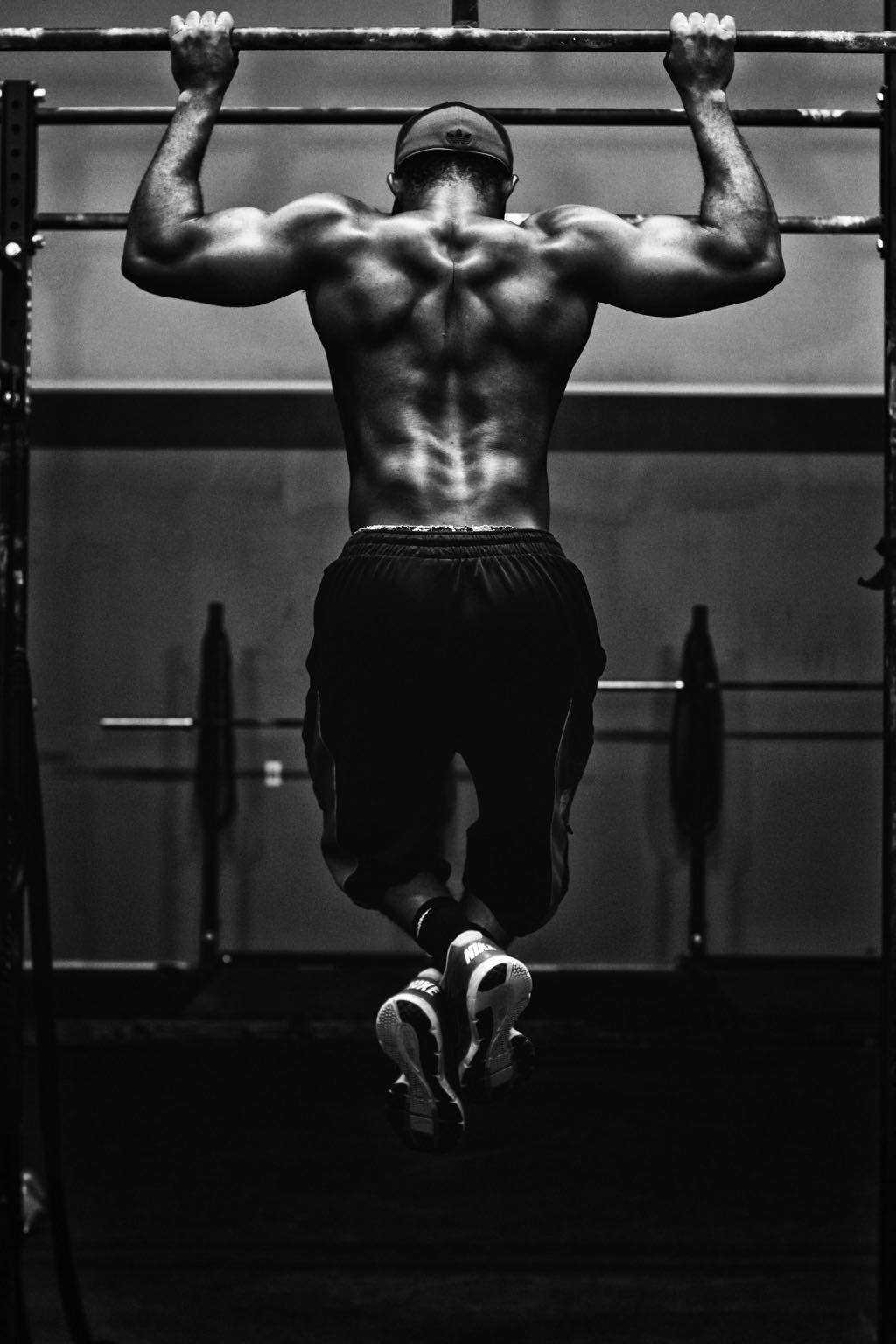
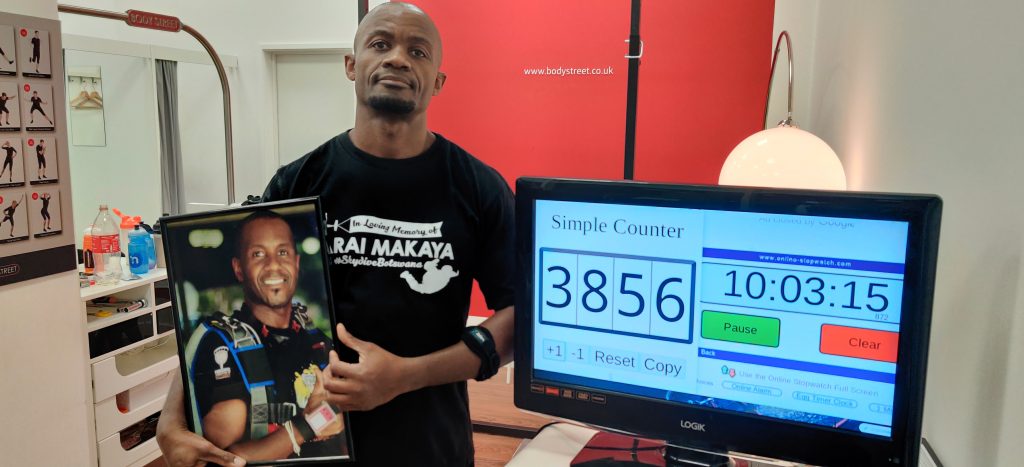
The current world record for the most pull-ups in 24 hours is 8,940, achieved by Kenta Adachi of Japan in February 2024. This feat is measured by strict Guinness World Record standards, requiring the athlete to clear the bar with their chin and reach full arm extension on every repetition while being continuously monitored.
Understanding the 24-Hour Pull-Up Record
The 24-hour pull-up record is widely considered one of the most grueling tests of muscular endurance and mental fortitude in the fitness world. Unlike short-burst strength records, the 24-hour window forces an athlete to manage extreme physiological fatigue, skin degradation on the hands, and sleep deprivation. The record is not merely about how many pull-ups one can do in a single set, but about the strategic distribution of effort over a full day-and-night cycle.
In the context of 2026, the benchmark set by Kenta Adachi remains the pinnacle of the sport. His performance surpassed the previous record of 8,209 repetitions held by Gary Lloyd. To put 8,940 repetitions into perspective, an athlete must average approximately 6.2 pull-ups every single minute for 1,440 consecutive minutes. When factoring in necessary breaks for nutrition, hydration, and short rests, the actual "working" pace often exceeds 10 to 12 repetitions per minute during active periods.
This record is distinct from the "chin-up" record, although the terms are often used interchangeably in casual conversation. In official record-keeping, a pull-up requires a pronated (palms facing away) grip, which places a higher demand on the latissimus dorsi and brachialis muscles compared to the supinated (palms facing toward) grip of a chin-up.
Official Measurement and Technique Standards
For a 24-hour pull-up attempt to be verified by Guinness World Records, it must adhere to a rigid set of technical specifications. These rules ensure that every repetition is of equal quality and that no momentum or "cheating" shortcuts are utilized.
Range of Motion Requirements
The most critical aspect of measurement is the range of motion. Each repetition must begin from a "dead hang" or a position of full arm extension. This means the elbows must be locked or nearly locked at the bottom of the movement. From there, the athlete must pull themselves upward until their chin is clearly above the level of the horizontal bar. Failure to clear the bar with the chin or failure to fully descend results in a "no-rep," which does not count toward the total.
Body Positioning and Kipping
One of the most common reasons for disqualification during high-volume attempts is "kipping" or using the lower body to generate upward momentum. Per official standards, the body must remain relatively vertical throughout the movement. While a slight natural movement of the legs is often unavoidable during extreme fatigue, any deliberate swinging, kicking, or "butterfly" motions—common in some competitive fitness disciplines—are strictly prohibited.
Evidence and Verification
A 24-hour attempt requires exhaustive documentation to be certified. This typically includes:
- Continuous Video Footage: Two separate cameras must record the entire 24-hour period from different angles to ensure every rep is visible.
- Independent Witnesses: At least two independent witnesses must be present at all times. They usually work in shifts to monitor the count and ensure compliance with the rules.
- Logbooks: A manual count must be maintained, often recording the time of each set and the cumulative total to provide a paper trail that matches the video evidence.
The Evolution of the Record: A History of Endurance
The 24-hour pull-up record has seen significant leaps in the last decade, reflecting advancements in endurance nutrition and sport-specific training. For years, the record hovered in the 4,000 to 5,000 range before athletes began breaking into the 7,000s and 8,000s.
| Record Holder | Total Repetitions | Date of Achievement | Location |
|---|---|---|---|
| Kenta Adachi | 8,940 | February 2024 | Japan |
| Gary Lloyd | 8,209 | June 2023 | Australia |
| Truett Hanes | 8,100 | May 2023 | USA |
| Brandon Tucker | 7,715 | October 2019 | USA |
| Andrew Shapiro | 7,306 | May 2016 | USA |
The progression from Andrew Shapiro's 7,306 in 2016 to Adachi’s 8,940 in 2024 represents a nearly 22% increase in total volume. This trend is attributed to "micro-loading" strategies, where athletes perform small sets (e.g., 3-5 reps) with very short rest periods (e.g., 10-15 seconds) to delay the onset of lactic acid buildup and grip failure.
Physical and Mental Prerequisites for an Attempt
Attempting the 24-hour record is not an entry-level fitness goal; it requires years of conditioning. The primary limiting factor is often not the muscles themselves, but the integrity of the skin on the hands and the health of the connective tissues (tendons and ligaments).
Skin Management
Over 24 hours, the friction between the palms and the bar can cause severe blistering and tearing. Athletes often use specialized gymnastic grips, liquid chalk, or athletic tape to protect their hands. However, even with protection, the sheer volume of repetitions often leads to "degloving" or deep tissue bruising. Record holders typically train their calluses for months to ensure their skin can withstand the abrasion.
Central Nervous System (CNS) Fatigue
Beyond the local muscle fatigue in the back and arms, the CNS begins to fail after 12 to 15 hours of repetitive movement. This leads to a decrease in coordination and an increase in the perceived rate of exertion. Mental toughness becomes the primary driver during the final eight hours, often referred to as the "dead zone," where the athlete must continue moving despite extreme sleep deprivation and systemic pain.
Nutritional Strategy
The caloric burn during a 24-hour pull-up attempt is immense, often exceeding 10,000 to 15,000 calories. Athletes must consume easy-to-digest carbohydrates, electrolytes, and amino acids throughout the event. Liquid nutrition is preferred to avoid gastrointestinal distress while maintaining the blood glucose levels necessary for muscle contraction.
Comparing the 24-Hour Record to Shorter Durations
The strategy for a 24-hour attempt is fundamentally different from shorter duration records. In a 1-hour or 6-hour attempt, the athlete can maintain a much higher intensity. In a 24-hour window, the goal is "sustainable misery."
- 1-Hour Record: Focuses on high-intensity aerobic capacity and local muscular endurance. The pace is frantic.
- 6-Hour Record: Requires a blend of strength and pacing. This is often the point where "grip fatigue" becomes the primary obstacle.
- 12-Hour Record: This is the halfway mark of the ultimate record. Interestingly, many 24-hour record holders like Kenta Adachi also set the 12-hour record during their full-day attempt.
- 24-Hour Record: The ultimate test of stamina. It is the only duration where sleep cycles and long-term metabolic health significantly impact the outcome.
Common Mistakes and Reasons for Disqualification
Many aspiring record-breakers fail not because of a lack of strength, but because of technical errors that lead to "no-reps" or full disqualification.
- Inconsistent Depth: As fatigue sets in, athletes naturally begin to "short" their reps, either not going low enough or not getting the chin high enough. In a sanctioned attempt, these reps are simply ignored by the judges.
- Improper Bar Specifications: GWR has specific requirements for the bar. It must be a standard fixed bar; it cannot be a revolving bar or have mechanical assistance.
- Resting Errors: While athletes can rest as much as they want within the 24 hours, the clock never stops. A common mistake is taking too long of a break early in the attempt, leaving too much ground to cover in the final hours when the body is least capable of high speed.
- Inadequate Documentation: Many unofficial records exist that are higher than the Guinness mark, but they are not recognized because the video evidence was interrupted or the witnesses were not properly vetted.
FAQ
How many pull-ups do I need to do per minute for the world record?
To beat the current record of 8,940, you would need to average approximately 6.21 repetitions per minute for 24 hours straight. Most athletes aim for a higher initial pace (8-10 per minute) to allow for longer rest periods in the second half of the event.
Are gloves allowed during a world record attempt?
Yes, Guinness World Records generally allows the use of gloves or palm protectors to prevent skin tearing. However, they cannot provide mechanical assistance or have any sticky substances that "hook" the athlete to the bar.
Can you use a "kipping" motion for the 24-hour record?
No. Standard pull-up records require a strict movement. Kipping, which involves using the legs and hips to create momentum, is not permitted and will result in the repetition being disqualified by the witnesses and judges.
Is there a difference between the pull-up and chin-up record?
Yes. A pull-up uses an overhand (pronated) grip, while a chin-up uses an underhand (supinated) grip. These are tracked as separate categories by most record-keeping organizations, with the pull-up generally being considered the more difficult of the two.
What is the most common injury during a 24-hour attempt?
Rhabdomyolysis is a significant medical risk during high-volume endurance events. This occurs when muscle tissue breaks down and enters the bloodstream, potentially causing kidney damage. Athletes must stay highly hydrated and monitor their physical state closely to avoid this life-threatening condition.
Strategic Planning for a Record Attempt
If you are considering a high-volume pull-up challenge or a formal record attempt, the first step is to establish a rock-solid foundation of form. Begin by performing "every minute on the minute" (EMOM) sets to build the necessary work capacity. For example, performing 5 pull-ups every minute for an hour establishes a baseline of 300 reps.
Gradually increasing the duration of these sessions while maintaining strict form is the only way to prepare the tendons for the stress of thousands of repetitions. Furthermore, prospective athletes should consult the American Council on Exercise or similar professional bodies to ensure their training program minimizes the risk of chronic overuse injuries. Once a high level of fitness is achieved, the logistics of witnesses, video equipment, and venue must be meticulously planned months in advance to satisfy the rigorous verification standards of international record bodies.