A 230 V appliance is designed to operate on a 230-volt electrical supply, which is the standard household voltage in most countries across Europe, Africa, Asia, and Oceania. When moving between regions with different electrical standards, such as between 110-120 V and 220-240 V systems, understanding the specific voltage, frequency, and plug configuration of your device is essential to ensure safe operation and prevent permanent equipment failure.
Global Voltage Standards and the 230 V Designation
The term "230 V appliance" refers to electrical equipment engineered to function within the nominal voltage range established by the International Electrotechnical Commission (IEC). While often discussed interchangeably with 220 V or 240 V, 230 V is the current harmonized standard for low-voltage electrical distribution systems in most of the world.
Historically, different regions maintained varying standards—Europe operated largely at 220 V, while the United Kingdom used 240 V. To facilitate trade and manufacturing, the IEC recommended 230 V as the unified standard. Consequently, most modern appliances are manufactured with a tolerance range—usually 230 V ± 10%—allowing them to function safely on older 220 V or 240 V circuits. However, this does not mean a 230 V appliance will work on a 110 V system, such as those found in North America, without significant intervention.
The Critical Distinction: Voltage vs. Frequency
Voltage is only half of the compatibility equation. Frequency, measured in Hertz (Hz), represents the number of cycles per second of the alternating current (AC). Most 230 V regions operate on 50 Hz, whereas 110-120 V regions typically utilize 60 Hz.
When you plug a 50 Hz device into a 60 Hz outlet (or vice versa), the motor speed and timing mechanisms can be affected. For simple resistive appliances—such as heaters, toasters, or incandescent lamps—the frequency difference is often negligible. However, for induction motors (found in refrigerators, washing machines, or fans) and sensitive electronics (like precision clocks or audio equipment), the frequency discrepancy can lead to overheating, increased wear, or inaccurate performance. Always verify the appliance label, which should state "50/60 Hz" if the device is designed to handle both frequencies.
Comparing Global Power Compatibility Requirements
The following table summarizes the requirements for operating appliances across different electrical environments.
| Factor | 230 V (IEC Standard) | 110-120 V (North America) | Compatibility Risk |
|---|---|---|---|
| Voltage | 230 V | 110–120 V | High (Risk of damage) |
| Frequency | 50 Hz | 60 Hz | Medium (Speed/Heating) |
| Plug Type | C, E, F, G, I, etc. | A, B | Physical Mismatch |
| Tolerance | Generally ±10% | Generally ±5% | Varies by manufacturer |
Requirements for International Use: Converters and Transformers
If you intend to use a 230 V appliance in a region with a different power supply, you must determine whether you require a simple plug adapter or a power transformer.
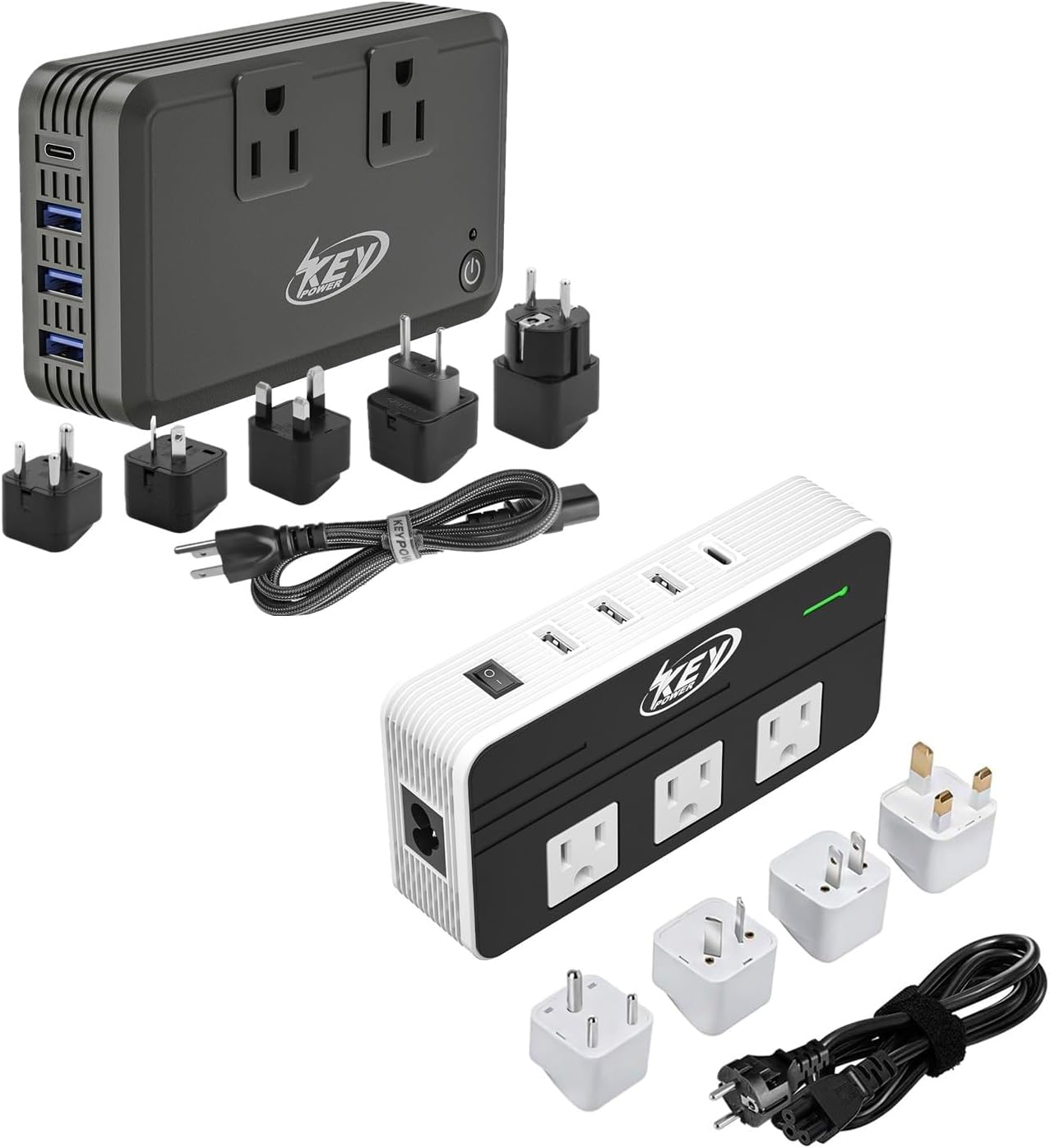
A plug adapter only changes the physical configuration of the outlet, allowing the prongs of your cord to fit the socket. It does not convert electricity. If your appliance is not "dual-voltage" (labeled 100-240 V), a plug adapter will be insufficient and potentially dangerous.
A power transformer or voltage converter is required if the voltage levels do not match. A step-up transformer increases voltage from 110 V to 230 V, while a step-down transformer reduces it. When selecting a transformer, you must account for the wattage of your appliance. The transformer’s maximum power rating must exceed the wattage of the appliance; it is professional practice to select a transformer with a capacity at least 20–30% higher than the continuous load to prevent overheating and failure during startup surges.
Safety and Operational Hazards
Connecting a 230 V appliance to a lower-voltage system generally results in the device failing to start or operating with significantly reduced power. The greater risk occurs when connecting a 110 V device to a 230 V supply without a converter. Doing so usually results in immediate internal component failure, blown fuses, or, in some cases, fire hazards due to the surge of current exceeding the insulation and component tolerances.
Never attempt to modify a plug by cutting it off and splicing it with a different cord unless you are a qualified electrician. Such modifications void warranties, violate local electrical codes, and often bypass critical safety features like grounding or thermal fuses.
Troubleshooting Common Power Issues
When a 230 V appliance fails to perform as expected, follow these systematic troubleshooting steps:
- Verify the Rating Label: Inspect the permanent data plate on the back or bottom of the device. Look for "Input Voltage." If it does not explicitly state "230 V" or a range covering it, the device is incompatible with the supply.
- Check the Circuit Breaker: If the appliance causes the power to cut out immediately upon connection, the device likely has a short circuit or exceeds the current capacity of the local breaker.
- Assess Startup Surge: High-wattage devices (e.g., vacuum cleaners, laser printers) have high "inrush current" during startup. If using a transformer, ensure it is rated for the peak starting wattage, not just the running wattage.
- Evaluate Plug Integrity: Ensure the physical connection is snug. Loose connections cause arcing, which generates heat and can melt the plug or the outlet contact points.
Frequently Asked Questions
Can I use a 230 V appliance with just a plug adapter in a 110 V country?
No. A plug adapter only solves the physical interface issue. If your appliance is not dual-voltage, it will not receive enough voltage to operate correctly and may fail to function entirely.
How do I know if my appliance is dual-voltage?
Check the technical label on the device or its power brick. If it reads "Input: 100 V–240 V, 50/60 Hz," it is dual-voltage and can safely operate globally with only a physical plug adapter.
Does a 230 V appliance work better on 220 V or 240 V power?
Most appliances labeled for 230 V are built with internal tolerances that accept both 220 V and 240 V without issue. The performance difference is typically unnoticeable in standard residential household devices.
What happens if I plug a 230 V device into a 110 V outlet without a converter?
Usually, the device will simply not turn on, or it will operate at extremely low power—for example, a motor might hum but fail to turn, or an LED display might flicker or remain dark.
Are there any appliances that should never be used with converters?
Avoid using high-wattage heating appliances, such as hair dryers, irons, or space heaters, with travel-sized voltage converters. These devices require substantial power that often exceeds the capacity of portable converters, creating a significant fire risk.
Next Steps for Appliance Integration
If you are planning to relocate or use a specific 230 V appliance in a different region, start by calculating the total power consumption (measured in Watts) of the item. Verify if the device is dual-voltage; if not, purchase a dedicated, high-quality step-up transformer with a capacity rating at least 30% higher than your appliance's maximum wattage. Always confirm that your installation complies with local building codes, and when in doubt, consult a licensed electrical contractor to inspect the supply circuit before initial connection.