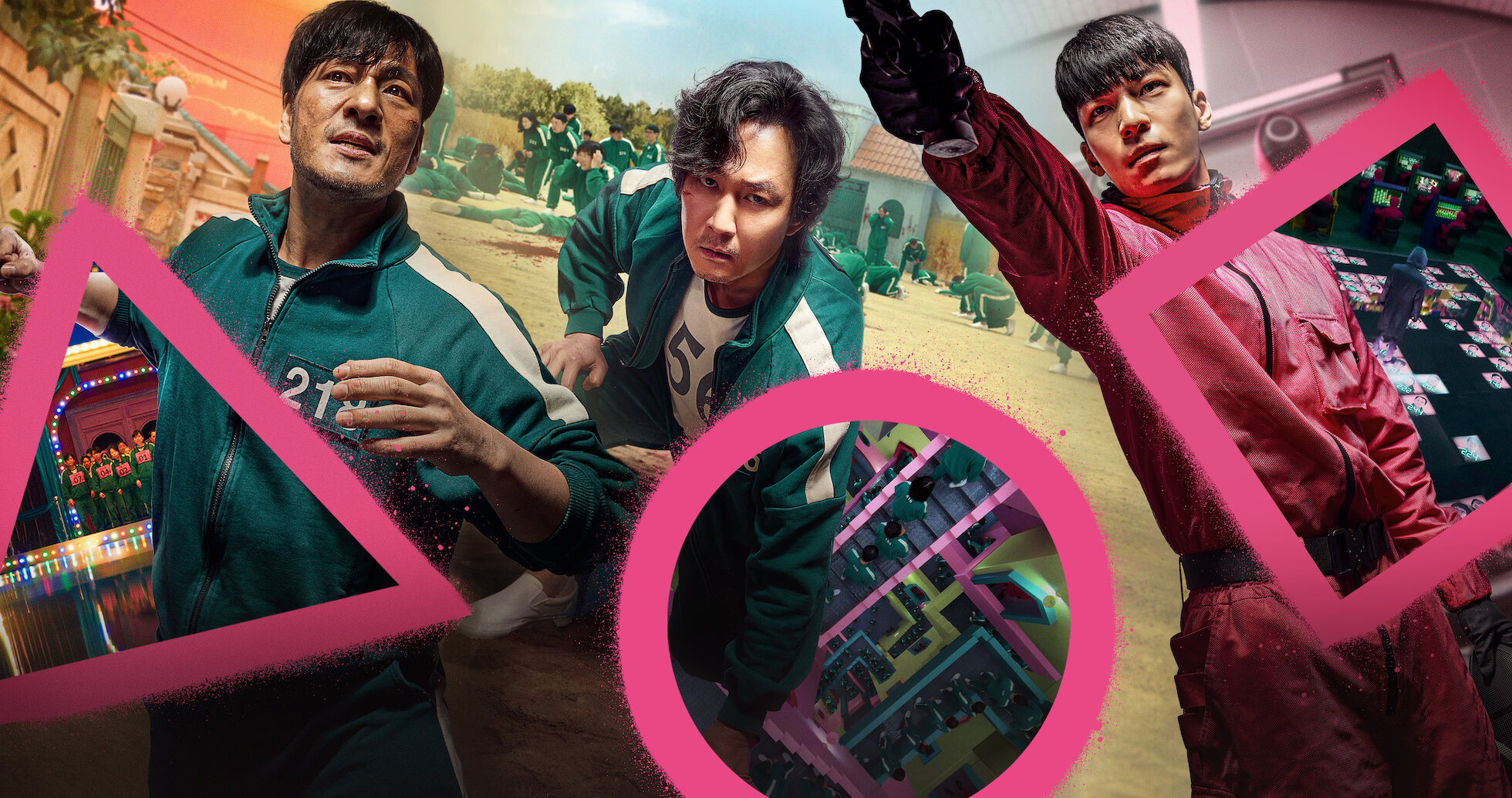
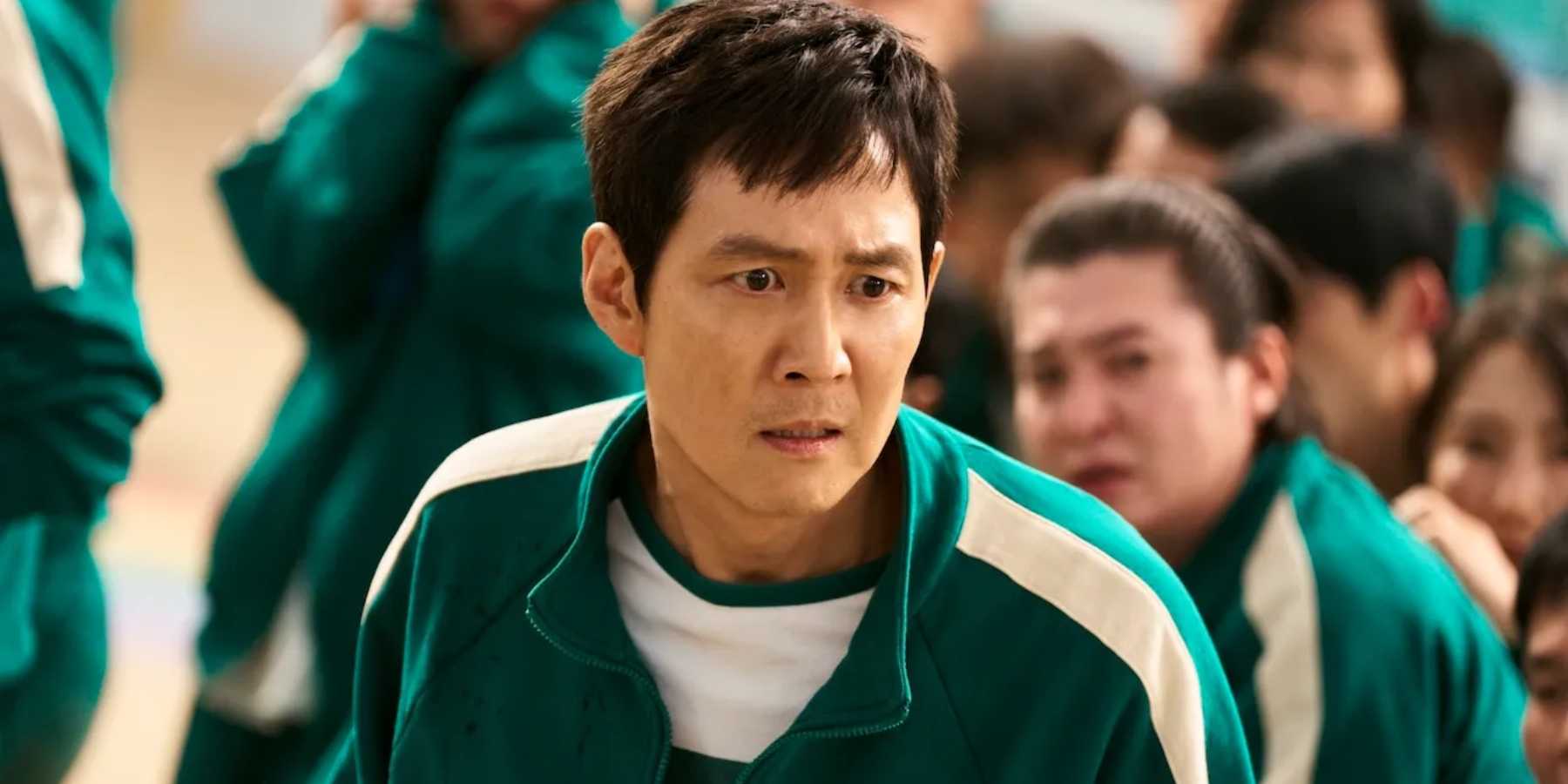
As of 2026, the global cultural landscape continues to feel the tremors left by the highly anticipated release of Squid Game Season 2, which officially premiered on Netflix on December 26, 2024. Following the record-breaking success of the debut season in 2021, the second installment transformed from a mere survival drama into a sophisticated exploration of vengeance, systemic corruption, and the psychological burden of survival. This guide provides a definitive look at the production journey, the complex narrative arcs, and the lingering theories—including the "222" enigma—that have defined the series' legacy.
The Long-Awaited Return: Release Timeline and Production Context
The journey to Squid Game Season 2 was marked by intense speculation and a meticulous production cycle. After Season 1 became Netflix’s most-watched series of all time, director Hwang Dong-hyuk faced the monumental task of expanding a story that was originally conceived as a standalone limited work. Netflix officially greenlit the second season in June 2022, but principal photography did not begin until mid-2023.
The release on December 26, 2024, was strategically timed to capture the holiday streaming surge, mirroring the "event television" feel of the first season. Unlike the rapid-fire production schedules of many streaming hits, Hwang Dong-hyuk insisted on a lengthy pre-production phase to ensure the new games and social commentary remained as biting and original as the first. This deliberation paid off, as Season 2 saw a massive increase in production value, with the budget reportedly exceeding $100 million, a stark contrast to the $21.4 million spent on the first season.
By the time we reached 2026, the franchise had already moved into its third and final act, but Season 2 remains the pivotal bridge that transitioned Seong Gi-hun from a desperate gambler to a calculated protagonist. The release served not just as entertainment, but as a confirmation that the "Squid Game" universe could sustain a long-term narrative beyond the simple shock value of its initial premise.
Plot Mechanics: From Survival to Sabotage
The narrative of Season 2 picks up exactly where the haunting finale of Season 1 left off. Seong Gi-hun (played by Lee Jung-jae), having abandoned his flight to the United States to see his daughter, is consumed by a singular purpose: dismantling the deadly games from the inside. This shift in motivation fundamentally altered the tone of the show; while Season 1 was about the "desperation to win," Season 2 focused on the "will to destroy."
Gi-hun re-enters the games not as a victim of debt, but as a wolf in sheep’s clothing. His goal is to find the organizers and stop the slaughter, but he quickly realizes that the system is more resilient than he anticipated. The plot introduces a new cohort of 456 players, each representing different facets of modern societal rot—ranging from failed influencers to disgraced former officials. The tension arises from Gi-hun’s internal conflict: to stay alive long enough to sabotaging the game, he must occasionally allow others to die, making him a reluctant participant in the very cruelty he seeks to end.
The relationship between Gi-hun and the Front Man (Lee Byung-hun) serves as the emotional core of the season. We learn more about the Front Man’s backstory and his transition from a winner to a high-ranking administrator, suggesting that the "Squid Game" is a cycle that consumes even those who think they have mastered it. The stakes are elevated by the inclusion of Detective Hwang Jun-ho (Wi Ha-jun), whose survival at the end of Season 1 is utilized to provide a parallel investigation into the global elite who fund the games.
New Faces and Returning Icons: The Expanded Cast
The casting for Season 2 was a blend of returning heavyweights and some of South Korea’s most talented contemporary actors. The addition of new cast members brought fresh dynamics to the dormitory, ensuring that the "death game" formula didn't feel repetitive.
- Lee Jung-jae (Seong Gi-hun): Returns as the hardened "Player 456." His performance in Season 2 is notably darker, reflecting the PTSD and righteous fury of a man who has lost everything.
- Lee Byung-hun (The Front Man): Takes a more central role. His cold, calculated demeanor is challenged by his past, providing much-needed depth to the antagonist's mask.
- Wi Ha-jun (Hwang Jun-ho): His return provided the "police procedural" element that allowed the audience to see the world outside the island, including the logistical and financial infrastructure of the games.
- New Additions: Actors like Im Si-wan, Kang Ha-neul, and Park Gyu-young joined the fray. Im Si-wan, in particular, was praised for his portrayal of a high-intelligence player whose motivations remained ambiguous until the final episodes.
The ensemble cast was praised for maintaining the "human" element of the show. While the games are the spectacle, the success of Season 2 rested on the audience’s investment in the players' backstories, making their inevitable eliminations feel impactful rather than exploitative.
Deciphering the Theories: The 222 Mystery and the Red Hair
In the years following the release, fan communities have been obsessed with "222" and its significance within the series. While many initially thought "222" referred to a specific player number or an "angel number" indicating balance and harmony, the community eventually identified it as a potential reference to the "Halfway Point" of the game’s philosophy. In many fan circles, the 222 theory suggests that the games are structured as a mirror image, where the 222nd player represents the pivot point between those who are victims of the system and those who are destined to become its enforcers.
Another major theory that gained traction after the Season 2 premiere involved Gi-hun’s choice of hair color. While Season 1 ended with him dyeing his hair red, Season 2 reveals this wasn't just a stylistic choice. Fans have argued that the red hair symbolized his transition from a "blue" player (the color of the jumpsuits) to a "red" guard (the color of the enforcers), suggesting that to defeat the game, Gi-hun had to adopt the persona of those he hated.
Furthermore, theories regarding the Recruiter (Gong Yoo) intensified. Season 2 provided more context on how the Recruiter selects participants, leading to the widely accepted "Ddakji Theory," which posits that the color of the square a player chooses (red or blue) determines their role in the hierarchy—a theory that was expanded upon in the middle episodes of the second season to include the concept of "The Guest List."
Comparative Analysis: Season 1 vs. Season 2
To understand the evolution of the series, it is helpful to compare the structural and thematic differences between the two installments.
| Feature | Season 1 (2021) | Season 2 (2024) |
|---|---|---|
| Primary Theme | Survival and Human Greed | Revenge and Systemic Sabotage |
| Main Protagonist Status | Desperate Debt-Ridden Gambler | Determined, Wealthy Vigilante |
| Game Style | Childhood Games (Traditional) | Complex, Psychological Variations |
| Antagonist Focus | Il-nam (The Host) | In-ho (The Front Man) |
| Color Palette | Bright, Saturation-Heavy Primary Colors | Muted, Industrial, and High-Contrast |
| Scope | Isolated Island focus | Global implications and underground networks |
| Player Count | 456 Players | 456 Players (New Batch) |
The Technical Execution: Visuals and Set Design
Director Hwang Dong-hyuk and production designer Chae Kyoung-sun pushed the boundaries of practical set design in Season 2. While Season 1 relied on the iconic "oversized playground" aesthetic, Season 2 introduced environments that felt more claustrophobic and technologically advanced. The "M.C. Escher" stairs returned but were modified to include surveillance traps and psychological stressors designed to break the players' spirits before the games even began.
The cinematography in Season 2 shifted toward a more cinematic, widescreen approach, emphasizing the scale of the new arenas. One of the most talked-about sequences involved a game based on a traditional Korean folk tradition that was reimagined as a high-stakes, multi-level maze. The use of practical effects remained a priority, with the production team building massive physical structures to ensure the actors' reactions to the "eliminations" felt visceral and authentic.
Musically, the score by Jung Jae-il evolved from the whimsical, unsettling recorders of the first season to a more orchestral, dissonant soundscape. The "Pink Soldiers" theme was remixed and layered with industrial sounds, reflecting the shift from a "game" to a "war" between Gi-hun and the organization.
Is Season 2 available in 4K on Netflix?
Yes, Squid Game Season 2 was released in Ultra HD (4K) with HDR10 and Dolby Vision support. To experience the high-contrast visuals and intricate set designs as intended, a Netflix Premium subscription and a compatible 4K television are required.
Does Seong Gi-hun win the second game?
In Season 2, "winning" takes on a different meaning. While Gi-hun survives the physical challenges, the narrative focuses on his ability to disrupt the game's mechanics. He does not seek the prize money; instead, he uses his position to influence other players and expose the guards' identities.
What is the significance of "222" in the fan community?
The number 222 has become a shorthand in the community for the theory that the games are a recursive loop. Fans often point to Player 222's brief appearance in Season 1 as a placeholder for a "reborn" character in Season 2, though the showrunners have primarily used numbers as a way to strip players of their individuality.
Will there be a Season 3?
Netflix officially confirmed that Season 3 was produced in close succession with Season 2 and served as the series' grand finale, released in 2025. This move allowed the creators to tell a continuous, high-stakes story without the long gaps that characterized the wait between the first two seasons.
Who is the new villain in Season 2?
While the Front Man remains the primary antagonist, Season 2 introduces the "VIPs" in a more tangible way. Specifically, a new character representing the financial interests behind the games acts as a secondary foil to Gi-hun, representing the "untouchable" corporate layer of the organization.
Strategic Viewing: Preparing for the Final Act
For those revisiting the series in 2026, the best way to experience Season 2 is as part of a continuous marathon leading into the final season. The nuances of Gi-hun’s transformation are best understood when the traumatic events of the first season are fresh in the mind. Viewers should pay close attention to the background players and the subtle shifts in the guards' behavior, as Season 2 plants several "easter eggs" that pay off significantly in the series finale.
As the franchise has now concluded its primary narrative arc, Season 2 stands out as the moment the show transitioned from a viral "death game" into a profound critique of the "survival of the fittest" mentality. Whether you are a newcomer or a long-time fan analyzing the "222" theories, the second season remains a masterclass in tension and social commentary.