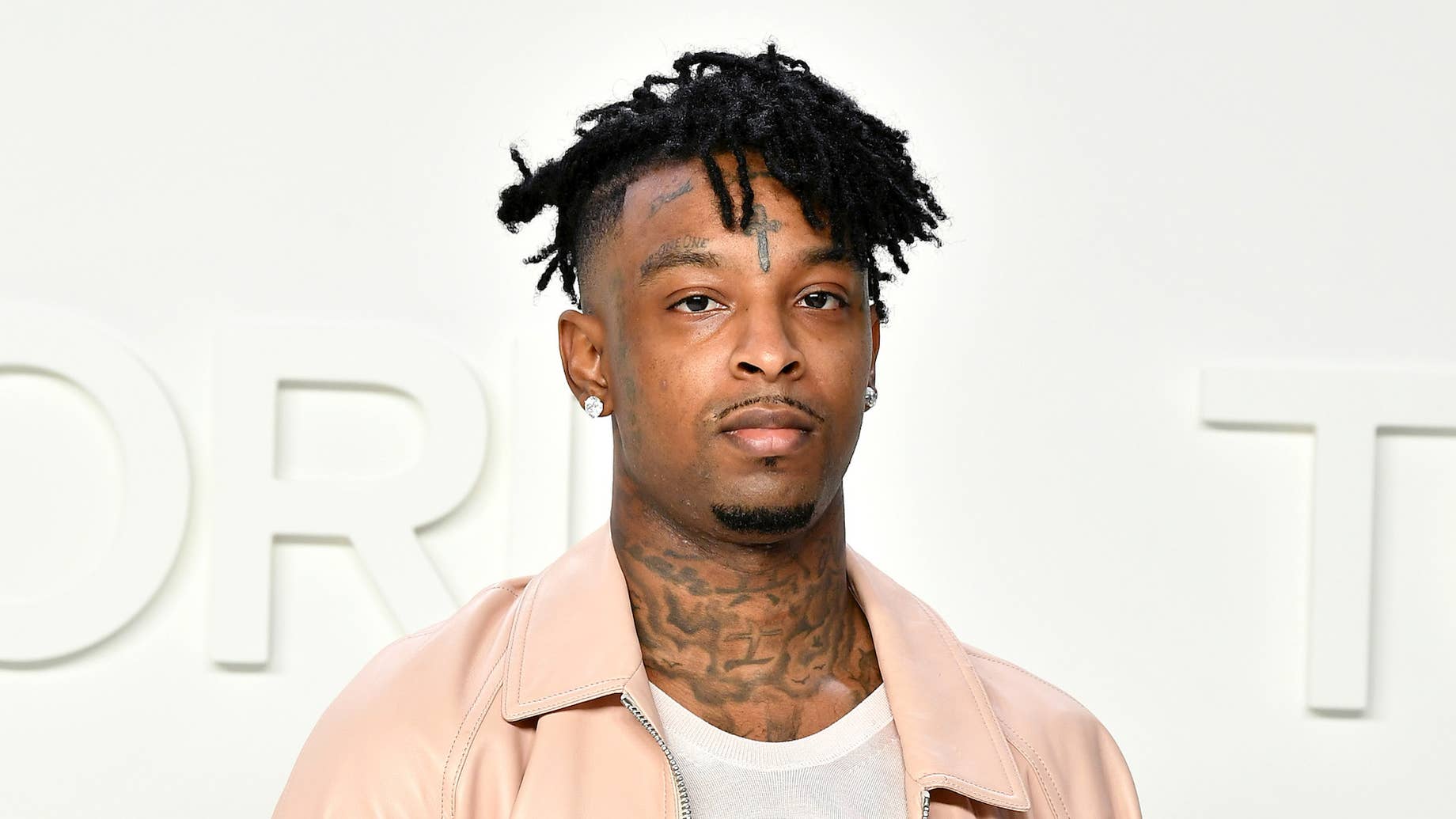
Terrell Davis, known artistically as TM1Way, was the younger brother of the Grammy-winning rapper 21 Savage. A talented musician in the London drill and rap scene, Davis was tragically killed in November 2020 in South London. His death sparked international headlines, highlighting the rapper's UK roots and the ongoing issues surrounding knife crime.
The Identity and Artistry of Terrell Davis (TM1Way)
Terrell Davis was more than just the brother of a global superstar; he was a rising talent in his own right within the United Kingdom's vibrant music ecosystem. Born and raised in London, Terrell shared a father, Kevin Emmons, with 21 Savage (Shéyaa Bin Abraham-Joseph). While 21 Savage moved to Atlanta, Georgia, at a young age and became a pillar of the American trap scene, Terrell remained in London, carving out a niche for himself under the stage name TM1Way.
TM1Way’s music was deeply rooted in the London experience, blending the gritty lyricism of drill with a more melodic sensibility that was beginning to gain traction in the late 2010s. Those close to him described him as a dedicated artist who used music as a vehicle for self-expression and community storytelling. Unlike his brother, whose career was marked by the high-gloss production of the American South, Terrell’s work carried the distinct atmospheric weight of the British capital.
The relationship between the two brothers, despite the geographic distance and 21 Savage’s immigration complexities in the late 2010s, remained one of mutual respect and familial love. Following Terrell’s passing, 21 Savage shared childhood photos on social media, expressing his disbelief and heartbreak, which humanized the global icon for many fans who were unaware of his close ties to his London-based siblings.
Detailed Account of the 2020 London Incident
The tragic event that claimed Terrell Davis's life occurred on the evening of November 22, 2020. The incident took place at the Blenheim Gardens estate in Brixton, South London. According to investigative reports and witness testimonies provided during the subsequent legal proceedings, Davis was 27 years old at the time of his death.
On the night of the incident, Davis was reportedly visiting his grandmother to help her with groceries—a detail that emphasized his role as a family-oriented individual. While at the estate, a dispute broke out between Davis and an acquaintance, Tyreeq Robert-Kray. What began as a verbal altercation quickly escalated. In the ensuing struggle, Davis was stabbed once in the chest.
Emergency services, including the London Ambulance Service and an air ambulance, were dispatched to the scene. Despite the efforts of first responders to provide life-saving treatment on the pavement of the estate, Davis was pronounced dead at the scene. The news sent shockwaves through both the local Brixton community and the international music world, as fans of 21 Savage began to piece together the connection between the Atlanta rapper and the London tragedy.
Judicial Outcomes: The Trial of Tyreeq Robert-Kray
The investigation into Terrell Davis’s death was swift, leading to the arrest of Tyreeq Robert-Kray, who was 19 years old at the time of the stabbing. The legal proceedings that followed in 2021 shed light on the complexities of the case, moving beyond a simple narrative of street violence into the realms of mental health and diminished responsibility.
During the trial at the Central Criminal Court (Old Bailey), it was revealed that Robert-Kray and Davis were known to each other. The defense argued that Robert-Kray was suffering from a mental health condition at the time of the incident. Specifically, medical evaluations suggested that he was experiencing an episode of paranoid schizophrenia, which significantly impaired his judgment and self-control.
In July 2021, Robert-Kray was found not guilty of murder but guilty of manslaughter by reason of diminished responsibility. The judge, Mr. Justice Goss, acknowledged the tragic nature of the loss but also took into account the offender's mental state. Robert-Kray was sentenced to 12 years, consisting of a custodial term and a period of extended license. This verdict was met with mixed emotions by the public, as it highlighted the recurring intersection of mental health crises and violent crime in urban centers.
A Pattern of Loss: 21 Savage’s History with Bereavement
To understand the impact of Terrell Davis’s death on 21 Savage, one must look at the rapper's broader history with loss. 21 Savage has often been vocal about the violence he witnessed and the friends he lost during his upbringing in Atlanta. However, the loss of his brothers has been a particularly heavy burden.
Terrell was not the first brother 21 Savage lost to violence. Years earlier, his brother Quantivayus Joseph was shot and killed during a drug deal gone wrong. This event was so transformative that it inspired the rapper’s stage name; the "21" in 21 Savage was originally a tribute to his brother’s "21 Street" gang affiliation in Decatur, Georgia.
The death of Terrell in 2020 meant that 21 Savage had lost two brothers to the very violence his music often critiques and explores. This cumulative grief has frequently surfaced in his lyrics, where he balances the bravado of the rap genre with moments of profound vulnerability regarding the "survivor's guilt" he feels as he achieves global success while those he grew up with are no longer present.
Key Milestones in the Terrell Davis Case
The following table summarizes the critical dates and outcomes related to the life and passing of Terrell Davis.
| Date | Event | Location | Significance |
|---|---|---|---|
| November 22, 2020 | Fatal Stabbing | Blenheim Gardens, Brixton | Terrell Davis (TM1Way) pronounced dead at the scene. |
| November 2020 | Arrest Made | South London | Tyreeq Robert-Kray taken into custody by Metropolitan Police. |
| July 2021 | Conviction | The Old Bailey, London | Verdict of manslaughter by diminished responsibility. |
| August 2021 | Sentencing | The Old Bailey, London | 12-year sentence handed to Tyreeq Robert-Kray. |
| 2024–2025 | Tributes & Legacy | Global / UK | Continued musical tributes in 21 Savage's discography. |
| 2026 | Current Status | International | Continued advocacy for knife crime prevention in the UK. |
Global Impact and the Advocacy Against Knife Crime
The death of 21 Savage’s brother brought renewed international attention to the epidemic of knife crime in London. Unlike the United States, where gun violence is the primary focus of public safety debates, the United Kingdom has struggled for decades with high rates of stabbings, particularly among young men in metropolitan areas.
The high profile of this case forced a conversation about the factors contributing to such violence:
- Socio-economic Deprivation: Areas like Lambeth have faced significant challenges with funding for youth services and community outreach.
- Mental Health Access: The conviction of Robert-Kray underscored the need for better early-intervention systems for young people suffering from severe mental illness.
- Music and Culture: While some critics attempted to blame the "drill" genre for inciting violence, fans and activists argued that the music is a symptom of the environment, not the cause.
21 Savage has used his platform to support various charitable endeavors. In 2026, his focus remains on financial literacy and youth empowerment, but the shadow of his brother's death continues to inform his philanthropic efforts in both the US and the UK. By highlighting the reality of these losses, he has contributed to a more nuanced global understanding of urban violence that transcends borders.
How did 21 Savage react to his brother's death?
21 Savage expressed deep grief through social media, posting "Can’t believe somebody took you baby bro" alongside childhood photos. He has since included subtle references to the loss in his music, moving toward a tone that emphasizes the fragility of life and the importance of family.
What was Terrell Davis's music style?
Terrell Davis, performing as TM1Way, focused on the London drill and rap genres. His style was characterized by authentic storytelling about life in South London, utilizing the heavy basslines and rhythmic complexity typical of the UK scene in the late 2010s.
Why was the charge changed from murder to manslaughter?
The court accepted a plea of manslaughter by reason of diminished responsibility because the defendant, Tyreeq Robert-Kray, was diagnosed with paranoid schizophrenia. In the UK legal system, this suggests that the defendant's mental state was a primary factor in the crime, reducing the legal "malice aforethought" required for a murder conviction.
Did 21 Savage attend the funeral in London?
Due to his ongoing and highly publicized immigration issues with U.S. Immigration and Customs Enforcement (ICE) during that period, 21 Savage faced significant hurdles regarding international travel. While he maintained private contact with his family in London, his ability to travel freely to the UK was a subject of much media speculation at the time.
Who are 21 Savage's other siblings?
Besides Terrell Davis and the late Quantivayus Joseph, 21 Savage has two sisters, Kyra and Jayda Davis. He remains close with his sisters, who have also been active in preserving the memory of their brothers through social media and community events.
Supporting Community Initiatives and Memorials
For those looking to honor the memory of Terrell Davis or support the causes highlighted by this tragedy, engaging with UK-based anti-violence organizations is a practical step. Groups such as The Ben Kinsella Trust and Steel Warriors work tirelessly to educate youth on the dangers of knife crime and provide resources for those living in high-risk areas.
In 2026, the legacy of TM1Way lives on through the continued streaming of his music and the advocacy of his family. For fans of 21 Savage, understanding the story of Terrell Davis provides a deeper context to the rapper's art—a reminder that behind the platinum records and global fame lies a family that has navigated the same profound losses as many of their listeners. Supporting local youth centers and mental health services remains the most effective way to address the root causes of the violence that claimed the life of this young artist.