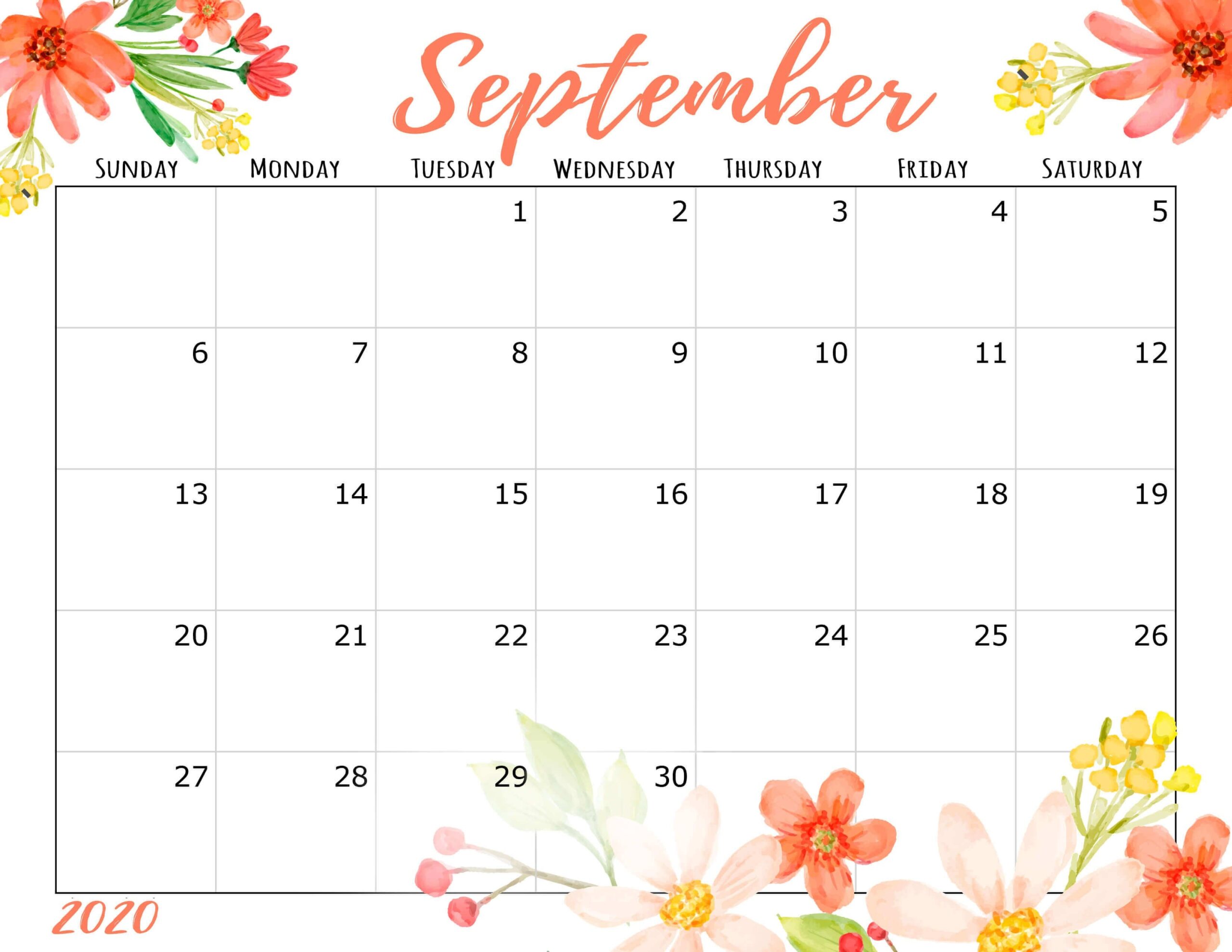
The 21 Days of September is a structured personal development framework designed to reset routines, boost productivity, and align wellness goals during the transition into the year's final quarter. By dedicating the first three weeks of the month to intentional habit-building, participants effectively bridge the gap between summer's flexibility and the high-performance demands of the autumn season.
September often serves as a "second New Year." For many, the return to academic schedules and the corporate push toward year-end targets creates a natural window for behavioral change. The "21 Days of September" guide leverages this psychological shift, providing a roadmap to optimize your physical environment, mental clarity, and professional output before the busy holiday season begins. In 2026, as digital fatigue and hybrid work complexities continue to evolve, a focused 21-day sprint is more critical than ever for maintaining long-term momentum.
The Science and Psychology of the 21-Day Sprint
The choice of a 21-day timeframe is rooted in the "21-Day Rule," a concept popularized by Dr. Maxwell Maltz in the 1960s. While modern neuroscience suggests that complex habit formation can take between 18 to 254 days depending on the individual, the 21-day mark remains a vital psychological milestone. It is the period where "conscious competence" begins—the stage where a new behavior no longer feels entirely foreign, though it still requires deliberate effort.
Why September is the Ideal Catalyst
September represents a seasonal "Fresh Start Effect." Research in behavioral economics indicates that people are more likely to pursue goals at temporal landmarks (like the start of a new month or season) because these dates allow individuals to relegate past failures to a "previous period" and start with a clean slate.
In the Northern Hemisphere, the approach of the Autumnal Equinox brings shorter days and cooler temperatures. This environmental shift naturally triggers a "nesting" instinct, making it the perfect time to audit indoor environments and internal habits. Using the first 21 days of September allows you to complete a reset just as the equinox occurs, perfectly aligning your personal rhythms with the changing season.
Phase 1: The Foundation (Days 1–7)
The first week of the September reset focuses on Environmental and Cognitive Decluttering. You cannot build new habits on a chaotic foundation. This phase requires an audit of both your physical space and your digital consumption.
Environmental Optimization
Your physical surroundings dictate your cognitive load. Spend the first three days of September assessing your primary workspaces and living areas.
- The "One-Touch" Rule: Implement a system where items are handled only once—either put them away, file them, or discard them immediately.
- Workspace Ergonomics: As we move into Q4 2026, ensure your home office or desk is optimized for the reduced natural light of autumn. Check your lighting setup and monitor height to prevent seasonal eye strain.
Digital Minimalist Audit
By Day 5, focus on your digital environment. The goal is to reduce "low-value" stimuli that fragment your attention.
- Unsubscribe and Purge: Use these days to unsubscribe from marketing emails that no longer serve you and delete apps that contribute to "doom-scrolling."
- Notification Hierarchy: Reconfigure your smartphone notifications. Only "human-to-human" interactions (calls, direct messages) should provide haptic or sound alerts. All other app notifications should be silenced or relegated to a scheduled summary.
Phase 2: High-Performance Rhythms (Days 8–14)
Once the clutter is removed, the second week shifts toward Operational Efficiency. This is where you establish the "engines" of your daily routine: sleep, deep work, and nutrition.
The Circadian Reset
As the sun sets earlier, your internal clock must adjust. Between Days 8 and 14, focus on "viewing the sunrise" and "dimming the sunset."
- Morning Sunlight: Aim for 10–20 minutes of natural light exposure within an hour of waking. This regulates cortisol production and sets the timer for melatonin release later that evening.
- The 3-2-1 Rule: For optimal sleep quality, stop eating 3 hours before bed, stop working 2 hours before bed, and eliminate blue light screens 1 hour before bed.
Deep Work Blocks
Professional demands typically peak in September. To combat this, schedule "Deep Work" sessions—90-minute blocks of uninterrupted focus on your most challenging tasks. During this second week, the goal is to successfully complete at least one Deep Work block per day. By Day 14, this should feel like a non-negotiable part of your professional identity.
Nutritional Priming
Transition your diet away from the high-sugar, inflammatory "summer treats" toward nutrient-dense, seasonal foods. Focus on magnesium-rich foods (leafy greens, seeds) to support the nervous system during the high-stress transition into Q4.
Phase 3: Sustainability and Q4 Planning (Days 15–21)
The final week of the guide is about Refinement and Longevity. It is not enough to simply "survive" 21 days; you must ensure these changes stick through the end of the year.
The Weekly Review Habit
By Day 15, introduce a formal "Sunday Review." This is a 30-minute session where you look back at the previous week’s wins and friction points, then plan the upcoming week’s Top 3 objectives. This practice prevents the "drifting" feeling that often occurs in late September.
Social Battery Management
Autumn often brings an increase in social obligations, from school events to early holiday planning. Use Days 18–20 to practice "Selective Commitment." Evaluate your social calendar through the lens of your 21-day goals. If an event doesn't align with your current energy levels or priorities, learn the art of the polite "no."
Final Integration: The Equinox Alignment
Day 21 typically lands just before or on the Autumnal Equinox. Use this day to perform a "System Check."
- What worked? Identify the habits that felt easiest to maintain.
- What failed? Analyze why certain goals weren't met. Was the goal too ambitious, or was the environment not supportive?
- The 1% Rule: For the remainder of September and into October, focus on improving these habits by just 1% each day rather than seeking another radical overhaul.
Comparing the Pillars of the 21-Day Guide
To choose where to focus your energy, consider the following breakdown of the three primary tracks within the September reset.
| Focus Area | Primary Objective | Key Metric for Success | Complexity Level |
|---|---|---|---|
| Digital/Spatial | Reduce cognitive load | Zero unread inbox; clean desk | Low |
| Biological/Wellness | Regulate energy levels | 7+ hours of sleep; daily movement | Moderate |
| Strategic/Professional | Maximize Q4 output | Successful completion of Deep Work | High |
Essential Requirements for a Successful 21-Day Sprint
To complete this guide effectively, you do not need expensive subscriptions or equipment. However, the following "soft" prerequisites are mandatory:
- A Low-Friction Tracking System: Whether it is a paper journal or a simple habit-tracking app, you must record your progress daily. Visualizing a "streak" is a powerful dopamine trigger that encourages consistency.
- The "Never Miss Twice" Rule: Life happens. If you miss a morning walk or check your email at 11 PM on Day 10, do not abandon the challenge. The goal is 80-90% adherence, not perfection.
- Defined "Why": Write down your primary reason for the reset on Day 1. Are you doing this to reduce anxiety, get a promotion, or improve your health? Refer to this when your motivation dips around Day 12 (the common "slump" period).
Troubleshooting Common Obstacles
The Mid-Challenge Slump (Days 10–12)
Most participants feel a surge of excitement in the first week, followed by a significant dip in motivation around Day 10. This is the "Boredom Threshold." To overcome this, vary your routine slightly—try a different workout or a new workspace—while keeping the core habit intact.
Social Pressure
If friends or colleagues question your new boundaries (e.g., leaving work on time or declining evening drinks), frame your reset as a "short-term experiment." People are generally more supportive of a "21-day challenge" than a permanent lifestyle change, even if you intend for the change to be lasting.
Over-Ambition
The most common cause of failure is trying to change 10 things at once. If you feel overwhelmed by Day 4, scale back. Choose one physical habit and one professional habit. Success in two areas is better than failure in ten.
Frequently Asked Questions
Can I start the 21-day guide after September 1st?
Yes. While starting on the 1st provides a clean psychological break, the "21 Days of September" framework is effective regardless of the start date. If you start on September 10th, your challenge simply carries into the first week of October. The key is the 21-day consistency, not the specific calendar alignment.
Is 21 days really enough to change my life?
Twenty-one days is enough to break the "initial resistance" of a new behavior. It is long enough to see tangible results (better sleep, improved focus) but short enough to feel attainable. Think of it as a "pilot program" for the person you want to be in 2027.
What if I have a vacation planned during September?
A vacation doesn't have to end the reset. Shift your focus to "Maintenance Mode." Instead of "High-Performance Rhythms," focus on the wellness and digital decluttering aspects. Use the vacation as a literal "Environmental Reset" to gain perspective on your routine back home.
Do I need to buy specific supplements or tools?
No. The 21 Days of September is a behavioral framework, not a product-based program. While things like a high-quality planner or a sunrise alarm clock can help, they are secondary to the commitment to the daily actions outlined in the guide.
How do I handle "relapses" into old habits during the 21 days?
The "Never Miss Twice" rule is your best defense. If you fail to meet a goal one day, your only priority for the next day is to get back on track. Relapses are data points; they show you where your routine is fragile. Use them to adjust your environment (e.g., "I checked my phone because it was on my nightstand; I will move it to the kitchen tonight").
Final Recommendation: Your Next Step
To begin your 21-day journey, perform a 30-minute Life Audit tonight. Identify the one habit that is currently causing the most friction in your life—whether it is late-night scrolling, a cluttered workspace, or a lack of clear professional priorities. Use Day 1 of September to address that single issue with 100% focus. By starting small and following the three-phase structure of decluttering, rhythm-building, and refinement, you will enter the final quarter of 2026 with more clarity and energy than you have had all year.