To convert 209 days into months, the most accurate general answer is approximately 6.87 months. This calculation uses the Gregorian average of 30.44 days per month. In a practical calendar setting for 2026, this period typically equates to 6 full months and roughly 26 to 29 additional days, depending on which month the count begins.
Understanding the Variability of Month Lengths
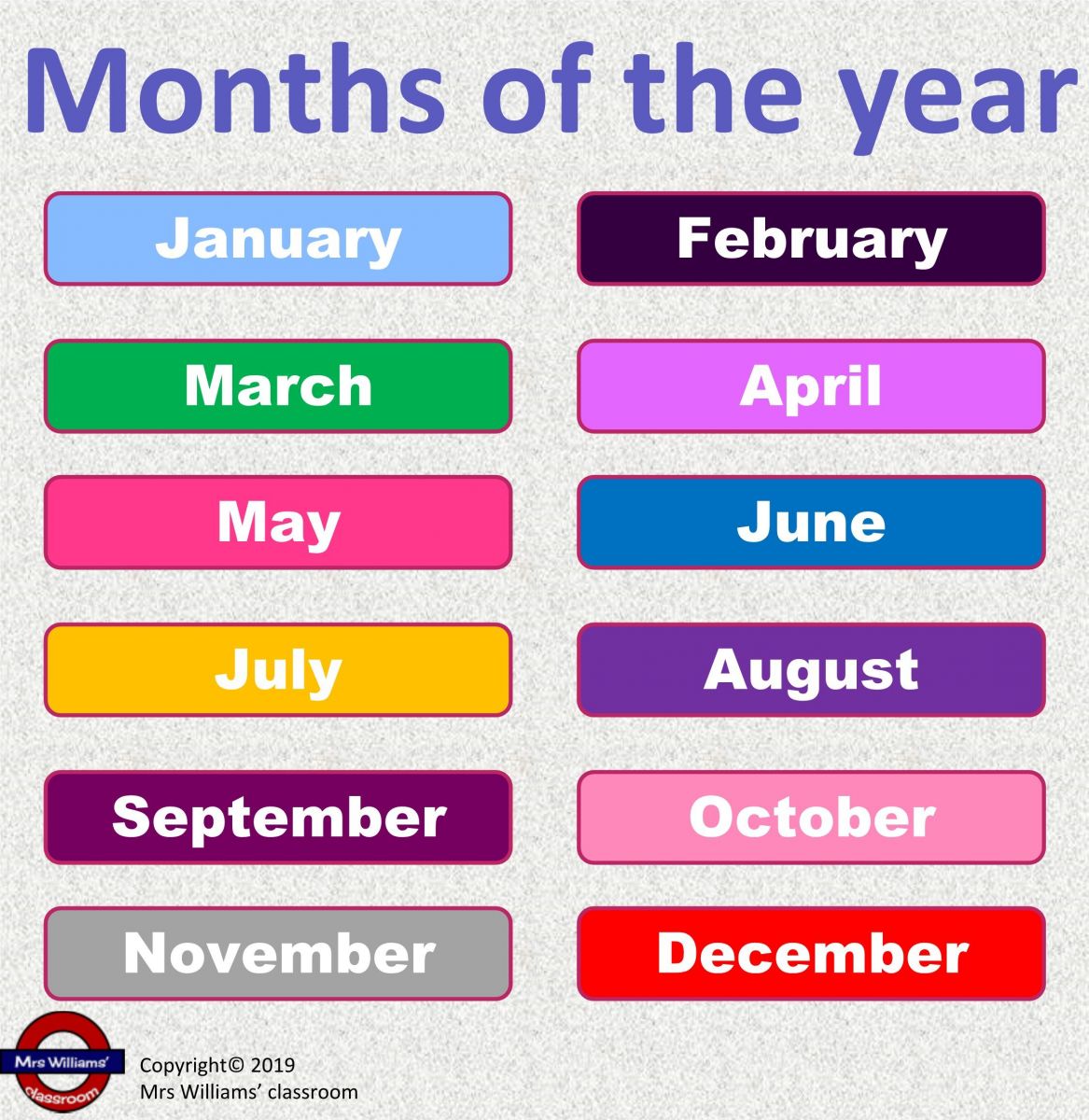
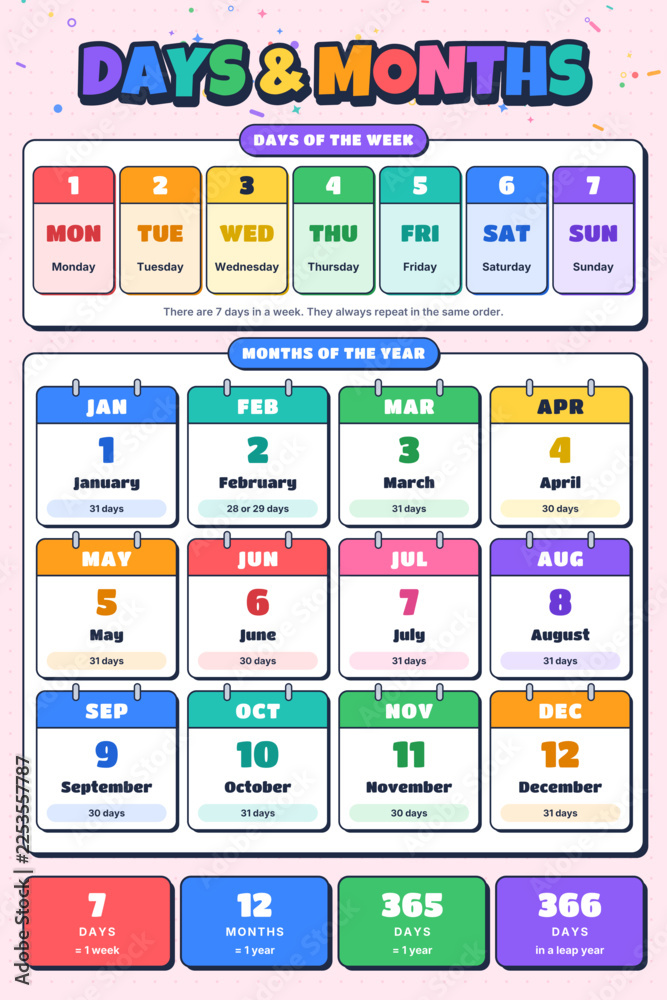
Calculating time in months is inherently more complex than calculating in weeks or days because a "month" is not a fixed unit of measurement in the SI system. Unlike a second or a meter, the length of a month varies based on the Gregorian calendar's structure, which consists of months lasting 28, 29, 30, or 31 days. When we ask how many months are in 209 days, we must decide which mathematical "yardstick" we are using.
The discrepancy arises from the fact that the Earth's orbit around the sun does not align perfectly with the lunar cycle. A solar year is approximately 365.2422 days, while a synodic month (the time between new moons) is approximately 29.53 days. To keep our civil calendars in sync with the seasons, the Gregorian calendar uses months of varying lengths. Therefore, 209 days can represent a slightly different fraction of a year depending on the specific dates involved.
The Average Month Calculation
For most administrative, scientific, and financial purposes, an "average month" is used to provide a consistent conversion factor. There are two primary averages used:
- The Standard 30-Day Month: This is a simplified version often used in manual "quick math" or specific financial interest calculations (the 30/360 rule). Under this rule, 209 days is $209 / 30 = 6.96$ months.
- The Gregorian Average Month: This is the most accurate for long-term planning. It accounts for leap years by dividing 365.2425 days by 12, resulting in approximately 30.4375 days. Using this figure, 209 days is $209 / 30.4375 = 6.866$ months.
In everyday conversation, rounding 6.87 to "almost 7 months" is common, but in technical contexts—such as project management or legal contracts—those missing days can be significant.
Detailed Mathematical Conversions
To see how 209 days behaves across different measurement standards, we can break down the math using various divisors. This is essential for professionals in logistics or human resources who may need to justify a timeline to stakeholders.
- Based on a 28-day month (February): $209 / 28 = 7.46$ months. This is rarely used unless the period spans multiple Februarys in a non-leap year sequence, which is impossible for a 209-day span.
- Based on a 30-day month (April, June, Sept, Nov): $209 / 30 = 6.97$ months.
- Based on a 31-day month (Jan, Mar, May, July, Aug, Oct, Dec): $209 / 31 = 6.74$ months.
- Based on the 2026 Calendar Year: Since 2026 is not a leap year, the year has 365 days. 209 days represents $57.26%$ of the year 2026.
When you are asked for this conversion in a professional setting, it is best to provide the answer as "6 months and X days." For 209 days, if you subtract the average of 6 months ($6 \times 30.44 = 182.64$), you are left with approximately 26.36 days. Thus, 6 months and 26 days is a highly reliable estimate.
209 Days on the 2026 Calendar
As we navigate through 2026, the specific dates you select will change the "feel" of 209 days. Because February 2026 has only 28 days, any period including it will result in a slightly higher "month" count than a period consisting primarily of 31-day months like July and August.
Starting January 1, 2026
If a project or agreement begins on New Year's Day, 2026, 209 days would conclude on July 28, 2026.
- January: 31 days
- February: 28 days
- March: 31 days
- April: 30 days
- May: 31 days
- June: 30 days
- Total for 6 months: 181 days
- Remaining days: $209 - 181 = 28$ days in July.
In this scenario, 209 days feels like almost 7 full months because it encompasses the shortest month of the year (February).
Starting July 1, 2026
If the count begins in the second half of the year, the distribution changes:
- July: 31 days
- August: 31 days
- September: 30 days
- October: 31 days
- November: 30 days
- December: 31 days
- Total for 6 months: 184 days
- Remaining days: $209 - 184 = 25$ days in January 2027.
Here, the 209-day period ends on January 25, 2027. Notice that because this period includes more 31-day months, the "6 months and X days" remainder is smaller (25 days vs. 28 days). This highlights why standardized conversion factors like 30.44 are used in global systems like ISO 8601 for date representations.
Comparison Table: 209 Days Conversion Factors
| Method of Calculation | Average Days per Month | Resulting Months | Fractional Remainder |
|---|---|---|---|
| Gregorian Average | 30.4375 | 6.866 | 6 Months, 26.4 Days |
| Standard 30-Day Rule | 30.00 | 6.966 | 6 Months, 29 Days |
| Strict 31-Day Rule | 31.00 | 6.741 | 6 Months, 23 Days |
| Lunar (Synodic) Cycle | 29.53 | 7.077 | 7 Months, 2.3 Days |
| Quarterly Average | 30.41 | 6.872 | 6 Months, 26.5 Days |
Practical Applications of a 209-Day Period
Why would someone specifically look for 209 days? This timeframe appears in several professional and biological contexts. Understanding the conversion helps in setting expectations for milestones and deadlines.
1. Project Management and Software Sprints
In agile development or construction, 209 days is a common mid-range duration for a "Phase 1" rollout. It represents roughly 30 weeks ($209 / 7 = 29.85$ weeks). Project managers often use 209 days as a hard deadline to ensure a project completes within three calendar quarters while allowing for a buffer of holidays and weekends.
2. Legal and Contractual Notice
Many commercial leases or employment contracts specify notice periods or "probationary terms" in days rather than months to avoid the ambiguity of variable month lengths. A 209-day clause ensures that both parties have exactly 209 rotations of the earth to fulfill an obligation, regardless of whether those days fall over a leap year or a short February.
3. Biological and Medical Milestones
In human pregnancy, the standard term is approximately 280 days. A period of 209 days represents roughly 75% of a full-term pregnancy, marking the transition toward the beginning of the third trimester (around week 30). In veterinary science, 209 days is close to the gestation period of certain large mammals, such as some breeds of deer or specific livestock.
4. Financial Interest and Accrual
In the world of finance, interest is often calculated using a "Day Count Convention." While many consumer loans use a 365-day year, some corporate bonds use the "30/360" convention. If you are calculating interest on a 209-day investment, knowing that it represents 0.57 of a year (or approximately 6.87 "standard" months) is critical for yield projection. You can find more about these standards through resources like NIST regarding time and frequency standards.
Common Mistakes in Time Conversion
When converting 209 days to months, individuals frequently fall into traps that can lead to scheduling errors.
- Assuming all months are 30 days: As shown above, this creates an error of nearly 3 days over a 209-day span. In a shipping or logistics environment, being 3 days late can result in significant contractual penalties.
- Ignoring the "Starting Month": If you are counting 209 days for a visa expiration or a legal stay, never rely on a "month" estimate. Always count the specific days on the calendar. A 209-day stay starting in February lasts until a different calendar date than one starting in August.
- Rounding too early: In mathematical modeling, rounding 6.866 to 7 months early in the calculation can compound errors if that figure is then multiplied by other variables, such as daily burn rates or interest percentages.
Frequently Asked Questions
Is 209 days exactly 7 months?
No, 209 days is not exactly 7 months. Even if we use the longest possible months (31 days), 7 months would equal 217 days. If we use the average month length of 30.44 days, 7 months would be approximately 213 days. Therefore, 209 days is consistently a few days short of the seven-month mark.
How many weeks are in 209 days?
There are exactly 29 weeks and 6 days in 209 days. Since a week is a fixed unit of 7 days, this calculation is much more straightforward than the month conversion: $209 / 7 = 29.857$.
How many business days are in 209 days?
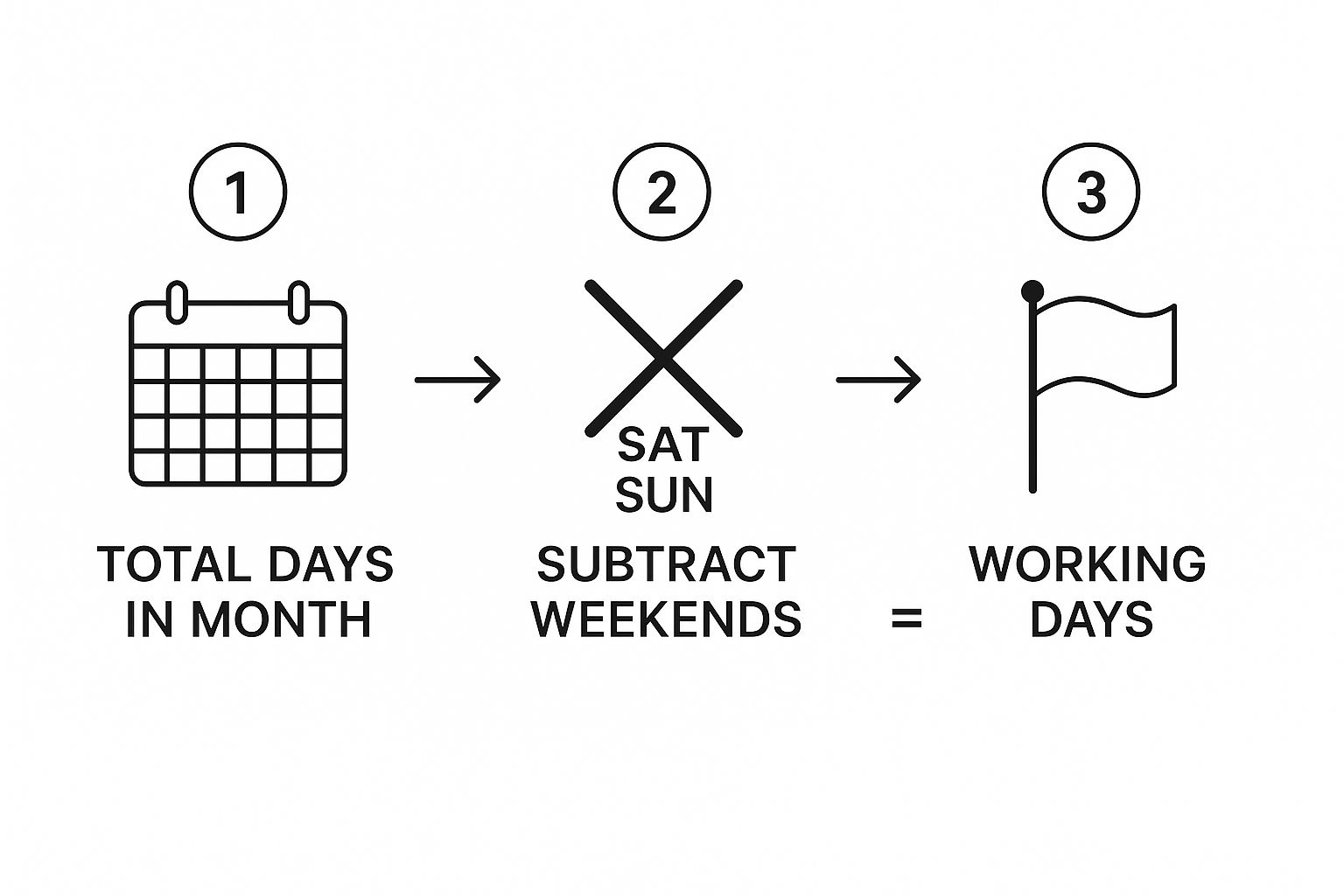
Assuming a standard 5-day work week, you can estimate business days by multiplying 209 by $(5/7)$. This results in approximately 149 business days. However, this does not account for public holidays in 2026, such as New Year's Day, Memorial Day, or Labor Day, which would further reduce the count.
Does a leap year change the 209-day calculation?
The number of days (209) remains the same, but the "month" equivalent can change if the period spans February. In a leap year, February has 29 days. In 2026 (a common year), February has 28 days. Consequently, 209 days in 2026 will cover a slightly larger portion of the calendar year than it would in a leap year like 2028.
What is 209 days in hours and minutes?
For high-precision technical requirements, 209 days is equal to 5,016 hours, 300,960 minutes, or 18,057,600 seconds. These units are often used in server uptime tracking or industrial machinery maintenance schedules.
Strategic Planning for 209-Day Windows
When planning for a period of 209 days in 2026, the best approach is to utilize a dedicated date calculator or a spreadsheet function (like =EDATE or simple subtraction in Excel). Because 209 days sits in the "gray area" between 6 and 7 months, relying on a vague month-based estimate can lead to misalignment between departments.
For personal goals, such as a 209-day fitness challenge or a learning curriculum, think of this timeframe as two-thirds of a year. It is long enough to see significant progress and habit formation but short enough to maintain focus without the burnout often associated with multi-year commitments. To ensure accuracy in your planning, always define your end date by the specific calendar day rather than a rounded month count to avoid the inherent variability of the Gregorian system.