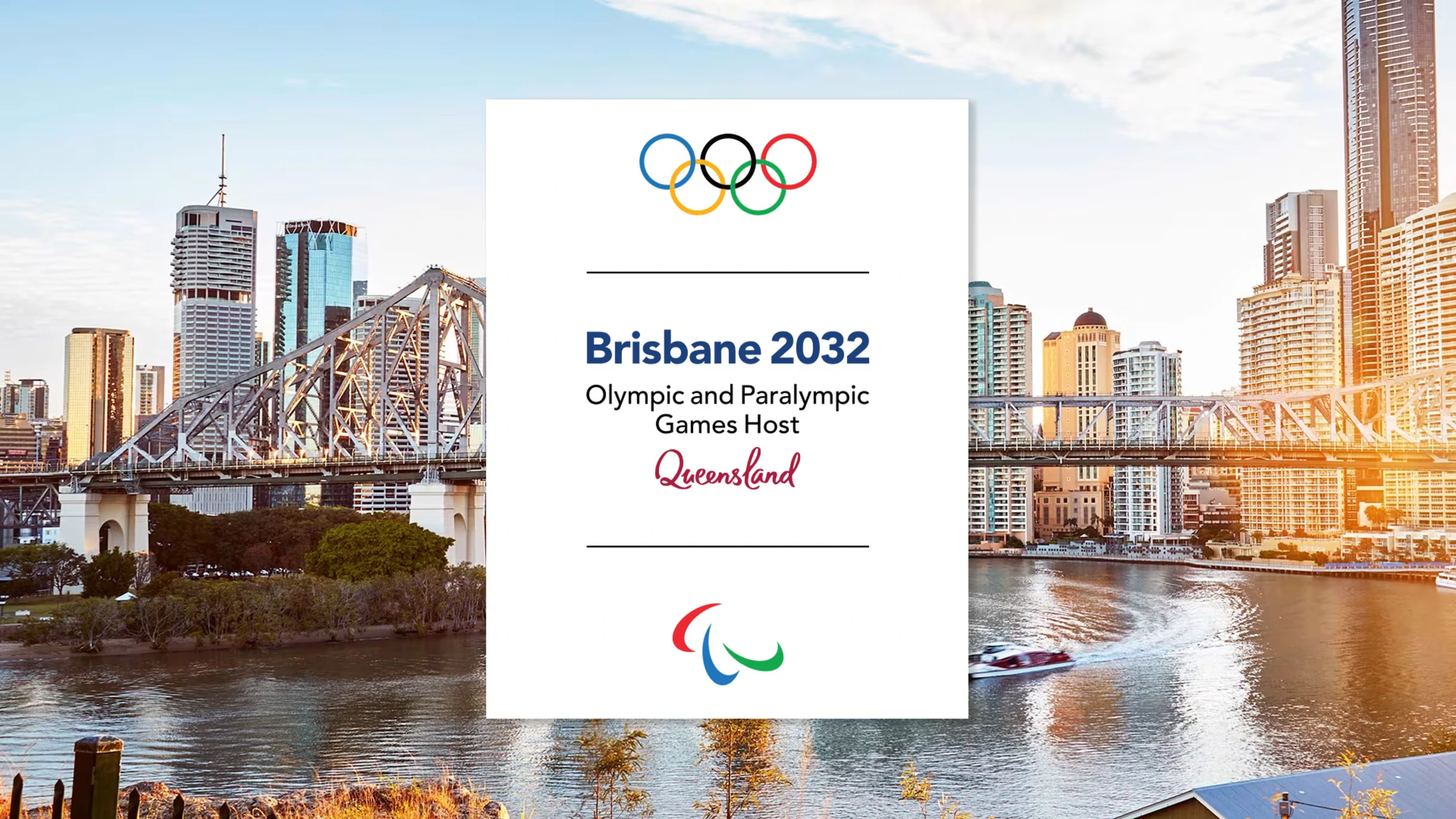
The 2032 Olympic Games, officially known as the Games of the XXXV Olympiad, are scheduled to take place in Brisbane, Australia, from July 23 to August 8, 2032. Following the Olympics, the Paralympic Games will run from August 24 to September 5. This event marks the third time Australia has hosted the Summer Games, following Melbourne 1956 and Sydney 2000, utilizing a regional "New Norm" model across South East Queensland.
A New Era for the Olympic Movement
The selection of Brisbane for the 2032 Olympic Games represents a significant shift in how the International Olympic Committee (IOC) approaches hosting duties. Under the "New Norm" reforms, Brisbane was the first host city to be elected under a new, more flexible bidding process designed to reduce costs and increase sustainability. As we look at the progress in 2026, the focus has shifted from high-concept architectural renderings to the practicalities of regional integration and long-term legacy.
Unlike previous Games that often required the construction of massive, single-use "white elephant" stadiums, Brisbane 2032 is centered on the use of existing and temporary venues. Approximately 84% of the venues are already built or will be temporary structures. This approach is not merely about saving money; it is a response to the global demand for climate-positive sporting events. By 2032, Brisbane aims to deliver a carbon-neutral event, setting a benchmark for future "olimpiadas" (the Spanish term for Olympics often used by the international community) and global sporting festivals.
The governance of the Games is managed by the Brisbane Organizing Committee for the Olympic and Paralympic Games (OCOG), which works alongside the Queensland Government and the Australian Federal Government. In this mid-way point of 2026, the focus is currently on the "Legacy Strategy," ensuring that the billions of dollars in infrastructure investment serve the residents of Queensland for decades after the closing ceremonies.
The Regional Venue Hub Model
The 2032 Games are unique because they are not confined to a single city. Instead, they are distributed across three primary hubs: Brisbane, the Gold Coast, and the Sunshine Coast. This geographical spread allows the Games to showcase the diverse landscapes of South East Queensland while distributing the economic benefits across a wider area.
Brisbane Central Hub
The heart of the Games will be the Brisbane Hub. Historically, the Gabba (Brisbane Cricket Ground) was slated for a massive rebuild; however, following independent reviews in 2024 and 2025, the strategy pivoted toward maximizing existing high-capacity venues like Suncorp Stadium and the Queensland Sport and Athletics Centre (QSAC).
Suncorp Stadium is expected to host the Opening and Closing ceremonies, capitalizing on its world-class atmosphere and central location. Meanwhile, the Brisbane Arena—a planned 17,000-seat multipurpose venue at Roma Street—is set to be the centerpiece for swimming and water polo, utilizing innovative temporary pool technology that can be removed after the event to leave a permanent entertainment precinct.
The Gold Coast and Sunshine Coast Hubs
The Gold Coast, having successfully hosted the 2018 Commonwealth Games, already possesses a wealth of international-standard facilities. Venues such as the Gold Coast Convention and Exhibition Centre and the Broadbeach parklands will host volleyball, wrestling, and judo. The inclusion of the Gold Coast ensures that the 2032 Games tap into an established tourism infrastructure capable of handling millions of visitors.
To the north, the Sunshine Coast will play a vital role in hosting outdoor events. The Sunshine Coast Stadium and the surrounding regional parks are designated for football (soccer) preliminaries, mountain biking, and kiteboarding. The decentralized nature of these venues requires a robust transport strategy, which is currently the primary focus of state infrastructure projects.
Infrastructure and Transport Connectivity
For the 2032 Olympic Games to be successful, the "Golden Corridor" between the Sunshine Coast, Brisbane, and the Gold Coast must be seamlessly connected. In 2026, several critical infrastructure projects are reaching their peak construction phase to ensure the region can handle the surge in population and athlete movement.
The Cross River Rail is the most critical project in this portfolio. This 10.2-kilometer rail line includes 5.9 kilometers of twin tunnels under the Brisbane River and CBD. It is designed to unblock a major bottleneck in the rail network, allowing more trains to run more frequently across the entire South East Queensland region. For Olympic spectators, this means high-frequency travel between the Brisbane CBD and major venue clusters.
In addition to rail, significant upgrades to the Bruce Highway (connecting Brisbane to the Sunshine Coast) and the Pacific Motorway (connecting Brisbane to the Gold Coast) are underway. These "Olimpiadas 2032" logistics plans also include a "Digital Twin" of the city—a sophisticated software model used to simulate crowd movements and traffic patterns to prevent the gridlock often associated with mega-events.
| Venue Hub | Key Sports | Status (as of 2026) | Capacity (Estimated) |
|---|---|---|---|
| Suncorp Stadium | Ceremonies, Football | Existing / Upgrade | 52,000+ |
| Brisbane Arena | Swimming, Water Polo | Under Construction | 17,000 |
| The Gabba | Cricket (if included), Football | Refurbishment | 40,000 |
| QSAC (Nathan) | Athletics | Major Upgrade | 40,000+ |
| Gold Coast Hub | Beach Volleyball, Judo | Existing | Various |
| Sunshine Coast Hub | Kiteboarding, Cycling | Existing / Temporary | Various |
Economic Impact and Social Legacy
The Australian government estimates that the 2032 Games will deliver approximately $8.1 billion in total economic benefits for Queensland and $17.6 billion for Australia. However, the true value of the Brisbane 2032 Games is being measured through its "Social Legacy" program.
One of the primary goals is to improve accessibility. The Paralympics are being treated with equal importance to the Olympics, with a focus on making Brisbane a truly "all-abilities" city. This involves upgrading every train station in the SEQ network to be fully accessible and ensuring that all new public spaces adhere to universal design principles.
Furthermore, the Games serve as a catalyst for housing development. The Olympic Village in Northshore Hamilton is being designed as a sustainable residential precinct. After the athletes depart in 2032, this village will be converted into a mix of social, affordable, and market-rate housing, helping to address the long-term residential needs of Brisbane’s growing population.
Planning for the "Olimpiadas": Tips for International Visitors
While the Games are still several years away, the global interest—particularly from the Spanish-speaking world where the "Olimpiadas 2032" search term is prevalent—is already driving early travel interest. International visitors need to be aware of a few unique factors regarding the Australian climate and geography.
- The "Winter" Games: Unlike the Northern Hemisphere Summer Games, Brisbane 2032 will take place during the Australian winter. However, "winter" in Queensland is mild and dry, with daytime temperatures typically ranging from 20°C to 25°C (68°F to 77°F). It is arguably the best time of year to visit the region.
- Accommodation Clusters: Visitors are encouraged to look for accommodation outside the immediate Brisbane CBD. Given the hub model, staying on the Gold Coast or Sunshine Coast will provide easy access to specific sports while offering a more traditional Australian coastal experience.
- Ticketing Phases: Based on IOC standards, ticket sales are expected to commence approximately 18 to 24 months before the Opening Ceremony. Prospective attendees should register on the official Brisbane 2032 website to receive updates on ballot entries.
- Travel Logistics: Brisbane International Airport (BNE) is undergoing significant expansions to increase its capacity. Visitors from the Americas and Europe will likely see an increase in direct flight options as 2032 approaches.
Sustainability and Environmental Goals
Brisbane 2032 has committed to being the first "climate-positive" Olympic Games. This goes beyond carbon neutrality. The goal is to actually remove more carbon from the atmosphere than the event emits. This is being achieved through a combination of:
- Renewable Energy: All venues are pledged to be powered by 100% renewable energy by the time the Games begin.
- Waste Reduction: A circular economy approach to construction and catering, aiming for zero waste to landfill.
- Biodiversity Offsets: Investing in local reforestation and seagrass restoration projects along the Queensland coast.
The 2032 Games are not just a sporting event; they are a 10-year regional development project. As we stand in 2026, the foundation has been laid, and the transition from planning to execution is well underway, promising a Games that is uniquely Australian and globally significant.
FAQ
When do the Brisbane 2032 Olympics start?
The Olympic Games begin on July 23, 2032, and conclude on August 8, 2032. The Paralympic Games will follow shortly after, starting on August 24 and ending on September 5, 2032. These dates were chosen to align with the best weather conditions in South East Queensland, offering mild temperatures and low rainfall.
Where will the main stadium be for the 2032 Olympics?
The strategy for the main stadium has evolved to focus on a multi-venue approach. Suncorp Stadium (Brisbane Stadium) is designated for the Opening and Closing Ceremonies. For athletics, the Queensland Sport and Athletics Centre (QSAC) is planned to undergo significant upgrades to serve as the primary track and field venue, following a decision to prioritize sustainable existing infrastructure over a full Gabba rebuild.
How can I buy tickets for Brisbane 2032?
Official tickets are not yet on sale as of 2026. Typically, the IOC and the local organizing committee launch the official ticketing platform approximately two years before the event (around 2030). To ensure you receive legitimate information and avoid scams, you should register for interest only through the official Olympic website.
What sports will be new at the 2032 Olympics?
The final sports program for Brisbane 2032 will be confirmed by the IOC closer to the event. However, under the current rules, host cities can propose additional sports that are popular in their region. There is significant speculation and local support for the inclusion of Cricket (in the T20 format), which has a massive following in Australia and would fit well within the existing stadium infrastructure.
Is Brisbane 2032 going to be expensive for the city?
The 2032 Games are operating under the "New Norm" model, which emphasizes financial responsibility. The budget is designed to be "revenue neutral," meaning the costs of running the Games are intended to be offset by IOC contributions, domestic sponsorship, ticketing, and licensing. The large-scale infrastructure spending (like the Cross River Rail) is funded by the government as part of long-term regional development, rather than being solely for the Olympics.
Stay Updated Through Official Channels
To stay informed about the latest developments regarding venues, volunteer opportunities, and ticketing, it is essential to follow official sources. The planning for a mega-event like the 2032 Olympic Games is fluid, and updates regarding venue locations or event schedules can occur as construction milestones are met. Residents and international fans should regularly consult the Queensland Government’s Q2032 portal for the most accurate and up-to-date information on the Games' progress and legacy projects.