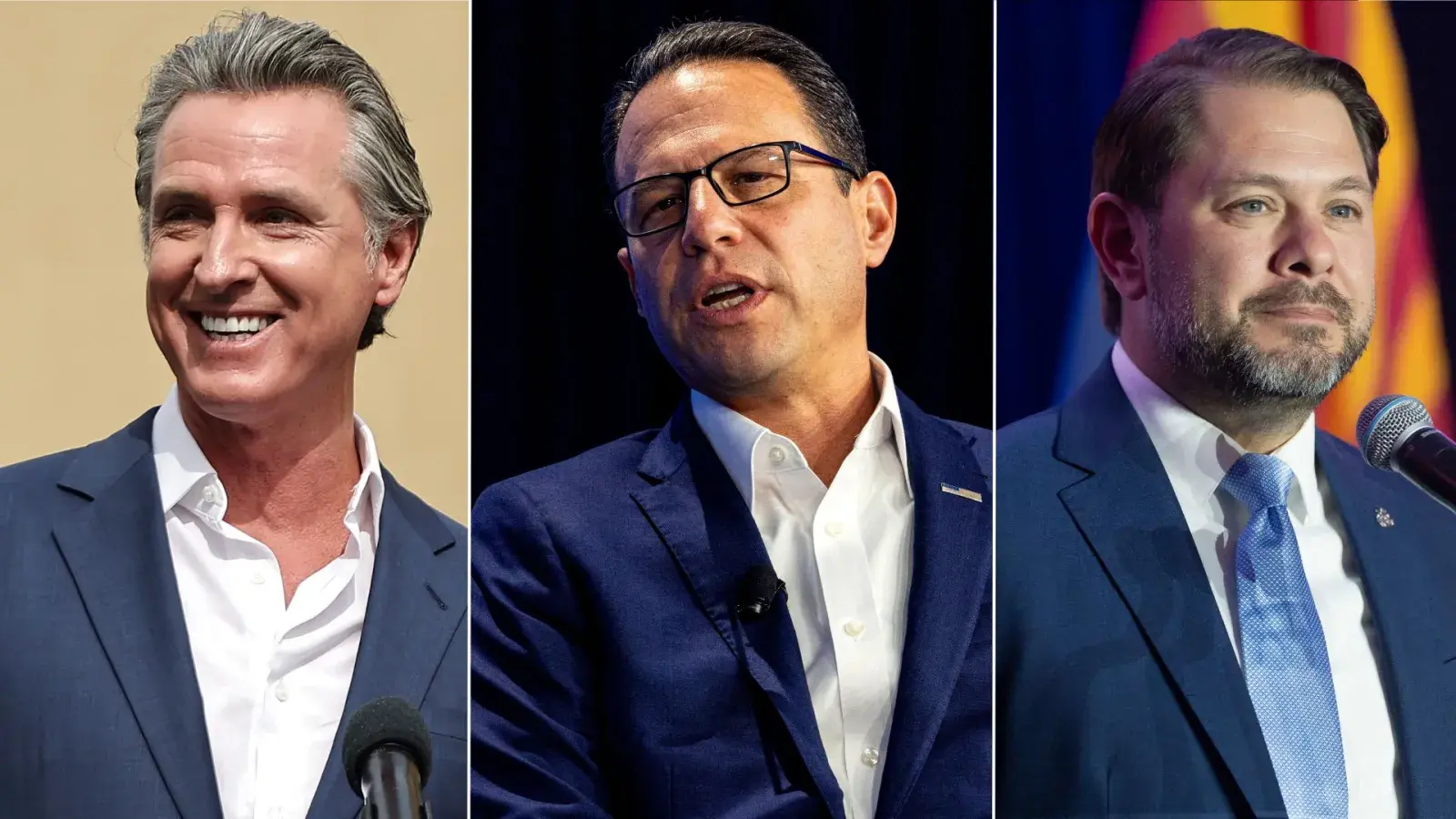
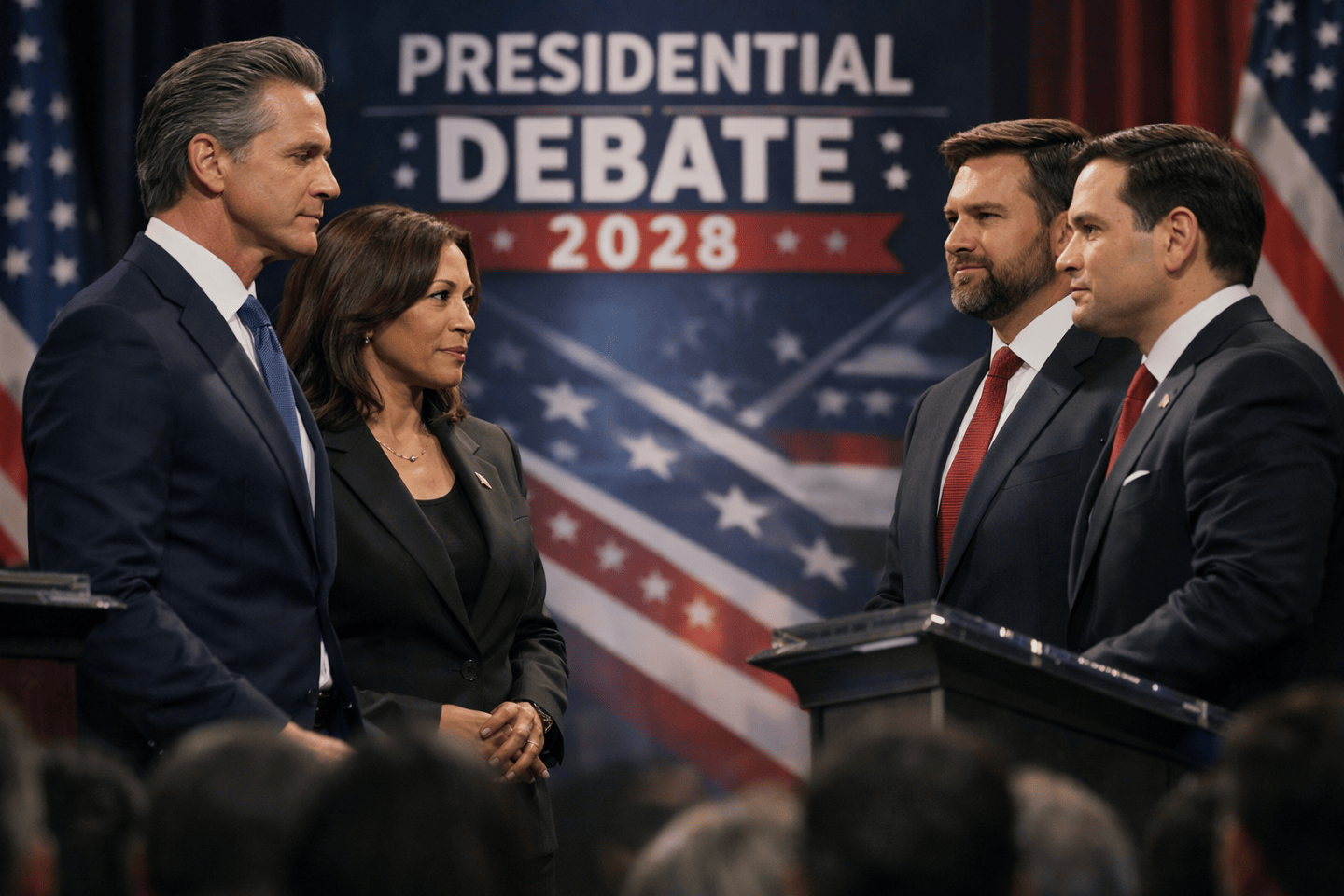
As of mid-2026, the field for the 2028 United States presidential election is in its "invisible primary" stage. While several outsider candidates and third-party challengers have filed formal paperwork with the Federal Election Commission (FEC), most major-party frontrunners are currently focused on the 2026 midterm elections before making official declarations.
The 2028 presidential race promises to be one of the most consequential in modern American history. Coming off the heels of the 2024 cycle, the political landscape in 2026 is defined by a shift toward younger leadership and a debate over the future direction of both the Democratic and Republican parties. For voters and political analysts, the current year serves as the critical scouting period where potential commanders-in-chief test their messaging, build their national donor bases, and gauge their influence during the midterm campaigns.
Understanding who has announced, who is likely to run, and the regulatory hurdles they face is essential for staying informed as the 2028 cycle begins to accelerate. This guide provides a comprehensive breakdown of the current candidate landscape and what to expect as we move toward the primary season.
The Announcement Timeline and FEC Regulations
In the United States, the process of "announcing" a run for the presidency is both a media event and a legal requirement. According to the Federal Election Commission (FEC), an individual becomes a candidate once they have raised or spent more than $5,000 in support of their campaign. At that point, they must file a Statement of Candidacy (FEC Form 2) and designate a principal campaign committee.
Historically, major candidates wait until the year preceding the election (in this case, early 2027) to make their formal announcements. However, 2026 is the year of the "exploratory committee." These committees allow potential candidates to travel to early primary states like Iowa, New Hampshire, and South Carolina to "test the waters" without triggering the full legal obligations of a candidate immediately. In 2026, we are seeing a record number of these committees as high-profile governors and senators seek to outmaneuver one another for early media attention.
The timing of these announcements is strategic. Candidates who announce too early risk "burnout" and early scrutiny, while those who wait too long may find the donor pool already drained by early-moving rivals. By the end of 2026, we expect the majority of the "serious" field to have at least signaled their intent through the formation of leadership PACs (Political Action Committees).
Likely Republican Contenders and Their Current Standing
As we move through 2026, the Republican Party is undergoing a period of internal realignment. The GOP field is largely divided between "legacy" candidates who align with the MAGA movement and "traditionalist" or "new-guard" conservatives looking to pivot the party toward a focus on fiscal responsibility and a more interventionist foreign policy.
The MAGA Successors
Several figures have already positioned themselves as the natural heirs to the populist movement. As of 2026, these individuals are frequently headlining rallies and appearing on national media to solidify their base.
- JD Vance: As a prominent voice in the Senate and a key figure in the 2024 cycle, Vance remains a top-tier speculative candidate. His focus on industrial policy and economic populism resonates with the Rust Belt voters who have become the GOP's new core.
- Vivek Ramaswamy: Having maintained a high public profile since the 2024 primaries, Ramaswamy continues to push a "national identity" platform. While he has not officially filed for 2028 as of early 2026, his frequent trips to New Hampshire suggest an announcement is imminent.
The "Governing" Conservatives
A group of Republican governors is also making waves, emphasizing their executive experience and "results-oriented" conservatism.
- Ron DeSantis: After his 2024 run, DeSantis has focused on his final years as Governor of Florida, maintaining a robust national fundraising network. His "Florida Blueprint" remains a major selling point for Republicans looking for a candidate with a proven legislative track record.
- Glenn Youngkin: The Virginia Governor has been active in 2026, supporting down-ballot candidates across the country. His brand of "suburban-friendly" conservatism is seen by many party elites as the key to winning back the swing states lost in previous cycles.
Potential Democratic Candidates and Party Dynamics
The Democratic field in 2026 is characterized by a "deep bench" of younger governors and cabinet members. The party's primary debate revolves around whether to continue the centrist, coalition-building approach of the early 2020s or to embrace a more progressive, labor-centric platform.
The Frontrunners from the Executive Branch
Current and former members of the administration naturally command the most attention in 2026.
- Kamala Harris: As a central figure in the party, Harris maintains the most significant national infrastructure. Her 2026 activities have focused on voting rights and reproductive healthcare, issues that are expected to be the pillars of her potential 2028 platform.
- Pete Buttigieg: The Secretary of Transportation remains a favorite among the donor class and young professionals. His ability to communicate complex policy in a digestible way has kept him at the forefront of the speculative 2028 field.
The "Powerhouse" Governors
Democratic governors from key swing states or large blue states are currently utilizing 2026 to build their national profiles.
- Gavin Newsom: The California Governor has been perhaps the most aggressive in his "not-yet-announced" campaigning. Through his "Campaign for Democracy" PAC, Newsom has spent 2026 touring red states, positioning himself as the chief combatant against the Republican agenda.
- Josh Shapiro: The Governor of Pennsylvania is widely viewed as a rising star. His high approval ratings in a critical swing state make him a formidable potential candidate, though he has remained tight-lipped about 2028 while focusing on Pennsylvania's 2026 state legislative races.
- Gretchen Whitmer: Known for her "Fix the Damn Roads" pragmatic style, the Michigan Governor is a favorite for those wanting a candidate who can win back the "Blue Wall" states consistently.
Third-Party Movements and Independent Bids
One of the most notable trends in 2026 is the sustained interest in third-party and independent candidacies. Frustration with the two-party system has reached a peak, leading to more organized efforts by groups such as the Libertarian Party, the Green Party, and centrist organizations like No Labels.
Independent candidates often use 2026 to navigate the complex web of state ballot access laws. Unlike major party candidates, independents must often collect hundreds of thousands of signatures across all 50 states—a process that is both expensive and time-consuming. We are already seeing "outsider" business leaders and activists exploring these paths, citing a desire to break the "duopoly" of American politics.
| Candidate Group | Key Figures (Speculative/Announced) | Primary Focus in 2026 | National Standing |
|---|---|---|---|
| GOP Populists | JD Vance, Vivek Ramaswamy | Base consolidation, Rallies | High among grassroots |
| GOP Governors | Ron DeSantis, Glenn Youngkin | Executive record, Fundraising | High among party donors |
| Democratic Insiders | Kamala Harris, Pete Buttigieg | Policy implementation, Continuity | Strong institutional support |
| Democratic Governors | Gavin Newsom, Josh Shapiro | State-level success, Red-state outreach | Rapidly growing profile |
| Independents | Various activists/business leaders | Ballot access, Signature drives | Significant "protest" interest |
Key Issues Dominating the 2028 Cycle
As candidates begin to announce their intentions in late 2026, their platforms are being shaped by several critical national and international issues.
Economic Policy and the "Cost of Living"
Despite various economic indicators, the "kitchen table" issues of housing affordability, energy costs, and inflation remain the top priority for voters. Republican candidates in 2026 are focusing on deregulation and tax cuts as the solution, while Democrats are emphasizing the "care economy," including childcare subsidies and expanded healthcare access.
Artificial Intelligence and the Future of Work
2028 will be the first "AI Election." Candidates are currently being forced to develop positions on the regulation of generative AI, its impact on the labor market, and the ethical implications of automated decision-making. We expect this to be a major "wedge issue" within both parties as tech-aligned candidates clash with labor-aligned ones.
International Relations and Global Stability
The geopolitical landscape in 2026—specifically relations with China and the ongoing shifts in European security—is a major focus for those seeking the presidency. Expect 2028 candidates to debate the merits of "America First" isolationism versus a revitalized "Global Leadership" model.
What to Expect in the Coming Months
As we move toward the end of 2026 and into 2027, the "shadow boxing" of the 2028 race will transition into a formal contest. Here is what voters should watch for:
- The Post-Midterm Surge: Historically, the week after the midterm elections (November 2026) sees a flurry of filings as politicians who were previously "focusing on their current jobs" finally step into the ring.
- Debate Over Rules: Both the Democratic National Committee (DNC) and the Republican National Committee (RNC) will begin finalizing their primary calendars. Watch for debates over which state goes first—South Carolina, New Hampshire, or Iowa—as this significantly impacts which candidates have an early advantage.
- Fundraising Deadlines: The year-end FEC reports for 2026 will be the first major indicator of who has the "staying power" to survive a long primary season. A candidate with a large war chest in January 2027 is far more likely to sustain a national campaign.
FAQ: Common Questions About the 2028 Presidential Race
When is the first 2028 presidential primary?
While dates are not finalized until closer to the election year, the first primaries and caucuses are expected to take place in late January or early February of 2028. State parties and the national committees often negotiate these dates throughout 2026 and 2027, with "Super Tuesday" likely falling in early March 2028.
How many candidates have officially filed with the FEC?
As of mid-2026, dozens of individuals have filed "Statement of Candidacy" forms. However, the majority of these are "perennial candidates" or individuals with little to no national name recognition. Major-party frontrunners typically wait until late 2026 or early 2027 to file formally, though their leadership PACs are already active.
Can a candidate run for president if they are currently a Governor or Senator?
Yes. There is no legal requirement to resign from a current office to run for president. In fact, most candidates use their current positions as a platform to demonstrate leadership. However, some states have "resign-to-run" laws for certain local offices, but these rarely apply to federal presidential bids.
What is the age requirement for a 2028 candidate?
Under the U.S. Constitution, a candidate must be at least 35 years old by the time of inauguration (January 20, 2029). They must also be a "natural-born citizen" and have been a resident of the United States for at least 14 years.
How does a candidate get on the debate stage?
Debate requirements are set by the sponsoring organizations (like the RNC, DNC, or independent media networks). Criteria usually include reaching a specific polling threshold (e.g., 1% or 5% in national polls) and meeting a minimum number of individual donors (e.g., 40,000 to 50,000 unique contributors).
Staying Informed and Taking Action
For those looking to follow the 2028 race closely, the best next step is to monitor the FEC's Candidate Search database for official filings. Additionally, following the 2026 midterm results will provide the clearest picture of which "likely" candidates have the most momentum heading into the next year.
Engagement at the local level during the 2026 cycle is also critical. Many of the individuals who will eventually run for president are currently stump-speeched for local candidates; attending these events is a prime opportunity to see potential 2028 contenders in person before the national media circus fully takes over.