The 2028 Summer Olympics, officially known as the Games of the XXXIV Olympiad and branded as LA28, are scheduled to take place from July 14 to July 30, 2028, in Los Angeles, California. This historic event marks the third time Los Angeles has hosted the Games, following successful editions in 1932 and 1984.
The Multi-Year Countdown: Milestones on the Road to 2028
As of 2026, the countdown to the LA28 Games has entered its most critical phase. The transition from the Paris 2024 Games is complete, and the focus of the international sporting community has shifted entirely to Southern California. For residents, athletes, and global fans, the next two years represent a period of intensive preparation, venue testing, and logistical fine-tuning.
The organizing committee has established a rigorous timeline to ensure the "no-build" promise remains on track. Unlike previous host cities that faced massive construction hurdles, Los Angeles is focusing on the "overlay" process—adapting world-class existing stadiums to meet specific Olympic requirements. In 2026, we are seeing the commencement of major sponsorship activations and the first wave of volunteer registration inquiries. By early 2027, the first official test events are expected to take place, allowing organizers to simulate crowd flows and security protocols in real-time.
For fans planning to attend, 2026 is the year to begin monitoring travel logistics. With the "Twenty-eight by '28" transportation initiative in full swing, the city is racing to complete key transit projects that will link the various venue clusters. The countdown is not merely a ticking clock but a series of logistical achievements that will define the success of the Games.
A Revolutionary Venue Strategy: The "No New Venues" Model
One of the most defining characteristics of the 2028 LA Olympics is the commitment to sustainability through the use of existing infrastructure. Los Angeles is the first host city in modern history to require zero new permanent venue construction. This approach addresses the long-standing criticism of "white elephant" stadiums that often fall into disuse after the Games conclude.
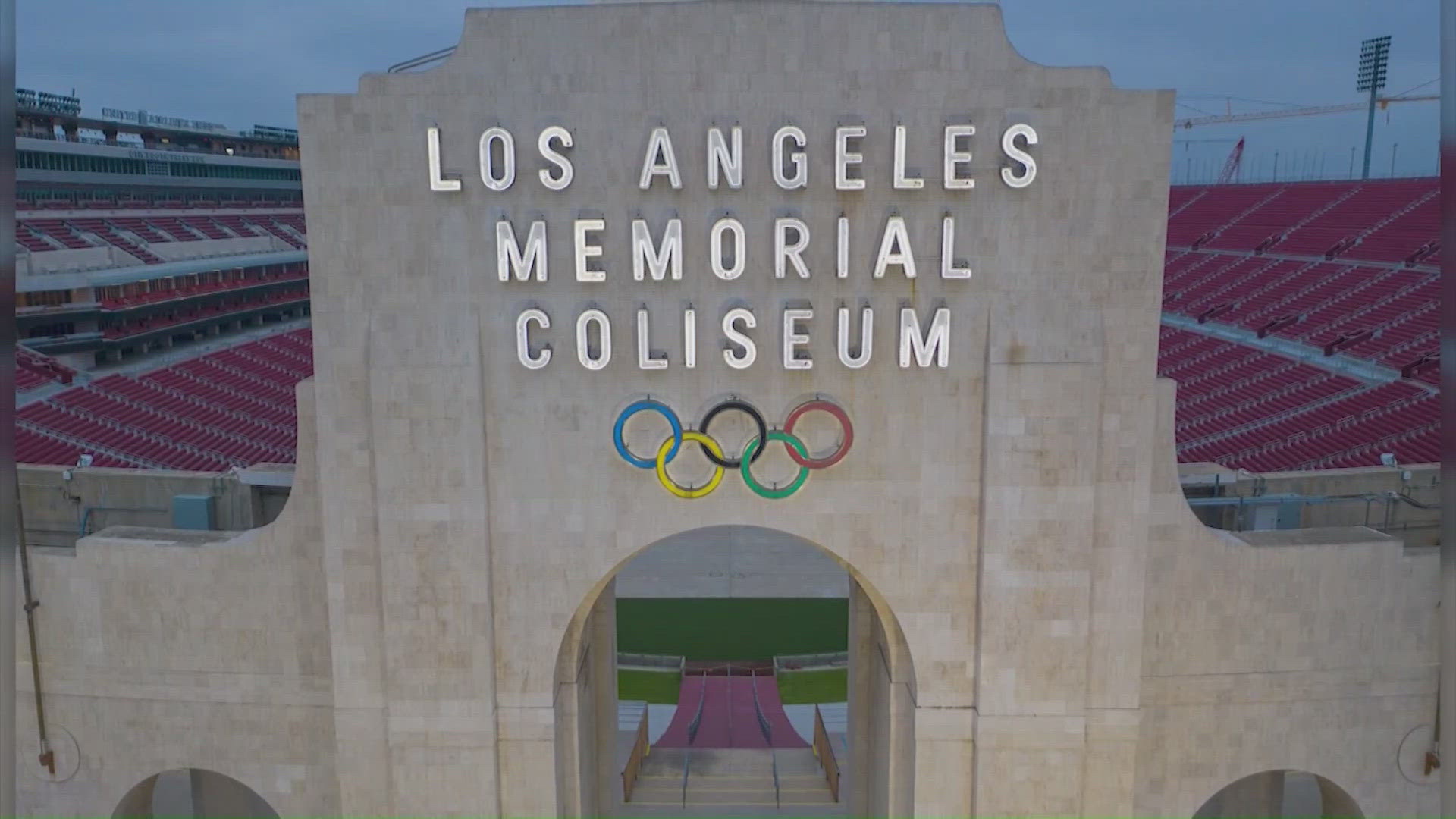
The venue plan is organized into several high-density clusters, which helps minimize travel time for athletes and maximizes the fan experience. The Downtown Cluster remains the heart of the Games, utilizing the Crypto.com Arena (formerly Staples Center) for gymnastics and the iconic Los Angeles Memorial Coliseum for track and field. The Coliseum will make history as the first stadium to host athletics for three different Olympic Games.
In a bold move, the swimming events have been relocated to SoFi Stadium in Inglewood. By transforming a state-of-the-art NFL stadium into a massive aquatic center, organizers can accommodate up to 38,000 spectators, potentially setting world attendance records for swimming. Meanwhile, the newly opened Intuit Dome will serve as the primary site for basketball, providing some of the most technologically advanced viewing experiences in the world. This strategy of "radical reuse" ensures that the 2028 Games are economically viable and environmentally responsible.
Key Sport Clusters and Venue Assignments
To manage the massive influx of visitors, the LA28 organizers have divided the events into geographic zones. Each zone acts as a self-contained hub of athletic activity.
| Sport | Venue | Cluster/Location |
|---|---|---|
| Athletics (Track & Field) | LA Memorial Coliseum | Downtown Cluster |
| Swimming & Diving | SoFi Stadium | South Bay (Inglewood) |
| Gymnastics | Crypto.com Arena | Downtown Cluster |
| Basketball | Intuit Dome | South Bay (Inglewood) |
| Soccer (Finals) | Rose Bowl Stadium | Pasadena |
| Beach Volleyball | Santa Monica Beach | Coastal Zone |
| Equestrian | Galway Downs | Temecula |
| Cricket & Lacrosse | Sepulveda Basin | San Fernando Valley |
This distribution allows the Games to touch nearly every corner of the Los Angeles metropolitan area. The Long Beach Cluster will be particularly active, hosting water sports like rowing and sailing, while the Sepulveda Basin in the San Fernando Valley will become a secondary hub for the newly added "youth-focused" sports.
New Sports and Disciplines for LA28
The International Olympic Committee (IOC) has approved several exciting additions to the 2028 program, reflecting both the cultural heritage of the United States and the evolution of global sports. These additions are designed to attract a younger audience and increase the commercial viability of the Games.
Flag Football will make its Olympic debut in 2028. This non-contact version of American football is expected to be a major draw, leveraging the massive popularity of the NFL and showcasing a sport that is uniquely American yet growing rapidly overseas. Squash also finally joins the Olympic roster after decades of campaigning by its international federation, providing a high-intensity racket sport that fits well within existing indoor arena structures.
Perhaps most significant is the return of Cricket. While cricket was played in the 1900 Games, its inclusion in 2028 (in the T20 format) opens the Olympics to a massive audience in South Asia and among the global diaspora. Additionally, Baseball and Softball return to the program, which is particularly fitting given the deep-rooted baseball culture in Southern California. Lacrosse (specifically the "Sixes" format) will also be featured, honoring a sport with deep Indigenous roots in North America.
Logistics: Transportation and the "Twenty-eight by '28" Initiative
Los Angeles is notoriously famous for its traffic, a challenge the LA28 committee is addressing through the "Twenty-eight by '28" plan. This initiative aims to complete 28 critical transit and infrastructure projects before the Opening Ceremony. As of 2026, many of these projects, including the extension of the Metro D Line (Purple Line) and the automated people mover at LAX, are nearing completion.
The Games will utilize a "Public Transit First" policy. Spectators will be encouraged—and in some cases, required—to use shuttle buses and light rail to access venues. There will be no public parking at most Olympic sites, a move intended to prevent total gridlock in neighborhoods like Inglewood and Exposition Park. For international visitors, the modernization of LAX remains the most critical component, ensuring that the first point of contact with the city is efficient and technologically advanced.
Furthermore, the Olympic Village will be located on the campus of UCLA. This decision provides world-class housing and training facilities for athletes without the need to build a dedicated residential complex. By utilizing existing dormitories and dining halls, the committee saves billions of dollars while offering athletes a secure, collegiate environment close to many of the primary venues.
Ticketing and Attendance: What to Expect
While the official ticket portal is not yet fully operational in 2026, the framework for sales has been established. Based on previous Games, ticketing is expected to happen in phases, starting with a registration of interest and a lottery system for high-demand events like the Opening Ceremony and the 100m sprint finals.
Organizers have emphasized a commitment to "accessible pricing" for a portion of the tickets to ensure local Angelenos can participate in the Games. However, premium hospitality packages—coordinated by official partners like On Location—will also be available for those seeking luxury experiences. Fans are advised to only purchase through the official LA28 website to avoid the inevitable rise of fraudulent secondary markets.
The total number of tickets available is expected to exceed 8 million, given the large capacities of venues like the Rose Bowl and SoFi Stadium. This high volume of tickets may make the 2028 Games one of the most attended in history, surpassing the records set during the 1996 Atlanta Games.
FAQ: Common Questions About the 2028 LA Olympics
When do the 2028 Olympics officially start?
The Opening Ceremony is scheduled for July 14, 2028. However, some preliminary matches in sports like soccer and archery traditionally begin a few days prior to the official start to accommodate the length of the tournament. The Games will conclude with the Closing Ceremony on July 30, 2028.
Which new sports are being added to the 2028 Games?
The IOC has confirmed the addition of flag football, squash, and lacrosse (Sixes). Furthermore, baseball/softball and cricket (T20) will return to the Olympic program. These sports were chosen to enhance the local appeal in the United States and tap into massive international markets.
Where will the athletes stay during the LA28 Games?
The Olympic Village will be hosted at the University of California, Los Angeles (UCLA). The university's existing housing, dining, and medical facilities will be converted to accommodate over 15,000 athletes and team officials, providing a centralized and high-quality living environment.
How can I volunteer for the 2028 Olympics?
Volunteer applications generally open approximately 18 to 24 months before the start of the Games. For LA28, this means the official recruitment drive is expected to begin in late 2026 or early 2027. Interested individuals should register for updates on the official LA28 website to receive notifications about the application process.
Is Los Angeles building any new stadiums for the Olympics?
No, Los Angeles is following a "no new permanent venues" policy. All sporting events will take place in existing world-class facilities or temporary structures. This approach is a core part of the city's sustainability and fiscal responsibility plan for the 2028 Games.
Will the Paralympics also be held in Los Angeles?
Yes, the 2028 Paralympic Games will follow the Olympics, taking place from August 15 to August 27, 2028. They will utilize many of the same venues and infrastructure, ensuring an inclusive and accessible experience for all athletes.
Preparing for the Next Two Years
For those looking to be part of the 2028 LA Olympics, the time to act is now. Between now and 2028, the city will undergo significant transformations. Prospective visitors should ensure their travel documents are in order and stay informed about the specific ticket release dates.
The best next action for fans is to sign up for the official LA28 newsletter and create an account on the International Olympic Committee website. This ensures you are among the first to know about ticket lotteries, volunteer opportunities, and official merchandise drops. As the countdown continues, staying connected to official sources is the only way to navigate the complexities of what promises to be a landmark event in sporting history.