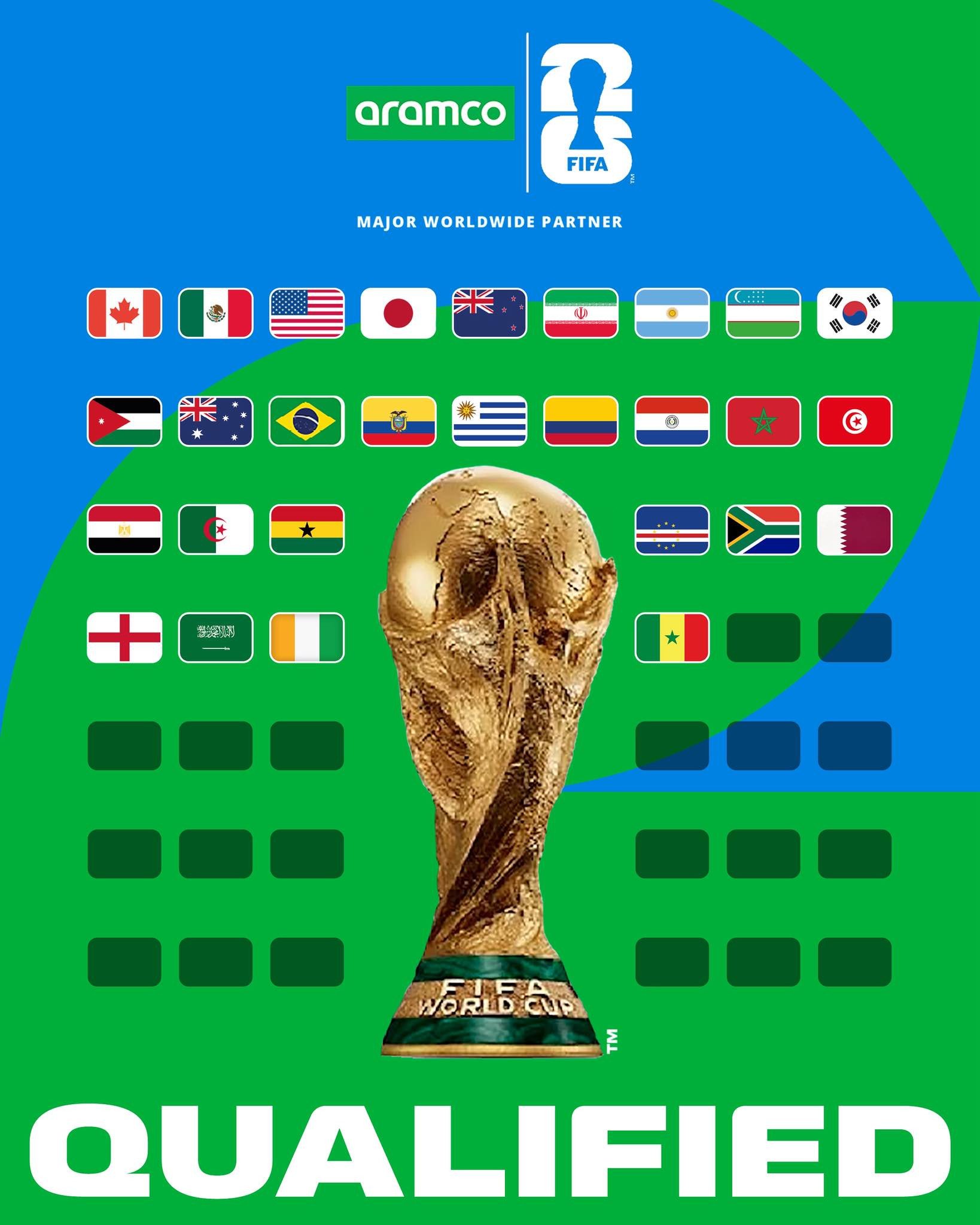
The FIFA World Cup 26™ is the largest and most inclusive edition of the tournament to date, featuring 48 national teams and 104 matches hosted across 16 cities in Canada, Mexico, and the United States. Running from June 11 to July 19, 2026, the tournament utilizes a revised format of 12 groups of four, culminating in a historic final at MetLife Stadium in East Rutherford, New Jersey.
Tournament Structure and the Expanded 48-Team Format
The 2026 edition marks a significant departure from the 32-team format that had been the standard since 1998. By expanding the field to 48 nations, FIFA has increased the total number of matches from 64 to 104. This expansion was designed to provide more opportunities for nations across all six confederations to participate on the world stage, particularly benefiting teams from Africa, Asia, and North America.
The tournament begins with a group stage consisting of 12 groups of four teams each. This structure preserves the competitive integrity of the four-team group while ensuring that every team plays at least three matches. The top two teams from each group, along with the eight best third-placed teams, advance to a newly introduced Round of 32. This extra knockout round adds a layer of intensity and extends the tournament duration to 39 days, making it the longest World Cup in history.
From a technical standpoint, the expansion required a complete overhaul of the scheduling logic. To minimize travel for teams and fans, FIFA categorized the 16 host cities into three geographic regions: East, Central, and West. During the group stage, teams are assigned to a specific region to reduce the carbon footprint and physical toll of cross-continental flights. This regionalization is a critical component of the 2026 logistics strategy, given that the distance between the westernmost host (Vancouver) and the easternmost host (Boston) is approximately 3,000 miles.
Host Cities and Stadiums Across North America
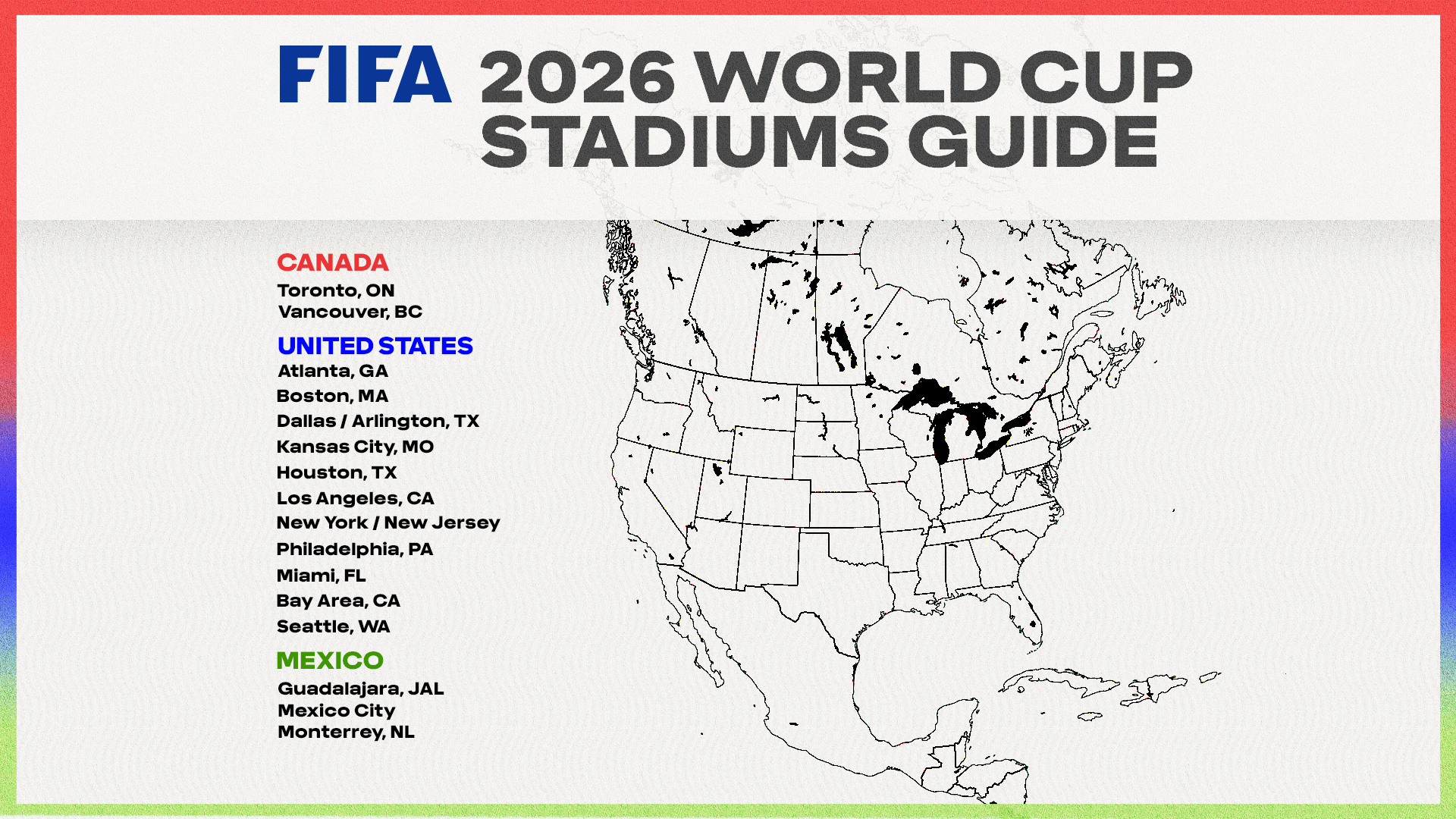
The selection of 16 host cities reflects a diverse range of infrastructure and footballing heritage. The United States hosts the majority of matches in 11 cities, while Mexico provides three legendary venues and Canada hosts matches in two of its most prominent metropolitan areas. Each venue was required to meet strict FIFA standards for capacity, pitch quality, and media facilities.
In Mexico, the Estadio Azteca in Mexico City becomes the first stadium to host matches in three different World Cups (1970, 1986, and 2026). It serves as the site for the opening match involving the Mexican national team. In Canada, Toronto’s BMO Field and Vancouver’s BC Place represent the first time the men’s tournament has been held on Canadian soil, following the successful 2015 Women's World Cup.
The United States utilizes high-capacity NFL stadiums, most of which are equipped with advanced retractable roof systems and sophisticated hospitality suites. The Final is held at MetLife Stadium (referred to as New York New Jersey Stadium for the tournament), a venue capable of holding over 82,000 spectators.
| Host City | Stadium Name (Tournament Name) | Capacity | Geographic Region |
|---|---|---|---|
| Vancouver | BC Place | 54,000 | West |
| Seattle | Lumen Field | 69,000 | West |
| San Francisco | Levi's Stadium | 71,000 | West |
| Los Angeles | SoFi Stadium | 70,000 | West |
| Guadalajara | Estadio Akron | 48,000 | West |
| Mexico City | Estadio Azteca | 83,000 | Central |
| Monterrey | Estadio BBVA | 53,500 | Central |
| Houston | NRG Stadium | 72,000 | Central |
| Dallas | AT&T Stadium | 80,000 | Central |
| Kansas City | GEHA Field at Arrowhead | 76,000 | Central |
| Atlanta | Mercedes-Benz Stadium | 71,000 | Central |
| Miami | Hard Rock Stadium | 65,000 | East |
| Toronto | BMO Field | 45,000 | East |
| Boston | Gillette Stadium | 65,000 | East |
| Philadelphia | Lincoln Financial Field | 69,000 | East |
| New York/NJ | MetLife Stadium | 82,500 | East |
Ticketing, Entry Requirements, and Fan ID Information
Attending the 2026 World Cup requires careful planning regarding documentation and digital access. FIFA has transitioned almost entirely to a digital ticketing ecosystem. Fans must use the official FIFA Ticketing app to access, transfer, or resell their tickets. This system is designed to combat the secondary black market and ensure that every ticket holder is registered within the security database.
For international travelers, entry requirements vary significantly between the three host nations. While the "United 2026" bid emphasized seamless travel, fans must still adhere to the specific visa and entry protocols of each country:
- United States: Most international visitors require a B1/B2 visa or an approved Electronic System for Travel Authorization (ESTA) for citizens of Visa Waiver Program countries.
- Canada: Visitors may need a Temporary Resident Visa (TRV) or an Electronic Travel Authorization (eTA), depending on their nationality.
- Mexico: Mexico maintains its own visa requirements, though holders of valid US or Canadian visas are often granted entry for tourism.
A central feature for the 2026 tournament is the "Fan ID" or digital pass system. While not a replacement for a legal visa, the Fan ID serves as a mandatory secondary credential for stadium entry. It links a fan's ticket to their government-issued identification, facilitating faster security screenings and providing access to free public transportation in certain host cities on match days. It is recommended that fans apply for their Fan ID as soon as their ticket purchase is confirmed to avoid delays at local processing centers.
Transportation and Travel Logistics Between Co-Host Nations
The sheer scale of North America presents a unique challenge for fans following their teams. Unlike the 2022 tournament in Qatar, where all stadiums were within a 35-mile radius, the 2026 tournament spans four time zones. To manage this, fans should prioritize air travel for inter-city movement, as rail options are limited in many parts of the US and Mexico.
The regionalized match schedule is the primary tool for mitigating travel stress. For example, a fan following a team in the "West" region will likely move between Vancouver, Seattle, and San Francisco. These cities are connected by relatively short flights (under 2 hours) and, in some cases, regional train or bus services. However, once the knockout stages begin, teams and fans may be required to travel across regions, necessitating cross-country flights that can exceed five or six hours.
Within the host cities, local organizing committees have expanded public transit capacity. Cities like Atlanta, Mexico City, and Toronto have robust subway and light rail systems that connect directly to stadium districts. In more car-dependent cities like Dallas or Kansas City, dedicated shuttle loops and "Fan Express" buses are the primary means of reaching the venues from downtown hubs. It is highly advised to avoid driving to the stadiums, as parking is extremely limited and priced at a premium during FIFA events.
Broadcasting and Digital Access for Global Viewers
For those not attending in person, the 2026 World Cup offers the most technologically advanced viewing experience in sports history. The tournament is broadcast in 4K Ultra-High-Definition (UHD) with High Dynamic Range (HDR), providing unprecedented visual clarity. FIFA has also implemented specialized "Tactical Feeds" via their digital platforms, allowing viewers to choose from multiple camera angles, including player-tracking cameras and "Spider-cam" views.
In the United States, FOX Sports (English) and Telemundo (Spanish) hold the primary broadcasting rights. In Canada, CTV, TSN, and RDS provide comprehensive coverage, while Mexico’s TelevisaUnivision and TV Azteca manage the domestic broadcast. Due to the time zones of the host cities, matches typically kick off between 12:00 PM and 9:00 PM Eastern Time. This creates a favorable viewing window for the Americas and evening/late-night viewing for Europe and Africa, while fans in East Asia and Oceania will largely be watching matches in the early morning hours.
Digital engagement is anchored by the FIFA+ platform, which provides real-time statistics, integrated highlights, and augmented reality (AR) features. For the first time, FIFA is utilizing AI-driven highlights that are generated and distributed within seconds of a goal or major event, ensuring that fans stay connected regardless of their location or device.
Local Impact and Cultural Festivals: FIFA Fan Festivals
Every host city is required to host a "FIFA Fan Festival," a public viewing area where fans without tickets can gather to watch matches on massive screens. These festivals are more than just viewing parties; they are cultural hubs featuring live music, local food vendors, and interactive football exhibits.
In Mexico City, the Fan Festival is traditionally centered near the Zócalo, offering a high-energy atmosphere in the heart of the historic district. In New York, sites like Liberty State Park or Central Park serve as primary gathering points, while Toronto utilizes its waterfront spaces to accommodate the international crowds. These zones are free to enter but may require a digital reservation through the Fan ID app during high-demand matches, such as the opening game, semifinals, and the final.
Beyond the entertainment value, these festivals represent the economic heart of the tournament for host cities. Local businesses, from hospitality to transport, see a significant surge in activity. FIFA has also emphasized sustainability at these sites, mandating zero-waste initiatives and the use of renewable energy sources for the broadcast infrastructure, aligning with the broader goal of making 2026 the most environmentally conscious World Cup ever held.
Frequently Asked Questions
How many teams qualify for the 2026 World Cup?
A total of 48 teams qualify for the 2026 World Cup, up from the 32 teams that participated in previous tournaments. This expansion includes increased slots for every continental confederation: AFC (8), CAF (9), CONCACAF (6), CONMEBOL (6), OFC (1), and UEFA (16). Two additional spots are determined through a six-team intercontinental playoff tournament.
Where is the 2026 World Cup Final being held?
The Final is held at MetLife Stadium in East Rutherford, New Jersey, on July 19, 2026. For the duration of the tournament, the venue is officially referred to as the New York New Jersey Stadium to comply with FIFA's commercial regulations regarding stadium naming rights.
Can I travel between the US, Canada, and Mexico with one ticket?
No. A match ticket does not grant legal entry into a country. You must possess the appropriate travel documents (passports, visas, or electronic authorizations like ESTA or eTA) for each of the three nations you plan to visit. While the Fan ID facilitates stadium entry, it does not replace official immigration requirements.
What is the "Regionalized" schedule?
To reduce travel distances for teams and fans, the 16 host cities are divided into West, Central, and East regions. During the group stage, matches are clustered within these regions. This means a team playing in the West region will stay in cities like Vancouver, Seattle, or Los Angeles, rather than flying across the continent between matches.
How do I purchase official tickets?
Official tickets are sold exclusively through the FIFA.com/tickets portal. Fans must register for an account and participate in various sales phases, including random selection draws and first-come-first-served periods. FIFA strongly advises against purchasing tickets from third-party platforms, as these tickets may not be valid for entry or eligible for the mandatory digital transfer system.
Recommended Next Actions for Fans
For those planning to experience the tournament firsthand, the first priority should be securing a FIFA Fan ID once tickets are obtained. This digital credential is the gateway to stadium access and local transportation benefits. Additionally, travelers should book their cross-continental flights and inter-city transport as early as possible, as the demand for travel between regions—especially moving from the quarterfinals to the final—is expected to cause significant price surges and limited availability in July 2026.