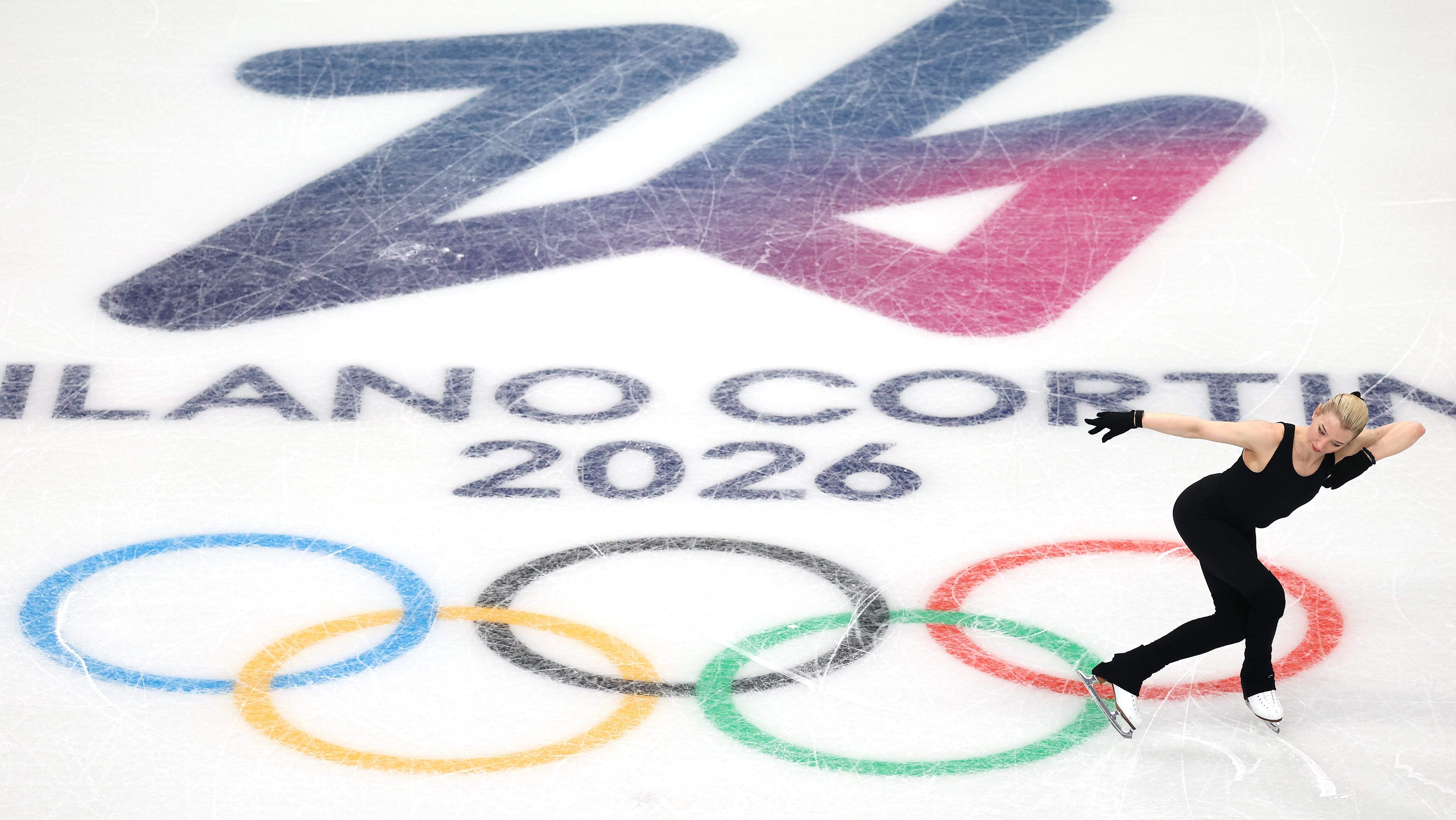
The 2026 Winter Games, officially known as Milano Cortina 2026, are scheduled to take place from February 6 to February 22, 2026, across Northern Italy. This XXV Olympic Winter Games marks a historic return to the Alps, utilizing a decentralized hosting model that spreads events across Milan, Cortina d'Ampezzo, and several Alpine valleys to prioritize sustainability and existing infrastructure.
The Decentralized Hosting Model of Milano Cortina 2026
The 2026 Winter Games represent a fundamental shift in how the International Olympic Committee (IOC) and host nations approach large-scale sporting events. Unlike traditional models that often required the construction of a centralized "Olympic Park," the Milano Cortina 2026 vision is built upon the "Olympic Agenda 2020+5" reforms. This strategy emphasizes the use of existing venues and temporary structures to minimize environmental impact and long-term financial debt.
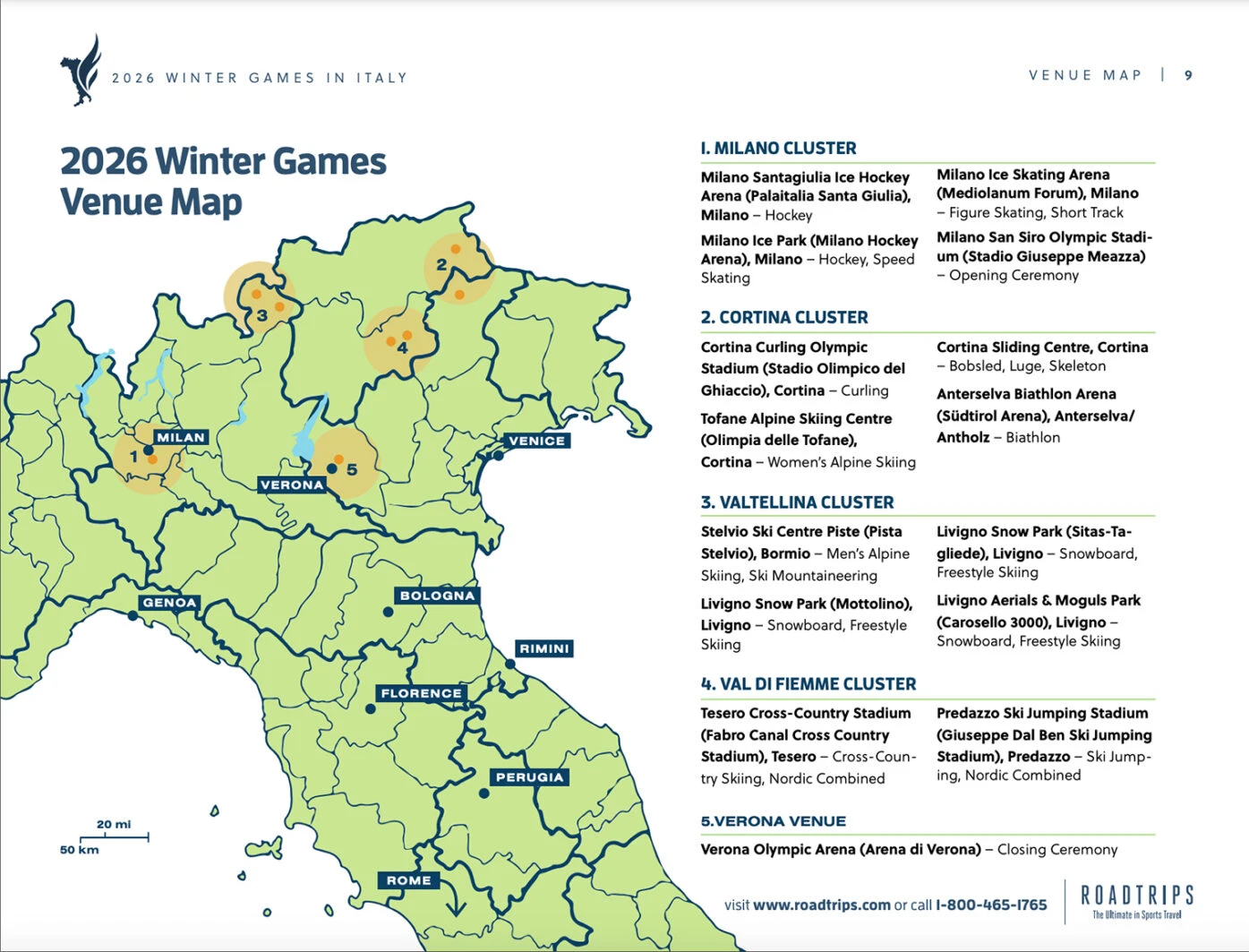
The games are distributed across a vast geographical area of approximately 22,000 square kilometers. The primary hubs include the metropolitan area of Milan and the mountain resort of Cortina d’Ampezzo, but the footprint extends into the regions of Lombardy and Veneto, as well as the autonomous provinces of Trento and Bolzano. This regional approach allows the games to showcase the diverse cultural and topographical landscape of Northern Italy while leveraging world-class facilities already in place for World Cup skiing and professional ice hockey.
By utilizing venues such as the San Siro Stadium for the opening ceremony and the Verona Arena for the closing ceremony, the organizers have effectively integrated Italy’s cultural heritage into the sporting narrative. This model is expected to serve as a blueprint for future games, demonstrating that global events can be hosted responsibly by adapting to the existing strengths of a region rather than forcing a city to undergo radical, often unsustainable, transformations.
Key Venue Clusters and Sporting Locations
To navigate the 2026 Winter Games effectively, spectators and participants must understand the five primary clusters where the competitions are held. Each cluster is specialized based on the geography and existing infrastructure of the location.
Milan Cluster
As the primary urban hub, Milan hosts the ice-based indoor sports. The Mediolanum Forum (renamed the Milano Sant'Agulia Arena for the games) serves as the center for figure skating and short track speed skating. Ice hockey is split between two main venues: the newly constructed Fiera Milano halls and the Palace of Ice. Milan also provides the backdrop for the primary Olympic Village and the Main Media Centre, acting as the logistical heart of the games.
Cortina d’Ampezzo Cluster
Cortina, which previously hosted the Winter Olympics in 1956, returns as a focal point for snow sports. The Olympia delle Tofane track is the site for women’s alpine skiing, while the Stadio Olimpico del Ghiaccio (Olympic Ice Stadium) hosts the curling competitions. Cortina's inclusion ensures that the games retain a traditional "mountain" feel, despite the heavy urban presence in Milan.
Valtellina Cluster
The Valtellina valley is the destination for adrenaline-fueled events. Bormio is the designated site for men’s alpine skiing, specifically on the legendary Stelvio track, known for being one of the most technical and demanding courses on the World Cup circuit. Additionally, the Livigno area hosts freestyle skiing and snowboarding competitions, utilizing its extensive snow parks and natural terrain.
Val di Fiemme and Anterselva Clusters
The autonomous provinces are vital for endurance and precision sports. Val di Fiemme hosts cross-country skiing, Nordic combined, and ski jumping. Meanwhile, Anterselva (Antholz) is the undisputed home of biathlon in Italy, utilizing a world-renowned arena that regularly hosts international championships.
New Sporting Disciplines and Event Highlights
Milano Cortina 2026 introduces several changes to the sporting program, reflecting the evolution of winter sports and a desire to engage younger audiences. The most significant addition is Ski Mountaineering (SkiMo), which makes its Olympic debut.
Ski Mountaineering involves athletes racing over mountainous terrain using both skiing and climbing techniques. The competition includes three specific events:
- Men's Sprint: A fast-paced race involving ascents and descents.
- Women's Sprint: Parallel to the men's event, focusing on technical agility.
- Mixed Relay: A team-based event that emphasizes strategic depth and endurance.
Beyond the introduction of SkiMo, the 2026 games also feature a rebalancing of existing disciplines. There is an increased focus on gender equality, with several new women's events added to the program to ensure a nearly 50/50 split in athlete participation. The dual-host nature also means that traditional "blue ribbon" events, such as the Men’s Downhill and the Women’s Figure Skating Final, are spread out to maximize viewership and attendance across different regions of Italy.
Essential Spectator Logistics and Ticketing
Accessing the 2026 Winter Games requires significant advance planning due to the geographical spread of the venues. Unlike a single-city event, spectators often need to choose between the "Ice" events in Milan or the "Snow" events in the Dolomites, as traveling between them can take several hours.
Ticketing Process
Tickets are sold exclusively through the official Milano Cortina 2026 Digital Ticketing Portal. The system operates on a phased release, starting with a registration period for a random draw, followed by general sales.
- Digital-First Policy: All tickets are delivered digitally via the official games app to reduce paper waste and enhance security.
- Pricing Tiers: Prices vary significantly, with preliminary rounds of curling or hockey being more accessible, while high-demand events like the Opening Ceremony or Figure Skating finals command premium prices.
Accommodation Strategy
Because the venues are scattered, accommodation should be booked based on the specific sports you intend to watch. Milan offers a vast array of hotels and rentals but experiences high price surges during the games. For the mountain clusters, such as Cortina or Bormio, availability is extremely limited, and many visitors opt to stay in nearby towns like Belluno or Sondrio and commute via shuttle services.
Transportation and Regional Connectivity
The Italian government and the organizing committee have invested heavily in the "Milano Cortina 2026 Infrastructure Plan" to ensure seamless movement between clusters. The primary mode of transport for the games is the Italian rail network.
Trenitalia and Italo operate high-speed services connecting Milan to Verona and Venice, which serve as gateways to the mountain regions. From these rail hubs, a dedicated "Olympic Shuttle" bus network transports spectators to the specific mountain venues. It is important to note that private vehicle access to many mountain valleys is strictly restricted during the games to prevent gridlock and reduce emissions.
For international visitors, the main entry points are Milan Malpensa (MXP), Milan Linate (LIN), and Venice Marco Polo (VCE). Each airport is linked to the regional transport grid, providing a direct pipeline to the Olympic zones. Spectators are encouraged to purchase the "Olympic Pass," a unified transport card that grants unlimited access to regional trains and shuttles within specific timeframes.
Venue and Sport Comparison Table
The following table provides a quick reference for the distribution of major sports across the primary clusters.
| Sport | Cluster | Specific Venue | Atmosphere Type |
|---|---|---|---|
| Alpine Skiing (Men) | Valtellina | Stelvio (Bormio) | Technical/High Altitude |
| Alpine Skiing (Women) | Cortina | Olympia delle Tofane | Traditional/Scenic |
| Figure Skating | Milan | Milano Sant'Agulia Arena | Urban/Indoor |
| Ice Hockey (Main) | Milan | Fiera Milano / PalaItalia | Urban/Indoor |
| Biathlon | Anterselva | Südtirol Arena | Alpine/Endurance |
| Ski Mountaineering | Valtellina | Livigno Area | Modern/Extreme |
| Curling | Cortina | Olympic Ice Stadium | Classic/Heritage |
| Ski Jumping | Val di Fiemme | Giuseppe Dal Ben Arena | Valley/Technical |
Sustainability and Legacy Goals
Milano Cortina 2026 is the first Olympic Games to be fully aligned with the requirements of the IOC's New Norm. This involves a commitment to being carbon-neutral and ensuring that every investment made has a clear post-games utility.
The legacy plan includes:
- Social Impact: Promoting winter sports participation across Italy, particularly in the Lombardy and Veneto regions.
- Environmental Protection: Implementing strict waste management protocols in the sensitive Dolomite ecosystems.
- Economic Vitality: Using the games to boost off-season tourism in the Alpine valleys by upgrading transport infrastructure and digital connectivity.
A significant portion of the temporary infrastructure, such as the stands in Bormio or the athlete housing in Milan (which will be converted into student housing), was designed with disassembly or repurposing in mind. This avoids the "white elephant" syndrome that plagued previous Olympic hosts.
Frequently Asked Questions
What are the official dates for the 2026 Winter Games?
The Olympic Winter Games run from February 6 to February 22, 2026. These are followed by the Paralympic Winter Games, which take place from March 6 to March 15, 2026. The opening ceremony is held in Milan, while the closing ceremony takes place in the historic Arena di Verona.
How can I travel between Milan and Cortina d'Ampezzo?
The most efficient way is to take a high-speed train from Milan to Venice or Treviso, and then transfer to the dedicated Olympic Shuttle buses. The journey typically takes between 3 to 5 hours depending on weather conditions and traffic. There is no direct train line that goes into the heart of Cortina, so the shuttle transition is mandatory.
Is Ski Mountaineering a permanent Olympic sport?
Ski Mountaineering has been confirmed for the Milano Cortina 2026 program. Its inclusion in future games depends on its performance, viewership, and the decision of the host cities for the 2030 and 2034 games. However, given its popularity in Europe and its low environmental footprint, it is considered a strong candidate for future inclusion.
Can I buy tickets at the venues?
No, all tickets for the 2026 Winter Games must be purchased in advance through the official online portal. Due to security protocols and the decentralized nature of the event, there are no box offices at the mountain venues for day-of-purchase tickets. Digital verification is required at all security perimeters.
Which city hosts the Opening Ceremony?
The Opening Ceremony is hosted by Milan at the San Siro Stadium (Stadio Giuseppe Meazza). This is a departure from tradition, as the ceremony is held in a major football stadium rather than a dedicated Olympic stadium, allowing for a much larger live audience of approximately 80,000 spectators.
Next Steps for Planning Your Visit
If you are planning to attend the 2026 Winter Games, your immediate priority should be securing accommodation in your preferred cluster. Because the distance between Milan and the Alpine venues is substantial, most fans find it more rewarding to focus on either the "Ice" or "Snow" clusters rather than trying to see everything.
- Register on the Official Portal: Ensure you are signed up at milanocortina2026.olympics.com to receive alerts for ticket windows.
- Map Your Sports: Identify which disciplines are your priority and cross-reference them with the venue clusters to avoid logistical conflicts.
- Check Visa Requirements: Ensure your passport is valid for at least six months beyond February 2026 and verify if you require a Schengen visa for entry into Italy.
- Download the App: The Milano Cortina 2026 app will be the central tool for navigation, schedule updates, and digital ticket management throughout the event.