As the global landscape continues to evolve, the 2026 outlook reflects a complex interplay of stabilization in monetary policy, rapid integration of advanced artificial intelligence systems, and persistent structural shifts in labor and supply chains. Stakeholders across multiple sectors must navigate these converging dynamics with a clear focus on risk mitigation, technological adaptability, and disciplined capital allocation.
Evaluating the trajectory of the current year requires a granular assessment of how macroeconomic indicators, regulatory frameworks, and sector-specific transformations intersect. Rather than relying on broad generalizations, decision-makers need empirical clarity on inflation trends, enterprise technology spending, and geopolitical influences. This analysis examines the primary vectors shaping the current operational and economic environment, providing a foundational framework for strategic planning.
Macroeconomic Environment and Monetary Policy Trajectories
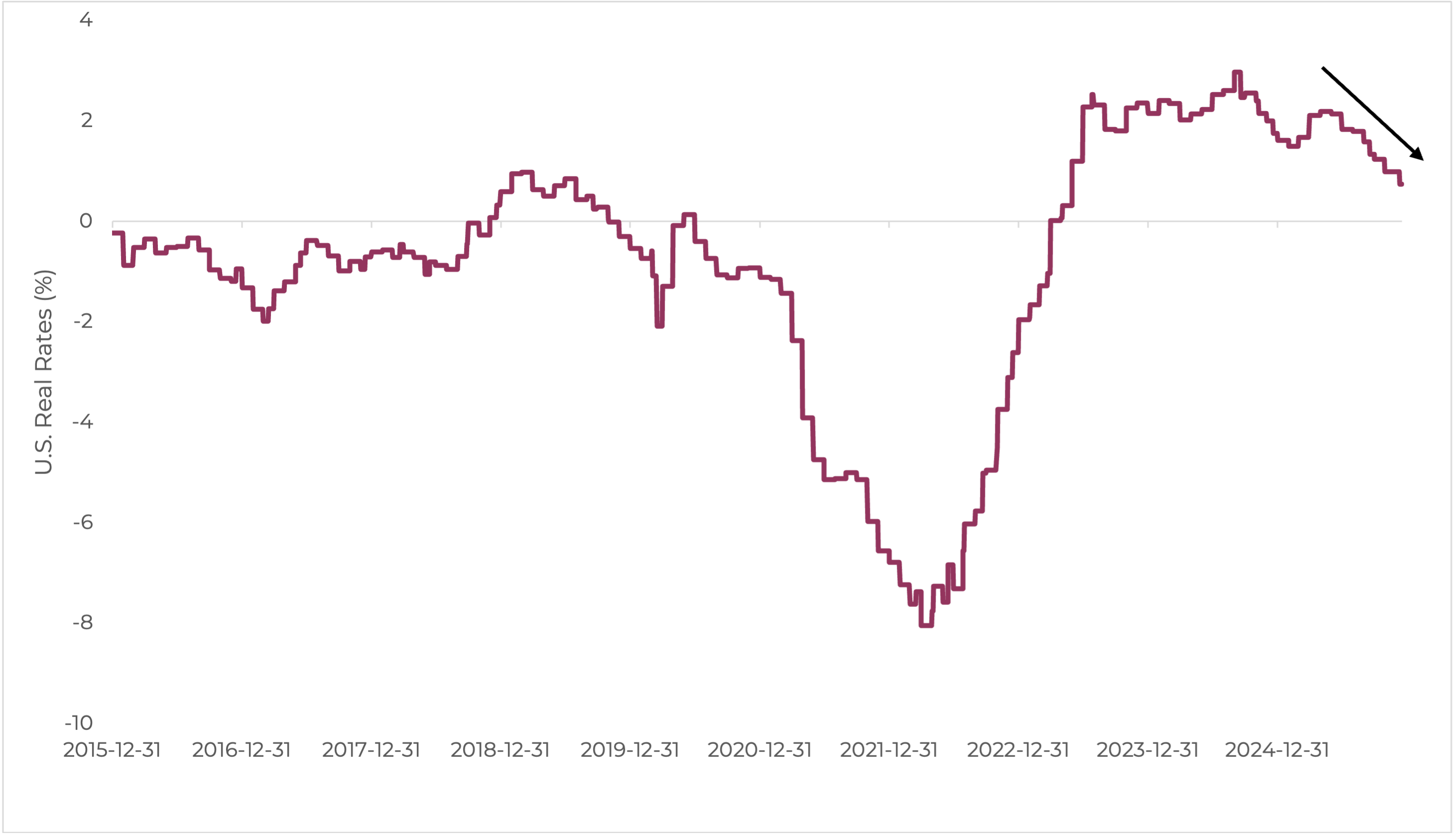
The macroeconomic backdrop of 2026 is defined by a prolonged adjustment period following the aggressive interest rate tightening cycles initiated by major central banks in previous years. Inflation rates have largely converged toward long-term central bank targets across developed economies, yet lingering price pressures in services and housing continue to influence monetary policy decisions.
Central banks, including the U.S. Federal Reserve and the European Central Bank, have adopted a data-dependent stance, balancing the risk of premature monetary easing against the potential for restrictive conditions to dampen capital investment. This calibrated approach has resulted in a plateau rather than a rapid descent in benchmark interest rates, forcing corporations and financial institutions to adapt their debt structures and liquidity management strategies to a higher-for-longer cost of capital.
Furthermore, public sector debt levels remain a significant variable. Governments face mounting fiscal pressures driven by demographic aging, healthcare expenditures, and the ongoing costs of energy transition mandates. These sovereign fiscal dynamics influence bond market yields, creating a competitive environment for private capital and shaping corporate borrowing costs across global markets.
Artificial Intelligence Integration and Enterprise Technology Adoption
Enterprise technology strategies in 2026 have transitioned decisively from exploratory experimentation to rigorous operational integration and return-on-investment scrutiny. Organizations are no longer merely testing generative artificial intelligence models; they are embedding machine learning pipelines into core enterprise resource planning, customer relationship management, and automated cybersecurity frameworks.
| Technology Domain | 2024-2025 Phase | 2026 Operational Status | Primary Metric of Success |
|---|---|---|---|
| Generative AI | Pilot testing and proof-of-concept | Deep workflow integration | Efficiency gain and error reduction |
| Cloud Infrastructure | Migration and optimization | Multi-cloud cost governance | Total cost of ownership (TCO) |
| Cybersecurity | Reactive defense deployment | Autonomous threat hunting | Mean time to remediation (MTTR) |
| Data Analytics | Siloed business intelligence | Unified real-time decision fabric | Data-to-insight velocity |
This maturation phase places a premium on data governance, infrastructure security, and regulatory compliance. With the implementation of comprehensive legislative frameworks such as the European Union Artificial Intelligence Act, organizations must ensure transparency, algorithmic accountability, and robust data protection standards. Failure to meet these compliance thresholds exposes enterprises to substantial legal penalties and reputational risks.
Energy Transition and Industrial Supply Chain Resilience
The global industrial sector in 2026 continues to grapple with the dual imperatives of decarbonization and supply chain resilience. The energy transition has moved past ideological debates into the realm of pragmatic industrial policy, heavily supported by legislative incentives and capital subsidies deployed over the preceding years.
Supply chains have been structurally redesigned to minimize single-point-of-failure vulnerabilities. Near-shoring, friend-shoring, and redundant inventory models have replaced the traditional just-in-time logistics paradigm. While these adjustments increase baseline operational costs, they provide essential insulation against geopolitical disruptions, trade restrictions, and climate-induced logistics bottlenecks.
Clean energy investments are increasingly focused on grid modernization, energy storage solutions, and industrial electrification. However, the pace of transition varies significantly across geographic regions, driven by local access to critical raw materials, regulatory frameworks, and domestic energy security priorities.
Capital Allocation and Investment Strategies
Navigating financial markets requires a nuanced understanding of asset valuation and risk distribution. Equity markets continue to reward companies with strong balance sheets, predictable cash flows, and demonstrable pricing power. Conversely, highly leveraged enterprises face severe valuation compression as refinancing costs remain elevated.
Private market investors are exercising heightened discipline, extending due diligence timelines and prioritizing operational value creation over multiple expansion. Venture capital and private equity firms are focusing on sectors with secular growth drivers, such as enterprise software, healthcare innovation, and advanced manufacturing, while maintaining conservative underwriting assumptions.
Fixed-income investors face attractive nominal yields, but credit selection remains paramount. Corporate credit spreads reflect a bifurcated market where high-quality issuers access capital efficiently, while distressed borrowers navigate a narrowing window for debt restructuring.
How are central banks managing persistent inflation pressures?
Central banks maintain restrictive or neutral policy stances, utilizing interest rate adjustments and quantitative tightening mechanisms to anchor inflation expectations without triggering severe economic contraction. Policy decisions rely heavily on monthly employment, wage growth, and consumer price indices to calibrate interventions dynamically.
What are the primary compliance risks for artificial intelligence deployment?
Key compliance risks include data privacy violations, intellectual property infringement, algorithmic bias, and failure to meet statutory transparency mandates. Organizations must establish rigorous internal auditing protocols and deploy verifiable governance frameworks to mitigate regulatory exposure.
How have supply chains adapted to ongoing geopolitical friction?
Supply chains have diversified procurement channels, increased regional manufacturing capacity, and established buffer inventories. These structural changes prioritize operational resilience and continuity over absolute cost minimization, protecting businesses from sudden trade barriers or transport disruptions.
What distinguishes successful enterprise technology investments in 2026?
Successful investments are characterized by clear integration roadmaps, measurable productivity gains, strict adherence to data governance standards, and alignment with overarching business strategy rather than superficial adoption of emerging trends.
Strategic Next Steps for Stakeholders
Organizations and individuals seeking to position themselves advantageously must execute a systematic audit of their operational exposures and strategic goals.
- Review Financial Vulnerabilities: Stress-test balance sheets against prolonged interest rate plateaus and model various debt-refinancing scenarios.
- Audit Technology Governance: Ensure all artificial intelligence and cloud infrastructure deployments comply with current regulatory standards and internal data security policies.
- Diversify Operational Networks: Evaluate supply chain dependencies and establish redundant supplier relationships in politically stable jurisdictions.
- Monitor Regulatory Updates: Maintain active oversight of legislative changes in tax policy, trade tariffs, and environmental mandates affecting your specific sector.