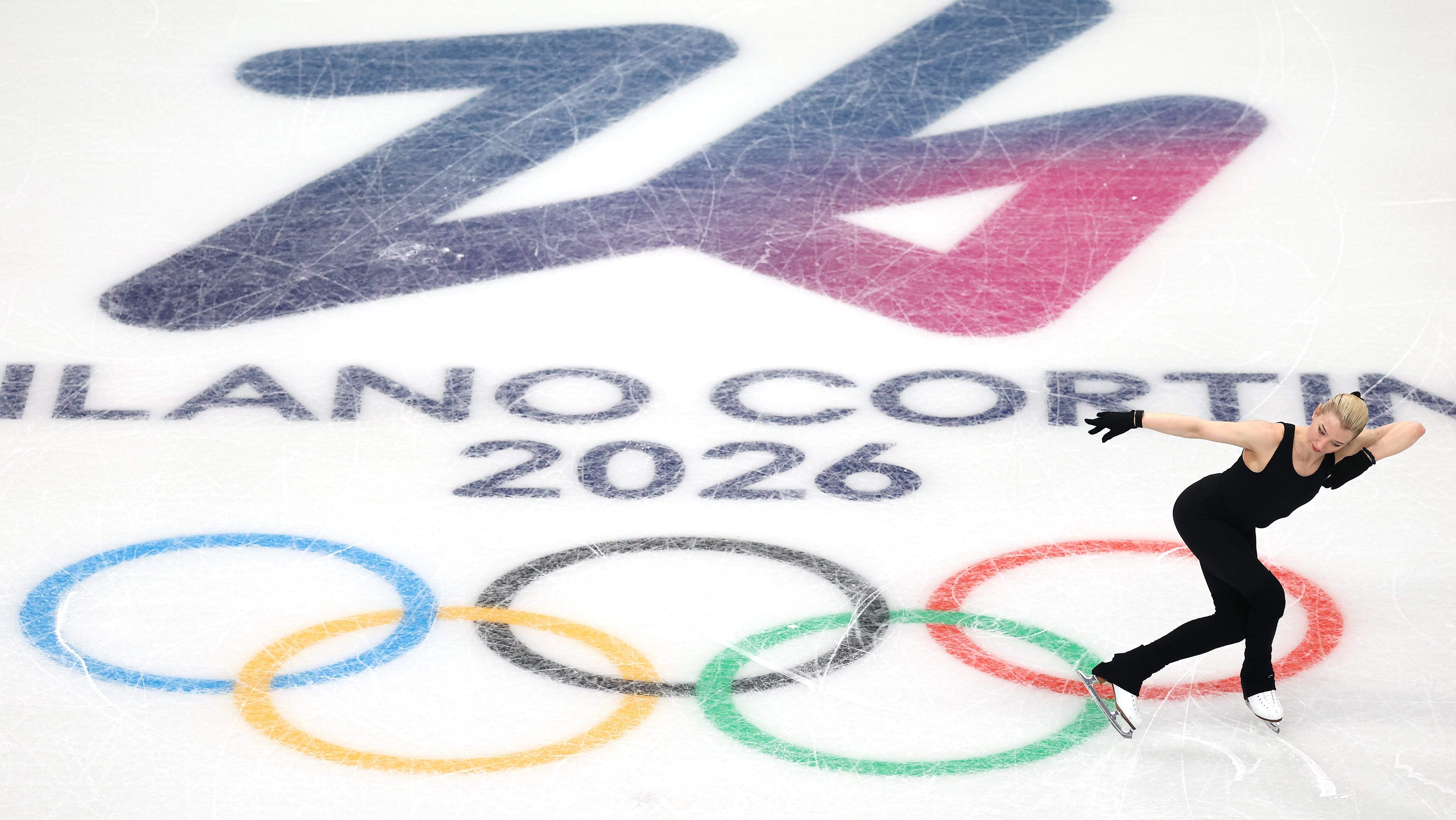
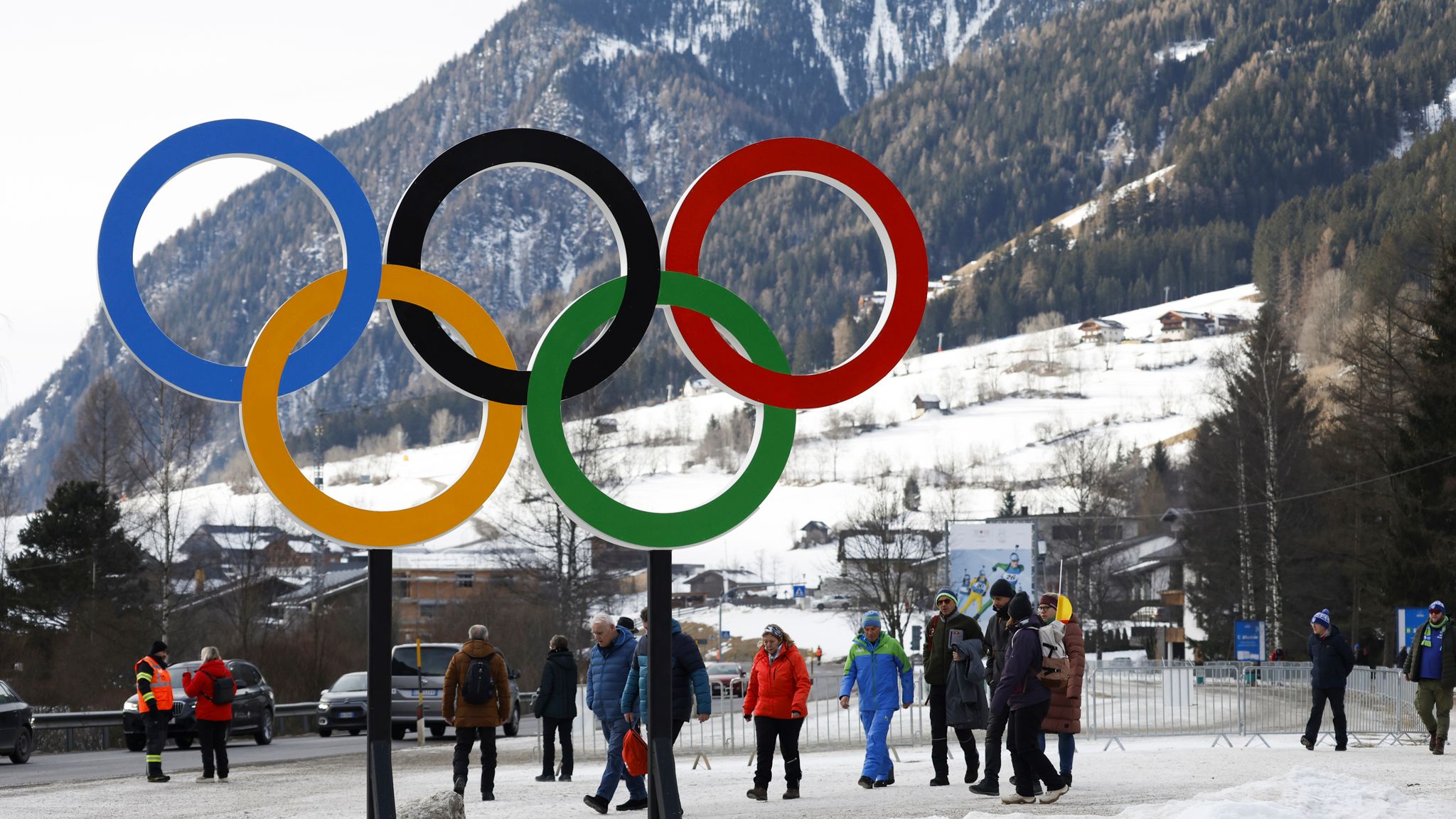
The 2026 Winter Olympics, officially known as the Milano Cortina 2026 Olympic and Paralympic Winter Games, represent a major milestone in international multi-sport competition. Spanning multiple clusters across northern Italy, these Games showcase elite winter athletes in disciplines ranging from alpine skiing and figure skating to fast-growing modern additions like ski mountaineering, all while utilizing a decentralized venue model designed for long-term sustainability.
The Geographic Blueprint: Milan and Cortina d'Ampezzo
The Milano Cortina 2026 Winter Olympics break from traditional single-city hosting models by spreading events across a vast geographic footprint in northern Italy. This decentralized approach leverages existing infrastructure, minimizing the need for newly constructed permanent venues that risk becoming underutilized post-Games. Milan serves as the primary urban anchor, hosting major indoor ice sports, while historical mountain hubs like Cortina d'Ampezzo and Val di Fiemme manage alpine disciplines and sliding sports.
Milan's contributions to the Games focus heavily on arena-based sports and cultural ceremonies. The city utilizes world-class venues such as the PalaItalia Santa Giulia and the Mediolanum Forum to stage ice hockey and figure skating events. Meanwhile, Cortina d'Ampezzo leans into its rich alpine heritage, having previously hosted the 1956 Winter Olympics. By combining metropolitan energy with traditional alpine landscapes, the organizing committee creates a distinct dual identity for the Games.
Beyond Milan and Cortina, the operational map includes several specialized clusters. Bormio and Livigno handle the high-octane freestyle skiing and snowboarding competitions, pushing technical demands on athletes with steep gradients and innovative park designs. Anterselva (Antholz) hosts biathlon events, relying on its world-renowned shooting and cross-country stadium. This distribution requires intricate logistical coordination for athletes, media, and spectators traveling between alpine valleys and urban centers.
Core Sports Disciplines and New Additions
The athletic program for the 2026 Winter Olympics features a comprehensive lineup of ice and snow sports governed by the International Olympic Committee and various international sports federations. Traditional disciplines such as alpine skiing, cross-country skiing, ski jumping, bobsled, skeleton, luge, curling, and ice hockey remain the backbone of the competition schedule, drawing millions of viewers worldwide.
A notable highlight of the 2026 program is the introduction of ski mountaineering (skimo) to the Olympic stage. Skimo combines uphill climbing on skis with skins, technical boot-packing sections, and rapid descents, testing both endurance and alpine navigation skills. The inclusion of skimo reflects the International Olympic Committee's ongoing effort to appeal to younger demographics and honor the mountaineering culture deeply embedded in the host region.
| Sport Discipline | Primary Venue Cluster | Key Event Types |
|---|---|---|
| Figure Skating | Milan | Singles, Pairs, Ice Dance, Team Event |
| Alpine Skiing | Cortina d'Ampezzo / Bormio | Downhill, Slalom, Giant Slalom, Super-G |
| Ski Mountaineering | Bormio | Sprint, Mixed Relay |
| Biathlon | Anterselva / Antholz | Sprint, Pursuit, Individual, Relays |
| Ice Hockey | Milan | Men's and Women's Tournaments |
Infrastructure, Sustainability, and Legacy Planning
Sustainability stands as a core pillar of the Milano Cortina 2026 organizing framework. In alignment with the International Olympic Committee's Agenda 2020+5, the organizers committed to utilizing over 90% existing or temporary venues. This strategy drastically reduces capital expenditure and environmental disruption compared to historical Games that required massive greenfield construction projects.
Energy management and circular economy principles guide operational planning across all sites. Facilities rely heavily on renewable energy sources, energy-efficient LED lighting, and advanced waste-reduction protocols. For instance, temporary seating and modular structures are deployed to accommodate large crowds without leaving permanent concrete footprints on ecologically sensitive mountain slopes.
The long-term legacy for local communities centers on upgraded transportation networks and enhanced tourism infrastructure. Investments in regional rail links, road safety improvements, and digital connectivity aim to shorten transit times between Milan and the alpine valleys. These infrastructural upgrades benefit local residents and future visitors long after the Olympic flame is extinguished, ensuring that the economic impact extends well beyond the two-week competition window.
Ticketing, Accessibility, and Spectator Logistics
Attending the 2026 Winter Olympics requires navigating a structured ticketing and credentialing ecosystem designed to manage high global demand. Official tickets are distributed primarily through authorized digital platforms, with randomized ballot phases and general sales periods preceding the opening ceremony. Spectators must create verified user accounts to purchase and manage digital tickets, which feature advanced security protocols to prevent counterfeiting and unauthorized resale.
Transportation logistics form a critical component of the spectator experience. Because venues are distributed across hundreds of kilometers of mountainous terrain, attendees rely on integrated transport passes that combine high-speed rail, regional buses, and dedicated shuttle services. Planners strongly advise travelers to book accommodation and transit connections well in advance, as lodging capacity in smaller mountain towns like Cortina and Bormio is naturally constrained.
Accessibility for individuals with disabilities is integrated into venue design and transport planning. All newly renovated or temporary facilities comply with strict international accessibility standards, providing dedicated seating, barrier-free pathways, and specialized support staff. Spectators requiring specific accommodations can access detailed venue guides through the official ticketing portal before finalizing their travel itineraries.
Frequently Asked Questions
What are the main host cities for the 2026 Winter Olympics?
The official host cities are Milan and Cortina d'Ampezzo. However, events are distributed across a wider region of northern Italy, including clusters in Valtellina (Bormio and Livigno), Val di Fiemme, and Anterselva.
Which new sport makes its debut at the 2026 Winter Games?
Ski mountaineering, commonly known as skimo, makes its official Olympic debut at the 2026 Games. The discipline features high-intensity sprint races and mixed-relay formats set against the challenging terrain of Bormio.
How are the 2026 Olympics addressing environmental sustainability?
Organizers prioritize sustainability by utilizing over 90% existing or temporary venues, relying on renewable energy sources, and implementing comprehensive waste-reduction and circular economy strategies across all operational sites.
Where can official tickets for the events be purchased?
Official tickets are available exclusively through the Milano Cortina 2026 authorized ticketing website and designated official ticket agents, requiring buyers to set up verified digital accounts for mobile entry.
What transportation options are available between Milan and the mountain clusters?
Travelers can utilize upgraded regional rail networks, high-speed trains, and dedicated Olympic shuttle services connecting Milan directly to the mountain clusters in Cortina, Valtellina, and Val di Fiemme.
Strategic Planning for Visitors and Media
For stakeholders, media personnel, and travelers engaging with the 2026 Winter Olympics, success relies on early preparation and adaptability. Monitoring official operational updates from the organizing committee ensures compliance with the latest security guidelines, transit schedules, and weather contingency plans. By understanding the decentralized nature of the venues and utilizing integrated regional transit networks, attendees can navigate the complex geography of northern Italy efficiently while experiencing a historic chapter of winter sport competition.