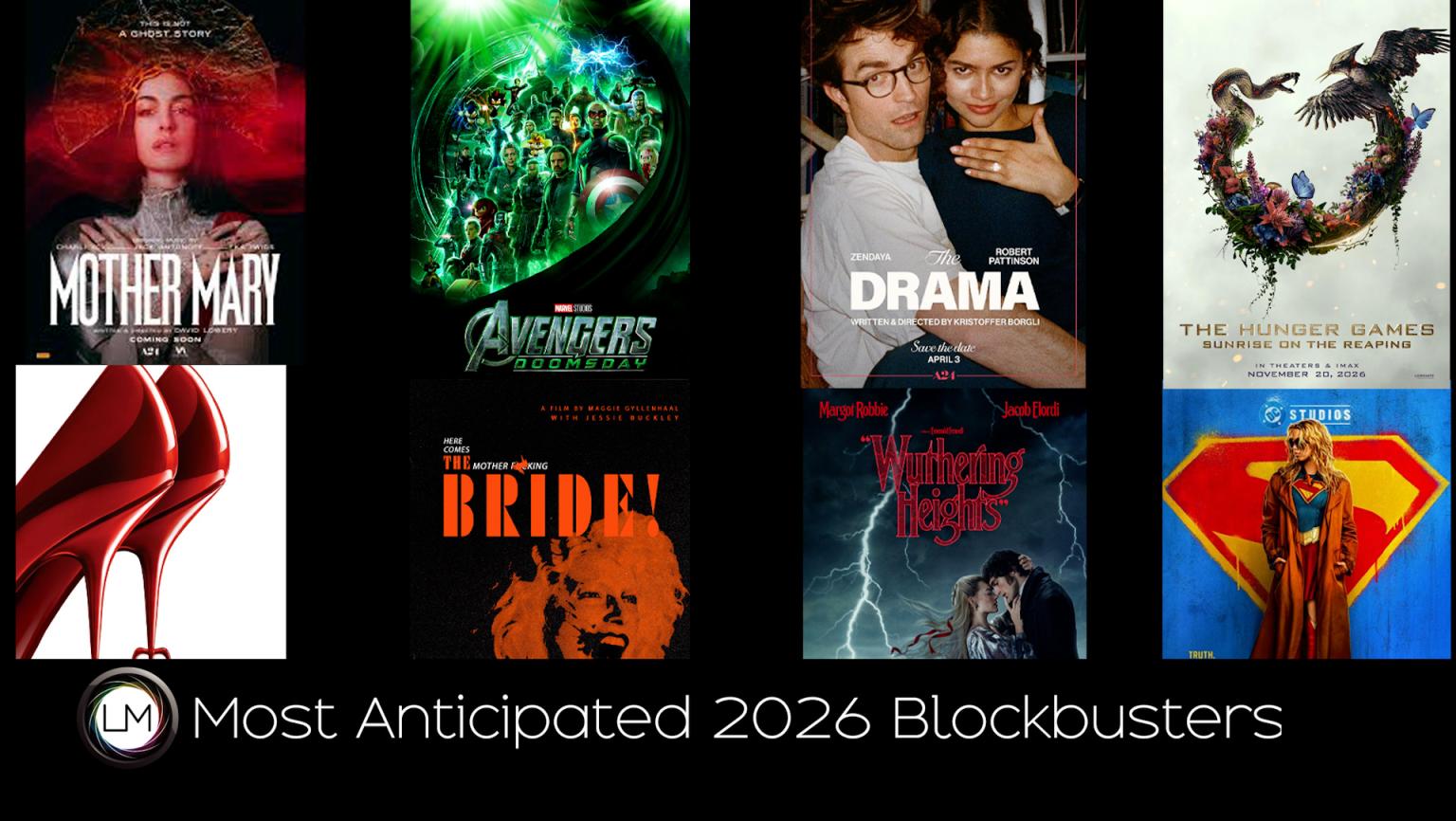
The 2026 movie calendar represents a diverse slate shaped by returning blockbuster franchises, delayed high-profile productions, and evolving distribution experiments across theatrical chains and streaming platforms. This year’s cinematic output balances high-budget tentpoles with mid-budget original storytelling, reflecting a maturing post-pandemic recovery market.
The Evolution of Theatrical Windows and Streaming Strategies
The economic model underpinning the distribution of any major 2026 movie has stabilized significantly compared to the volatile post-pandemic years of the early 2020s. Major studios have largely abandoned the simultaneous day-and-date release model for high-budget projects, returning to a predictable exclusive theatrical window. Typically, this window spans between 31 and 45 days for mid-tier releases, while true mega-blockbusters often command 60 to 90 days of exclusive big-screen run time before transitioning to video-on-demand (VOD) and proprietary subscription streaming services.
This stabilization allows studios to recapture theatrical box office revenues while optimizing subscription acquisition curves. However, the economic pressures on independent cinemas remain pronounced. Rising operational costs, labor overhead, and changing consumer habits mean that independent and arthouse films rely heavily on hybrid distribution. Festivals such as Sundance, Cannes, and TIFF continue to serve as primary acquisition marketplaces, where independent distributors secure theatrical footprints alongside streaming acquisition guarantees.
| Distribution Tier | Typical Theatrical Window | Primary Revenue Model | Target Audience |
|---|---|---|---|
| Mega-Blockbuster | 60–90 Days | Box Office & Global Merchandising | Mass Market / Demographically Diverse |
| Mid-Budget Drama / Comedy | 31–45 Days | Box Office & Premium VOD (PVOD) | Adults 25–54 / Niche Cinephiles |
| Arthouse / Independent | Flexible / Day-and-Date | Festivals, Theatrical Bootstrapping, SVOD | Film Festival Attendees / Urban Markets |
| Direct-to-Streaming | 0 Days (Limited Theatrical) | Subscription Retention & Ad Tiers | Cord-Cutters / Home-Viewing Households |
Major Franchise Returns and Tentpole Expectations
Franchise continuation remains the primary financial engine for major Hollywood studios in 2026. Intellectual property management dictates that studios space out superhero films, sci-fi epics, and long-running action series to prevent audience fatigue. Consequently, the slate features carefully curated sequels that have undergone extensive post-production to ensure high visual effects quality, addressing past criticisms regarding rushed CGI pipelines.
Sci-fi and fantasy properties continue to dominate global box office projections. Studios are investing heavily in practical effects blended with advanced virtual production techniques, such as improved LED volume stages and generative AI tools utilized strictly for background asset generation rather than primary character animation. This technical shift aims to mitigate runaway production budgets while maintaining the visual fidelity expected by modern audiences.
The Rise of Mid-Budget Original Cinema
While franchises capture global headlines, the mid-budget original movie has found a revitalized niche in 2026. Fueled by demographic demand for mature storytelling, studios and independent financiers are greenlighting thrillers, romantic comedies, and dramas budgeted between $20 million and $50 million. These films rely on star power and strong word-of-mouth rather than heavy visual effects spectacles.
Financing models for these projects often involve international pre-sales, tax incentives from regional film commissions, and equity investors. Because these films do not need to clear the billion-dollar threshold to be considered profitable, they offer a sustainable financial model for studios looking to diversify their portfolios against underperforming blockbusters.
Production Bottlenecks, Labor Agreements, and Global Incentives
The production landscape of 2026 continues to feel the structural aftershocks of the historical 2023 labor strikes. Scheduling delays have compressed production calendars, requiring studios to manage overlapping post-production pipelines carefully. Furthermore, international production hubs have shifted due to fluctuating currency values and changes in regional tax credit structures.
Locations such as the United Kingdom, Canada, Australia, and various European Union nations compete fiercely for international service work by offering tiered tax rebates that frequently cover up to 30% or more of qualified local spend. Consequently, major productions are increasingly decentralized, utilizing physical soundstages abroad while maintaining administrative hubs in Los Angeles or New York.
Navigating Access, Ticketing, and Home Viewing Options
For consumers, accessing any given 2026 movie involves navigating a fragmented ecosystem of subscription tiers, premium cinema formats (PLF), and dynamic ticket pricing. Major exhibition chains have refined their loyalty programs, offering subscription-based ticket models that mirror streaming services to encourage repeat theater attendance.
When a film leaves the cinema, consumers face a dizzying array of streaming platforms. Consolidation within the streaming market has slowed, leaving a handful of dominant services alongside specialized arthouse apps like The Criterion Channel or MUBI. Understanding where and how a title will stream requires tracking exclusive distribution agreements signed months before a film's premiere.
Frequently Asked Questions
How long do major studio films stay in theaters before streaming in 2026?
Most major studio releases maintain a theatrical exclusivity window of 31 to 45 days. High-performing blockbusters often extend this window to 60 or 90 days, while smaller independent films may utilize shorter windows or simultaneous digital releases.
Are movie ticket prices standardized across different chains?
No. Ticket prices vary significantly based on geography, the day of the week, and the format, such as IMAX, Dolby Cinema, or standard digital. Many chains also utilize dynamic pricing for high-demand opening weekends.
Where can I find independent and foreign films that do not get wide theatrical releases?
Independent and foreign films typically premiere at major festivals before playing in arthouse cinemas located in major metropolitan areas. Afterward, they become available through specialized streaming platforms, digital rental storefronts, and university or community film societies.
How do tax incentives impact where films are shot?
Production companies heavily factor regional tax credits, rebates, and grants into their budgeting process. Locations offering competitive financial incentives attract large-scale productions, boosting local economies and specialized crew employment.
What technical advancements are most common in recent movie productions?
Modern productions frequently utilize advanced virtual production technologies, including LED volumes and real-time rendering engines, alongside traditional on-location shooting to optimize costs and streamline visual effects integration.
Maximizing Your Cinematic Experience
To get the most out of the current film landscape, viewers should identify their viewing preferences early. For tentpole spectacles and visually driven epics, prioritizing premium large-format theater screens during opening weeks ensures the intended audiovisual experience. Conversely, for mid-budget dramas and independent releases, supporting local independent cinemas during their initial theatrical runs directly contributes to the financial health of diverse, non-franchise storytelling. Check local listings, festival schedules, and verified streaming release trackers to plan your viewing calendar effectively.