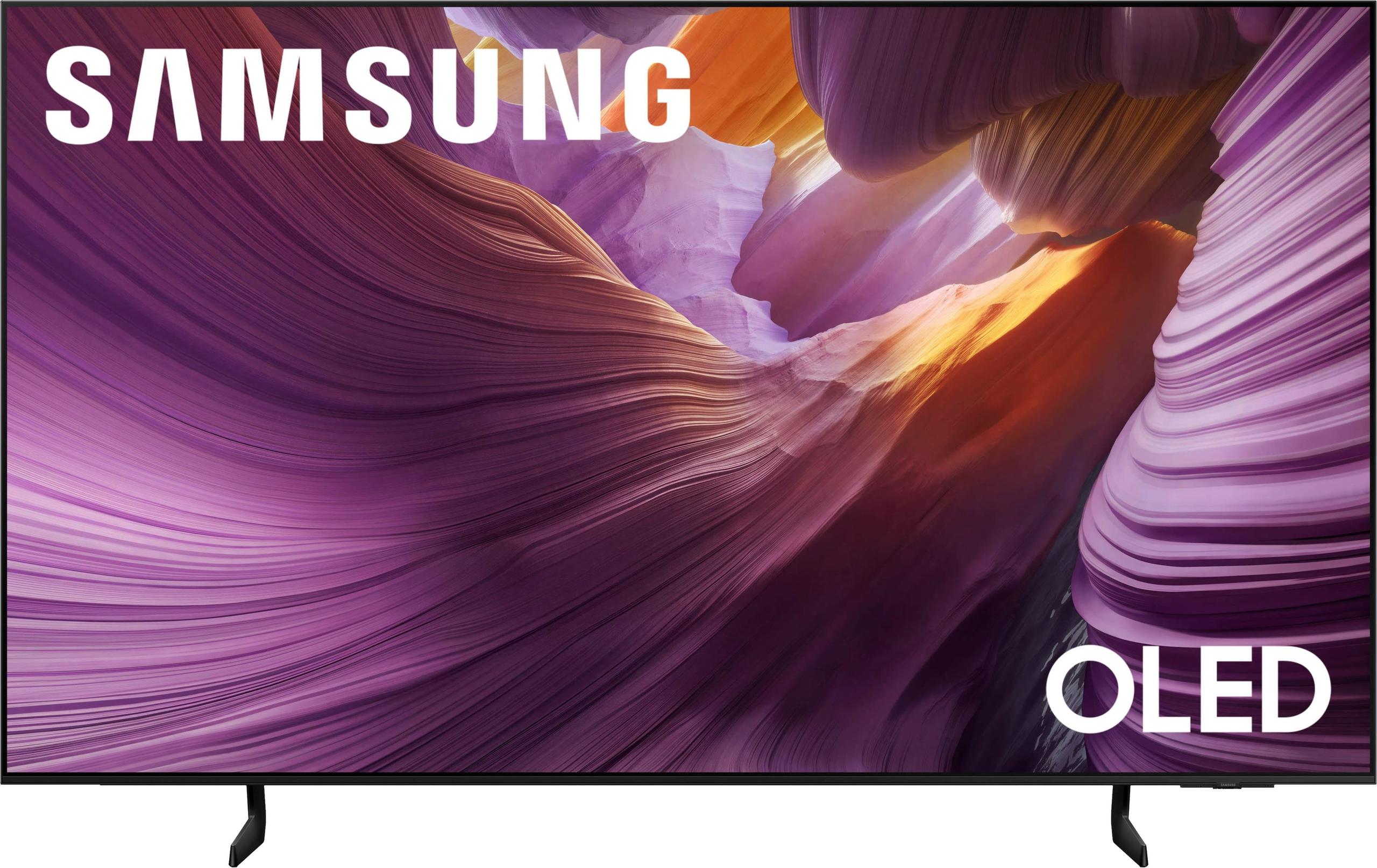
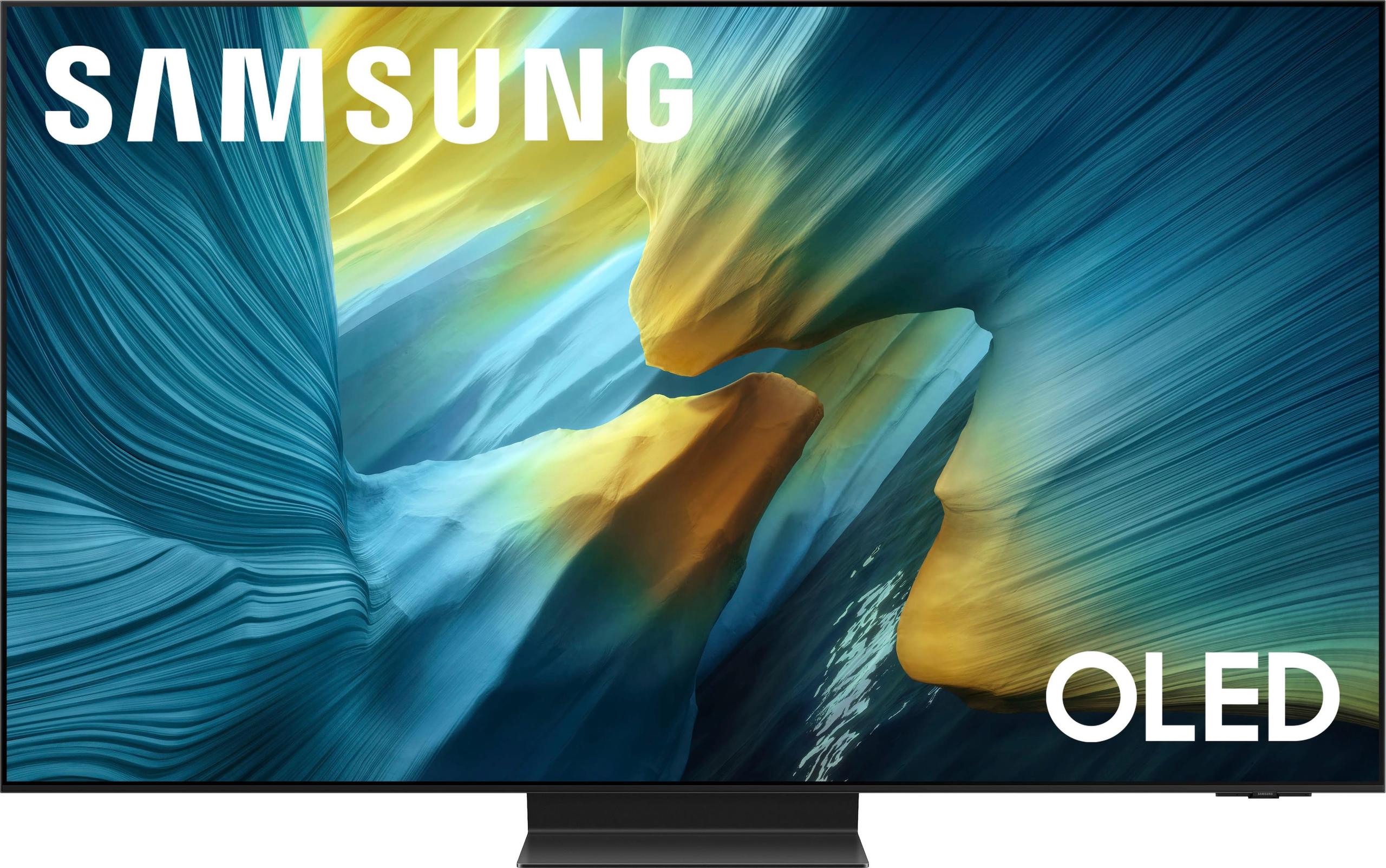
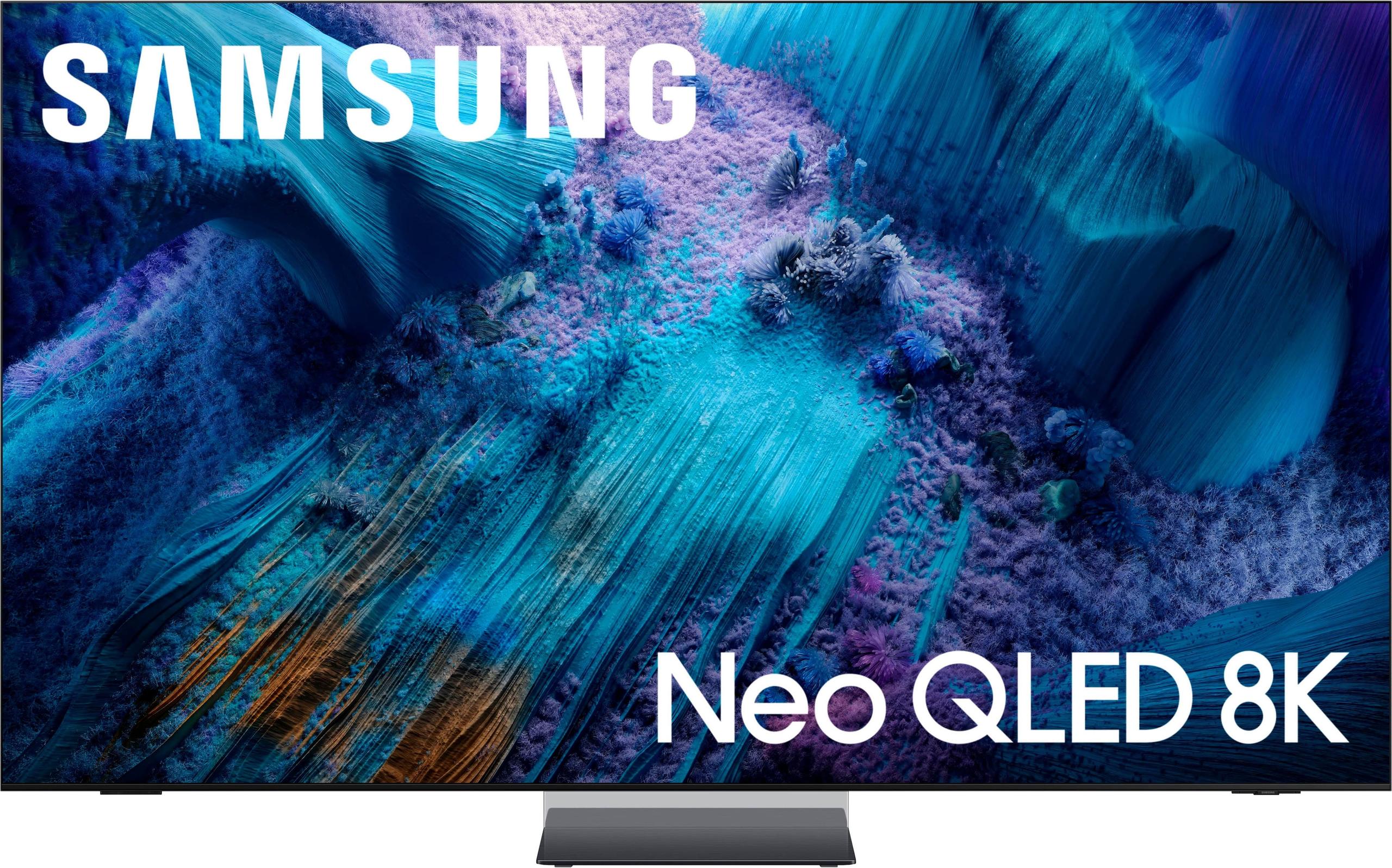
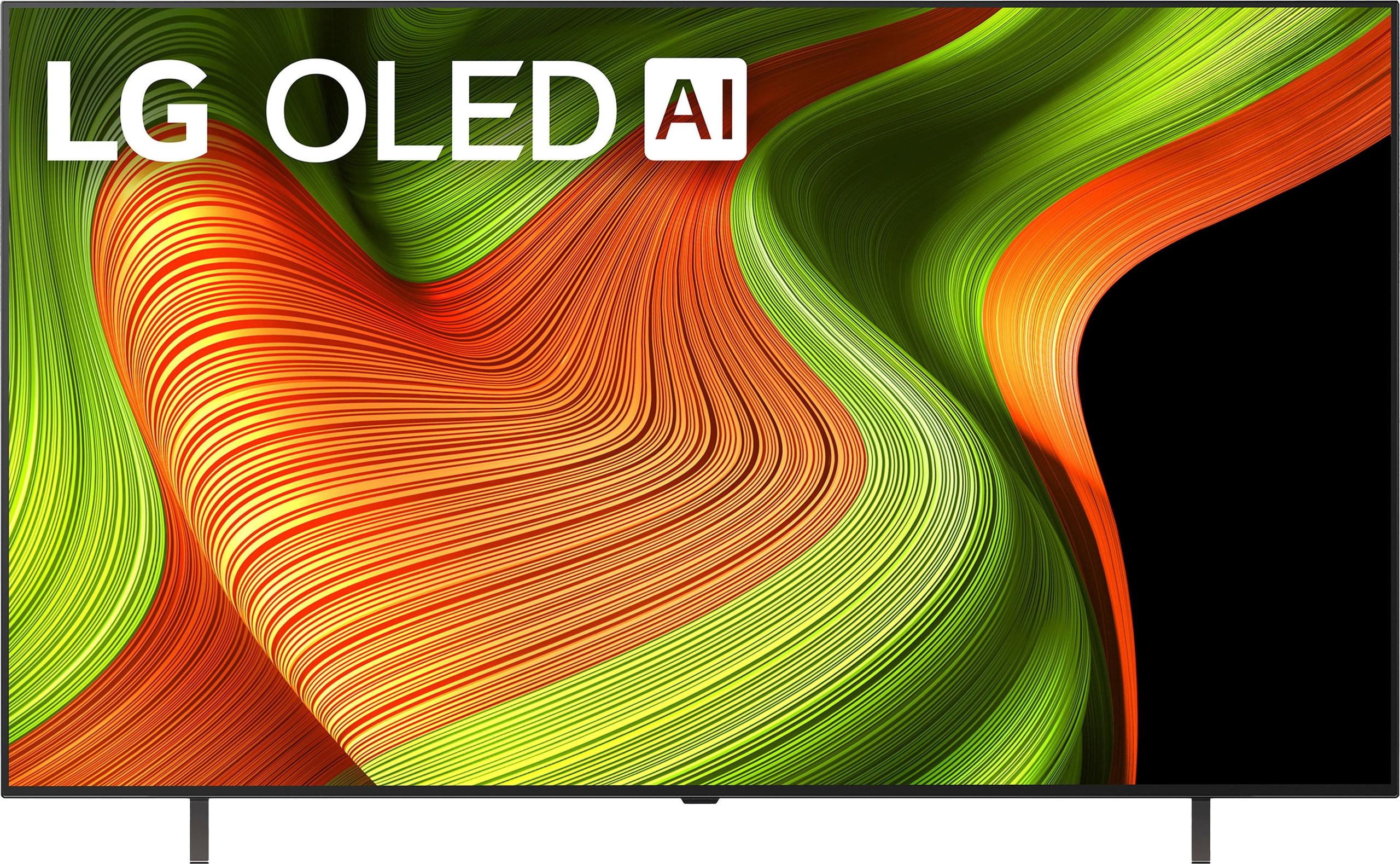
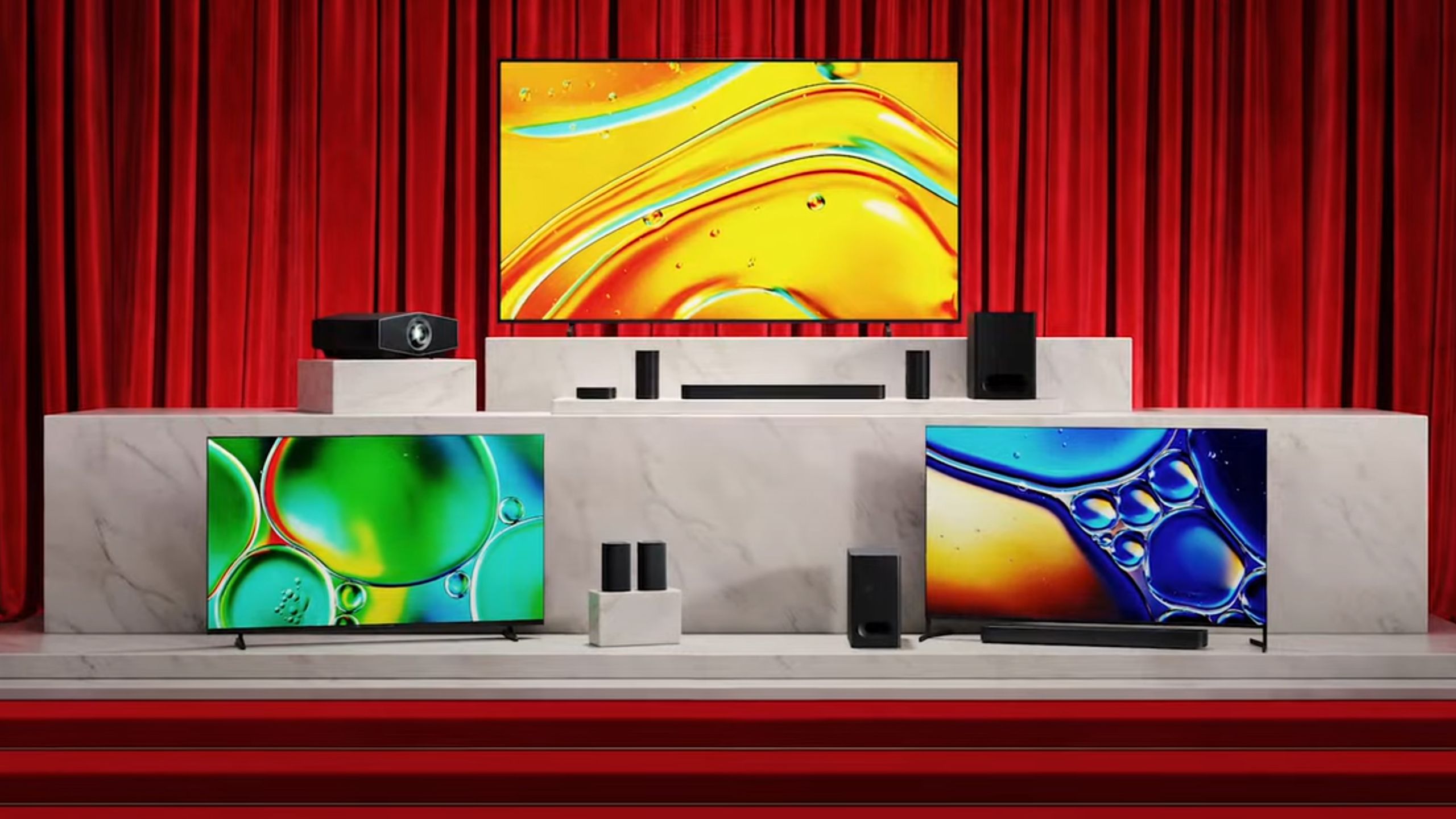
The 2025 TV generation represents a significant milestone in display technology, characterized by the convergence of extreme peak brightness and refined AI-driven image processing. With OLED panels reaching 3,000 nits via Micro Lens Array (MLA) advancements and Mini-LED systems offering thousands of dimming zones, these models provide the most immersive home cinema and gaming experiences currently available in 2026.
The State of Display Technology in 2025
By the time the 2025 models hit the market, the industry had moved past the "incremental update" phase, entering a period of massive architectural shifts in how light is managed. The primary competition remained a three-way battle between MLA-OLED, QD-OLED, and high-density Mini-LED. Each technology addressed historical weaknesses: OLEDs finally conquered brightness limitations, while Mini-LEDs virtually eliminated the "blooming" or "halo" effects that previously plagued high-contrast scenes.
The standard for a premium television in 2025 became the ability to hit at least 2,000 nits of peak brightness in HDR (High Dynamic Range) windows. This was not merely for the sake of blinding brightness but to provide the "headroom" necessary to display specular highlights—like the sun reflecting off water or the glint of chrome—with lifelike accuracy. Furthermore, the integration of 144Hz refresh rates across almost all mid-to-high-end models cemented the TV’s role as a primary monitor for high-performance PC gaming.
Leading OLED Innovations: LG G5 and Samsung S95E
The OLED sector in 2025 was dominated by the refinement of two competing technologies. LG Electronics continued to lead with its White OLED (WOLED) panels enhanced by Micro Lens Array technology. The LG G5 "Gallery" Series utilized the third iteration of MLA, which uses billions of microscopic lenses to redirect light that would otherwise be lost internally back toward the viewer. This allowed the G5 to achieve sustained brightness levels that were previously only possible on LED-LCD sets, all while maintaining the "perfect blacks" that OLED is known for.
Samsung, meanwhile, pushed the boundaries of QD-OLED (Quantum Dot OLED) with the S95E. Unlike WOLED, which uses a color filter, QD-OLED uses blue OLED material to excite a layer of Quantum Dots. This results in superior color volume, particularly in very bright scenes where traditional OLEDs might see colors "wash out." The 2025 S95E model specifically improved panel durability and further reduced the risk of permanent image retention, or "burn-in," which remains a key concern for long-term owners.
Sony also played a critical role in the 2025 OLED market with the Bravia 8, though the company notably pivoted more of its engineering focus toward Mini-LED for its absolute flagship (the Bravia 9 refresh), signaling a belief that the highest-end HDR content requires the raw luminance that only LED-based systems can provide.
The Mini-LED Renaissance
While OLED often captures the headlines, 2025 was arguably the year Mini-LED matured into a true rival for reference-grade monitoring. Brands like TCL and Hisense forced the market’s hand by releasing sets with over 5,000 local dimming zones. When you have thousands of individual zones, the backlight can be controlled with such precision that it mimics the pixel-level control of an OLED.
The Sony Bravia 9 (2025 version) became the gold standard for this category. Sony utilized a proprietary 22-bit LED driver that allowed for nuanced "gradation" in dark areas. This solved the "crushed blacks" issue where detail in shadows is lost. For consumers with bright living rooms—spaces with large windows or heavy ambient light—these 2025 Mini-LED sets became the preferred choice over OLED due to their ability to maintain a clear, punchy image even in direct sunlight.
AI Processing and the "NPU" Era
In 2025, the conversation shifted from panel hardware to the "brains" behind the screen. Manufacturers began marketing their sets based on the power of their Neural Processing Units (NPUs). The LG Alpha 11 AI Processor Pro and Samsung’s NQ8 AI Gen3/4 became central to the user experience.
These processors do more than just sharpen images. They use machine learning to:
- Identify Objects: The TV recognizes a face, a grassy field, or a sky and applies specific processing to each element rather than a blanket filter over the whole screen.
- Upscale Low-Bitrate Content: As streaming services occasionally struggle with bandwidth, 2025 AI processors effectively "fill in" missing data to make a 1080p stream look remarkably close to native 4K.
- Dynamic Tone Mapping: The TV analyzes HDR metadata frame-by-frame to ensure that the brightest and darkest parts of the image are displayed within the physical limits of the panel without losing detail.
2025 Flagship TV Comparison Table
The following table compares the primary specifications of the most influential models released during the 2025 cycle.
| Model | Panel Type | Peak Brightness (HDR) | Dimming Zones / Pixel Control | Smart Platform | Key Gaming Features |
|---|---|---|---|---|---|
| LG G5 | MLA-OLED | ~3,000 Nits | Pixel-Level | webOS 25 | 4x HDMI 2.1, 144Hz, G-Sync |
| Samsung S95E | QD-OLED | ~2,800 Nits | Pixel-Level | Tizen OS | 144Hz, FreeSync Premium Pro |
| Sony Bravia 9 | Mini-LED | ~4,000 Nits | 2,500+ Zones | Google TV | Acoustic Multi-Audio+, 120Hz |
| TCL QM852 | Mini-LED | ~5,000 Nits | 5,000+ Zones | Google TV | 144Hz/240Hz VRR, Game Bar |
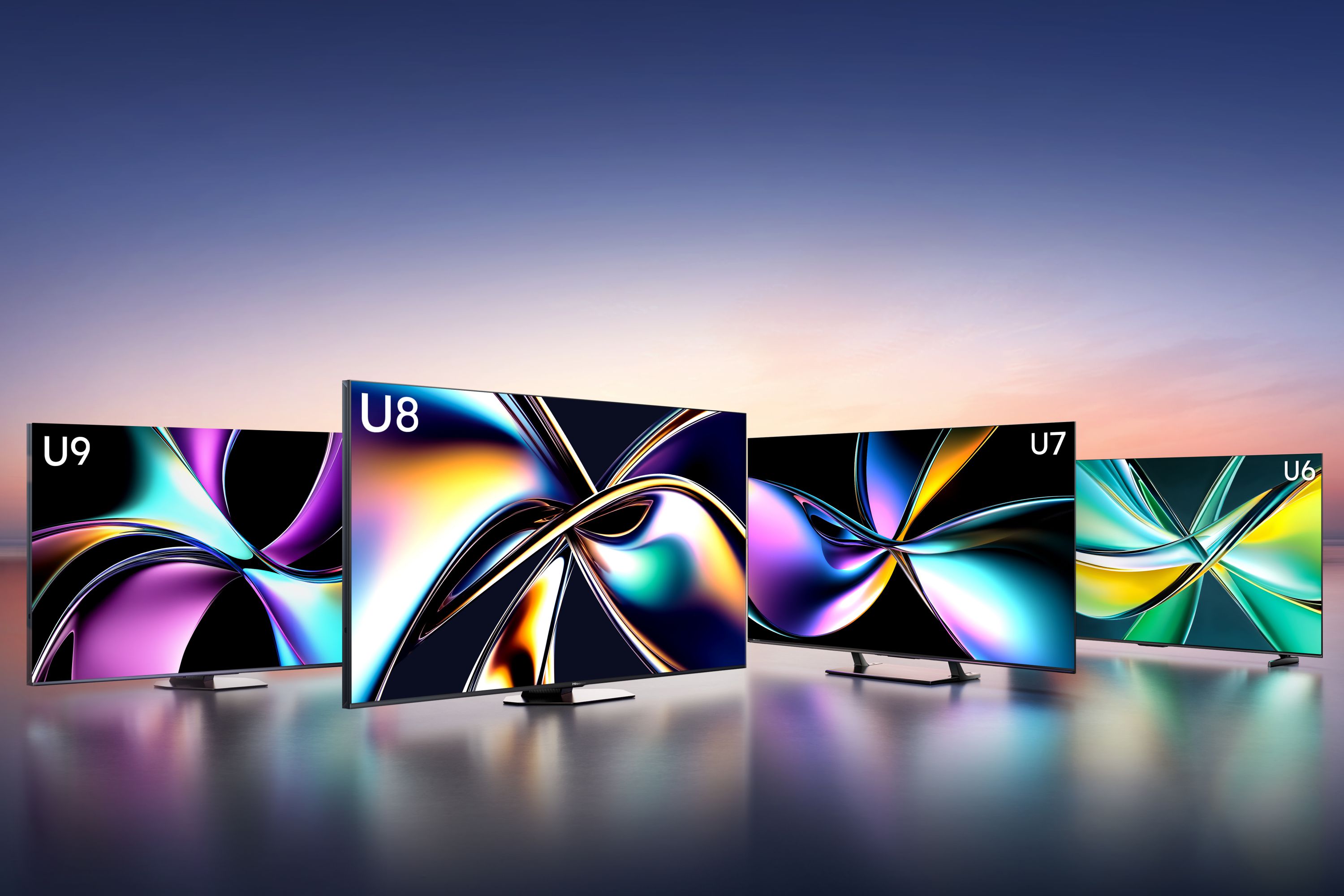
| Hisense U8N | Mini-LED | ~3,000 Nits | 2,000+ Zones | Vidaa/Google TV | High Value-to-Performance Ratio |
Gaming and Connectivity Standards in 2025
For gamers, 2025 was the year HDMI 2.1b became the standard across all four ports on premium TVs. This allowed for simultaneous connection of multiple high-bandwidth devices—such as a PlayStation 5, Xbox Series X, and a high-end PC—without having to swap cables to get features like Variable Refresh Rate (VRR) and Auto Low Latency Mode (ALLM).
Input lag reached an all-time low, with most flagship 2025 sets measuring under 10 milliseconds in "Game Mode." Furthermore, the rise of cloud gaming integration (via Xbox Cloud Gaming and NVIDIA GeForce NOW) meant that many users no longer required a console to play AAA titles, as the apps were built directly into the TV's operating system with support for Bluetooth controllers.
Factors to Consider Before Purchasing a 2025 Model
Choosing between the 2025 options requires an assessment of your specific viewing environment. Despite the "brightness wars," OLED remains the king of dark-room viewing. If you primarily watch movies at night or have a dedicated home theater, the infinite contrast of the LG G5 or Sony A95L (carried over/refined) is nearly impossible to beat.
However, if your TV is in a multi-purpose living room with daytime usage, Mini-LED is the more practical choice. The 2025 Mini-LED sets from Samsung and Sony can overcome glare that would wash out even the best OLED. Additionally, for those looking for massive screens (85 inches and above), Mini-LED offers much better value, as large-format OLED panels remain prohibitively expensive for the average consumer.
Frequently Asked Questions
Is OLED still better than Mini-LED in 2025?
OLED remains superior for perfect black levels and off-angle viewing, but Mini-LED has largely closed the gap in contrast while offering significantly higher peak brightness. The choice depends on room lighting; OLED is best for dark rooms, while Mini-LED excels in bright spaces.
Do 2025 TVs support 8K resolution?
While 8K models exist, such as Samsung’s QN900E, they remain a niche market in 2025. Most manufacturers and consumers have prioritized 4K with better HDR and higher refresh rates, as native 8K content remains scarce across streaming platforms and physical media.
What is the lifespan of a 2025 OLED TV?
Modern OLED panels are rated for approximately 100,000 hours of use. With the improved heat dissipation and AI-managed pixel cleaning cycles found in 2025 models, the risk of "burn-in" is negligible for normal viewing habits, though high-brightness static elements should still be monitored.
Are 2025 TVs compatible with older soundbars?
Yes, 2025 TVs maintain backward compatibility with older soundbars through optical audio and HDMI ARC/eARC. However, to utilize the latest spatial audio formats like Dolby Atmos or DTS:X at full uncompressed quality, an eARC-compatible soundbar is recommended.
How much should I spend on a 2025 65-inch TV?
In the 2025 market, a premium 65-inch OLED or high-end Mini-LED typically ranges from $1,800 to $2,600. Mid-range "value" flagships from brands like TCL or Hisense provide excellent performance in the $900 to $1,300 range.
Recommendation for Next Steps
If you are currently evaluating the 2025 TV lineup, your first action should be to determine your peak brightness requirement. Measure the light levels in your room during the time of day you watch TV most frequently. If you have significant glare, prioritize the Samsung S95E with its anti-reflective coating or the Sony Bravia 9 for its raw luminance. For those seeking the ultimate cinematic accuracy in a controlled lighting environment, the LG G5 remains the most technically balanced display. Always verify the number of HDMI 2.1 ports if you are a multi-console gamer, as some mid-range models still limit high-bandwidth support to only two of the four available ports.