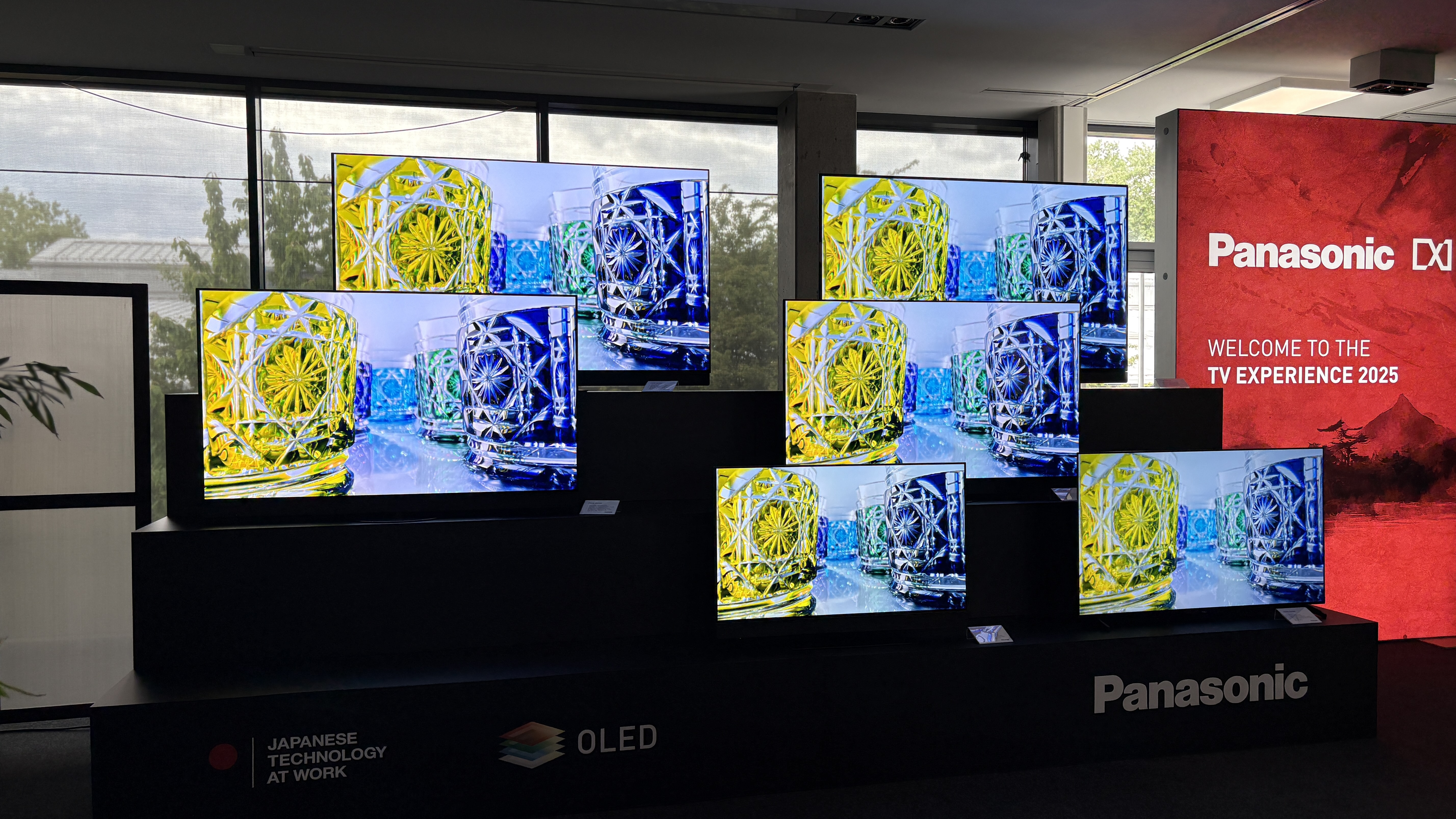
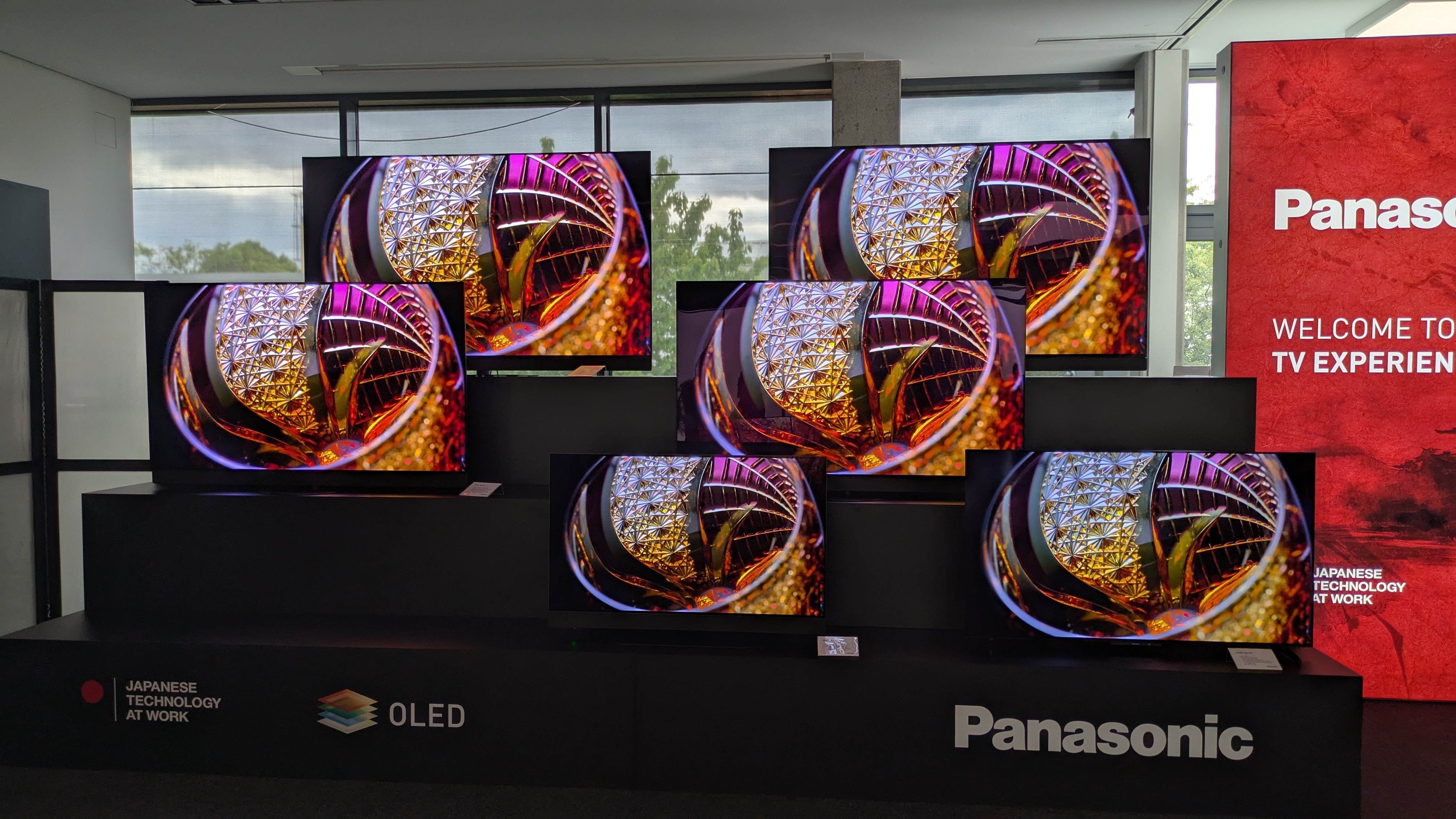
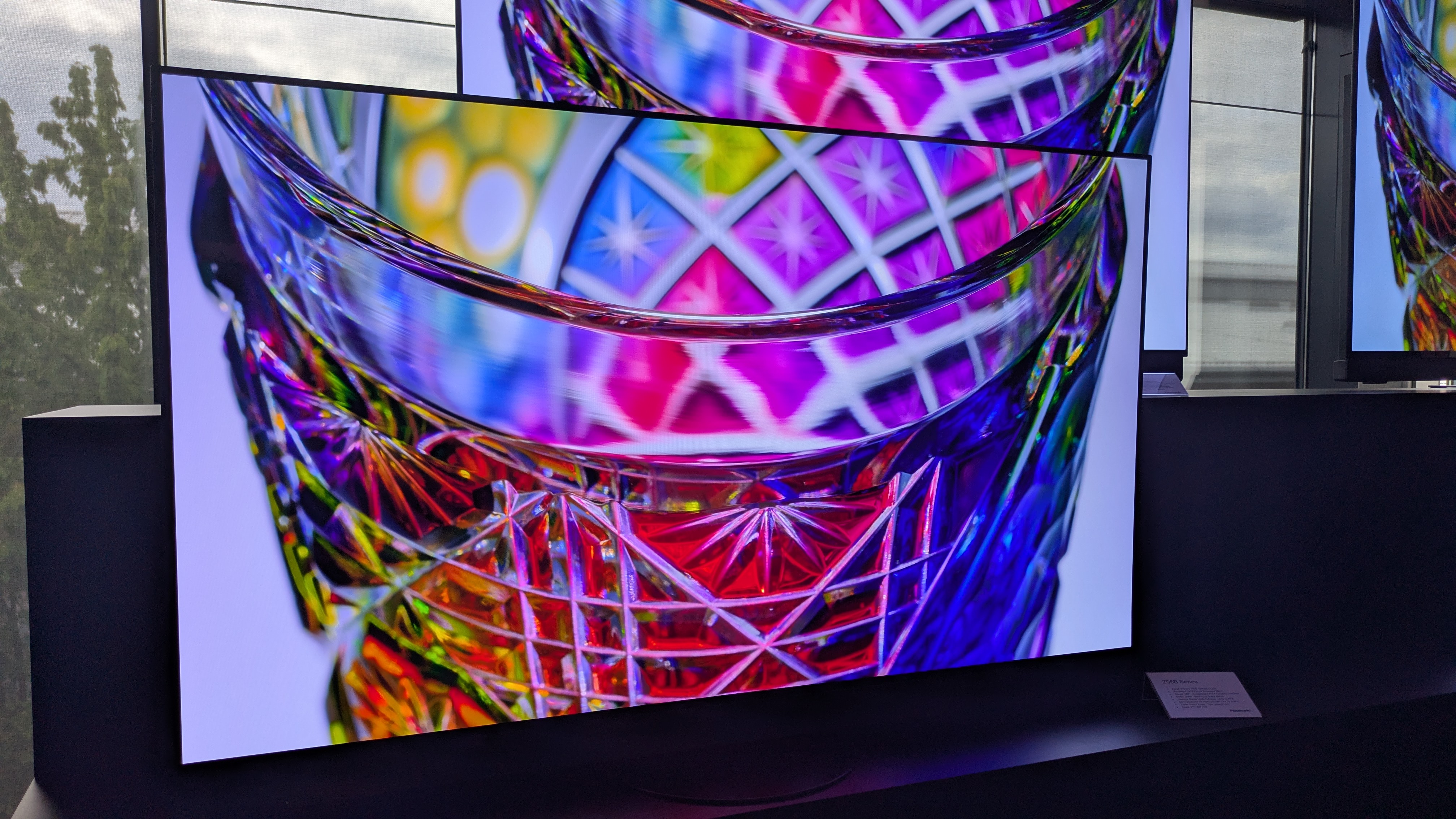
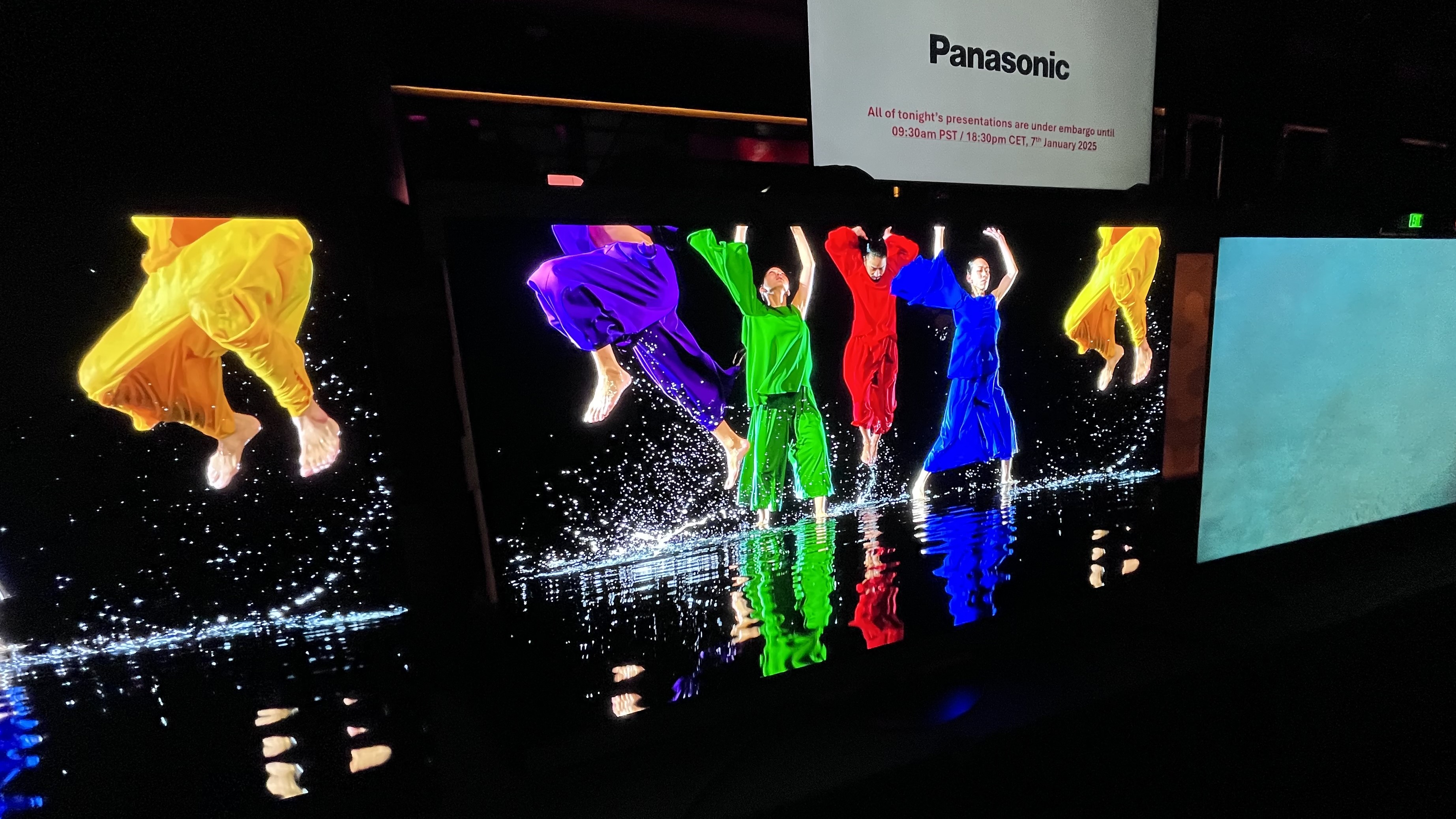
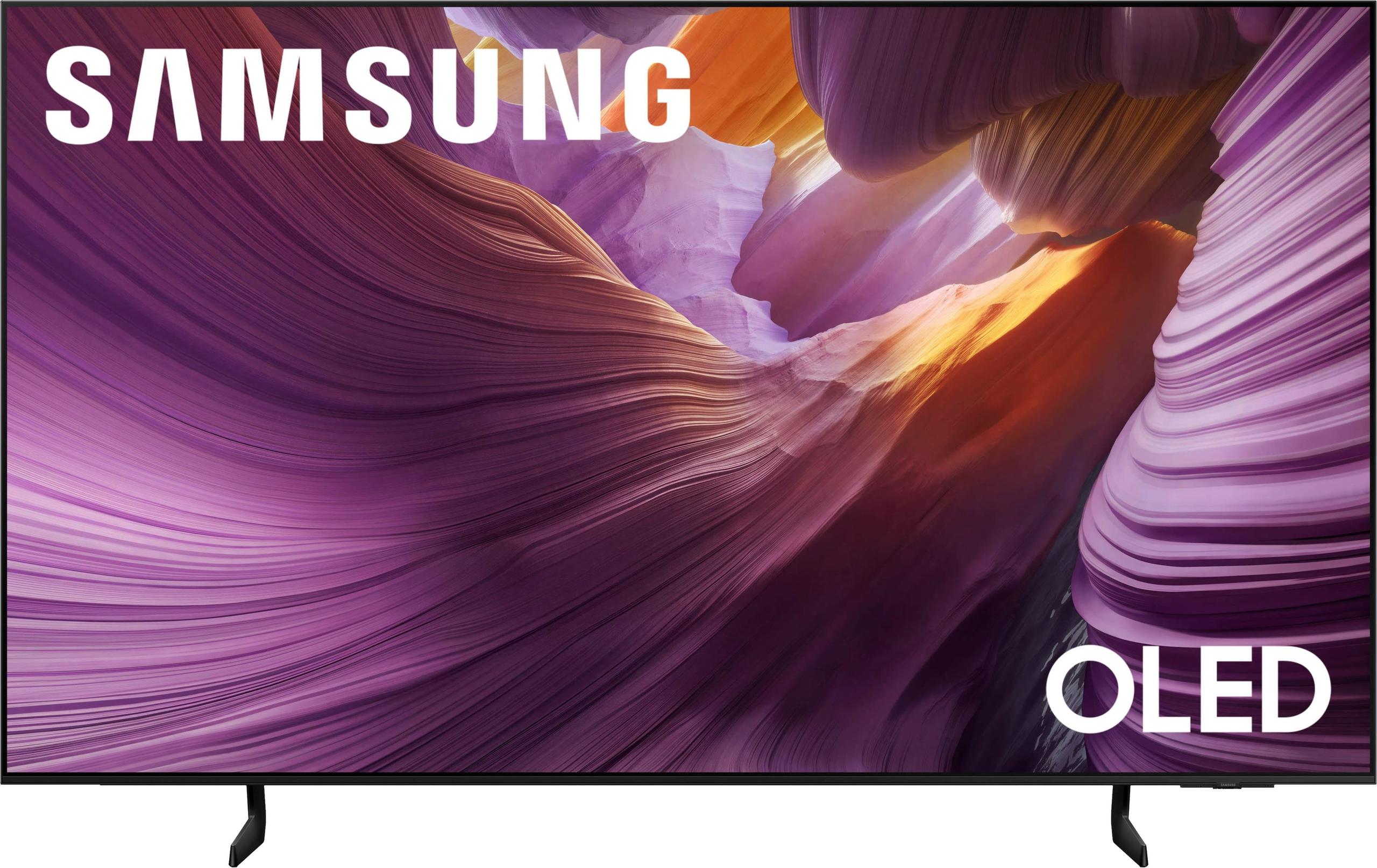
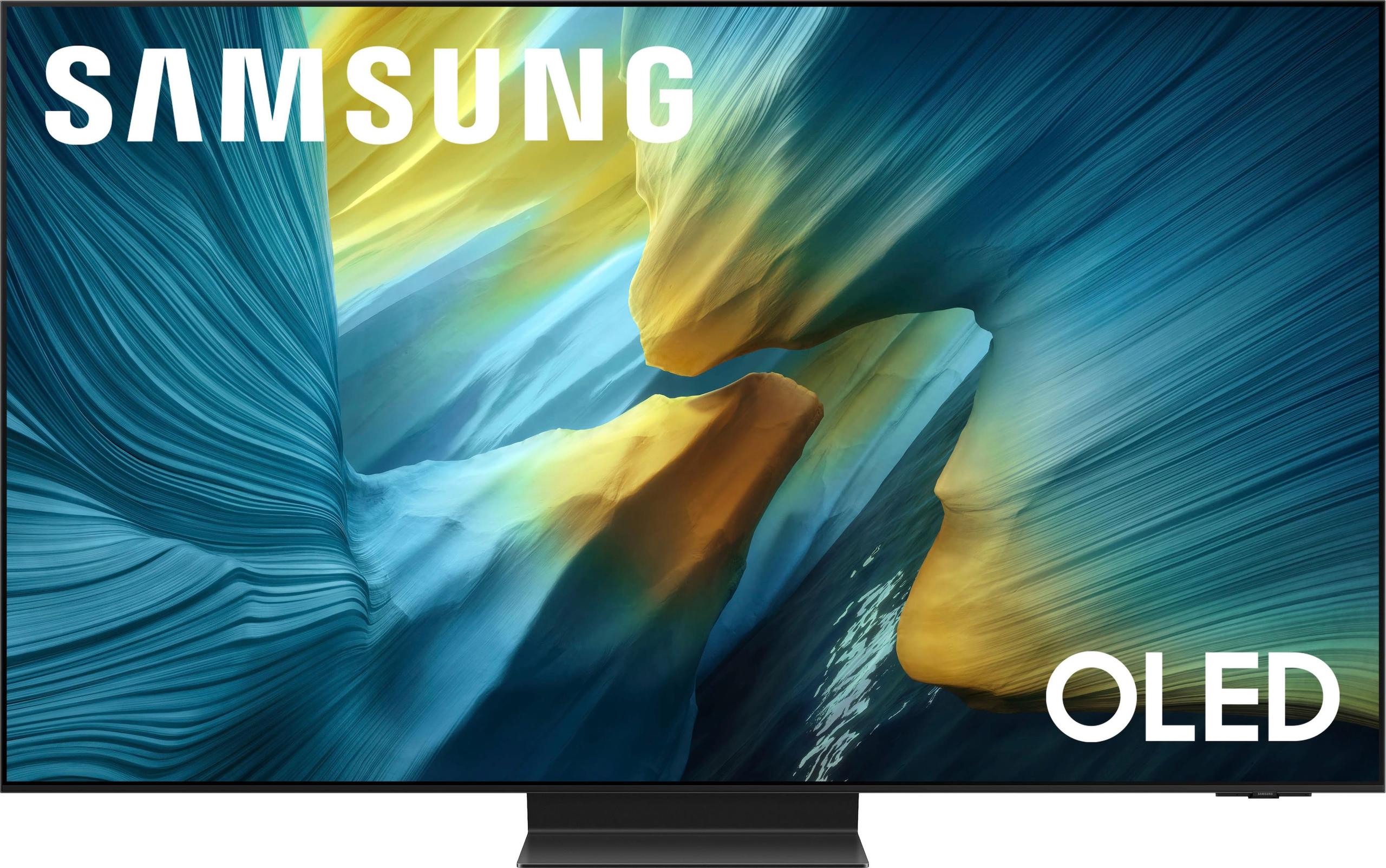
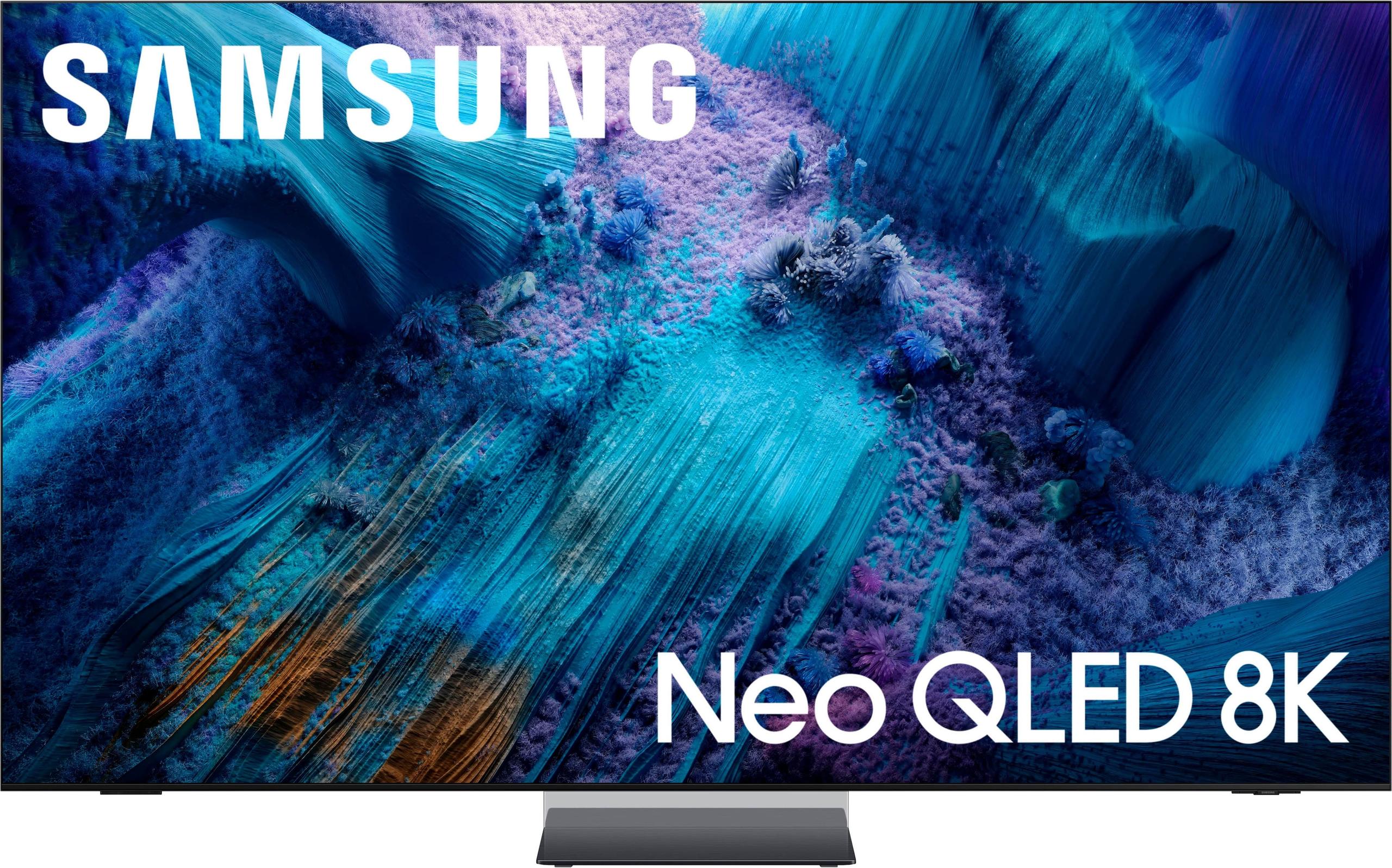
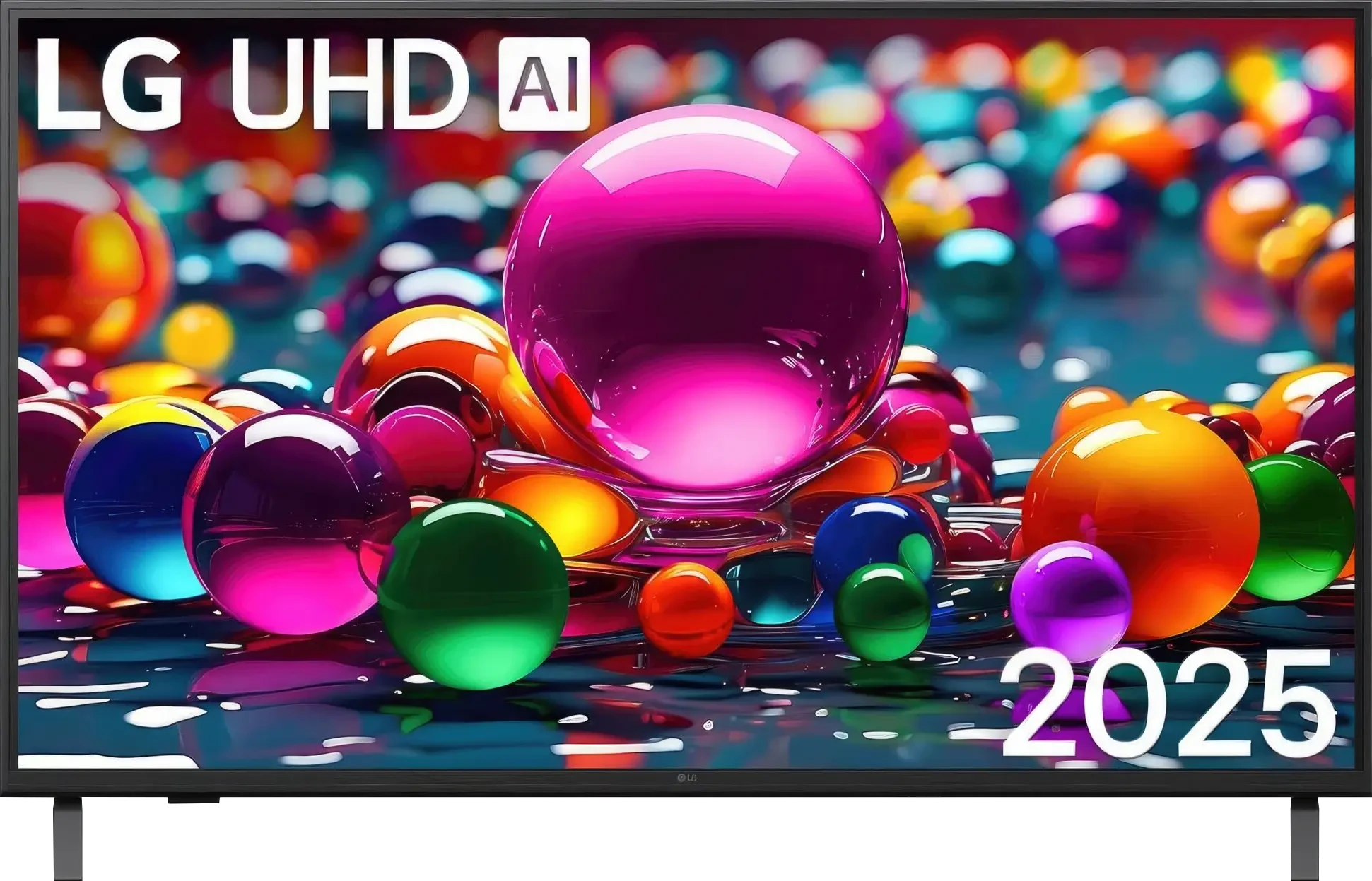
The 2025 television lineup represents a significant milestone in display technology, characterized by the maturation of Micro Lens Array (MLA) OLEDs, the rise of high-zone-count Mini-LEDs, and the integration of sophisticated AI processors. In the current 2026 market, these models remain premier choices, offering high-peak brightness and advanced smart home integration.
The television landscape of 2025 was defined by a fierce competition between self-emissive OLED technology and high-brightness Mini-LED systems. While previous years focused on incremental updates, 2025 saw a fundamental shift in how processing power is utilized, moving beyond simple upscaling to real-time generative image enhancement. For consumers in 2026, understanding the technical nuances of these 2025 models is essential for making an informed purchase, especially as these units often represent the best value-to-performance ratio currently available.
The Evolution of Panel Technology: OLED vs. Mini-LED in 2025
By 2025, the distinction between OLED (Organic Light Emitting Diode) and Mini-LED narrowed in terms of utility but deepened in terms of specialized application. OLED panels, particularly those utilizing third-generation MLA technology, reached brightness levels previously thought impossible for organic materials. These panels utilize billions of microscopic lenses to redirect light that was previously lost internally, allowing for peak brightness levels exceeding 3,000 nits in small highlights. This development effectively neutralized the primary historical criticism of OLED: that it was too dim for bright living rooms.
Conversely, Mini-LED technology in 2025 achieved new heights in "blooming" control. By increasing local dimming zones to over 5,000 in flagship models, manufacturers like Samsung and Sony managed to mimic the per-pixel contrast of OLED while maintaining the massive brightness advantages of LCD. This makes the 2025 Mini-LED televisions particularly well-suited for HDR10+ and Dolby Vision content that demands high sustained luminance, such as sports broadcasts or daylight-heavy cinematic scenes.
The choice between these two in 2026 often comes down to the viewing environment. If the primary use case is a dedicated home theater with controlled lighting, the 2025 OLED models provide unmatched black levels and pixel-perfect precision. For multi-purpose living rooms with significant ambient light, the 2025 Mini-LED flagships offer superior visibility and vibrant color volume that remains stable even under direct sunlight.
AI-Driven Processing and the NPU Revolution
One of the most significant leaps in 2025 televisions was the introduction of dedicated Neural Processing Units (NPUs) within the TV's silicon. Unlike the general-purpose processors of the early 2020s, these NPUs are designed specifically for machine learning tasks. This allows the television to analyze content frame-by-frame, identifying specific objects—such as faces, grass, or sky—and applying targeted enhancements rather than global filters.
In 2025, "AI Upscaling" evolved into "AI Super Resolution." This technology doesn't just sharpen edges; it references a vast internal database of textures to reconstruct missing detail in low-bitrate streaming content. This is particularly beneficial for 2026 viewers who still consume a significant amount of 1080p content from legacy streaming platforms. Furthermore, AI in 2025 models significantly improved motion handling. By predicting the trajectory of moving objects, these TVs can insert black frames or interpolate frames with far fewer "soap opera effect" artifacts than their predecessors.
Beyond visuals, AI processing in 2025 also transformed audio. "Object Tracking Sound" became standard in mid-to-high-end models, using the NPU to analyze the audio signal and synchronize it with the movement of objects on the screen. While not a replacement for a dedicated Atmos system, the 2025 generation of televisions provides a much wider and more accurate soundstage than older units.
Gaming Capabilities: Beyond 4K and 120Hz
For the gaming community, 2025 was the year that "Pro" console iterations and high-end PC GPUs pushed television hardware to its limits. Standard features for a 2025 television include at least two—and often four—HDMI 2.1b ports capable of 4K at 144Hz or even 240Hz in specialized "Gaming Modes." This makes these sets future-proof for the current 2026 gaming landscape.
Variable Refresh Rate (VRR) support became more robust in 2025, with widespread compatibility for NVIDIA G-Sync, AMD FreeSync Premium Pro, and the HDMI Forum VRR standard. This ensures that regardless of the source device, screen tearing is virtually eliminated. Additionally, 2025 models introduced "Auto Game Mode" refinements that not only reduce input lag to sub-5ms levels but also automatically adjust the HDR tone mapping based on the specific game’s metadata (HGiG).
A notable 2025 trend was the inclusion of dedicated "Game Bars" or "Game Dashboards." These on-screen overlays allow players to monitor frame rates, adjust black stabilizer settings, and toggle crosshairs without exiting their game. For those looking at 2025 televisions in 2026, these features represent a significant quality-of-life improvement for both competitive and casual gaming.
Comprehensive Comparison of 2025 Flagship Televisions
The following table compares the primary specifications of the three most dominant television series released in 2025. These models are frequently compared in the 2026 market due to their distinct technological approaches.
| Feature | LG G5 Series (OLED) | Samsung S95E (QD-OLED) | Sony Bravia 9 (2025 Mini-LED) |
|---|---|---|---|
| Panel Type | MLA-OLED (3rd Gen) | QD-OLED | High-Density Mini-LED |
| Peak Brightness | ~3,000 Nits | ~2,800 Nits | ~4,500 Nits |
| Dimming Zones | Per-pixel | Per-pixel | 5,000+ Zones |
| Processor | Alpha 11 AI Gen 2 | NQ4 AI Gen 3 | XR Processor (2025 Edition) |
| Gaming Support | 4K/144Hz, G-Sync | 4K/144Hz, FreeSync | 4K/120Hz (144Hz in Game Mode) |
| Smart Platform | webOS 25 | Tizen OS 2025 | Google TV |
| HDR Formats | Dolby Vision, HDR10, HLG | HDR10+, HDR10, HLG | Dolby Vision, HDR10, HLG |
Connectivity and the Smart Home Ecosystem
By 2025, the television had fully transitioned from a display device to a central smart home hub. This was facilitated by the universal adoption of the Matter protocol and Thread networking. 2025 televisions act as "Border Routers," allowing users to control their lights, thermostats, and security cameras directly from the TV interface without needing a separate bridge.
The 2025 smart platforms (webOS 25, Tizen, and Google TV) also prioritized user profiles and personalized discovery. In 2026, these systems have matured to provide highly accurate recommendations based on viewing habits across all installed apps. Furthermore, connectivity saw an upgrade with Wi-Fi 7 support in flagship 2025 models. This provides the bandwidth necessary for high-bitrate 8K streaming (where available) and reduces latency for cloud gaming services like Xbox Cloud Gaming and NVIDIA GeForce NOW.
For Apple users, 2025 televisions maintained strong support for AirPlay 2 and HomeKit, while Android users benefited from improved Chromecast integration. The inclusion of "Multi-View" features also reached a peak in 2025, allowing users to watch up to four different sources simultaneously—ideal for sports fans tracking multiple games or gamers following a walkthrough while playing.
Design Trends and Physical Form Factors
The physical design of 2025 televisions shifted toward a "Lifestyle" aesthetic. The goal was to minimize the "black box" effect when the TV is turned off. Many 2025 models feature ultra-slim profiles, often less than 20mm thick, allowing them to sit flush against the wall like a picture frame. This was made possible by offloading processing and ports to external boxes (like Samsung’s One Connect) or by utilizing high-efficiency internal components that require less cooling space.
Sustainability also became a core design pillar in 2025. Manufacturers increased the use of recycled plastics in chassis construction and eliminated traditional batteries in remote controls, opting instead for solar-powered or USB-C rechargeable units. Packaging was also redesigned to be plastic-free and often reusable, with some brands providing instructions on how to convert the cardboard box into small furniture or storage units.
Troubleshooting and Maintenance for 2025 Models
While 2025 televisions are highly reliable, their complexity can lead to specific technical hurdles. One common issue in 2026 for those who bought early 2025 models is firmware synchronization. Because these TVs rely heavily on AI and cloud-based features, ensuring the software is updated to the latest version is critical for performance.
- Panel Care (OLED): Despite improvements in organic materials, "burn-in" or permanent image retention remains a theoretical risk. 2025 OLEDs include automated "Pixel Cleaning" cycles. Users should ensure the TV is never unplugged from the wall after turning it off, as this prevents the TV from running these essential background maintenance tasks.
- HDMI Handshake Issues: With the high bandwidth requirements of 4K/144Hz, cable quality is often the culprit for flickering or signal loss. Using "Ultra High Speed" certified HDMI 2.1 cables is mandatory for 2025 flagships.
- Network Latency: If smart features or streaming apps are lagging, checking the Wi-Fi frequency is the first step. While 2025 TVs support Wi-Fi 7, they are backward compatible; however, using the 5GHz or 6GHz band is necessary to avoid the interference common on the 2.4GHz band.
FAQ: Common Questions About 2025 Televisions
Are 2025 televisions still a good purchase in 2026?
Yes, 2025 televisions are currently in their "sweet spot" for value. By 2026, these models have received several rounds of firmware updates that have stabilized their software and refined their AI processing. Additionally, they are often available at a significant discount compared to the newest 2026 releases while offering 90-95% of the same performance.
Do 2025 TVs support ATSC 3.0 (NextGen TV)?
Most mid-range and high-end 2025 televisions include an ATSC 3.0 tuner. This allows for the reception of over-the-air 4K broadcasts, improved audio via Dolby AC-4, and interactive features. However, it is always recommended to verify the specific model number, as some entry-level sets may still utilize the older ATSC 1.0 standard.
Is 8K worth it in a 2025 television?
In the 2026 context, 8K remains a niche luxury. While 2025 8K models feature incredible AI upscaling that makes 4K content look sharper, native 8K content is still scarce. Unless you are purchasing a screen larger than 75 inches—where the higher pixel density becomes more visible—a high-end 4K 2025 television (like an MLA-OLED) generally offers a better balance of brightness and contrast.
What is the expected lifespan of a 2025 OLED TV?
Modern 2025 OLEDs are rated for approximately 100,000 hours of use before reaching half-brightness. For the average viewer watching five hours a day, this equates to over 50 years. The primary concern is not the panel "dying," but rather the gradual shift in color accuracy or the failure of internal logic boards, both of which are well-covered by standard warranties in the 2026 market.
How do I enable the 144Hz mode on a 2025 TV?
To achieve 144Hz, you must use a compatible PC with a modern GPU and a certified HDMI 2.1 cable. On the television, you usually need to navigate to the "Game Optimizer" or "Game Mode" settings and ensure "High Frame Rate" or "Extended Input" is toggled on. Consoles like the PS5 and Xbox Series X are currently limited to 120Hz, so the 144Hz feature is primarily for PC gamers.
Selecting the Right 2025 Television Today
When choosing a 2025 television in 2026, prioritize the viewing environment and the specific types of media consumed. If your priority is cinematic immersion and you have a darkened room, the LG G5 or Samsung S95E provide the best-in-class contrast. If you are a sports enthusiast or have a bright, sunlit living room, the high-nit output and superior motion handling of the Sony Bravia 9 (2025) or the Samsung QN90E (Mini-LED) will be more effective.
Always verify the number of HDMI 2.1 ports if you plan to connect multiple consoles and a soundbar (via eARC), as some 2025 mid-range models still limit these high-bandwidth ports to only two. Finally, consider the smart platform; while all are capable, webOS and Google TV tend to have the widest app support in 2026, ensuring your favorite streaming services remain compatible for years to come.