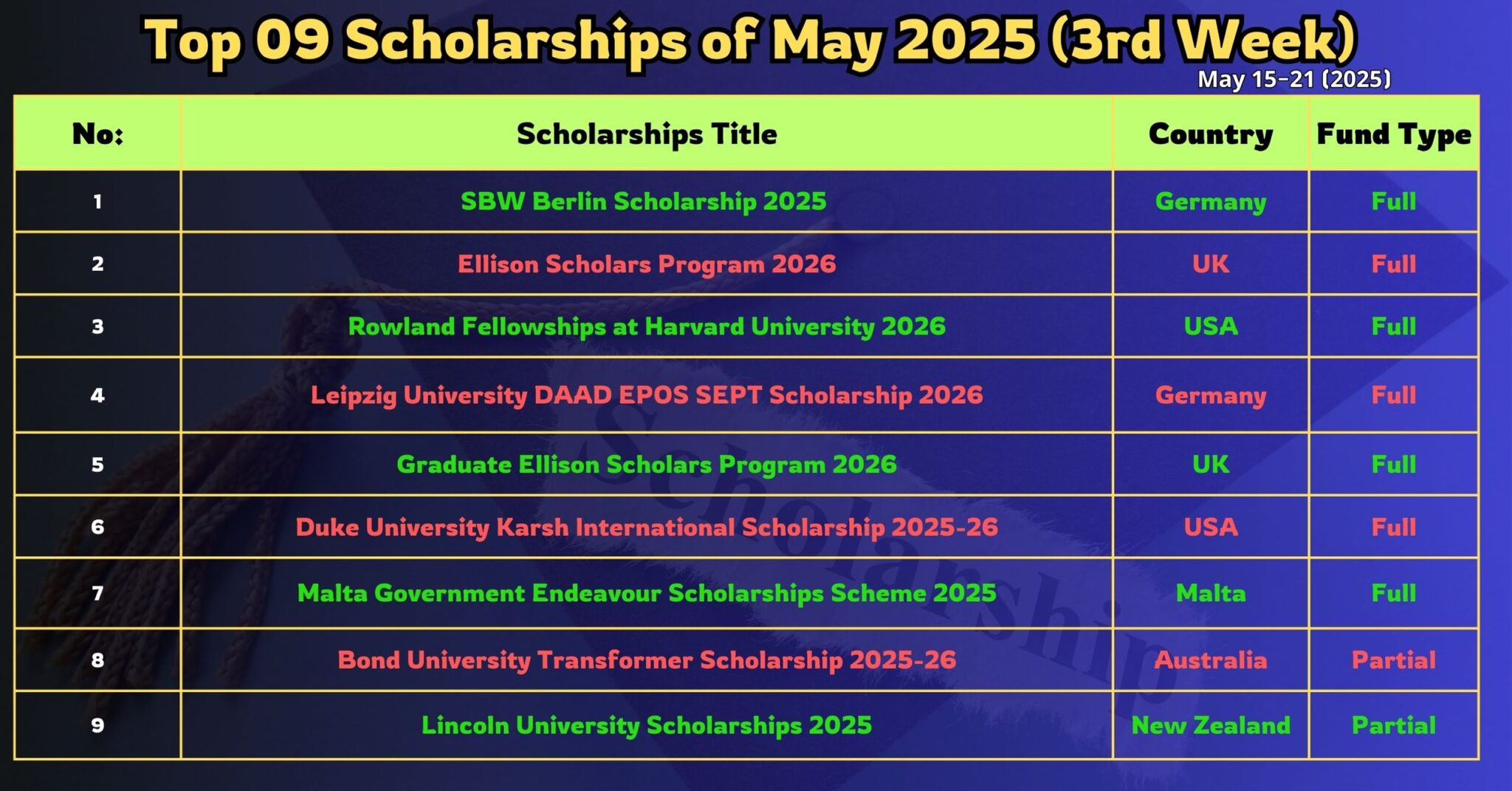
The 2025 scholarship cycle primarily facilitates funding for the 2025–2026 academic year, with most national and high-value application windows having closed between October 2024 and May 2025. In the current 2026 calendar year, students are largely in the disbursement phase of these awards, though rolling institutional grants and late-stage private scholarships for the final 2025–2026 terms remain accessible for eligible applicants.
Understanding the 2025 Scholarship Cycle Landscape
The 2025 scholarship environment was defined by significant shifts in federal aid processing and a continued move toward holistic evaluation. For students navigating the 2025–2026 academic year, scholarships represent more than just tuition coverage; they are a critical component of a diversified financial plan that includes grants, work-study, and federal loans. Because the 2025 cycle coincided with the ongoing refinements of the "Better FAFSA" (Free Application for Federal Student Aid) initiative, the timeline for many institutional awards shifted later than in previous years, creating a unique window of opportunity that extended well into the mid-2025 period.
Scholarships for this cycle generally fall into three broad categories: merit-based, need-based, and student-specific (niche) awards. Merit-based scholarships focus on academic excellence, leadership, and extracurricular achievements, often requiring a high GPA or standardized test scores. Need-based scholarships are determined by the applicant's financial situation, largely dictated by the Student Aid Index (SAI) generated from FAFSA or CSS Profile data. Niche scholarships target specific demographics, such as first-generation college students, specific ethnic backgrounds, or residents of particular geographic regions.
As of early 2026, the focus for many students has shifted from initial application to the maintenance of these awards. Maintaining a specific GPA, completing a set number of credit hours, and adhering to university codes of conduct are standard requirements for the 2025–2026 funding to remain active. Failure to meet these criteria can lead to the "clawback" of funds or the loss of eligibility for subsequent years.
Primary Categories of Financial Aid for 2025–2026
To effectively manage or pursue 2025 scholarship funds, it is essential to distinguish between the various sourcing entities. Each entity has different compliance standards and renewal protocols that affect the 2025–2026 academic experience.
Federal and State-Funded Grants
While often categorized separately from private scholarships, federal and state grants function similarly as "gift aid." For 2025, the Federal Pell Grant remained the cornerstone of undergraduate support. State-specific programs, such as the Cal Grant in California or the HOPE Scholarship in Georgia, provided substantial coverage for residents attending in-state institutions. These programs often require annual re-verification through the FAFSA, making the early 2026 window critical for students hoping to extend their 2025 funding into the next cycle.
Institutional Scholarships
These are funds provided directly by the college or university. For the 2025 cycle, many institutions increased their "discount rate"—the percentage of tuition covered by institutional aid—to remain competitive. These awards are often divided into "automatic" merit scholarships, which are awarded upon admission, and "competitive" scholarships, which require separate applications, interviews, or portfolios.
Private and Foundation Awards
Private scholarships are offered by organizations like the Coca-Cola Scholars Foundation, the Gates Foundation, or local community foundations. These were among the most competitive opportunities for the 2025 cycle. Because these funds are external to the university, students must coordinate with their school’s financial aid office to ensure the "over-award" policy is not triggered. If a student receives enough private funding to exceed their "Cost of Attendance" (COA), the university may reduce other forms of aid, such as subsidized loans or work-study.
Essential Eligibility and Documentation Standards
The 2025 scholarship cycle emphasized rigorous documentation to combat the rise of AI-generated application materials. Selection committees increasingly relied on verified transcripts, official letters of recommendation, and specific financial documents to validate applicant claims.
Academic Prerequisites
For most 2025 merit awards, a cumulative GPA of 3.5 or higher on a 4.0 scale was the standard threshold. However, many "test-optional" policies that began in earlier years continued through 2025, placing greater weight on the rigor of the high school or undergraduate curriculum. Students were expected to demonstrate consistency across their academic records, with particular attention paid to "grade trends"—an improvement in performance over time.
Financial Verification
The transition from the Expected Family Contribution (EFC) to the Student Aid Index (SAI) was fully integrated into the 2025–2026 cycle. Applicants were required to submit the FAFSA, and in many cases, the CSS Profile for private institutional aid. Documentation often included:
- Tax Returns: Typically from two years prior (the "prior-prior" year rule).
- W-2 Statements: To verify earned income for both students and parents.
- Asset Statements: Including savings, investments, and business equity.
Personal Statements and Portfolios
The 2025 cycle saw a move toward specific, prompt-based essays designed to elicit personal narratives that cannot be easily replicated by software. For creative or technical fields, portfolios or GitHub repositories were frequently required. These elements allow committees to assess the "fit" of the student within the organization’s mission, whether that be community service, innovation, or leadership in a specific trade.
Comparison of Major 2025–2026 Scholarship Programs
The following table outlines several high-impact scholarship programs that were active for the 2025–2026 academic cycle. While many of these specific deadlines have passed, they represent the types of opportunities students utilized for this period.
| Program Name | Award Amount | Key Requirement | Typical Deadline |
|---|---|---|---|
| Coca-Cola Scholars | $20,000 | Leadership & Service | October 2024 |
| Gates Scholarship | Full Cost of Attendance | Minority / Low-Income | September 2024 |
| Jack Kent Cooke | Up to $55,000/year | Exceptional Merit | November 2024 |
| National Merit | $2,500 + Institutional | PSAT/NMSQT Scores | October 2024 |
| Fulbright Program | Varies by Country | Post-Grad Research | October 2024 |
| Local Community Fdns | $500 – $5,000 | Geographic Residency | March – May 2025 |
Financial Management and Tax Implications of 2025 Awards
Once a student secures a 2025 scholarship, the responsibility shifts to financial management. It is a common misconception that all scholarship money is tax-free. According to the IRS, scholarship funds used for "qualified education expenses"—such as tuition, fees, books, and required equipment—are generally excludable from gross income.
However, any portion of a 2025 scholarship used for "non-qualified expenses" is considered taxable income. This includes:
- Room and Board: Charges for housing and meal plans.
- Travel and Research: Unless specifically required for a course.
- Equipment: Laptops or tools that are not explicitly listed as "required" in the course syllabus.
As students move through the 2026 tax year, they must keep meticulous records of their spending. Universities issue Form 1098-T, which reports the amount of tuition paid and the total scholarships or grants received. If the scholarship amount exceeds the qualified tuition and fees, the student may owe taxes on the difference. It is advisable to consult a tax professional or use IRS Publication 970 (Tax Benefits for Education) to ensure compliance.
Common Pitfalls and Rejection Analysis
Analyzing why 2025 scholarship applications were unsuccessful can provide vital insights for those seeking late-stage funding or preparing for future cycles. One of the most frequent errors in 2025 was the "generic application" approach. As competition increased, committees became adept at identifying essays that were recycled across multiple platforms without being tailored to the specific organization’s values.
Missed Deadlines and Incomplete Files
In the 2025 cycle, "deadline" often meant the time by which every component—including third-party letters of recommendation—had to be received. Many students failed because their high school counselors or teachers did not submit letters on time. Furthermore, failing to check the "Student Aid Report" (SAR) for errors after submitting the FAFSA led to many students being disqualified from need-based 2025 awards due to "unverified" financial status.
Over-Reliance on Merit Without Financial Context
Some students with high GPAs ignored need-based applications, assuming their academic standing would carry them. Conversely, some low-income students ignored merit-based opportunities, believing they were only for "top-tier" scholars. In 2025, the most successful applicants were those who applied "horizontally," seeking a mix of small local awards and large national ones to cover the gaps that federal aid inevitably leaves.
Failure to Follow Instructions
Whether it was exceeding the word count on an essay or failing to provide a transcript in the requested PDF format, technical non-compliance was a major cause for rejection in 2025. In a digital-first application environment, automated systems often filtered out non-compliant files before a human reviewer even saw them.
Frequently Asked Questions
Can I still apply for 2025 scholarships in 2026?
Yes, but the options are more limited. While major national and university-wide scholarships have already been awarded for the 2025–2026 year, many local organizations, professional associations, and departmental grants within universities have rolling deadlines or "second-half" awards for the spring 2026 semester. Check with your academic advisor and local community foundations for "emergency" or "mid-year" scholarship opportunities.
How do I renew my 2025 scholarship for the next academic year?
Most multi-year scholarships require a renewal application or a verification of status. You typically need to maintain a minimum GPA (often 3.0 or higher) and submit a copy of your current transcript to the awarding body. If the scholarship was need-based, you must also file a new FAFSA for the 2026–2027 year to prove continued financial necessity.
What happens to my 2025 scholarship if I transfer schools?
Scholarships are rarely "portable." Institutional scholarships are tied specifically to the school that issued them and will be forfeited if you transfer. However, private scholarships (from foundations or corporations) may be transferable. You must contact the scholarship provider directly to update your enrollment information and ensure the funds are sent to your new institution’s financial aid office.
Why was my scholarship amount reduced by my college?
This is usually due to "Scholarship Displacement." Federal law requires colleges to ensure a student’s total financial aid does not exceed their calculated need or the total cost of attendance. If a new private scholarship is added to your package, the school may reduce your institutional grant or your subsidized loan amount to keep you within the legal limits. Always ask your financial aid office for their specific displacement policy.
Is the FAFSA required for 2025 private scholarships?
Many private scholarship committees use the FAFSA’s Student Aid Index (SAI) to verify financial need, even if the scholarship isn't a government program. Even for merit-based awards, some organizations require the FAFSA to ensure they are helping students who have the greatest gap between their resources and the cost of tuition. It is always best to complete the FAFSA to maximize your eligibility.
Securing Remaining 2025 Funds and Preparing for the Future
If you are currently enrolled in the 2025–2026 academic year and find yourself with a funding gap in early 2026, your first action should be to visit your university's "Financial Aid Appeals" office. Many institutions hold back a small percentage of 2025 scholarship funds for "Professional Judgment" cases—situations where a family’s financial circumstances have changed due to medical issues, job loss, or other emergencies since the original FAFSA was filed.
Additionally, use this time to audit your current scholarship requirements. Ensure that your credit load for the spring 2026 semester meets the "Full-Time Status" definition required by your providers. Finally, begin the transition to the 2026–2027 cycle by updating your resume and personal statements. The experience gained during the 2025 application process is your best asset for securing future funding and minimizing student debt.