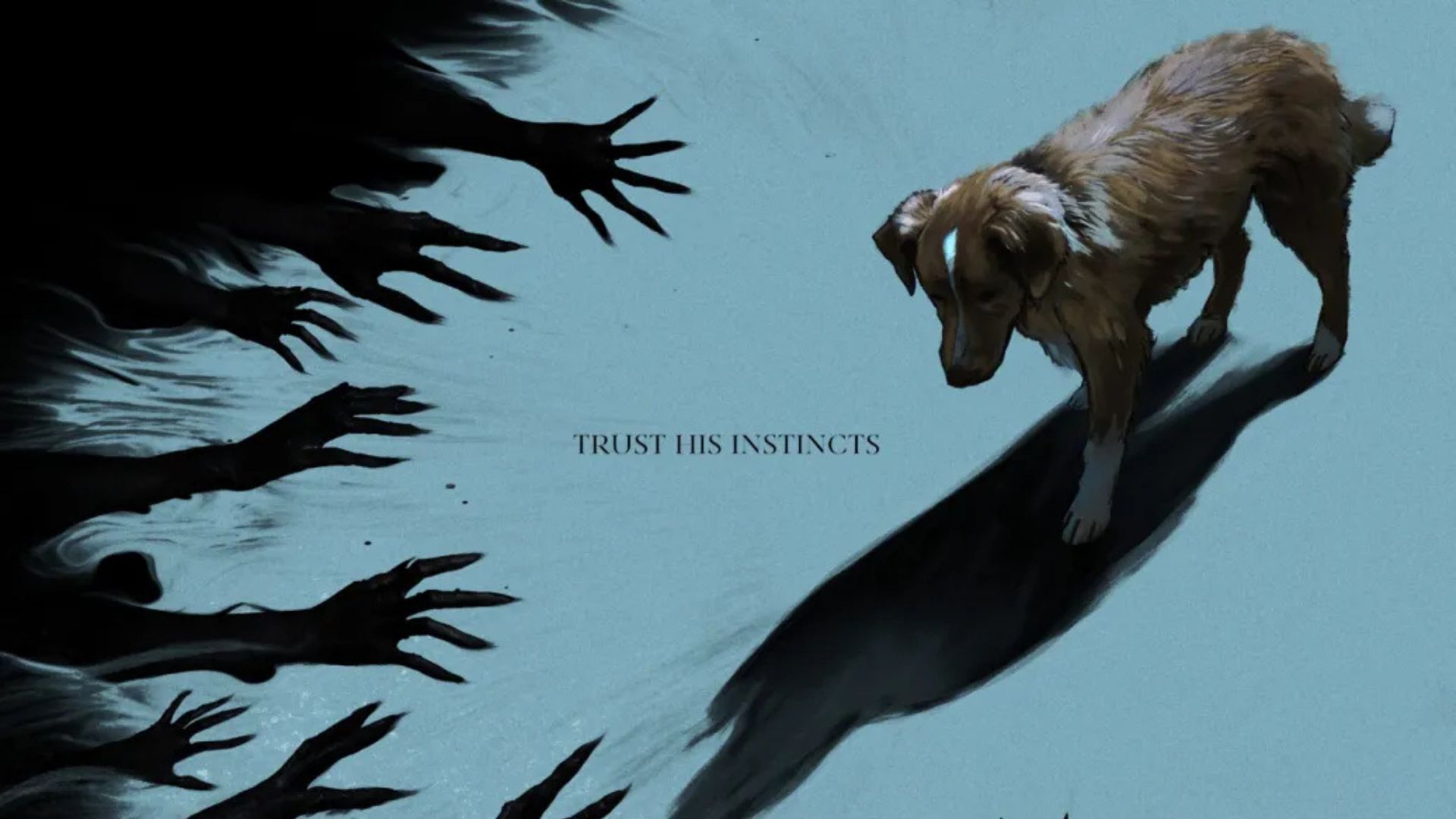
Canine-centric horror films combine domestic familiarity with supernatural or mortal dread, using dogs as loyal protectors, tragic victims, or unexpected sources of terror. While "Fright Furred Tales" serves as a popular catch-all term for pet-focused horror cinema in 2025, finding the best horror movies featuring dogs requires examining both recent releases and genre-defining classics across streaming platforms and theatrical distributions.
Defining the Canine Horror Subgenre: Search Intent and Title Clarification
Searching for "2025's Fright Furred Tales" often leads viewers down two distinct paths. First, the phrase represents an umbrella search term used by horror enthusiasts to describe the recent wave of animal-centric terror films, pet-pov thrillers, and creature features published or streamed in recent years. Second, it highlights an ongoing trend in independent cinema where dogs transition from peripheral background elements to core narrative anchors.
Historically, domestic animals in horror cinema served primarily as early warning systems. A barking dog outside a shadowed window signals an invisible entity long before human characters register the danger. However, modern horror storytelling has shifted this dynamic significantly. Contemporary cinema treats dogs as complex narrative components—sometimes as the heroic shield protecting a family from demonic intrusion, sometimes as the tragic vector of a bio-engineered virus, and occasionally as psychological symbols of domestic decay.
When evaluating films within this subgenre, audiences generally seek specific assurances: clear genre categorization (supernatural, slasher, creature feature, or psychological thriller), an understanding of the animal's role in the plot, and transparency regarding animal welfare both on-screen and during production. Understanding these distinctions helps viewers navigate the growing catalog of pet-focused horror.
Key Standouts: Modern Horror Movies Featuring Dogs
Recent cinema has delivered several notable entries that put canines at the center of atmospheric suspense. These films range from high-concept psychological thrillers to survival horror where the bond between human and dog dictates who lives and who dies.
| Role | Description |
|---|---|
| 1. THE PROTECTOR | Defends handler against evil |
| 2. THE HARBINGER | Senses supernatural presence |
| 3. THE VICTIM/TARGET | Triggers emotional stakes |
| 4. THE ANTAGONIST | Transformed by virus/rabies |
Good Boy (Psychological Terror & Domestic Dread)
While released internationally shortly before the recent wave, Good Boy remains one of the most discussed entries in pet-adjacent horror. The film subverts the traditional domestic pet dynamic by introducing a psychological thriller element where human behavioral boundaries dissolve. It stands out for its oppressive atmosphere and uncomfortable exploration of loyalty and control, making it a frequent point of comparison for modern pet-focused fright films.
Prey (Survival Horror and Heroic Companionship)
In the realm of action-horror, the survival thriller Prey brought one of the most celebrated canine performances in modern cinema through Sarii, the American Dingo hybrid companion to the lead protagonist. Unlike films that use dogs merely to generate cheap jump scares or sudden tragedy, Prey integrates the dog directly into combat tactics, survival strategy, and emotional storytelling, setting a benchmark for how animal companions should be written in high-stakes creature features.
The Beast Within & Modern Indie Anthologies
Indie filmmakers have increasingly turned to short-form anthology projects—often discussed under colloquial banners like "Fright-Furred Tales"—to explore horror from an animal's perspective. These projects utilize limited perspective shots, low-angle camera work, and heightened sound design to place the audience directly in the sensory world of a domestic pet encountering unnatural forces.
Classic Foundations: The Evolution of Dog-Led Horror
To fully appreciate current horror movies featuring dogs, one must look at the foundational works that established the tropes, technical challenges, and narrative structures used today.
Cujo (1983): The Definitive Rabid Terror
Adapted from Stephen King’s novel, Cujo remains the benchmark for animal-driven horror. Directed by Lewis Teague, the film portrays a gentle St. Bernard transformed into an unstoppable predator after contracting rabies. What makes Cujo enduringly effective is the tragedy underlying the horror: the dog is not inherently evil, but rather an innocent victim of a horrific disease. The production relied heavily on real animal training, clever prop suits, and camera positioning, avoiding mechanical effects wherever possible to preserve realism.
Bad Moon (1996): The Loyal Werewolf Hunter
Bad Moon reverses the threat dynamic by positioning a German Shepherd named Thor as the sole defender of a family against a werewolf living in their backyard. The film is unique because the dog serves as the central protagonist. Thor recognizes the monster masked in human skin long before the human family members do, creating intense dramatic irony as the dog fights to protect his owners despite being framed as hostile.
The Thing (1982): Shapeshifting Infiltration
John Carpenter’s The Thing features one of the most terrifying canine sequences in cinematic history. The film's opening act relies entirely on a Norwegian Elkhound (played by a dog-wolf hybrid named Jed) that carries the alien organism into an Antarctic research station. Jed’s eerily calm demeanor and non-canine movements build tension long before the iconic kennel transformation scene takes place, demonstrating how subtle animal acting can elevate body horror.
Comparative Guide to Notable Horror Movies Featuring Dogs
The following comparison table highlights key entries across the canine horror subgenre, detailing the primary role of the dog, the subgenre focus, and the narrative tone.
| Film Title | Primary Canine Role | Subgenre Focus | Narrative Tone | Key Viewer Consideration |
|---|---|---|---|---|
| Cujo (1983) | Antagonist (Infected) | Survival / Creature | Oppressive & Realistic | High intensity; realistic animal distress themes |
| Bad Moon (1996) | Heroic Protagonist | Werewolf / Creature | Suspenseful & Action-Oriented | Dog acts as primary protector against evil |
| The Thing (1982) | Alien Host Vector | Sci-Fi / Body Horror | Paranoid & Visceral | Graphic practical effects in kennel scene |
| Prey (2022) | Companion & Tactical Ally | Historical Sci-Fi Action | Tense & Triumphant | Dog survives and actively participates in survival |
| Baxter (1989) | Dark Protagonist | Black Comedy / Psychological | Cold & Philosophical | Subversive narrative from a sociopathic dog's POV |
| Man's Best Friend (1993) | Genetically Engineered Weapon | Sci-Fi Slasher | Campy & Suspenseful | Features bio-enhanced canine abilities |
Narrative Tropes: How Horror Cinema Uses Canines
Understanding how screenwriters utilize dogs allows viewers to anticipate narrative turns and emotional beats in horror storytelling. Canines generally fulfill one of four core narrative functions:
- The Sixth Sense Harbinger: Dogs possess auditory and olfactory capabilities far exceeding human senses. Directors frequently use a dog staring intensely at an empty corner, growling at an invisible presence, or refusing to enter a specific room to signal supernatural danger before visual evidence appears.
- The Emotional Anchor: In survival horror, a pet gives human protagonists something concrete to protect beyond themselves. This dynamic increases suspense, as audiences naturally feel heightened empathy for vulnerable animals during chaotic events.
- The Corrupted Companion: In infection, curse, or bio-weapon narratives, turning a beloved domestic pet into an adversary creates deep psychological discomfort. The tension arises from the human character's reluctance to defend themselves against a creature they love.
- The Unsung Defender: Films like Bad Moon exploit the fact that animals cannot speak human language. The dog discovers the threat early but faces the frustration of being ignored, locked away, or misunderstood by its owners while trying to save them.
Animal Welfare and Safety Standards in Modern Film Production
When discussing movies centered around animals in perilous situations, film safety standards are a primary concern for modern audiences. Today's productions adhere to strict regulatory oversight to ensure no animals are harmed or distressed during filming.
The American Humane Association monitors sets to enforce the "No Animals Were Harmed" certification. Modern horror productions utilize several techniques to depict terrifying situations without subjecting live dogs to stress:
- Positive Reinforcement Training: Complex behaviors (such as snarling, barking on command, or backing away) are taught using treats and play-based cues rather than fear or aggression.
- CGI and Animatronic Doubles: Dangerous stunts, violent physical encounters, or severe transformations are executed using digital effects or mechanical puppets.
- Separated Filming Elements: Threatening elements (such as actors in monster suits or sharp props) are frequently filmed separately from the animal actors and combined during post-production editing.
- Sensory Protection: Sound levels on set are controlled, and loud sound effects (growls, explosions, screams) are added in sound mixing rather than played live near the dogs.
How to Curate Your Dog-Focused Horror Night
When selecting a canine horror movie for your next viewing session, consider these practical evaluation steps:
- Identify Your Subgenre Preference: Decide whether you want a heroic pet story (Prey, Bad Moon), a creature feature (Cujo), or psychological dread (Baxter).
- Check Content Sensitivity Platforms: If pet safety is a primary concern, consult dedicated crowd-sourced safety databases prior to watching to verify whether the animal companion survives the narrative.
- Evaluate Practical vs. Digital Effects: Classic cinema fans may prefer the real animal performance work of 1980s films, whereas viewers seeking modern visual fidelity may lean toward contemporary releases using hybrid CGI techniques.
- Verify Streaming Accessibility: Check official film registry platforms and major streaming aggregators to locate licensed distribution streams for indie anthologies and classic titles.
Frequently Asked Questions
Is "Fright Furred Tales" an official standalone film released in 2025?
No single major studio film was officially released under the title Fright Furred Tales in 2025. The phrase is widely used as an online search descriptor and umbrella term for canine-centered horror films, pet-focused indie anthologies, and animal creature features published around this timeframe.
What is considered the best horror movie featuring a heroic dog?
Bad Moon (1996) and Prey (2022) are widely considered two of the finest examples of horror films featuring heroic dogs. In both movies, the canine characters act as intelligent, brave allies who actively fight against supernatural or alien threats to protect their human companions.
Why do horror movies so frequently feature dogs barking at empty spaces?
Screenwriters and directors use dog reactions to establish supernatural threats grounded in real-world animal behavior. Because canines have far superior hearing and sense of smell compared to humans, an anxious dog provides a plausible narrative reason for characters to suspect an unseen presence before any physical visual manifestation occurs.
How can viewers verify if a dog survives in a horror movie before watching?
Viewers can use online media safety databases and crowd-sourced trigger sites that track animal outcomes in films. These platforms provide non-spoiler or full-spoiler confirmations detailing whether a pet experiences harm or survives to the final credits.
Are live dogs still used in modern horror movie productions?
Yes, live dogs are still used, but their work is heavily augmented by modern visual effects. Film productions employ trained animal actors for calm or basic behavioral shots while relying on computer-generated imagery (CGI), prop stand-ins, and digital compositing for scenes involving violence, high action, or physical distress.
Final Recommendation for Viewers
To get the most out of canine-centered horror cinema, tailor your watchlist to your specific tolerance for suspense and animal peril. If you favor high-octane survival stories where the dog is a resilient hero, start with modern entries like Prey. If you prefer historical practical effects and intense creature features, classic films like Cujo and Bad Moon remain essential viewing. Always verify content warnings if animal harm is a sensitive topic for your household, and use official streaming services to ensure access to high-quality transfers and director cuts.