Modern cruise ship sanitation is rigorously evaluated by public health agencies to ensure safe, hygienic environments for millions of passengers annually. Based on official inspection data from the Centers for Disease Control and Prevention Vessel Sanitation Program, numerous ships achieved perfect 100 scores in recent annual evaluation cycles. Knowing which vessels consistently maintain these flawless public health records helps travelers select high-performing ships for healthy, worry-free vacations.
Understanding CDC Vessel Sanitation Program Inspection Standards
The primary benchmark for ocean-going passenger ship cleanliness in North America is the CDC Vessel Sanitation Program. Established in the 1970s, the VSP assists the cruise ship industry in preventing and controlling the introduction, transmission, and spread of gastrointestinal illnesses on cruise ships. Inspections are unannounced and conducted twice a year on any ship that carries 13 or more passengers and operates an international itinerary with a U.S. port call.
Inspectors evaluate vessels using a strict 100-point scale. A score of 86 or higher is considered a passing grade, while any score of 85 or lower indicates an unsatisfactory operation requiring immediate corrective action or, in extreme cases, a administrative order withholding clear flow for passengers. An inspection resulting in a perfect 100 score requires complete compliance across hundreds of individual sanitation and operational checkpoints.
- Unannounced CDC Inspection
- Potable Water Systems & Backflow Prevention
- Food Storage, Preparation, & Galley Sanitation
- Swimming Pools, Whirlpools, & Water Features
- Onboard Medical Facilities & Illness Reporting
- Child Activity Centers & Public Restrooms
- Scoring: Pass (86–100) | Fail (≤85)
During an unannounced inspection, CDC environmental health officers spend up to eight hours examining the vessel from top to bottom. They scrutinize area-specific procedures, audit temperature logs, test water chemistry, and inspect food preparation machinery. The resulting detailed reports are published in the public domain, establishing a transparent benchmark for consumer safety and operational compliance.
Top Cruise Ships Earning Perfect Sanitation Scores
Achieving a 100 score on a CDC inspection demands flawless execution from every department onboard, from food handlers to environmental engineers. Over recent annual inspection cycles, several major cruise lines have consistently demonstrated top-tier public health compliance across their fleets.
| Score | CDC VSP Inspection Scoring Benchmark Score |
|---|---|
| 100 Points | Perfect Compliance (Flawless Audit) |
| 86 - 99 Points | Satisfactory Passing Grade |
| 85 Points or Less | Failing Grade (Requires Immediate Remediation) |
Celebrity Cruises
Celebrity Cruises routinely posts high marks across its modern fleet. Ships such as Celebrity Ascent, Celebrity Beyond, and Celebrity Equinox have earned perfect 100 scores in recent inspection series. The line attributes its strong sanitation records to rigorous internal monitoring programs, automated monitoring systems in food services, and high-frequency disinfection routines in public spaces.
Royal Caribbean International
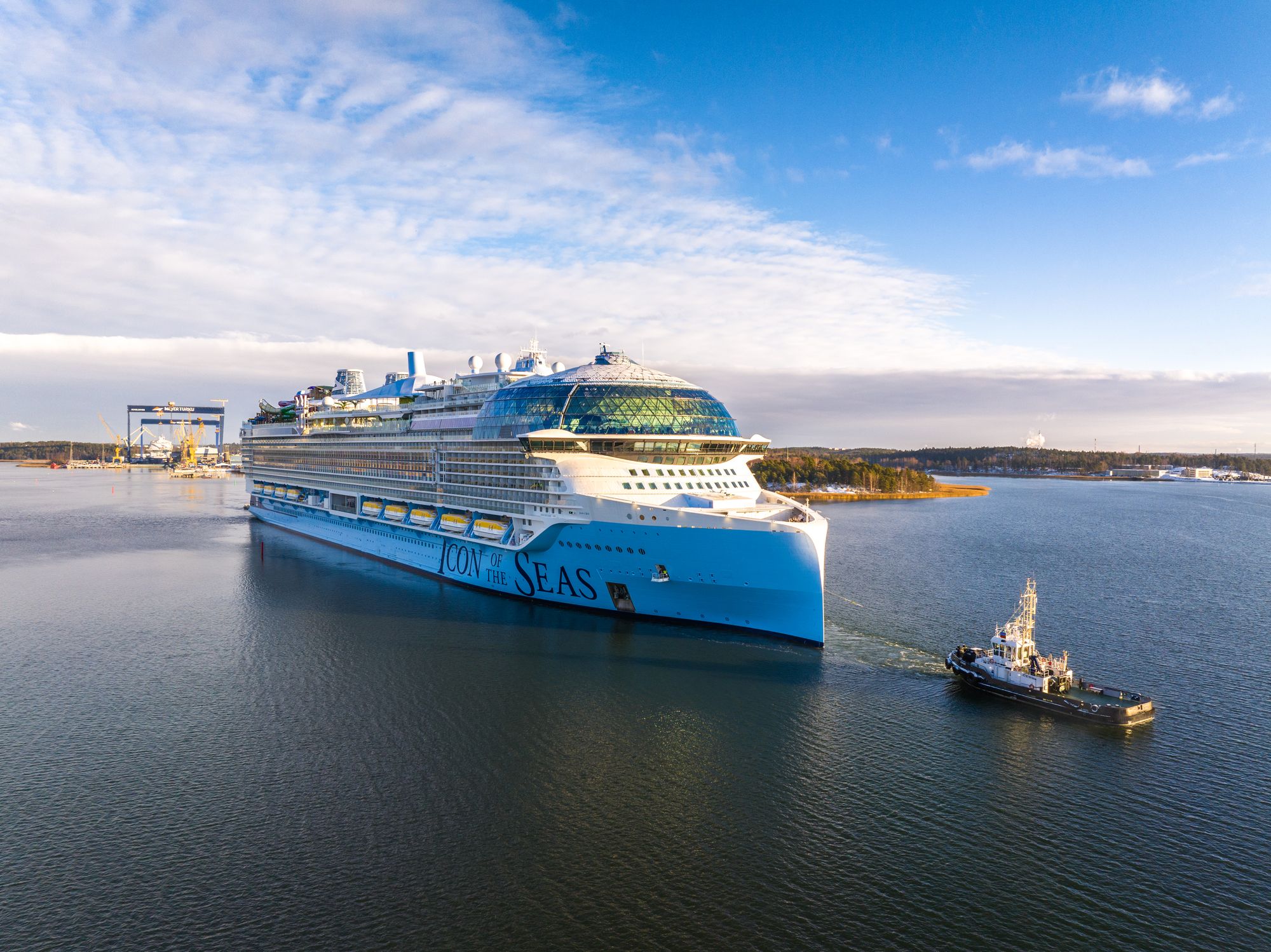
Operating some of the world’s largest cruise ships, Royal Caribbean maintains dedicated public health compliance teams on every vessel. Ships including Icon of the Seas, Allure of the Seas, and Wonder of the Seas have successfully secured perfect 100 VSP scores. Managing sanitation on mega-ships requires complex logistics, including processing hundreds of tons of fresh water daily and managing dozens of distinct kitchens and dining venues.
Holland America Line & Princess Cruises
Premium lines catering to traditional cruise enthusiasts also maintain exemplary records. Holland America Line’s Rotterdam and Nieuw Statendam, alongside Princess Cruises’ Discovery Princess, consistently land on the CDC's top-tier operational list. These lines utilize advanced food handling protocols and extensive crew health screening to mitigate the risk of infectious outbreaks.
Disney Cruise Line & Virgin Voyages
Family-focused and adults-only lines alike emphasize immaculate cleanliness. Disney Cruise Line's Disney Fantasy and Disney Wish regularly achieve perfect scores despite high concentrations of young children, who can present elevated infection transmission risks. Similarly, Virgin Voyages' Scarlet Lady has demonstrated strong sanitation performance by implementing modern, touchless galley design concepts and streamlined public area management.
Key Hygiene Criteria Evaluated During Cruise Ship Inspections
Understanding what CDC inspectors look for helps contextualize why a perfect score is a notable operational achievement. The VSP scoring system assesses eight critical environmental health categories onboard:
- Potable Water Supply: Inspectors test water production, treatment, and distribution systems. This includes verifying chlorine residual levels, inspecting backflow prevention devices, and confirming proper maintenance of filtration equipment to prevent waterborne pathogens like Legionella.
- Food Safety and Storage: Galleys, pantries, walk-in freezers, and buffets undergo rigorous checks. Officers measure internal food temperatures, review storage practices to prevent cross-contamination, check dishwashing machine rinse temperatures, and ensure stainless steel surfaces are scrupulously sanitized.
- Recreational Water Facilities: Swimming pools, whirlpools, and interactive splash zones are inspected for proper filtration, turnover rates, disinfectant dosing, and microbiological safety. Inadequate chemical balance in hot tubs is one of the most common reasons for point deductions.
- Child Activity Centers: Youth facilities are subjected to strict sanitation protocols. Inspectors examine toy washing procedures, diaper-changing stations, and handwashing availability to limit the spread of childhood viral illnesses.
- Medical Log Documentation and Illness Surveillance: Cruise lines are required to maintain detailed logs of gastrointestinal illness cases among passengers and crew. Inspectors verify that medical personnel report outbreaks promptly and adhere to proper isolation protocols.
- Crew Hygiene and Housing: Crew mess halls, living quarters, and dedicated handwashing sinks are inspected. Crew members must demonstrate knowledge of hygienic practices, and ship management must enforce strict sick-leave policies that bar symptomatic staff from handling food or entering public venues.
- Pest Management: Comprehensive integrated pest management plans are audited to ensure ships remain free of insects and rodents, with non-toxic preventative barriers maintained around docking portals and food storage areas.
- HVAC and Air Filtration Systems: Heating, ventilation, and air conditioning systems are inspected for clean air intake mechanisms, filter replacement frequency, and duct cleanliness to preserve indoor air quality throughout passenger spaces.
Modern Cruise Ship Technology and Sanitation Innovations
The cruise industry's top sanitation scores are supported by significant investments in marine engineering and environmental control technologies. Modern ocean liners function as self-contained municipal systems designed to control microbial contamination.
- Seawater Intake
- Reverse Osmosis Filtration
- UV Disinfection & Chlorine
- Pure Potable Water Distribution
Advanced Water Purification Systems
Leading cruise lines deploy multi-stage Reverse Osmosis (RO) plants alongside flash evaporators to produce potable water directly from seawater. Once purified, water is treated with ultra-violet (UV) light disinfection units and monitored continuously via electronic sensors to maintain legal disinfectant residuals throughout miles of internal piping.
Air Filtration and UV-C Sanitation
Following heightened global awareness of airborne illness, modern ships have upgraded HVAC architectures. Many contemporary vessels utilize hospital-grade MERV 13 or HEPA filtration systems that continuously replace stateroom and public area air with fresh, outside air rather than recirculating indoor air. Additionally, UV-C lighting modules inside air handling units neutralize pathogens before air passes into common lounges and dining rooms.
Touchless Architecture and Surface Coatings
Architectural design plays a crucial role in maintaining high hygiene levels. Cruise lines increasingly incorporate touchless technology, including automated stateroom doors, sensor-operated bathroom fixtures, and hands-free handwashing stations at buffet entrances. Furthermore, high-touch surfaces in modern ship interiors are often treated with antimicrobial coatings that actively resist bacterial and viral colonization between manual cleaning rounds.
Cruise Line Sanitation Performance Overview
The table below outlines sanitation features and historical CDC performance indicators across major cruise lines operating from North American ports.
| Cruise Line | Typical CDC VSP Score Range | Standout Hygiene & Sanitation Features | Fleet Inspection Focus |
|---|---|---|---|
| Celebrity Cruises | 98 – 100 | Automated galley monitoring, UV air treatment, touchless public space fixtures | High-frequency public space sanitization and water quality logging |
| Royal Caribbean | 95 – 100 | High-capacity reverse osmosis, dedicated onboard public health compliance teams | Advanced pool/whirlpool monitoring and food temperature automation |
| Disney Cruise Line | 98 – 100 | Specialized youth center sanitation protocols, frequent stateroom deep cleans | Child area micro-biology safety and galley cross-contamination barrier checks |
| Holland America Line | 96 – 100 | Intensive crew hygiene training, strict thermal dishwashing standards | Potable water distribution safety and food storage auditing |
| Norwegian Cruise Line | 95 – 100 | Integrated medical surveillance, mandatory buffet hand-sanitizing stations | Galley machinery maintenance and HVAC filter replacement compliance |
| Virgin Voyages | 97 – 100 | Plated dining focus (no traditional buffets), contactless suite controls | Surface sanitation frequency and modern food-prep layout safety |
Note: CDC VSP scores represent historical inspection snapshots. Individual ship scores vary by inspection date and operational conditions.
How Passengers Can Verify Ship Cleanliness Before Booking
Travelers prioritizing cleanliness can evaluate a ship’s sanitation record prior to committing to a cruise reservation using public resources:
- Search the CDC VSP Green Sheet: The CDC maintains an online database known as the "Advanced Green Sheet." Travelers can search by cruise line or specific ship name to view historical scores dating back several years, as well as read full inspection reports detailing specific infractions.
- Review Specific Infraction Reports: Beyond looking at the final score, examine what points were deducted. A minor administrative paperwork oversight is very different from an active food temperature violation or inadequate pool chlorine level.
- Monitor Public Health Outbreak Reports: The CDC tracks and publishes reports on major gastrointestinal illness outbreaks onboard ships sailing international itineraries. Reviewing these reports highlights how effectively a cruise line controls illness propagation when an outbreak occurs.
- Check European and International Equivalents: For cruises operating exclusively in Europe or Asia, check equivalent maritime health ratings such as the EU SHIPSAN ACT guidelines, which audit European cruise operators under similar public health standards.
Personal Health Best Practices Onboard
While cruise ship crews maintain high standards of environmental sanitation, passenger behavior remains a vital line of defense against common viral illnesses like norovirus.
- Preventative Actions Onboard
- Proper Handwashing
- 20 Seconds with Soap
- Warm Water Washing
- Key Times: Pre-Meals
- Environmental Safety
- Use Hand Sinks at Buffets
- Utilize Door Tissues/Sensors
- Report Symptoms to Medical
- Proper Handwashing
Effective Hand Hygiene
Alcohol-based hand sanitizers are widely available throughout modern ships, but they are not a complete substitute for handwashing. Norovirus, the most common cause of cruise ship stomach bugs, is a non-enveloped virus that resists alcohol sanitizer. Washing hands thoroughly with warm water and soap for at least 20 seconds before eating and after using the restroom is essential.
Navigating Buffets and Shared Venues
Self-service dining areas require careful hygiene habits. Use handwashing sinks positioned at buffet entrances. If serving utensils appear soiled or if passengers use their hands directly on food items, notify crew members immediately. Many cruise lines now employ dedicated staff to serve food at buffets to limit shared utensil handling.
Hydration and Stateroom Hygiene
Avoid drinking water directly from bathroom sinks unless specified as potable by the ship's literature; instead, use designated fresh water stations or bottled water. If you notice any sanitation defects in your stateroom—such as improper plumbing drainage or uncleaned surfaces—request immediate remediation from your stateroom attendant.
Prompt Medical Reporting
If you experience symptoms of gastrointestinal illness (vomiting, diarrhea), stay in your stateroom and contact the ship’s medical center immediately. Cruise lines offer free or low-cost medical consultations and stateroom isolation support for contagious gastrointestinal symptoms to prevent the virus from spreading to the wider ship population.
Strategic Checklist for Booking a Clean Cruise
To ensure your cruise selection meets high standards of hygiene and comfort, use this practical evaluation checklist before finalizing your booking:
- Check the Ship's Most Recent VSP Score: Confirm the vessel scored 95 or higher (ideally 100) on its most recent CDC unannounced inspection.
- Examine Score Consistency: Ensure the ship has maintained passing scores across its last 3 to 4 inspection cycles rather than exhibiting volatile score swings.
- Research Ship Age and Refurbishment History: Modern ships and recently overhauled older vessels feature updated HVAC systems, improved galley designs, and touchless fixtures.
- Evaluate Dining Format Options: If avoiding shared utensils is a priority, select ships featuring flexible plated dining venues over massive self-service buffets.
- Review Medical Facility Capabilities: Verify that the cruise line maintains full-scale onboard medical centers equipped with diagnostic testing capabilities for viral and bacterial pathogens.
Frequently Asked Questions
What happens if a cruise ship fails a CDC inspection?
If a ship scores 85 or lower, it receives a failing grade. The cruise line must submit a Corrective Action Report detailing how every violation was remedied. If the violations pose an immediate threat to public health, the CDC can issue a No-Sail Order, keeping the ship docked until reinspected and deemed safe.
How often are cruise ships inspected for cleanliness?
Ships operating from U.S. ports undergo unannounced inspections by the CDC Vessel Sanitation Program twice a year. Additionally, cruise lines conduct internal, third-party public health audits throughout the year to maintain standards between official inspections.
Is Norovirus more common on cruise ships than on land?
No. According to public health data, cruise ships account for a tiny fraction of total annual norovirus cases worldwide. However, outbreaks on ships are reported and tracked transparently by federal law, making them far more visible to the public than outbreaks in schools, hospitals, or hotels.
Does a perfect 100 CDC score guarantee no illness onboard?
A 100 score indicates that the ship’s infrastructure, crew practices, water treatment, and food handling met perfect public health compliance during the audit. However, because passengers can introduce contagious viruses from land, personal hygiene habits remain necessary to avoid infection.
Are newer cruise ships inherently cleaner than older ships?
Newer ships benefit from advanced architectural designs, such as touchless doors, modern HVAC systems, and state-of-the-art water filtration plants. However, older ships that undergo regular dry-dock refurbishments and maintain strict operational protocols frequently achieve perfect 100 sanitation scores as well.
How do international cruise ships maintain sanitation outside the U.S.?
Cruise ships sailing outside U.S. jurisdiction follow international health regulations governed by the World Health Organization (WHO) and regional frameworks such as the European Union's EU SHIPSAN ACT. Many global cruise lines apply CDC VSP standards universally across their entire global fleet regardless of homeport.