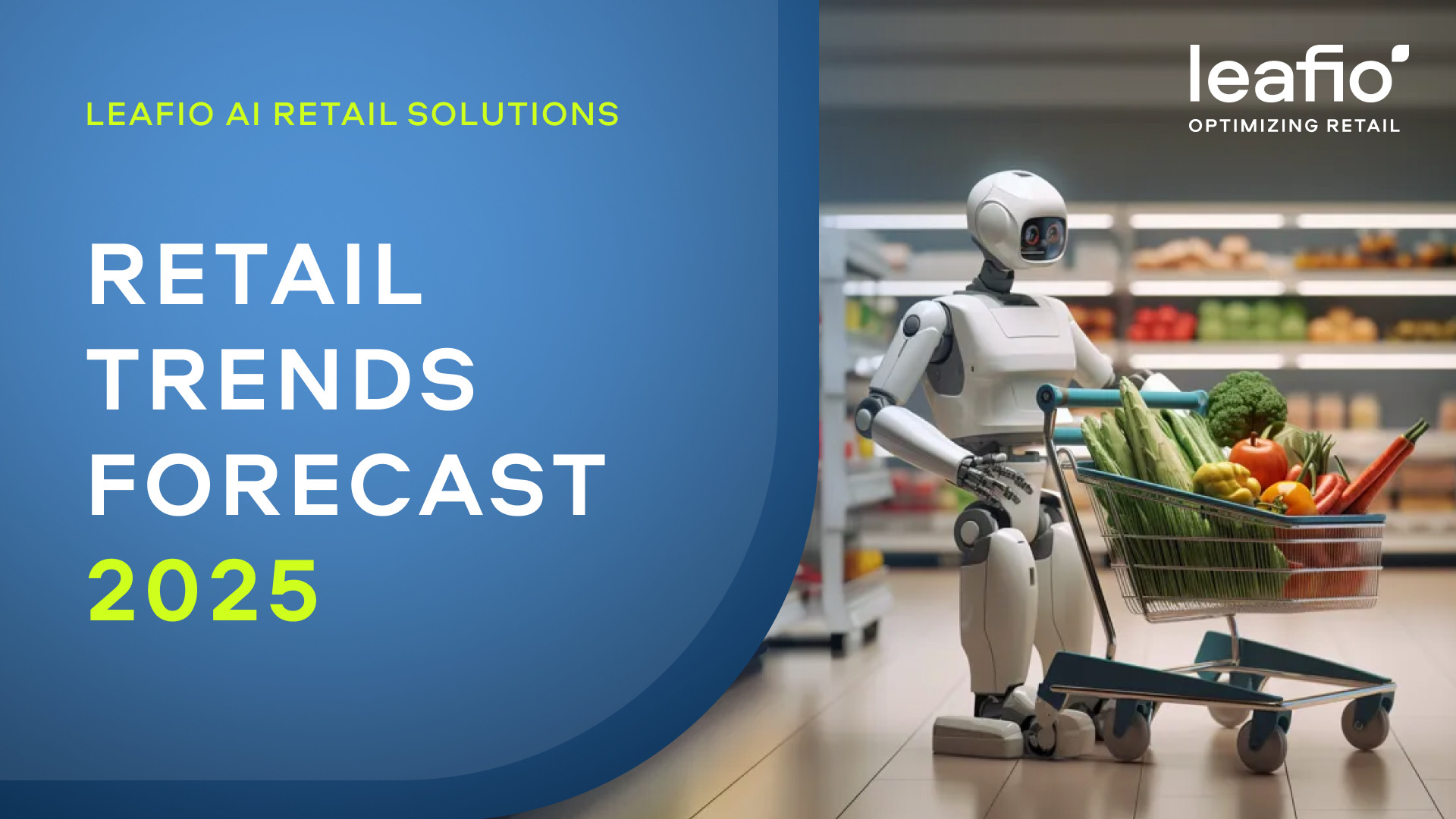
The 2025 retail landscape was defined by the transition from omnichannel experimentation to unified commerce, where data silos between physical and digital storefronts finally dissolved. Driven by mature generative AI applications and a renewed focus on physical "brand hubs," retailers prioritized operational efficiency and hyper-personalized customer journeys to navigate a stabilizing yet value-conscious consumer economy.
The Shift to Unified Commerce and Data Harmonization
In 2025, the industry moved decisively away from "omnichannel"—which often involved disparate systems for web, mobile, and in-store—toward a unified commerce model. This structural change meant that inventory, customer data, and order management lived on a single platform. For the consumer, this translated to frictionless experiences: a customer could start a return on a mobile app, receive a QR code, drop the item at a third-party kiosk, and receive an instant store credit usable immediately at a physical location.
The primary driver for this shift was the need for real-time inventory visibility. By 2025, high-performing retailers achieved 98% or higher inventory accuracy through the widespread adoption of RFID (Radio Frequency Identification) and computer vision. This precision allowed for more aggressive fulfillment options, such as "ship-from-store" and "buy online, pick up in-store" (BOPIS), which accounted for nearly 40% of digital orders for major retailers by the end of the year.
Furthermore, unified commerce allowed brands to solve the "identity resolution" problem. Retailers used 2025 to consolidate first-party data, ensuring that a customer’s online browsing history informed the recommendations made by a sales associate in a physical store. This level of synchronization reduced marketing waste and increased the lifetime value (LTV) of customers by providing a consistent brand narrative across every touchpoint.
Generative AI: From Pilot Programs to Operational Core
While 2024 was the year of AI experimentation, 2025 was the year of AI implementation. Retailers stopped treating generative AI as a novelty and integrated it into the core of their operations. The most significant impacts were seen in three specific areas:
- Hyper-Personalization at Scale: AI-driven engines moved beyond "customers who bought this also liked" to creating unique digital storefronts for every user. These interfaces adapted in real-time based on the user's current intent, local weather, and previous purchase patterns.
- Conversational Commerce: Chatbots evolved into "shopping assistants" capable of complex reasoning. Instead of answering FAQs, they could process requests like, "Find me a waterproof jacket for a hiking trip in Scotland that matches these boots I bought last year."
- Supply Chain Predictive Analytics: AI was used to forecast local demand with unprecedented accuracy. Retailers used these insights to position inventory closer to the consumer before orders were even placed, significantly reducing shipping times and carbon footprints.
According to research from McKinsey & Company, the integration of AI into retail operations contributed an estimated $400 billion to $660 billion in annual value globally by 2025. This value was largely derived from reduced markdowns and improved labor productivity in both warehouses and storefronts.
The Resurgence of the Physical Store as a Media Channel
The physical store underwent a radical transformation in 2025, moving from a purely transactional space to a powerful media and experience hub. With digital customer acquisition costs (CAC) remaining high, retailers utilized physical locations to build brand equity and lower the cost of acquiring new customers.
Stores were increasingly designed with "showrooming" in mind. High-end retailers reduced on-floor inventory in favor of interactive displays and "magic mirrors" that allowed customers to try on virtual iterations of clothing. These "experience-first" stores often saw lower direct sales-per-square-foot but drove significant increases in online sales within the store's surrounding zip code—a phenomenon known as the Halo Effect.
Moreover, 2025 saw the rise of Retail Media Networks (RMNs) inside the physical store. Digital signage and smart end-caps became advertising real estate, allowing brands to target consumers at the precise moment of purchase. This created a new, high-margin revenue stream for retailers, helping to offset the rising costs of labor and real estate.
Sustainability and the Rise of the Circular Economy
Sustainability in 2025 moved from a marketing "nice-to-have" to a regulatory and consumer necessity. The influence of the European Union's Digital Product Passport (DPP) requirements began to be felt globally, as retailers were forced to provide transparent data regarding the origin, materials, and recyclability of their products.
The "circular economy" became a mainstream business model. Major fashion and electronics brands launched their own integrated re-commerce (resale) platforms. This allowed them to capture revenue from the same product multiple times and appealed to the sustainability-conscious Gen Z and Millennial demographics. By the end of 2025, it was common for consumers to see a "Trade-In" value displayed next to the "Buy New" price on e-commerce product pages.
Retailers also focused on the "last mile" of sustainability. This included the wide-scale adoption of reusable packaging and the electrification of delivery fleets. Consumers in 2025 showed a willingness to wait longer for deliveries if they were consolidated into a single "green delivery day," highlighting a shift in values from pure speed to environmental responsibility.
Comparative Evolution of Retail Strategy
The following table outlines the key shifts in retail focus and technology from 2024 to the end of 2025.
| Strategic Area | 2024 Focus | 2025 Evolution |
|---|---|---|
| Primary Goal | Omnichannel Presence | Unified Commerce Excellence |
| AI Application | Generative Chatbots & Content | Predictive Supply Chain & Hyper-Personalization |
| Physical Store | Inventory Fulfillment Center | Experience Hub & Retail Media Node |
| Data Usage | Third-Party Cookie Reliance | First-Party Data & Identity Resolution |
| Sustainability | Carbon Offsetting | Circular Models & Material Transparency |
| Social Commerce | Influencer Marketing | Integrated Live-Stream Shopping |
| Delivery | Same-Day Speed | Sustainable & Consolidated Delivery |
Social Commerce and the Creator-Led Economy
By 2025, the boundary between social media and e-commerce essentially disappeared. Social commerce became the primary discovery engine for younger consumers, with platforms like TikTok Shop and Instagram Shopping providing fully integrated checkout experiences.
The "creator economy" matured, with influencers moving from simple endorsements to launching their own brands hosted on major retail platforms. Retailers responded by becoming incubators for these creator-led brands, providing the logistics and manufacturing backbone while the creator provided the audience.
Live-stream shopping, which had been dominant in Asian markets for years, finally achieved massive adoption in the West during 2025. These events blended entertainment with instant gratification, often featuring "limited drop" mechanics that leveraged artificial scarcity to drive immediate sales. The success of these events relied on the unified backend mentioned earlier, ensuring that inventory levels were updated in real-time across the globe to prevent overselling.
Logistics and the Optimization of the Last Mile
Logistics in 2025 focused on solving the profitability paradox of home delivery. Retailers invested heavily in micro-fulfillment centers (MFCs)—automated, small-scale warehouses located within urban centers or even at the back of existing retail stores. These MFCs used robotics to pick and pack orders in minutes, enabling rapid delivery without the high overhead of large-scale distribution centers.
The "last mile" also saw the introduction of autonomous delivery pods and drones in specific high-density regions. While regulatory hurdles remained, the cost-per-delivery began to drop in 2025 as the technology matured. Additionally, the industry saw a surge in "Returns Optimization." Retailers began charging for some returns or offering incentives for in-store returns, significantly reducing the massive financial and environmental toll of the "bracketed" shopping habit (buying multiple sizes with the intent to return most).
2025 Retail FAQ
How did AI change the role of retail employees in 2025?
AI did not replace retail employees but rather shifted their focus toward high-value human interactions. In 2025, store associates were equipped with AI-powered mobile devices that provided deep insights into a customer’s preferences and past purchases. This allowed associates to act as personal stylists or technical consultants, while AI handled routine tasks like inventory checking, price labeling, and scheduling.
What was the biggest challenge for retailers in 2025?
The primary challenge was managing the complexity of data privacy vs. personalization. As retailers collected more first-party data to power their AI engines, they faced increased scrutiny from regulators and consumers regarding how that data was stored and used. Balancing the desire for a personalized experience with the need for transparent and secure data practices was a constant tension throughout the year.
Did physical stores become more or less important in 2025?
Physical stores became more important, but their function changed. They were no longer just places to stack inventory; they became the most effective tool for brand storytelling and customer acquisition. The "halo effect" of physical stores was officially quantified in 2025, with data showing that the presence of a physical store in a market could increase online traffic by up to 30% in that region.
How did the "Circular Economy" impact retail profits?
Initially viewed as a threat to new product sales, the circular economy became a profit center in 2025. By controlling the secondary market (resale), brands were able to maintain their premium positioning, acquire younger customers at a lower price point, and generate revenue through service fees, authentication, and refurbished goods.
What happened to "Same-Day Delivery" in 2025?
While still available, same-day delivery became a premium tier rather than the default expectation. In 2025, both retailers and consumers began to favor "Consolidated Delivery," where all items from an order (or multiple orders) were delivered on a single day. This shift was driven by a combination of sustainability goals and the rising cost of fuel and labor.
Strategic Direction for 2026
As we move into 2026, the successes of 2025 provide a clear roadmap for future growth. Retailers should focus on deepening their unified commerce capabilities to ensure that the "blind spots" between digital and physical disappear entirely. The next phase of AI integration will likely move into autonomous negotiation and dynamic, real-time supply chain reconfiguration.
To remain competitive, brands must continue to invest in their first-party data strategies. As the cost of digital advertising continues to fluctuate, the ability to engage directly with a known customer base—and to offer them a truly personalized, sustainable, and frictionless experience—will be the primary differentiator in the years to come. Retailers should also evaluate their physical footprint not just as a cost center, but as a media asset that can be monetized through advertising and experiential marketing.