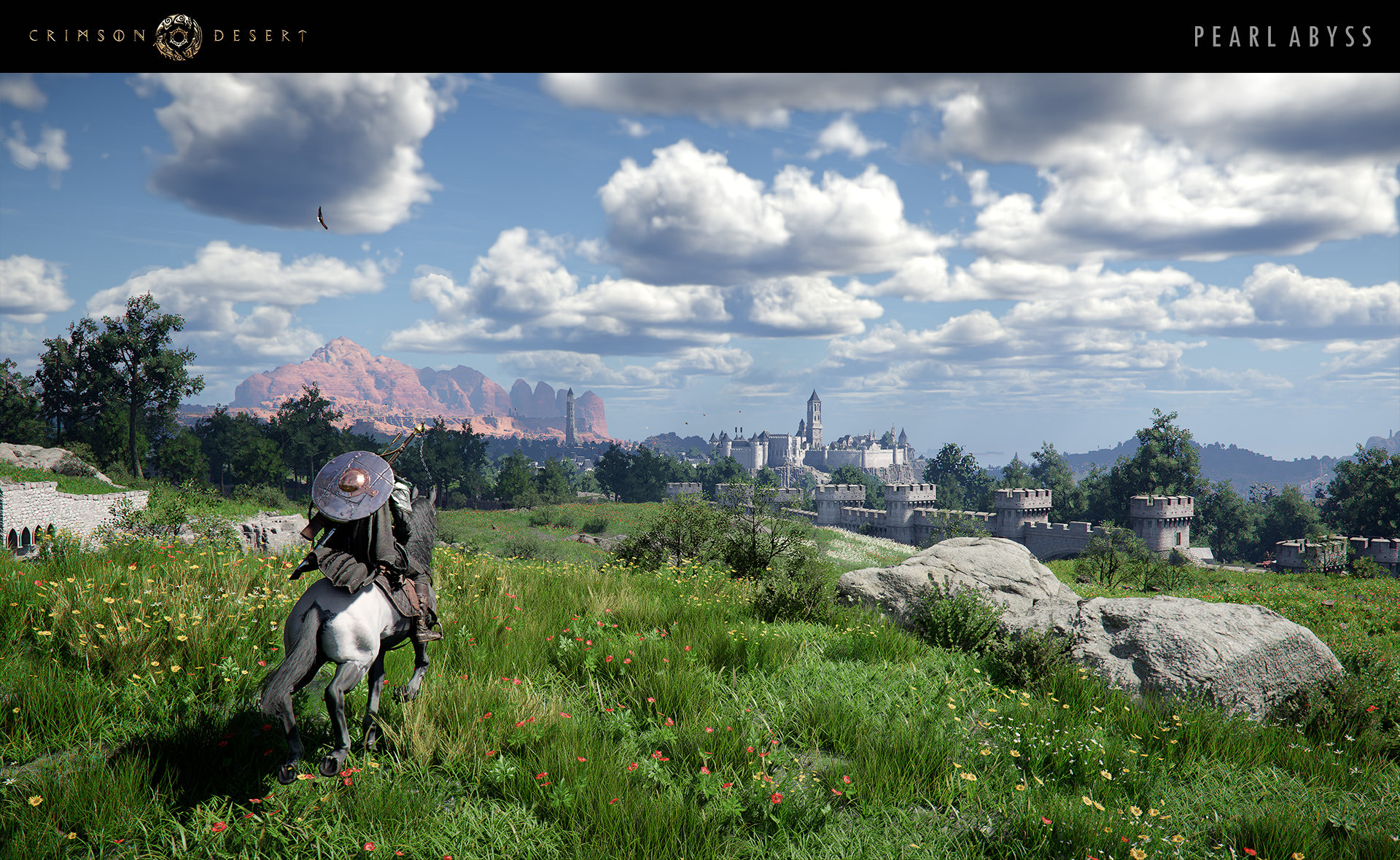
The 2025 release window represented a historic convergence of major entertainment franchises, hardware refreshes, and long-gestating software projects. Positioned as a pivotal year for the ninth generation of gaming consoles and a reboot for several cinematic universes, this window saw the arrival of industry-shaking titles like Grand Theft Auto VI and the next iteration of Nintendo hardware.
The Strategic Convergence of the 2025 Calendar
The 2025 release window was not a matter of coincidence; it was the result of several industry-wide factors that coalesced into a "perfect storm" for consumers. From a development standpoint, 2025 became the primary target for projects that began during the hardware transition of 2020. Due to the global supply chain disruptions and development shifts experienced earlier in the decade, many AAA titles required five-year cycles, naturally landing them in the 2025 window.
Economically, 2025 was viewed by publishers as the "sweet spot" for the PlayStation 5 and Xbox Series X|S lifecycle. By 2025, the install base for these consoles had matured, allowing developers to move away from "cross-gen" development (supporting older PS4/Xbox One hardware) and focus exclusively on high-fidelity, current-gen experiences. This shift was essential for the implementation of advanced features like hardware-accelerated ray tracing and massive, seamless open worlds that characterized the year's biggest hits.
Furthermore, the 2025 window was defined by the "Grand Theft Auto Effect." Once Rockstar Games confirmed a Fall 2025 target for GTA VI, the entire industry adjusted. Competitors scrambled to either launch early in the year to avoid the shadow of the Rockstar behemoth or delay their projects into 2026 to ensure they didn't lose market share. This created a uniquely front-loaded calendar for the first half of 2025, followed by a concentrated late-year peak.
Video Games: The Titan of the 2025 Window
Gaming was the undisputed driver of the 2025 release window. The sheer volume of high-profile intellectual properties (IP) returning to the spotlight made it one of the densest years in the history of the medium.
The Impact of Grand Theft Auto VI
As the most anticipated entertainment product in history, Grand Theft Auto VI anchored the entire 2025 window. Its setting in the state of Leonida (centered on Vice City) pushed the boundaries of NPC density and social media integration within a game world. For the industry, the 2025 window for GTA VI meant a surge in console sales and a massive influx of player engagement that shifted the landscape of digital storefronts.
Nintendo’s Next Generation
Another cornerstone of the 2025 window was the successor to the Nintendo Switch. While Nintendo maintained its signature secrecy, the 2025 launch window allowed the company to debut the new hardware alongside heavy-hitting software like Metroid Prime 4: Beyond. This transition was vital for the market, providing a much-needed performance boost for portable gaming and enabling third-party developers to bring more demanding titles to the Nintendo ecosystem.
Key Third-Party Blockbusters
Beyond the "big two," several other franchises defined the 2025 experience:
- Monster Hunter Wilds: Released early in the window, this title leveraged the power of modern hardware to introduce living ecosystems and weather systems that fundamentally changed the hunting loop.
- Death Stranding 2: On the Beach: Hideo Kojima’s sequel expanded the "strand" genre, offering a visual showcase for the PlayStation 5 and highlighting the 2025 window's emphasis on cinematic storytelling.
- Sid Meier’s Civilization VII: Representing the pinnacle of 4X strategy, its release in 2025 brought the genre to a broader audience with simultaneous PC and console launches.
Hardware Evolution and the Mid-Gen Peak
The 2025 release window was as much about the machines as it was about the software. By this time, the PlayStation 5 Pro had established itself in the market, pushing 4K resolution and 60 frames per second as the standard rather than an optional "performance mode."
This hardware maturation allowed for the widespread adoption of Unreal Engine 5 (UE5). Throughout 2025, we saw the first true wave of UE5 titles that utilized Nanite and Lumen to their full potential. The 2025 window marked the end of the "transitional" look of games, where textures and lighting finally moved beyond the limitations of the previous decade.
The PC hardware market also saw a significant shift in 2025. With the release of new GPU architectures from NVIDIA and AMD, the "entry-level" for high-end gaming was redefined. The 2025 window was the period when AI-driven upscaling (like DLSS and FSR) became an architectural requirement rather than a luxury, enabling the complex simulations found in 2025's top-tier games.
The Cinematic Landscape: Reboots and Blockbusters
While gaming dominated the conversation, the 2025 release window was a "make or break" year for Hollywood, particularly for the superhero genre. After a period of "superhero fatigue," 2025 was the year the industry attempted a major course correction.
The Birth of the DC Universe (DCU)
James Gunn’s Superman, which arrived in the Summer 2025 window, was the most scrutinized film of the year. It served as the foundation for a new interconnected universe. Its success or failure during this window was seen as the primary indicator for the future of Warner Bros. Discovery’s film strategy.
Marvel’s Strategic Pivot
For Disney and Marvel Studios, 2025 was about quality over quantity. The 2025 window featured The Fantastic Four: First Steps, a project intended to bring the "first family" of Marvel back to prominence. By limiting the number of theatrical releases in 2025, Marvel aimed to recapture the event-status of their earlier phases, making every release in that window a cultural moment.
Analysis of Delays and Production Shifting
Not every project slated for the 2025 release window made it to the finish line. The complexity of modern development meant that "slippage" was inevitable. Several high-profile projects that were initially teased for 2025 were pushed into 2026 to avoid the competitive saturation of the Fall window or to allow for further polishing.
These delays were often viewed positively by the community—a lingering lesson from the rocky launches of the early 2020s. In 2025, the "delayed game is eventually good" mantra became a corporate strategy. Many developers opted to move into the "Early 2026" window to find breathing room away from the massive marketing spends of the year's dominant titles.
Outcomes of the 2025 Release Window
| Category | Key Entity | Status/Impact in 2025 | Significance |
|---|---|---|---|
| Gaming Hardware | Nintendo Switch Successor | Launched 2025 | Reinvigorated the handheld market with modern specs. |
| Open World | Grand Theft Auto VI | Fall 2025 Launch | Set new records for revenue and player engagement. |
| Action/RPG | Monster Hunter Wilds | Q1 2025 Launch | Proved the global appeal of the franchise on high-end hardware. |
| Cinema | Superman (DCU) | July 2025 | Successfully launched a new cinematic universe. |
| Strategy | Civilization VII | Early 2025 | Modernized the 4X genre for a multi-platform audience. |
| Action/Adventure | Metroid Prime 4: Beyond | 2025 Window | Fulfilled a long-standing promise to the Nintendo fanbase. |
Future Outlook: Life After the 2025 Peak
As we navigate through 2026, the ripple effects of the 2025 release window are still being felt. The massive influx of high-quality software has created a "backlog" for many consumers, leading to a slightly quieter first half of 2026 as players catch up.
The 2025 window also set a new standard for subscription services. Platforms like Xbox Game Pass and PlayStation Plus had to evolve their offerings to include "day one" access to major titles to compete with the heavy hitters of 2025. This has led to a more sustainable model for mid-tier developers who found a home on these services while the giants fought for retail dominance.
Ultimately, the 2025 window will be remembered as the year the "next generation" truly arrived, five years after the consoles actually launched. It was the year of technical maturity, the return of legendary franchises, and a refocusing of creative energy toward quality and scale.
FAQ
What made the 2025 release window different from previous years?
The 2025 window was unique due to the concentration of "mega-franchises" releasing simultaneously. The arrival of a new Rockstar game (GTA VI) usually happens once a decade, and combining that with a new Nintendo console launch and major cinematic reboots created a level of market density rarely seen in entertainment history.
Did Grand Theft Auto VI meet its 2025 release window?
According to the timeframe established by Take-Two Interactive and Rockstar Games, the Fall 2025 window remained the primary target. While the industry is always subject to last-minute shifts, the 2025 window was held as the definitive launch period for the title, making it the focal point of the year’s economic activity in gaming.
Which movies were the most significant in the 2025 window?
The 2025 cinematic window was dominated by Superman (relaunching the DCU) and The Fantastic Four: First Steps (reintroducing a core Marvel property). Additionally, films like Avatar 3 (slated for late 2025) and 28 Years Later provided a diverse range of blockbuster content that defined the theatrical year.
How did the 2025 release window affect game prices?
The 2025 window saw the $70 USD price point become firmly established as the industry standard for AAA titles. However, the sheer volume of games led to more aggressive seasonal sales later in the year, as publishers competed for the remaining "disposable income" of consumers who had already purchased multiple big-budget titles.
Was the Nintendo Switch 2 part of the 2025 window?
Yes, the transition to Nintendo's next-generation platform was a core component of the 2025 window. This release was essential for maintaining the momentum of the handheld gaming market and allowed for more visually ambitious titles that were previously impossible on the original 2017 Switch hardware.
Next Steps for Enthusiasts and Consumers
Now that the 2025 release window has concluded, consumers should focus on optimizing their hardware to handle the technical demands of these titles. For those with a significant backlog, 2026 is an ideal time to explore the "hidden gems" of the 2025 window—smaller, independent titles that may have been overshadowed by the major blockbusters. Additionally, keep an eye on the first major expansion packs and DLC for 2025’s biggest games, which are scheduled to begin rolling out throughout the current year.