Now that we have entered 2026, the collection of 2025 obituaries represents a completed historical record of the individuals who shaped our communities over the past year. These records are accessible through digital archives, local newspaper databases, and specialized genealogical platforms, serving as essential tools for family historians, legal professionals, and those seeking to pay their respects or verify biographical details.
The Significance of 2025 Obituary Records in the Current Year
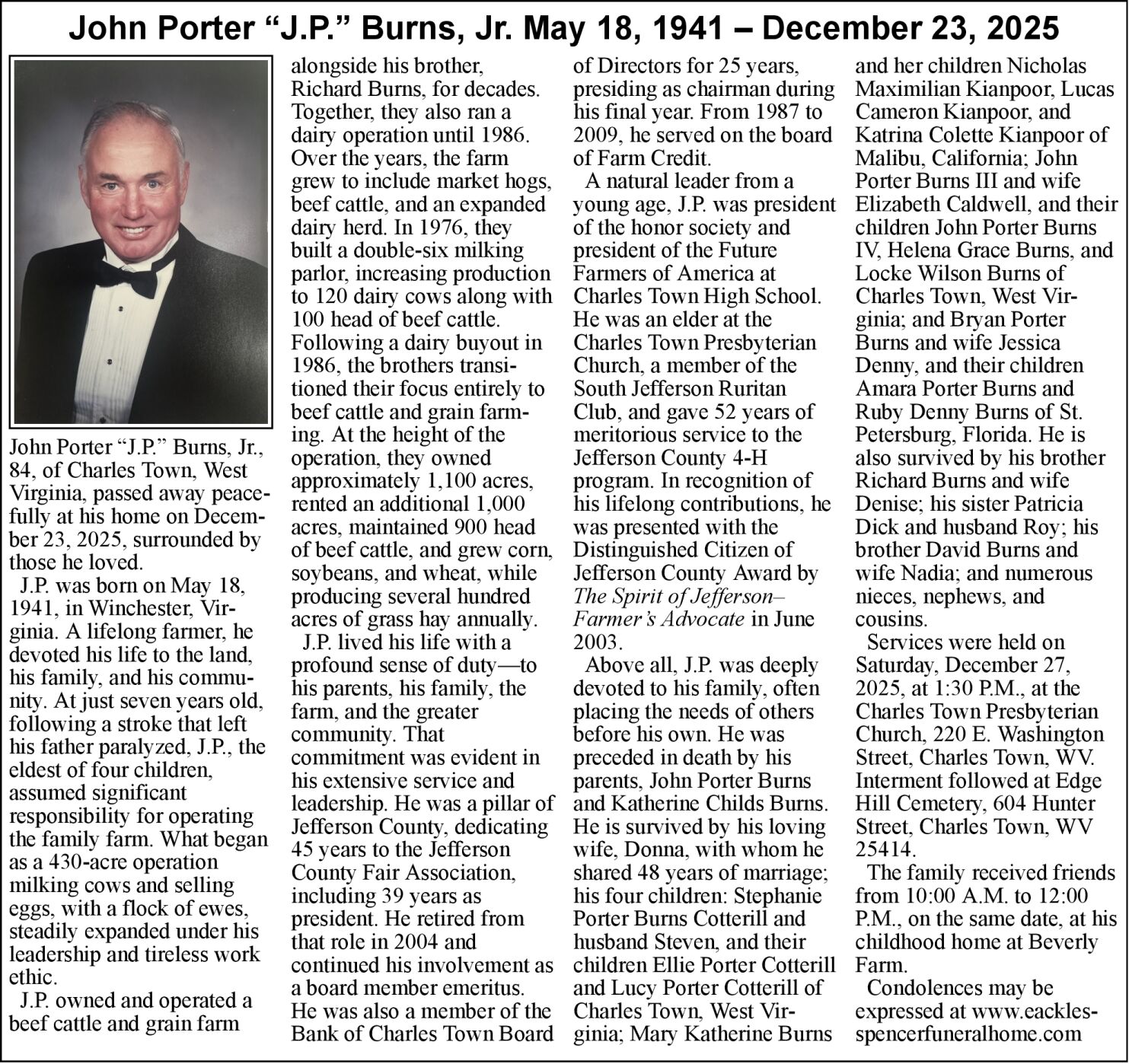
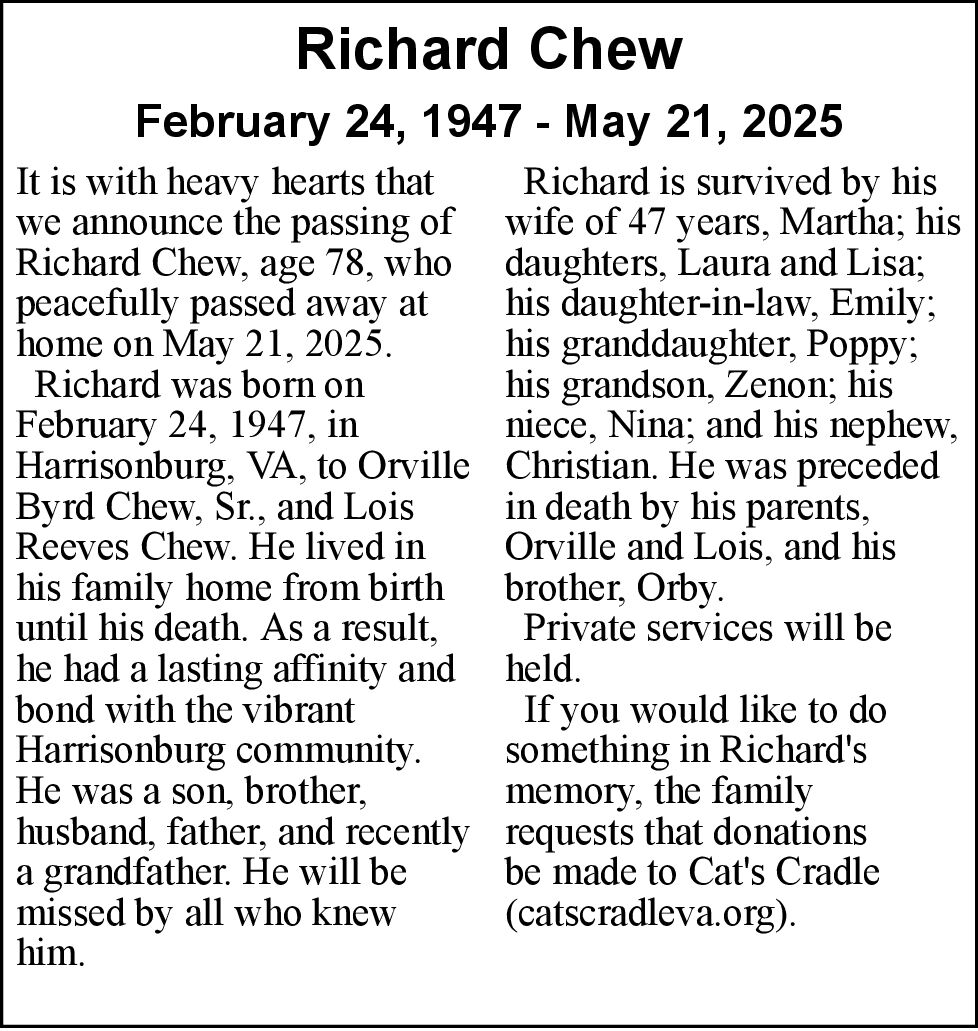
As we look back from 2026, the obituaries published throughout 2025 serve a dual purpose: they act as a final tribute to the deceased and provide a critical link in the chain of public records. For genealogists, the records from 2025 are particularly important as they often contain detailed family lineages, including the names of surviving children, grandchildren, and extended family members, which may not yet appear in official census data or older vital records.
From a legal and administrative perspective, 2025 obituaries are frequently used in the early stages of probate and estate settlement. While an obituary is not a legal document like a death certificate, it serves as public notice of a death. In many jurisdictions, creditors and interested parties rely on these publications to begin the process of settling debts or claiming inheritance. In 2026, many of these estate processes are reaching their middle or final stages, making the original 2025 publication a point of reference for verifying timelines and familial claims.
Furthermore, 2025 saw a continued shift in how we document life stories. The transition from brief, expensive print notices to expansive, multimedia digital memorials reached a new peak. This means that for someone looking for a 2025 record today, there is often more information available—including photo galleries, video tributes, and interactive guestbooks—than was common in previous decades.
Primary Sources for Accessing 2025 Obituary Archives
Locating an obituary from 2025 requires understanding where the data is hosted. Depending on the location of the deceased and the preferences of the family, the record may be found in several distinct repositories.
Digital Memorial Aggregators
The most common starting point for a 2025 search is through large-scale aggregators. Websites like Legacy.com and Tributes.com partner with thousands of funeral homes and newspapers across the globe. These platforms index obituaries by name, date, and location. By 2026, the 2025 databases are fully indexed, allowing for high-speed searches that can filter results by specific city or even keyword phrases found within the text.
Local Newspaper Archives
While many people have moved toward digital-only consumption, local newspapers remain the "gold standard" for authoritative death notices. Most local publications maintain their own digital archives. If you are looking for a specific individual who passed in 2025 in a small town, the local paper's website may have a more detailed account than a national aggregator. These archives often require a subscription, but many public libraries provide free access to newspaper databases like ProQuest or NewsBank, which include 2025 editions.
Funeral Home Websites
In 2025, it became standard practice for funeral homes to host "Online Tributes" directly on their own websites. These are often the most accurate sources of information because they are drafted in direct collaboration with the family. They frequently include details that print newspapers might omit due to space constraints, such as specific service times, donation preferences (in lieu of flowers), and detailed career histories.
Technical Strategies for Effective Searching
When searching for a 2025 obituary, the volume of data can sometimes result in "noise" or irrelevant results, especially for common surnames. To find a specific record in 2026, it is helpful to use advanced search techniques.
- Boolean Search Parameters: Use quotes for exact name matches (e.g., "John Robert Smith"). Use the minus sign to exclude locations if a common name is yielding results in the wrong state (e.g., "John Smith" -Florida).
- Date Range Filtering: Since we are focusing on 2025, narrow your search parameters to January 1, 2025, through December 31, 2025. Remember that an obituary is often published 3 to 7 days after the actual date of death, though in some cases, it may be weeks later if a memorial service was delayed.
- Keyword Inclusion: If the deceased had a unique profession or was a member of a specific organization, including that keyword (e.g., "Rotary Club," "Boeing engineer," or "Vietnam Veteran") can significantly narrow the results.
Comparison of Death Record Types
Understanding the difference between the types of records you might find for 2025 is crucial for verification.
| Record Type | Content Scope | Legal Authority | Typical Accessibility |
|---|---|---|---|
| Obituary | Biographical narrative, family list, service details. | Low (Informational only) | Publicly available via news/digital sites. |
| Death Notice | Brief, factual statement of death and funeral time. | Low (Informational only) | Publicly available in newspaper classifieds. |
| Death Certificate | Cause of death, time, location, and social security. | High (Official legal record) | Restricted to family or legal reps via state agencies. |
| SSDI Record | Social Security number, birth/death dates. | Medium (Federal verification) | Available via Social Security Administration with significant delays. |
International 2025 Obituary Research
If the death occurred outside of the United States in 2025, the search methods vary by country. In the United Kingdom, the Gazette is the official public record where certain death notices and probate information must be posted. In Canada, many 2025 obituaries are archived through the Globe and Mail or local Postmedia outlets.
For European records, research often involves checking national libraries or specific genealogical portals like MyHeritage or Findmypast. These organizations have spent much of early 2026 digitizing and indexing the remaining 2025 records that were initially published in non-English languages or in physical local circulars.
Challenges and Troubleshooting in 2025 Record Retrieval
Even with modern technology, finding a 2025 obituary can sometimes prove difficult. There are several reasons why a record might seem "missing" when you search for it in 2026.
The "Private Service" Factor
In 2025, a growing number of families opted for private mourning. In these instances, a family may choose not to publish an obituary at all to maintain privacy or to avoid the high costs of newspaper publication. If a search of aggregators and local papers yields no results, the individual may not have an obituary. In these cases, verifying the death may require checking the Social Security Death Index or searching for a "Death Certificate" through the county registrar, though the latter often requires proof of kinship.
Name Variations and Spelling Errors
Transcription errors are common. A name might be misspelled in the digital upload, or a person may be listed under a nickname or a maiden name. When searching 2025 records, try variations of the name. If the person was "William," search for "Bill" or "Will." If the person was recently married or divorced, check both surnames.
Paywalls and Archival Limits
Some newspapers move their 2025 content into a "paid archive" after 30 to 90 days. As a result, a link that worked in mid-2025 might be behind a paywall in 2026. To bypass this, check if your local library offers "Library Edition" access to major newspaper databases, which usually includes the full text of these archived articles.
Preserving 2025 Obituaries for the Future
If you have located an obituary for a loved one from 2025, it is wise to preserve it now. Digital links can break (a phenomenon known as "link rot"), and funeral home websites may be taken down if the business changes hands or closes.
- Digital Backups: Save the page as a PDF or use a service like the Wayback Machine to create a permanent archive of the URL.
- Physical Copies: Printing a high-quality copy on acid-free paper remains one of the most reliable ways to ensure the record lasts for future generations.
- Genealogical Integration: Upload the obituary to a family tree on FamilySearch or Ancestry. This ensures that other researchers can find the information and that it is linked to the correct individual in the historical record.
Frequently Asked Questions
Are 2025 obituaries free to view online?
Most digital obituaries hosted on funeral home websites and major aggregators like Legacy.com are free to view. However, some legacy newspapers require a subscription or a one-time fee to access their 2025 archives once the content is no longer "current news." Public libraries often provide the best free alternative for these paid archives.
How can I find an obituary if I don't know the exact date of death in 2025?
Start by searching the full year of 2025 using the person's last name and the state where they lived. If the name is common, add a middle name or a known city. You can also search for the names of surviving relatives, as they are often listed in the text of the obituary.
Why can't I find a 2025 obituary for a prominent person?
Sometimes, for high-profile individuals, the "obituary" is replaced by a "news biography" or an "appreciation" piece. Search the "News" section of major outlets rather than the "Obituaries" section. Additionally, some high-profile families delay the public notice until a private memorial has concluded.
Is an obituary considered a legal proof of death in 2026?
No, an obituary is a social and biographical document, not a legal one. While it can be used as supporting evidence in genealogical research or to notify social circles, official matters like closing bank accounts, claiming life insurance, or transferring property titles in 2026 require a certified Death Certificate issued by a government agency.
What should I do if a 2025 obituary contains incorrect information?
If you find an error in an obituary archived on a funeral home website, you can contact the funeral director to request a correction, though they may require authorization from the person who originally placed the order. For newspaper archives, corrections are more difficult once the print edition has been filed, but digital versions can sometimes be updated with a "Clarification" or "Correction" note.
Next Steps for Researchers in 2026
If your search for a 2025 obituary is part of a larger genealogical or legal project, your next action should be to cross-reference the obituary data with official records. Use the information found—such as the date of death and the county of residence—to request a formal death certificate from the relevant state or provincial vital records office. This will provide the verified data needed for official 2026 filings. For those building a family history, ensure that any digital tributes found are saved in multiple formats to protect against the inevitable changes in web hosting and digital storage standards over the coming decade.