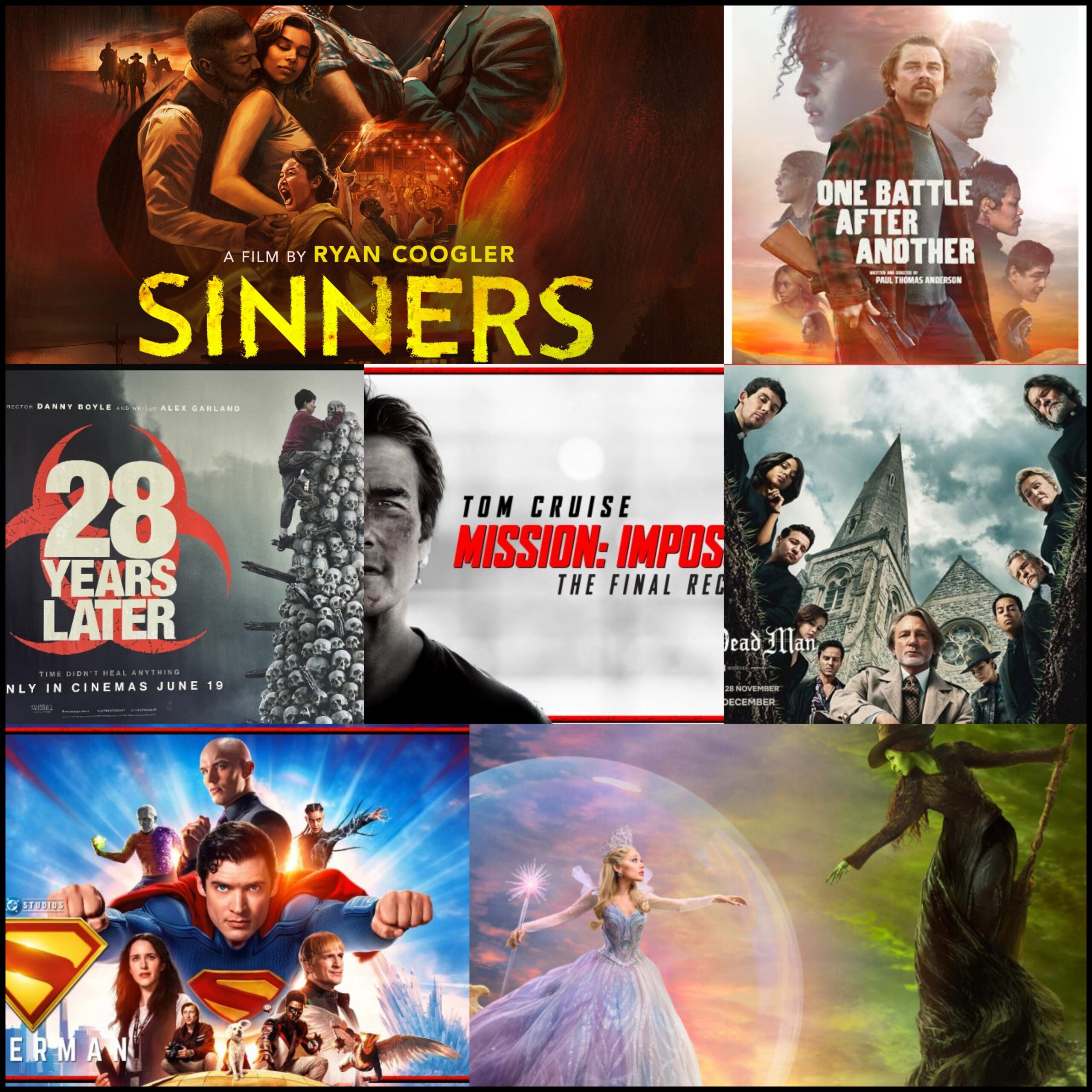
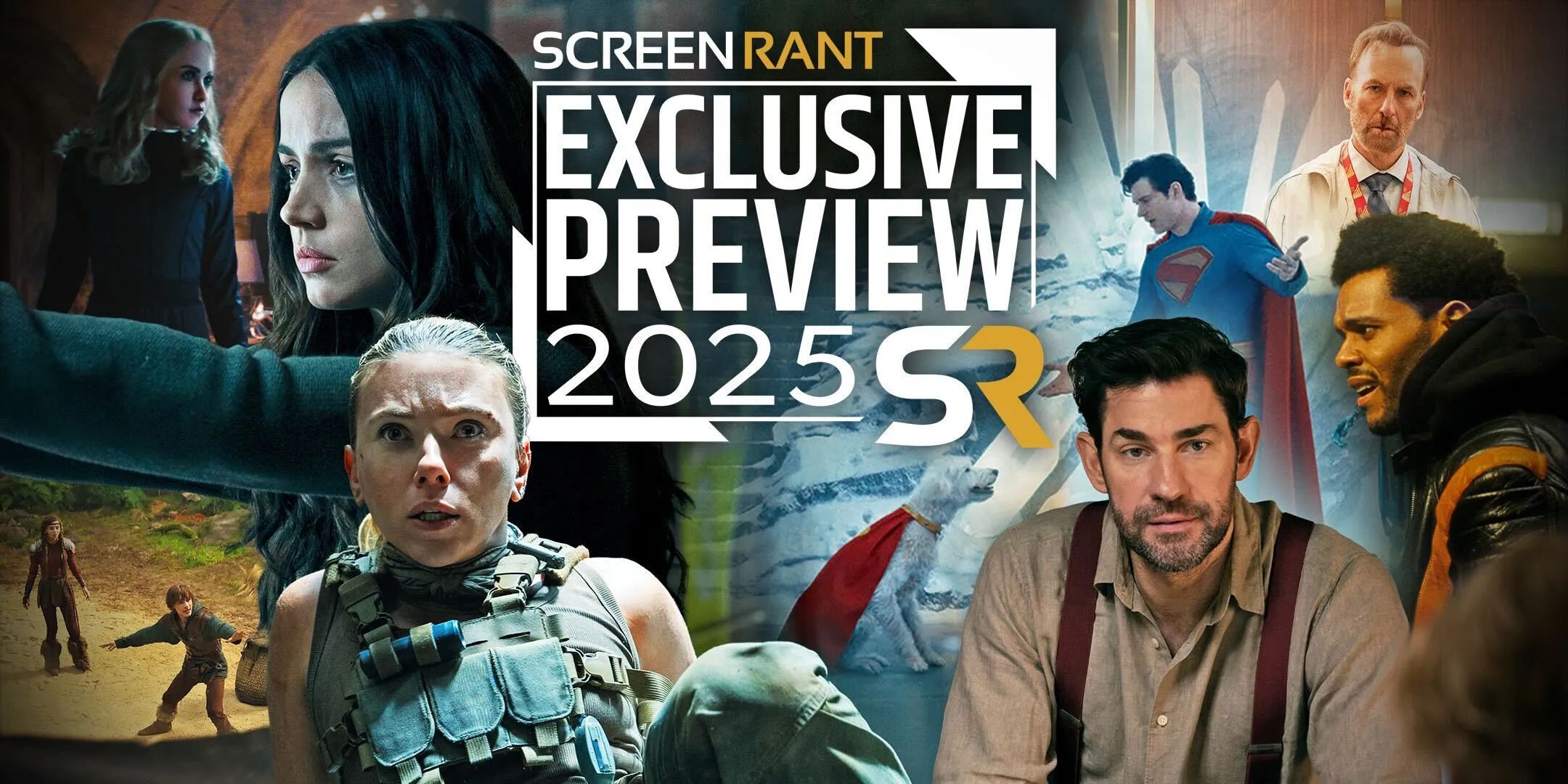
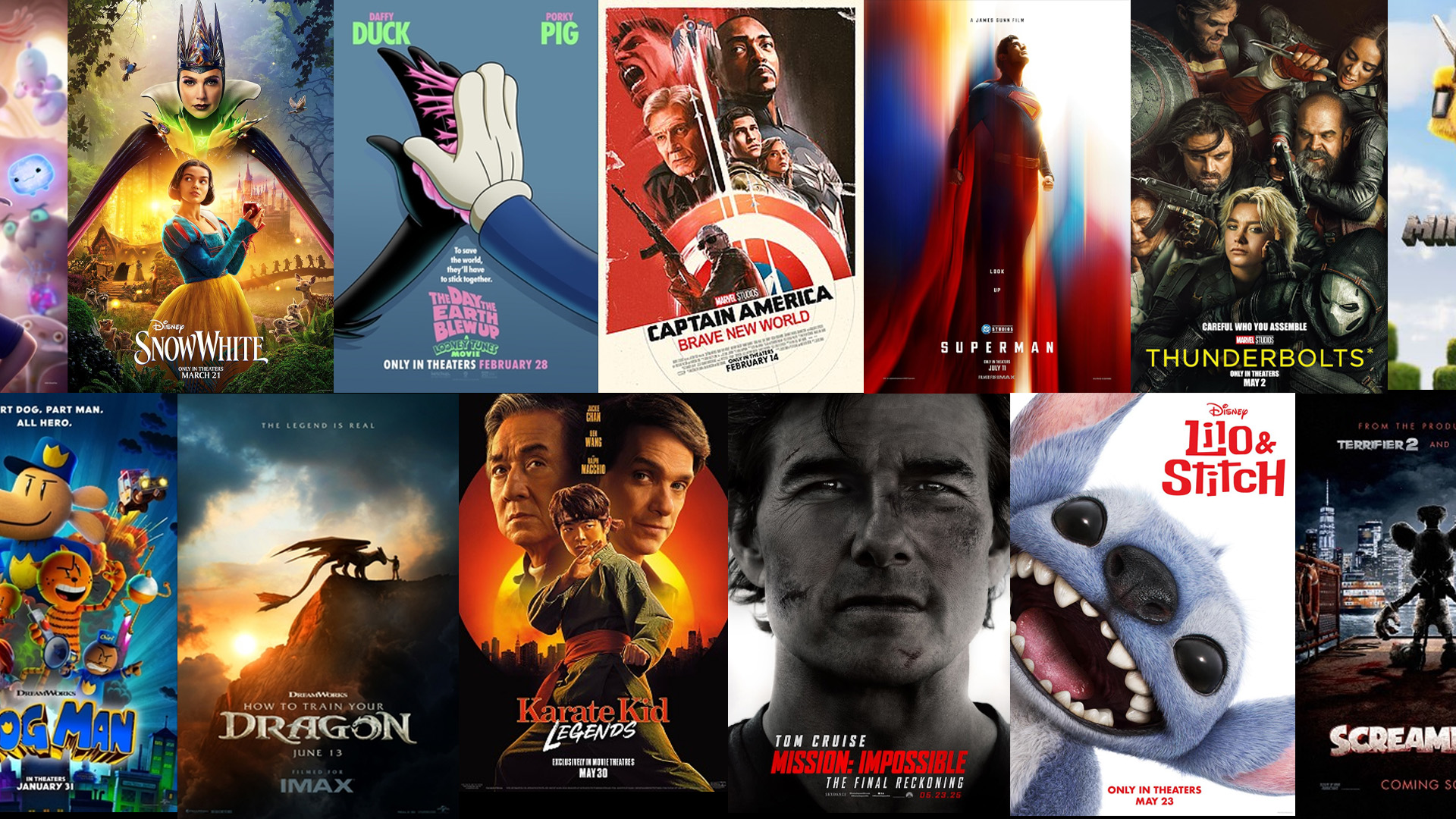
The year 2025 was a transformative period for the film industry, characterized by the launch of the new DC Universe, the expansion of James Cameron’s Avatar saga, and a significant recovery in theatrical attendance. Following the production delays of previous years, 2025 delivered a stabilized and diverse slate of blockbusters, auteur-driven science fiction, and high-performing animated sequels that redefined box office expectations.
The Superpower Shift: DCU’s Birth and Marvel’s Rebound
The most significant narrative in 2025 movies was the shifting landscape of superhero cinema. This year marked the official beginning of James Gunn and Peter Safran’s DC Universe (DCU) with the release of Superman in July. Unlike previous iterations, this film sought to establish a more optimistic and vibrant tone, effectively serving as a litmus test for the brand's long-term viability. The success of Superman was not merely measured in ticket sales but in its ability to generate critical goodwill and interest in subsequent "Gods and Monsters" projects.
Simultaneously, Marvel Studios focused on a "quality over quantity" strategy. With the release of The Fantastic Four: First Steps and Thunderbolts*, the Marvel Cinematic Universe (MCU) attempted to recapture the cultural zeitgeist. The Fantastic Four: First Steps, set in a retro-futuristic 1960s, was praised for its visual distinctness, helping to alleviate the "superhero fatigue" that had plagued the industry in earlier years. The competition between these two titans drove a resurgence in the genre, emphasizing character-driven storytelling over interconnected "homework" viewing.
Blockbuster Dominance: The Most Significant Releases of 2025
Beyond the capes and cowls, 2025 was anchored by massive franchise expansions that utilized cutting-edge technology to draw audiences back to premium large formats like IMAX and Dolby Cinema.
Avatar: Fire and Ash, the third installment in James Cameron’s epic series, was the year’s most anticipated technical achievement. By introducing the "Ash People"—a more aggressive Na'vi clan—Cameron expanded the lore of Pandora while continuing to push the boundaries of underwater motion capture and high-frame-rate cinematography. The film’s performance solidified the Avatar brand as a perennial box office leader, appealing heavily to international markets.
Other notable franchise entries included:
- Jurassic World Rebirth: Directed by Gareth Edwards, this film served as a soft reboot for the dinosaur franchise, stripping away the bloat of previous sequels to focus on a grounded, survival-thriller atmosphere.
- Mission: Impossible – Final Reckoning: Tom Cruise returned for what was marketed as the definitive conclusion to Ethan Hunt’s journey. The film’s commitment to practical stunts remained a major selling point for theatrical audiences.
- Tron: Ares: This long-awaited sequel brought the digital world of the Grid back to the big screen, leveraging a soundtrack by Nine Inch Nails and a stylized aesthetic that appealed to both legacy fans and new viewers.
2025 Major Releases at a Glance
The following table summarizes the key metrics and creative leads for the most impactful 2025 movies.
| Movie Title | Primary Genre | Director | Studio | Key Significance |
|---|---|---|---|---|
| Superman | Superhero | James Gunn | Warner Bros. | Launch of the new DC Universe |
| Avatar: Fire and Ash | Sci-Fi | James Cameron | Disney/20th Century | Advanced motion-capture tech |
| The Fantastic Four | Superhero | Matt Shakman | Marvel Studios | MCU debut of the iconic team |
| Mickey 17 | Sci-Fi | Bong Joon-ho | Warner Bros. | Auteur-driven psychological sci-fi |
| Jurassic World Rebirth | Action | Gareth Edwards | Universal | Fresh creative direction for franchise |
| Zootopia 2 | Animation | Jared Bush | Disney | Sequel to a billion-dollar hit |
| 28 Years Later | Horror | Danny Boyle | Sony Pictures | Revival of the modern zombie genre |
| Ballerina | Action | Len Wiseman | Lionsgate | Expansion of the John Wick universe |
The Rise of Auteur-Driven Science Fiction and Genre Innovation
While franchises dominated the headlines, 2025 was also a year where visionary directors were given significant budgets to execute original or highly stylized adaptations. One of the most talked-about films was Mickey 17, directed by Academy Award-winner Bong Joon-ho. Starring Robert Pattinson as an "expendable" employee on a colonization mission, the film blended dark humor with high-concept social commentary, proving that intellectual science fiction still has a place in the mid-winter release window.
The horror genre also saw a resurgence through 28 Years Later, which reunited director Danny Boyle and writer Alex Garland. By moving away from the "jump-scare" tropes of the early 2020s and returning to visceral, socio-political survivalism, the film revitalized the zombie subgenre. Similarly, the "elevated horror" trend continued with original projects from studios like A24 and Neon, which capitalized on the growing audience for psychological thrillers that prioritize atmosphere over traditional tropes.
Animation’s Record-Breaking Year
In 2025, animation proved to be the most resilient sector of the film industry. Disney and Pixar led the charge with Elio and Zootopia 2. Zootopia 2, in particular, was a massive commercial success, tapping into a multi-generational fan base that had grown since the original's 2016 release.
Universal and Illumination continued their dominance with The Bad Guys 2, while DreamWorks released The Wild Robot, which became a critical darling for its unique painterly art style. These films highlighted a shift in the animation industry toward more varied visual signatures, moving away from the hyper-realistic CGI that had become standard. The success of these titles underscored the importance of family-friendly content in maintaining the health of the theatrical ecosystem.
Technical Evolution: The 2025 Cinema Experience
The year 2025 marked a turning point in how movies were presented and consumed. As home theater systems became more advanced, exhibitors doubled down on the "Event Cinema" experience. This included:
- Expanded IMAX Ratios: More filmmakers in 2025 shot specifically for the 1.43:1 aspect ratio, making certain sequences exclusive to authentic IMAX venues.
- Generative AI in Post-Production: While controversial, 2025 saw the first widespread use of AI-assisted visual effects for de-aging and background rendering, particularly in Avatar: Fire and Ash and Mission: Impossible.
- Sensory Enhancements: The 4DX and ScreenX formats saw record growth, as audiences sought immersive experiences that could not be replicated in a living room.
These technical prerequisites became essential for blockbusters. A movie's "technical pedigree" often dictated its opening weekend performance, as viewers were more willing to pay premium prices for films that promised a superior sensory experience.
Streaming vs. Theatrical: The New Hybrid Reality
By 2025, the "streaming wars" had transitioned into a period of consolidation. The major studios moved away from the day-and-date release models of the early 2020s, favoring a "theatrical-first" approach with a standard 45-to-90-day window. This shift was fueled by the realization that a successful theatrical run significantly increases a film’s value when it eventually lands on a streaming platform.
Services like Netflix and Apple TV+ also changed their strategies. Apple, for instance, partnered with traditional studios like Warner Bros. and Sony to give films like F1 (starring Brad Pitt) a massive global theatrical footprint before they reached Apple TV+. This blurred the lines between "streaming movies" and "theatrical movies," as the quality and scale of digital-first content reached parity with traditional studio outputs.
Frequently Asked Questions
What was the highest-grossing movie of 2025?
Based on historical box office data, Avatar: Fire and Ash claimed the top spot globally. James Cameron’s track record with the previous two installments, combined with the film’s massive international appeal (particularly in China and Europe), allowed it to surpass the $2 billion mark. Its dominance in IMAX and other premium formats contributed significantly to its total revenue, outperforming other major sequels like Zootopia 2 and Jurassic World Rebirth.
Which 2025 movie had the biggest cultural impact?
While Avatar won the box office, Superman is widely considered to have had the most significant cultural impact. As the first entry in the new DCU, it was under intense scrutiny from fans and industry analysts alike. Its successful execution provided a roadmap for future superhero films, emphasizing a return to the core optimistic values of the character. It effectively shifted the conversation away from "franchise fatigue" and toward the potential of well-executed reboots.
Were there any major 2025 movies that were delayed to 2026?
Yes, several high-profile projects originally slated for 2025 were moved to 2026 due to post-production complexities and strategic scheduling. Most notably, The Batman Part II, directed by Matt Reeves, was moved to October 2026 to allow more time for visual effects and to avoid a crowded 2025 summer schedule. Additionally, Marvel's Blade was removed from the 2025 calendar entirely as the studio focused on redeveloping the script to meet their new quality standards.
How did 2025 movies perform compared to the pre-pandemic era?
2025 was the first year that the domestic box office truly rivaled pre-pandemic levels (circa 2019). This was achieved through a more consistent monthly release schedule rather than relying solely on summer and holiday peaks. The success of mid-budget films and the stabilization of theatrical windows helped the industry reach a total annual gross that signaled a full recovery for the exhibition sector.
What were the best-reviewed films of 2025?
Critical acclaim in 2025 was divided between high-concept sci-fi and intimate dramas. Mickey 17 received high marks for its originality and Bong Joon-ho’s direction. On the indie circuit, films from the Sundance and Cannes Film Festivals—such as Sean Baker’s Anora (which saw a wide rollout in late 2024/early 2025)—dominated the awards conversation. In the blockbuster category, Superman and The Wild Robot were noted for their emotional depth and narrative coherence.
Where to Watch 2025’s Best Hits in 2026
As we move through 2026, the vast majority of 2025’s cinematic highlights are now available for home viewing. For those looking to catch up on the previous year's best offerings, the following platforms are the primary hubs:
- Disney+: Home to Avatar: Fire and Ash, The Fantastic Four: First Steps, and Zootopia 2.
- Max: The exclusive streaming home for the DCU’s Superman and Bong Joon-ho’s Mickey 17.
- Peacock: Where you can find Universal’s major releases, including Jurassic World Rebirth and The Bad Guys 2.
- Paramount+: The destination for Mission: Impossible – Final Reckoning.
For the best experience, it is recommended to view these titles on a 4K UHD setup with HDR (High Dynamic Range) enabled, as many 2025 movies were mastered specifically to take advantage of high-brightness and wide-color-gamut displays. If you missed the theatrical window, several 2025 titles are still playing in "second-run" or budget theaters, providing a final chance to see these spectacles on the big screen.