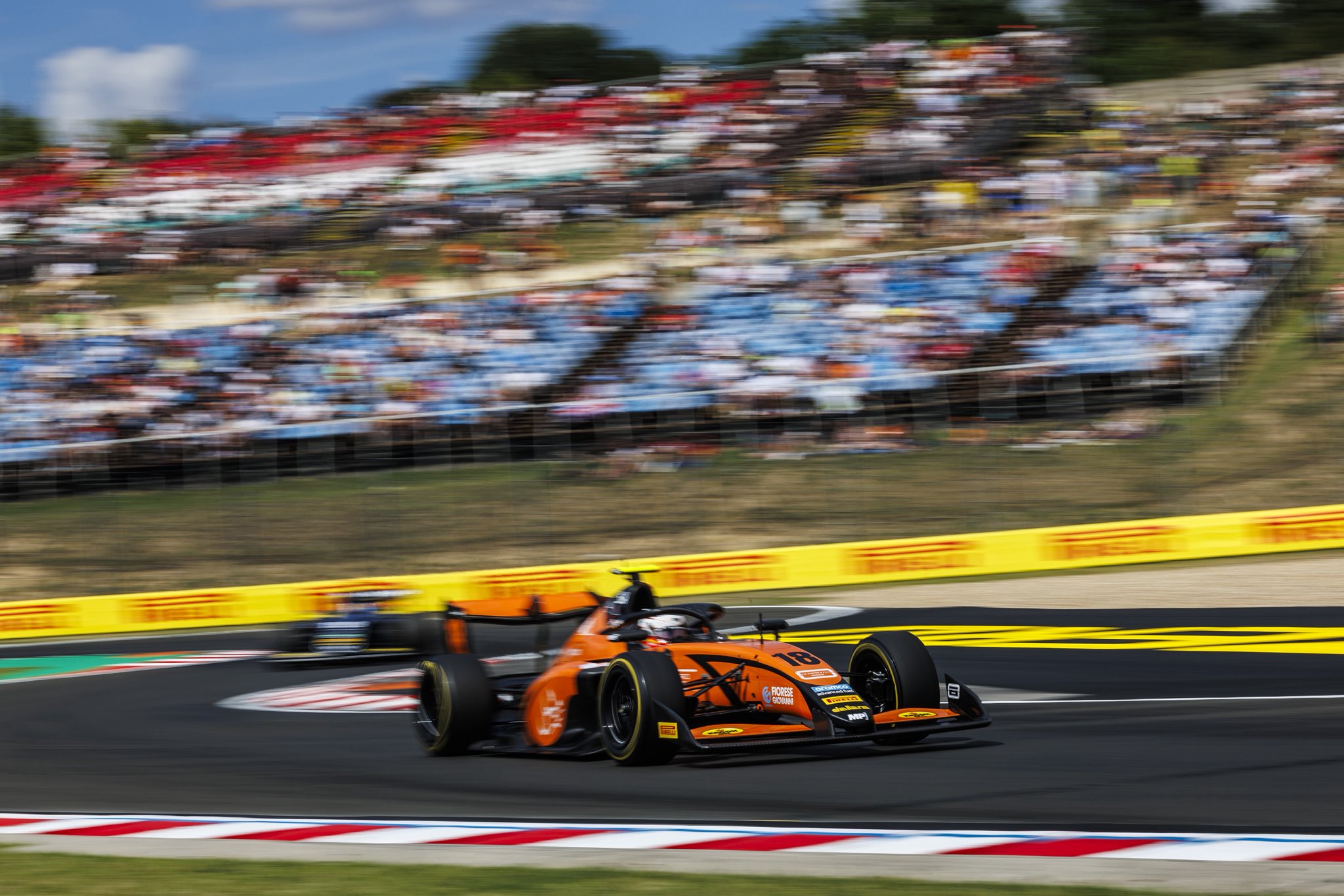
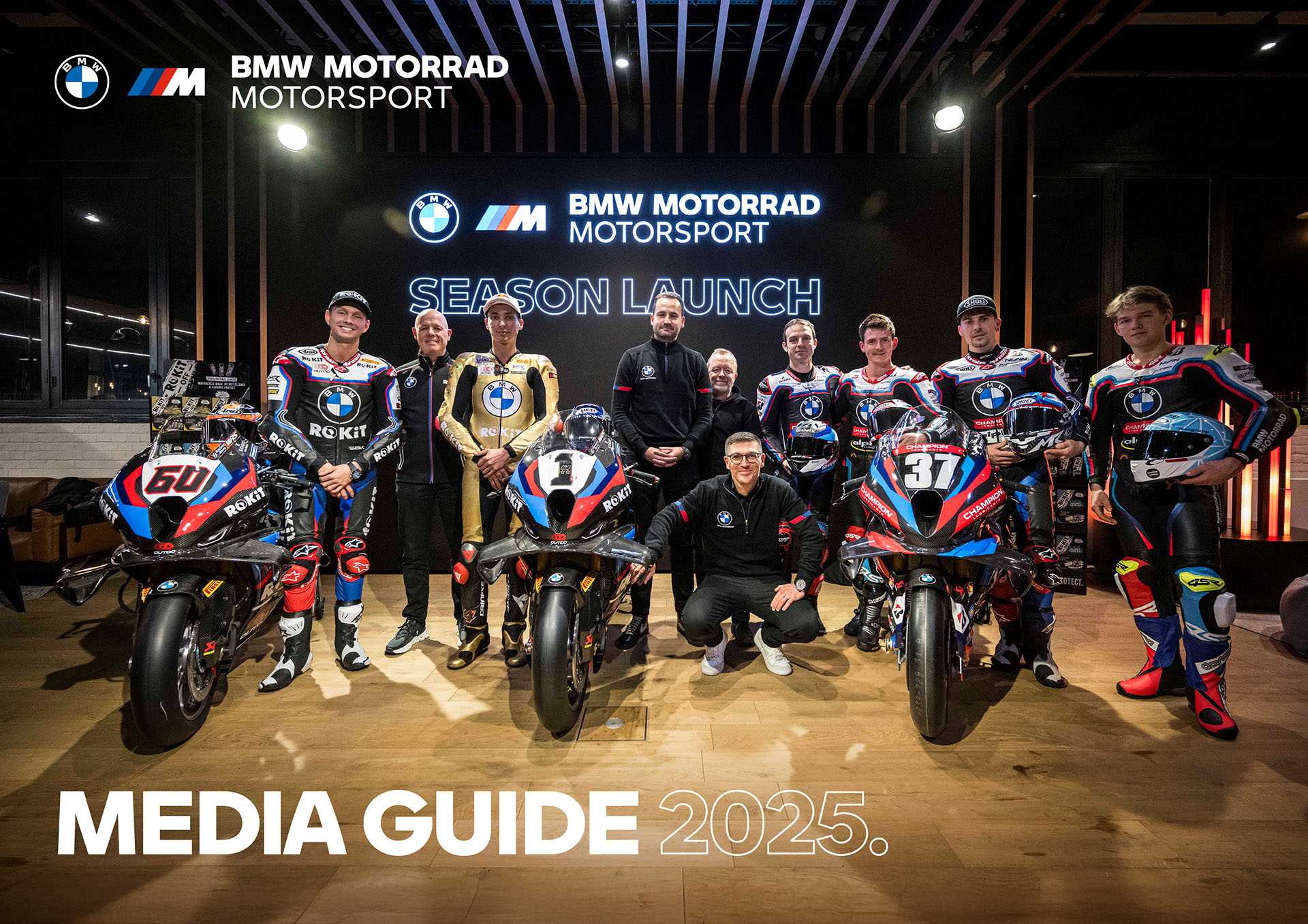
The 2025 motorsport season served as a critical bridge between the established internal combustion era and the high-tech, sustainable future of racing. Defined by seismic driver transfers—most notably Lewis Hamilton’s move to Ferrari—and significant technical pivots in WRC and WEC, 2025 solidified the commercial and technological foundations for the next decade of global competition.
The Landmark Shift in Formula 1: Hamilton’s Ferrari Debut and the 75th Anniversary
As we look back from 2026, the 2025 Formula 1 season is primarily remembered as the year the "Hamilton-Ferrari" era finally began. The transition of the seven-time World Champion to the Scuderia represented more than just a driver move; it was a cultural phenomenon that reshaped the sport’s commercial landscape and shifted the power dynamics within the paddock. This move forced a domino effect across the grid, leading to Carlos Sainz’s strategic move to Williams and a youth movement that saw several rookies making their full-season debuts.
The 2025 season also marked the 75th anniversary of the Formula 1 World Championship. To celebrate this milestone, the FIA and Liberty Media focused on a 24-race calendar, the longest in the sport's history. The schedule was designed with improved regionalization to reduce the carbon footprint of the logistical chain—a key pillar of the "Net Zero 2030" initiative.
Technically, 2025 was the final year of the ground-effect regulations introduced in 2022. Because the massive 2026 power unit and aerodynamic overhaul were looming, teams faced a "development trap." They had to balance the diminishing returns of refining their 2025 chassis against the urgent need to allocate resources to the 2026 car. This led to a remarkably stable technical hierarchy in the first half of the season, followed by a convergence in performance as the leading teams reached the ceiling of what was possible under the existing rules.
Endurance Racing: The Hypercar Golden Age and the Two-Car Mandate
In the FIA World Endurance Championship (WEC), 2025 is recognized as the year the "Hypercar" class reached its zenith. The entry of the Aston Martin Valkyrie brought a high-revving, naturally aspirated V12 sound back to the grid, satisfying fans who craved a different acoustic profile than the hybrid turbocharged units of Toyota, Ferrari, and Porsche.
One of the most consequential regulatory changes for 2025 was the mandated two-car entry for manufacturers. This rule required every manufacturer competing in the Hypercar class to field at least two cars to be eligible for the World Championship. This move was designed to ensure a more robust grid and prevent "experimental" single-car entries from diluting the competitive spectacle.
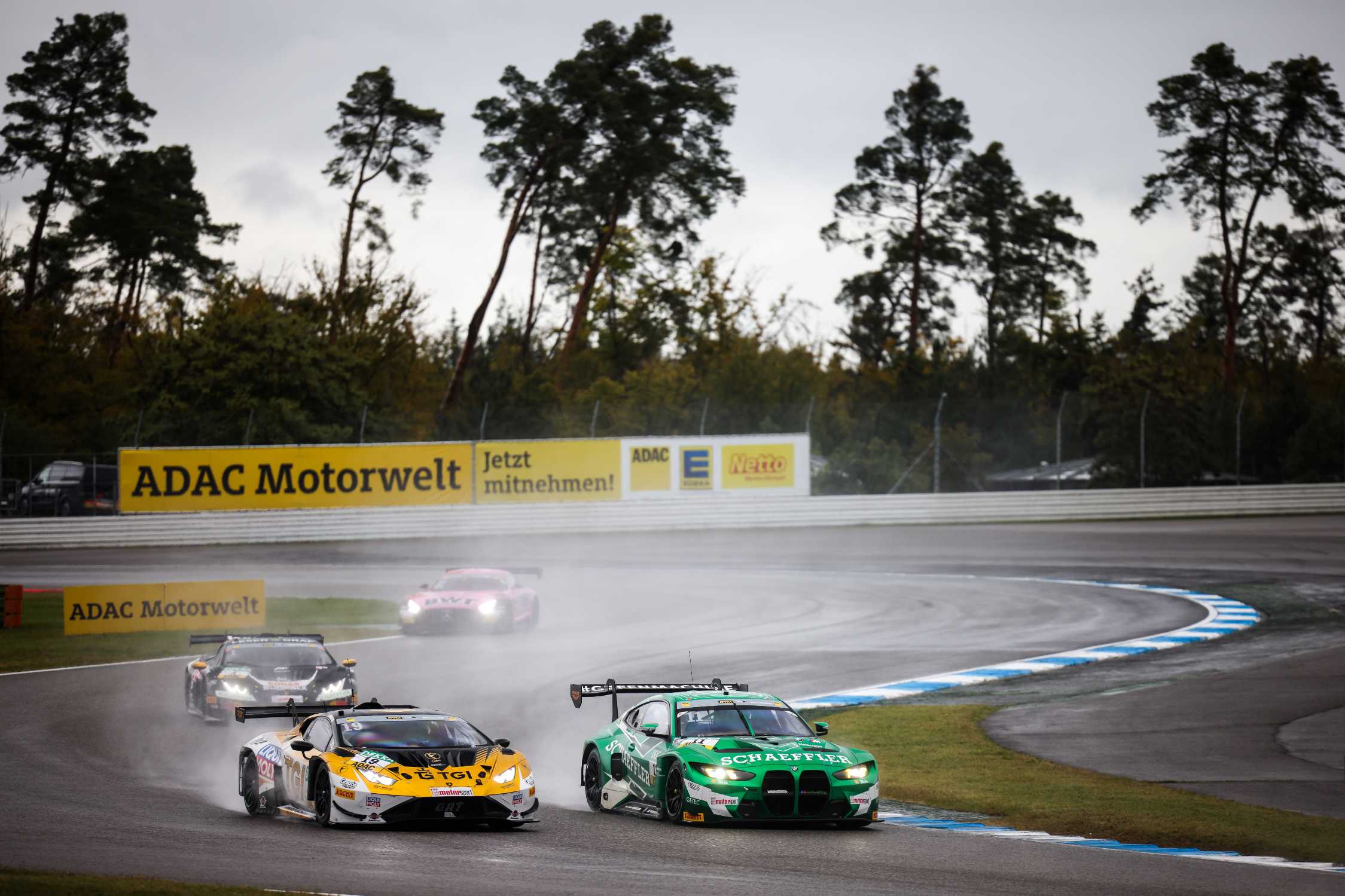
The 2025 season also saw the continued success of the LMGT3 class, which replaced GTE Pro/Am. By utilizing a GT3-based platform, WEC successfully attracted a wider array of manufacturers, including Corvette, Ford, and Lexus, alongside stalwarts like Lamborghini and BMW. The balance of performance (BoP) remained a contentious topic, but the sheer depth of the 2025 field—frequently exceeding 35 cars across two classes—provided some of the most consistent racing in recent history.
MotoGP’s Transition: The Liberty Media Era and Rider Reshuffles
MotoGP underwent a massive transformation in 2025, both on and off the track. Following the acquisition by Liberty Media, the sport began implementing a more aggressive global marketing strategy, similar to the "Drive to Survive" model that boosted Formula 1's popularity.
On the grid, the focus was entirely on the Ducati Lenovo Team. Marc Marquez’s promotion to the factory squad alongside Francesco Bagnaia created one of the most decorated pairings in the history of motorcycle racing. This "superteam" dynamic caused significant ripples, leading Jorge Martín to move to Aprilia and Enea Bastianini to join the KTM project. These shifts effectively reset the competitive order, making the 2025 season one of the most unpredictable in terms of race winners.
Technical regulations in 2025 remained largely stable as the series prepared for the 850cc engine transition set for 2027. However, there was a heightened focus on managing tire pressure and aerodynamic wake, with the FIA introducing more stringent real-time monitoring to ensure safety and competitive parity during the frantic Sprint races that have now become a staple of every Grand Prix weekend.
The Technical Pivot in WRC and IndyCar
The 2025 season was a year of "course correction" for several other major disciplines. The World Rally Championship (WRC) made the significant decision to remove hybrid units from Rally1 cars for the 2025 season. This was a strategic move to reduce the complexity and skyrocketing costs of the vehicles, which had previously deterred privateer entries and new manufacturers. By returning to a simpler, lighter internal combustion setup fueled by 100% sustainable fuels, the FIA aimed to stabilize the category before the next major regulatory cycle.
In North America, IndyCar entered its first full season with the integrated hybrid powertrain. After a mid-season introduction in 2024, the 2025 campaign allowed teams to fully exploit the energy recovery systems (ERS). This changed the tactical nature of racing at both ovals and road courses, as drivers gained the ability to use manual "push-to-pass" boosts generated through regenerative braking.
| Series | Major 2025 Change | Technical Focus | Commercial Driver |
|---|---|---|---|
| Formula 1 | Hamilton to Ferrari | Final Ground-Effect Iteration | 75th Anniversary Events |
| WEC | 2-Car Manufacturer Rule | Hypercar Expansion (Valkyrie) | Global GT3 Adoption |
| MotoGP | Marquez to Factory Ducati | Aerodynamic Refinement | Liberty Media Acquisition |
| WRC | Removal of Hybrid Units | Cost Reduction / Rally1 Lite | Sustainable Fuel Testing |
| IndyCar | Full Hybrid Season | Energy Recovery Systems | Manufacturer Diversity |
Sustainability and Fuel Technology in 2025
The 2025 motorsport season was a milestone for environmental initiatives. While Formula E moved into the Gen3 Evo era, introducing faster acceleration and all-wheel drive for qualifying duels, the traditional series focused on "drop-in" sustainable fuels.
- Formula 1: Used 2025 as the final laboratory for the 100% sustainable fuels that became mandatory in 2026.
- WEC: Continued the use of TotalEnergies' Excellium Racing 100, a fuel produced from wine residues (bioethanol).
- MotoGP: Transitioned to at least 40% non-fossil fuel components, heading toward 100% by 2027.
These developments were crucial for maintaining the relevance of motorsport in a world increasingly focused on ESG (Environmental, Social, and Governance) criteria. For manufacturers like Alpine, BMW, and Toyota, racing in 2025 wasn't just about trophies; it was about proving that the internal combustion engine (ICE) could be preserved through carbon-neutral technology.
The Economics of Racing: Cost Caps and Sponsorship
By 2025, the "Cost Cap" era had matured. In Formula 1, the auditing processes became more transparent, and the penalties for minor overspends were codified to prevent the controversies seen in earlier years. This financial parity allowed smaller teams like Haas and Williams to make significant infrastructure investments that began to pay dividends on the track in 2025.
The sponsorship landscape also shifted. We saw a decrease in "crypto-heavy" liveries, replaced by AI and green-tech firms. The 2025 season saw a record number of technology partnerships where the racing teams acted as R&D hubs for their sponsors, particularly in the realms of predictive data analytics and thermal management.
Common Challenges in the 2025 Season
- Logistical Strain: The 24-race F1 calendar put immense pressure on personnel, leading to discussions about "rotating crews" to prevent burnout.
- Balance of Performance (BoP): In WEC and GT3 racing, the struggle to balance different engine architectures (V12 vs. V6 Turbo) remained a source of political tension.
- Digital Integration: The rise of official sim-racing events during the off-season began to blur the lines between virtual and physical sponsorship, requiring new legal frameworks for driver image rights.
FAQ
How did the 2025 F1 regulations differ from 2024?
The 2025 technical regulations were a refinement of the 2024 rules rather than a complete overhaul. The primary changes involved minor aerodynamic tweaks to reduce "dirty air" and stricter requirements for floor stiffness to eliminate the last vestiges of porpoising. The biggest "change" was actually the budget cap adjustment for inflation, allowing teams slightly more headroom for freight and energy costs.
Why did WRC remove hybrids for 2025?
The FIA removed the hybrid systems from Rally1 cars primarily to lower the entry cost and simplify maintenance for privateer teams. The 130hp hybrid kits were expensive to repair and added significant weight. By removing them, the FIA aimed to increase the number of cars on the grid while maintaining performance through increased turbocharger boost and weight reductions.
What was the impact of Lewis Hamilton's move to Ferrari in 2025?
Hamilton’s move to Ferrari caused the largest single-year shift in merchandise sales and television viewership in F1 history. Beyond the commercial impact, it forced Mercedes to promote Kimi Antonelli, accelerating a youth movement across the grid. It also redefined the legacy of both Hamilton and Ferrari, as they sought to end the team’s long championship drought before the 2026 engine change.
Which new manufacturers joined WEC in 2025?
The most notable addition was Aston Martin with the Valkyrie AMR-LMH. Additionally, 2025 saw the full-season integration of the Lamborghini SC63 in a two-car effort, complying with the new manufacturer mandate. The grid also benefited from a more stable presence of privateer teams like JOTA and AF Corse using manufacturer-spec machinery.
How did MotoGP change under Liberty Media in 2025?
Under Liberty Media’s early influence in 2025, MotoGP expanded its fan engagement through "Fan Zones," improved digital streaming options, and a more structured weekend format. While the core racing remained the same, the presentation became more "event-focused," mimicking the success of the Las Vegas and Miami Grands Prix in Formula 1.
Final Recommendations for Racing Enthusiasts
As we progress through 2026, the 2025 season stands as a masterclass in how to manage a "lame duck" year. Instead of stagnating, the major series used the year to finalize driver lineups and perfect their sustainability narratives.
If you are looking to understand the current 2026 landscape, you should first analyze the 2025 technical data, as it reveals which teams mastered the efficiency of the previous era. For those interested in the business of sport, the 2025 financial reports of the FIA and FOM (Formula One Management) provide the best blueprint for how motorsport will remain profitable in a post-fossil-fuel economy. Moving forward, keep a close eye on how the 2025 rookie class adapts to the much more complex 2026 power units, as their performance in the simpler 2025 cars is the ultimate benchmark for their raw talent.